
Research Highlights
Oceanus Magazine
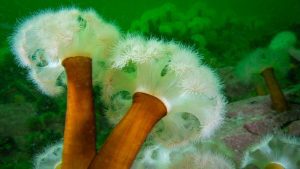
Researchers find fluffy anemones spreading south via shipwrecks, revealing how artificial reefs and ocean currents connect marine habitats
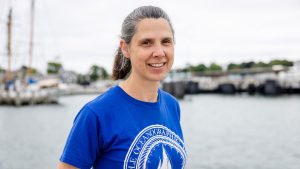
Three questions with marine research technician Emily Peacock
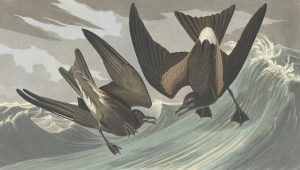
New GPS tracking on petrels reveals a surprising survival strategy hidden in the eye of the storm
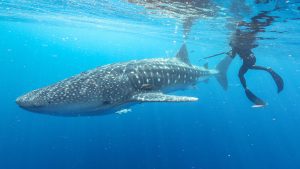
Marine biologist Camrin Braun explains why the world’s largest fish visit waters off Cape Cod—and what their epic migrations reveal about a changing ocean
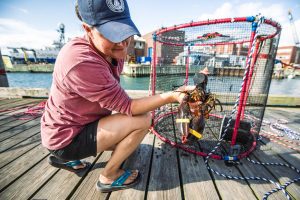
WHOI’s Sensory Ecology Lab investigates whether an industrialized soundscape impacts the health of a New England icon
News Releases
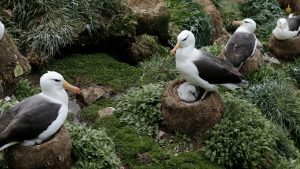
New WHOI-led study of black-browed albatrosses finds that climate mitigation may matter more than evolution for population persistence
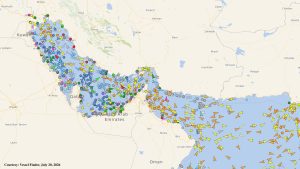
New analysis says thousands of stranded vessels may unintentionally spread invasive marine life worldwide
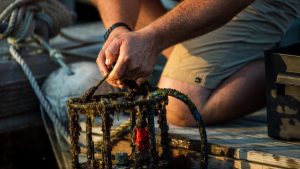
The Seafood Engine will initially receive an award of $15 million over two years, with the potential to grow up to $160 million over ten years as it works to build an internationally competitive technology and innovation cluster.
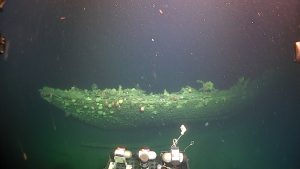
The Heroic Age Expedition, led by the Royal Canadian Geographical Society in partnership with Woods Hole Oceanographic Institution, reveals the famed Antarctic explorer’s last ship, Terra Nova in stunning detail
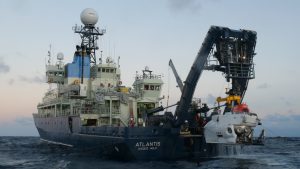
The Royal Canadian Geographical Society, in partnership with WHOI, will undertake “once-in-a-generation” expedition to survey Sir Ernest Shackleton’s Quest and Captain Robert Falcon Scott’s Terra Nova
News & Insights
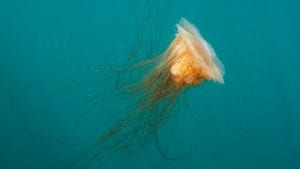
Recent accounts in the media have described the appearance of lion’s mane jellyfish in waters and beaches in the Northeast as a surprising, sometimes troubling, event, with record sizes and numbers reported from Maine to the Massachusetts south coast. But is this event noteworthy? Or, as some have implied, is it a sign of failing ocean health? Three WHOI marine biologists weighed in to put events into perspective.
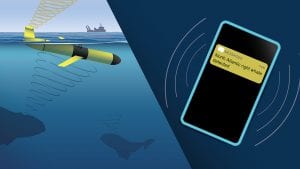
Researchers from WHOI and NOAA combine underwater gliders with passive acoustic detection technology to help protect endangered species from lethal ship strikes and noise from offshore wind construction
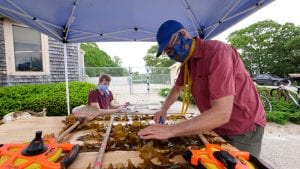
Though pandemic slows countless research projects, kelp breeding program can’t stop. A WHOI community rallies to help Scott Lindell and his lab sort over 2,200 blades.
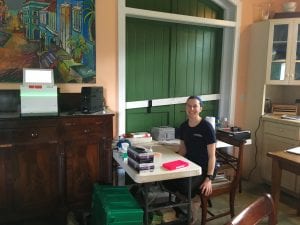
Despite labs shutting down due to the COVID-19 pandemic, WHOI microbiologists are working fast to solve a different kind of outbreak—one travelling below the ocean’s surface and ravaging coral reefs from Florida to the Caribbean.
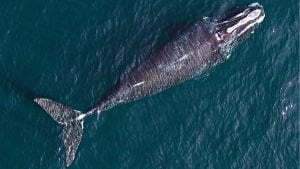
WHOI has teamed up with Greentown Labs and Vineyard Wind to launch the Offshore Wind Challenge. The program, which is also partnering with New England Aquarium, calls on entrepreneurs to submit proposals to collect, transmit, and analyze marine mammal monitoring data using remote technologies, such as underwater vehicles, drones, and offshore buoys.