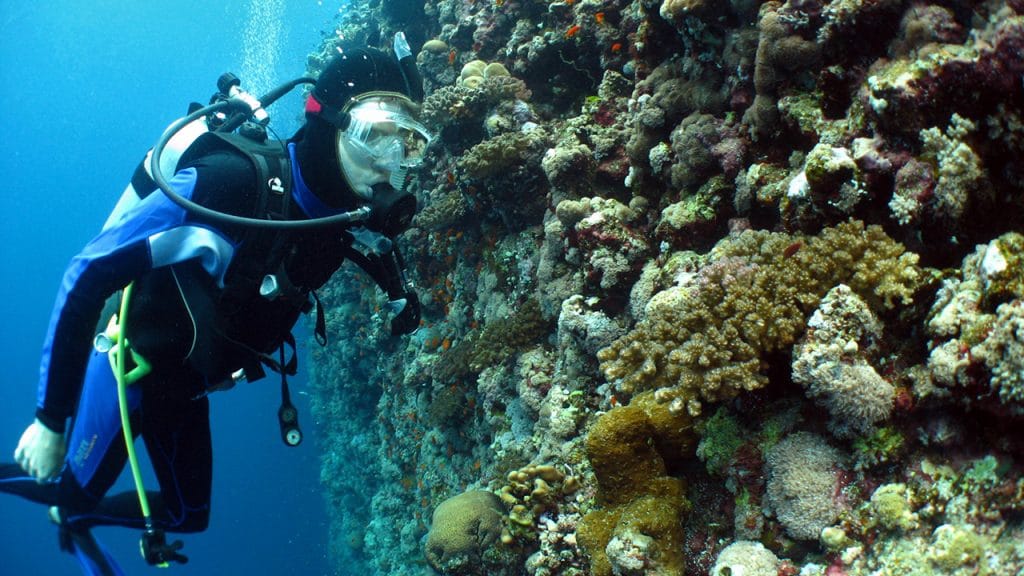
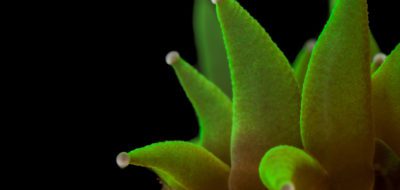
Many people think of coral as hard, rock-like formations that attract abundant, diverse marine life. In fact, corals are themselves tiny marine animals called polyps that live together in large colonies.
Coral polyps are relatives of jellyfish and anemones. Some live in shallow water, some in deep; some form hard outer skeletons made of calcium carbonate, others have a soft body encasing hard internal structures known as sclerites. Hundreds of thousands of hard corals with their skeletons glued together form the iconic reef structures that do, indeed, serve as the foundation for important marine ecosystems around the world.
 Video
Video
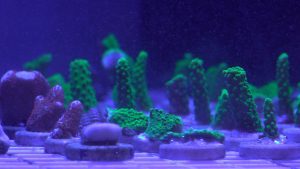
Can multivitamins help save coral reefs?
WHOI scientists are testing "multivitamin" tiles that release trace metals like zinc and manganese to help corals resist heat stress and boost resilience.
 Video
Video
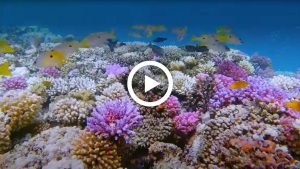
How do corals form colonies?
Coral reefs are built by tiny animals called polyps—over 1,000 per square foot—working together to form vast, complex, and vital marine ecosystems.
 Video
Video
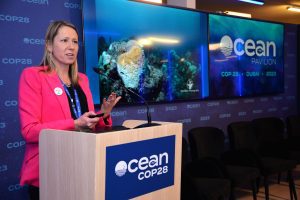
WHOI’s Amy Apprill "speaks for the reefs" at COP28
A COP28 Moment with WHOI microbial ecologist Amy Apprill.
 Video
Video
Digital Reefs: Enabling the Industrial Metaverse with MIT Technology Review
Digital Reefs principal investigator Anne Cohen presented her vision for a technologically supported future of decision-making for coral reefs
 Video
Video
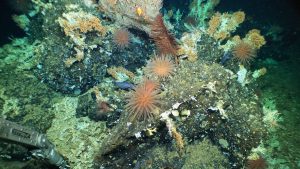
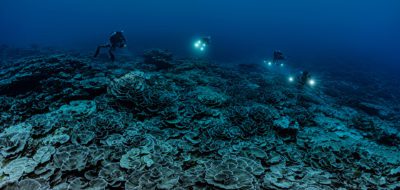
Coral reef discovered in the Galápagos Marine Reserve with Alvin
In April 2023, scientists diving in the human-occupied submersible Alvin discovered extensive, ancient deep-sea coral reefs within the Galápagos Marine Reserve.
 Video
Video
Boston/New England Regional Emmy® Award Nominations
Watch WHOI's two regional Emmy®-nominated videos: Hope for Corals In Crisis and Give Reefs a Chance!
 Video
Video
Hope for Corals in Crisis
Go behind the scenes as WHOI researchers develop cutting-edge tools to detect stressed corals early—before visible damage makes recovery harder.
 Video
Video
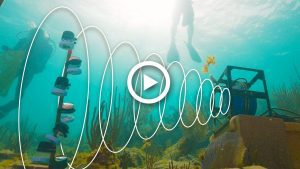
Give Reefs a Chance
WHOI scientists are racing to save coral reefs with real-time tools, fish sound studies, and robotics to detect stress and disease before it's too late.
 Video
Video
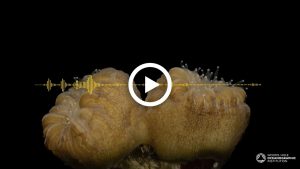
Can we use sound to build back reefs?
WHOI scientists study sound as a possible therapy for ailing coral reefs
 Video
Video
Ocean Encounters: Giving Reefs a Chance
Coral reefs are vital ocean ecosystems, and they are in trouble. Learn how WHOI scientists and engineers are working to diagnose reefs at risk and bring them back to life.
 Video
Video
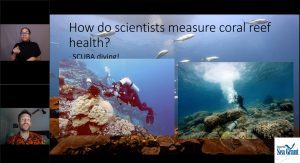
Listening for home: How corals use sound to build reefs
What does home sound like to you? Scientists investigate how corals use sound to settle and build new reefs
 Video
Video
NOAA Live! Saving Corals: A Day in the Life of a Coral Reef Scientist
NOAA Live! Explore a day in the life of a coral reef scientist working to save these vital ecosystems.
 Video
Video
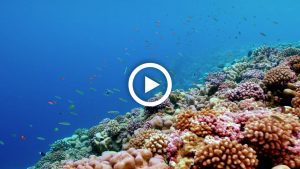
Ocean Encounters: Corals in Crisis
A deadly coral disease is spreading fast. Learn how scientists are racing to stop it and save vital reef ecosystems before it's too late.
 Video
Video
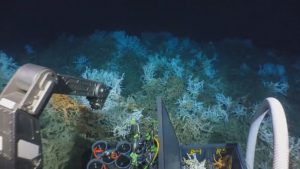
Inspired to Understand – Amy Apprill
Once landlocked, Amy Apprill now studies coral disease at WHOI, using DNA to uncover clues in reef health and fight a fast-spreading epidemic.
 Video
Video
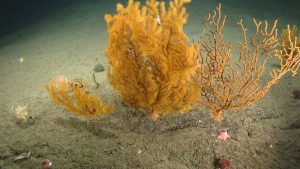
Alvin Makes an Exciting Coral Discovery
Discover a vast deep-sea coral reef off South Carolina, found by Alvin during Deep Search 2018. Watch the 8-hour dive condensed into just 3 minutes.
 Video
Video
Deep-water Corals in the Northeast Canyons
Just 100 miles off the most heavily populated coast of North America lie nearly 80 canyons cut into the seabed and continental shelf.
 Video
Video
Groundwater: The River No One Sees
Groundwater feeds the ocean in unseen ways—carrying nutrients, pollutants, and clues about environmental change. WHOI scientists use coral to track its flow.
 Video
Video
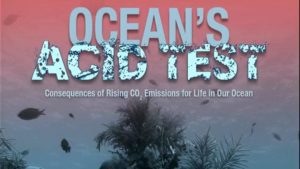
Presentation: Ocean’s Acid Test
Seawater is becoming more acidic due to rising CO2—a serious issue called ocean acidification. WHOI hosts a public event to explain its causes, impacts, and solutions.
 Video
Video
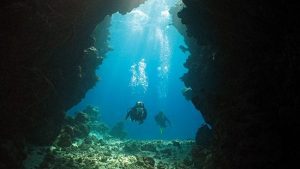
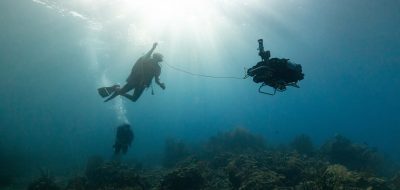
Shallow Water Diving
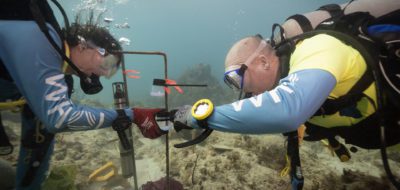
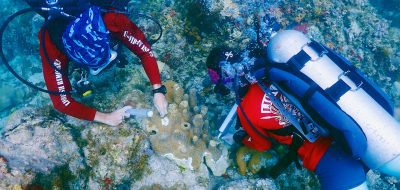
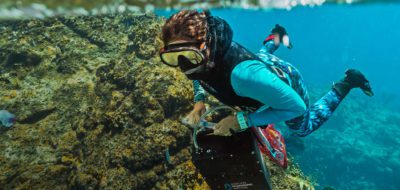
Scuba gives researchers time and access to study reefs, fish, and seafloor up close.
 Video
Video
Once and Future Corals
WHOI scientist Conrad Hughen shares insights on studying coral reefs and the challenges they face for the future.
References
More topics like this
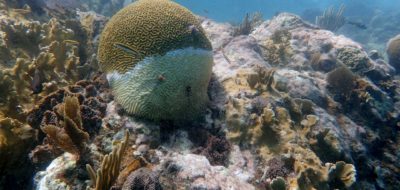
Coral stressors
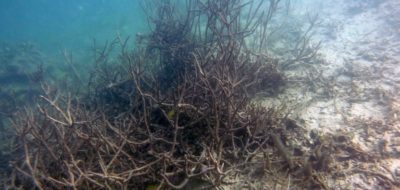
Stressors can affect organisms living on the reef or they can affect the corals, themselves. When corals die, other organisms must relocate or struggle to survive.
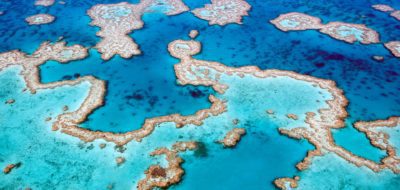
Reef ecosystems
A healthy reef protects coastlines from wave damage, plays a critical role in providing food, boosts the economy, and provides materials for pharmaceuticals.
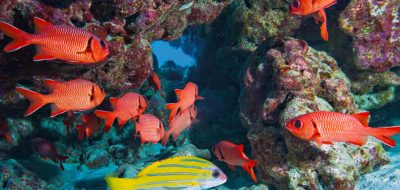
Reef fish
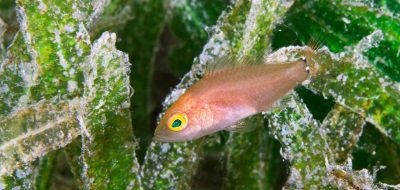
Fish that inhabit a coral reef play essential roles in the reef ecosystem, and reefs without fish struggle to recover from bleaching or other events that damage the coral.
Oceanus magazine
[ ALL ]In-depth research on Corals
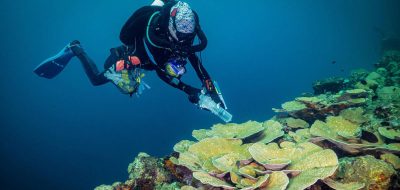
From ruin to reef

As the ocean warms, a science writer looks for coral solutions
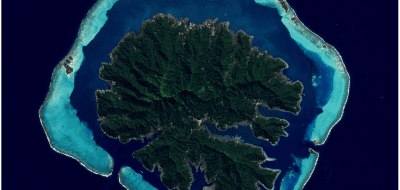
How an MIT-WHOI student used Google Earth to uncover a river–coral reef connection
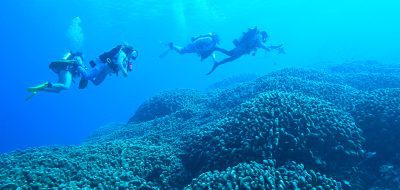
Inside the Solomon Islands’ hidden mega coral — a 300-year-old ocean giant


WHOI News Room
[ ALL ]Press releases
Get the ocean in your inbox
Fresh discoveries, research, and stories from WHOI — free, every week.