Skip to content

Research Highlights

Oceanus Magazine
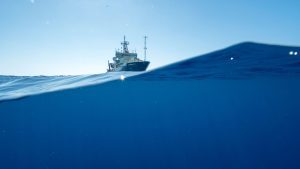
ship

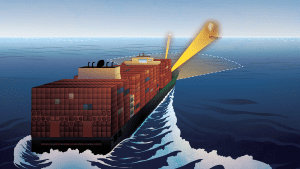
Breakthroughs below the surface

October 16, 2025

How ocean science is reshaping our world

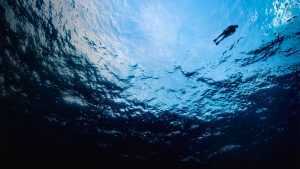
ocean and swimmer

The Ocean (Re)Imagined

October 16, 2025

How expanding our view of the ocean can unlock new possibilities for life

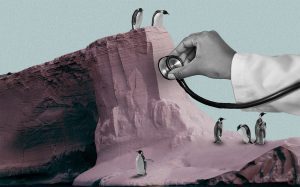
A polar stethoscope

September 25, 2025

Could the sounds of Antarctica’s ice be a new bellwether for ecosystem health in the South Pole?

truck

Harnessing the ocean to power transportation

August 5, 2025

WHOI scientists are part of a team working to turn seaweed into biofuel

WHOI senior scientist Dennis McGillicuddy holds a jarred Sargassum sample

How do you solve a problem like Sargassum?

July 16, 2025

An important yet prolific seaweed with massive blooms worries scientists

News Releases

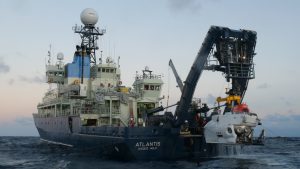
Atlantis and Alvin

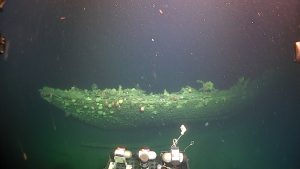
Heroic Age Expedition to survey two of the world’s most famous shipwrecks

July 1, 2026

The Royal Canadian Geographical Society, in partnership with WHOI, will undertake “once-in-a-generation” expedition to survey Sir Ernest Shackleton’s Quest and Captain Robert Falcon Scott’s Terra Nova
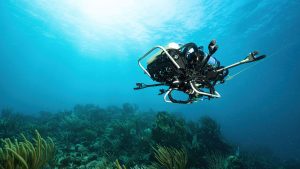
CUREE autonomous underwater vehicle

Autonomous underwater robot discovers hidden coral reef “hotspots”

May 13, 2026

New underwater robot opens new possibilities in coral reef conservation by autonomously identifying biodiversity “hotspots”

WHOI Scientist Catherine Walker Joins NASA-Selected EDGE Satellite Mission

February 12, 2026

Satellite measuring land, polar, and coastal regions could launch by 2030

Sargassum Patch

Study reveals dramatic decline in historic sargassum populations, with WHOI scientists helping unravel basin-scale changes

December 4, 2025

The findings point to warming ocean temperatures, shifting nutrient regimes, and changing circulation patterns as likely contributors to this emerging basin-scale redistribution of Sargassum.

International research team discovers a potential source of abiotic methane in the Arctic Ocean

November 21, 2025

A distinctive oceanic core complex releasing hot fluids has been identified at a depth of 2,700 meters on the Arctic Ocean’s floor.

News & Insights

WHOI builds bridges with Arctic Indigenous communities

February 10, 2021

NSF program fosters collaboration between indigenous communities and traditional scientists, allowing WHOI’s autonomous vehicles to shed light on a changing Arctic
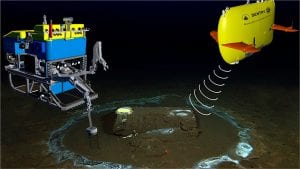
WHOI-assisted study finds ocean dumping of DDT waste was “sloppy”

October 29, 2020

An investigative report this week in the LA Times features the work of WHOI’s marine geochemistry lab in identifying the discarded barrels and analyzing samples from the discovery.

Scroll To Top