
Research Highlights
Oceanus Magazine
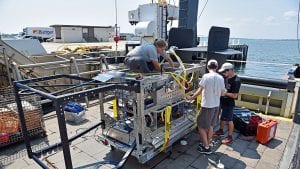
Decades of research from many WHOI scientists and engineers have culminated in a multifaceted vehicle to explore deep-sea marine life.
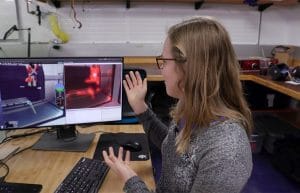
The ocean is an extreme environment that is hard for humans to explore. One solution is building deep-sea robots that can autonomously make decisions on what to look for and where.
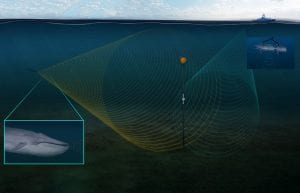
WHOI scientists warp sound–the primary means of transmitting information in the ocean–to “see” what’s happening below the surface.
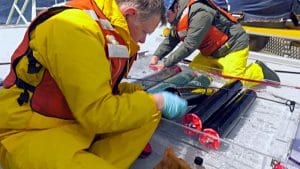
What makes the shelf break front such a productive and diverse part of the Northwest Atlantic Ocean? A group of scientists on the research vessel Neil Armstrong spent two weeks at sea in 2018 as part of a three-year, NSF-funded project to find out.
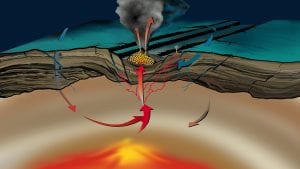
In 1977, WHOI scientists made a discovery that revolutionized our understanding of how and where life could exist on Earth and other planetary bodies.
News Releases
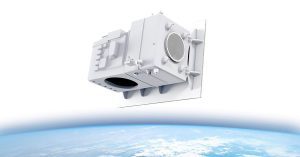
Satellite measuring land, polar, and coastal regions could launch by 2030
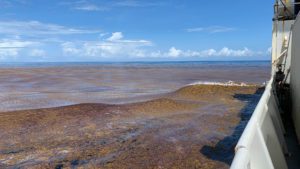
The findings point to warming ocean temperatures, shifting nutrient regimes, and changing circulation patterns as likely contributors to this emerging basin-scale redistribution of Sargassum.
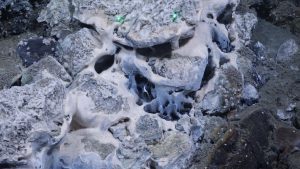
A distinctive oceanic core complex releasing hot fluids has been identified at a depth of 2,700 meters on the Arctic Ocean’s floor.
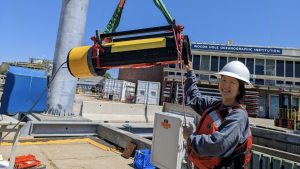
Research Associate will complete a project at the National Fisheries and Marine Research Institute in Angola.
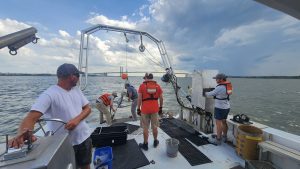
Researchers make urgent call for convergent interdisciplinary research to combat worsening crisis
News & Insights
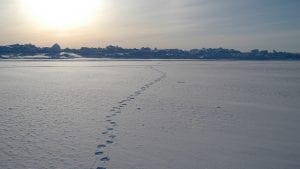
NSF program fosters collaboration between indigenous communities and traditional scientists, allowing WHOI’s autonomous vehicles to shed light on a changing Arctic
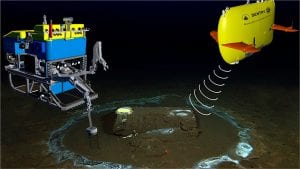
An investigative report this week in the LA Times features the work of WHOI’s marine geochemistry lab in identifying the discarded barrels and analyzing samples from the discovery.