
Research Highlights
Oceanus Magazine
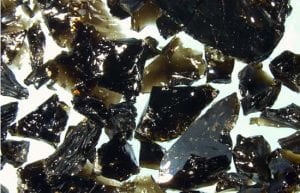
A research team led by Woods Hole Oceanographic Institution (WHOI) has uncovered evidence of explosive volcanic eruptions on the Arctic Ocean seafloor almost 2.5 miles deep. Scientists did not think volcanoes submerged under such intense water pressure were capable of…
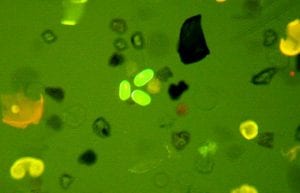
A research team led by scientists at Woods Hole Oceanographic Institution (WHOI) successfully predicted the widespread harmful algal bloom that materialized this year in New England coastal waters. The forecasting method offers officials and shellfish harvesters a new early warning…
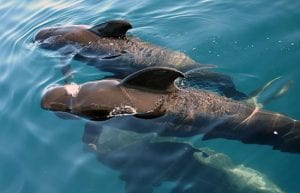
Scientists tag whales and find they sprint-dive to forage, hunting like undersea cheetahs.
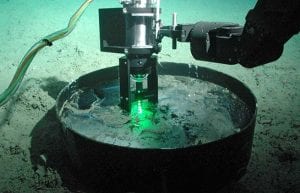
Much of what is surprising about the deep ocean results from the extraordinary conditions found there-frigid temperatures, crushing pressure, unusual chemical and biological processes, and the complete absence of sunlight. For those who study the deep sea, those extreme conditions…
News Releases
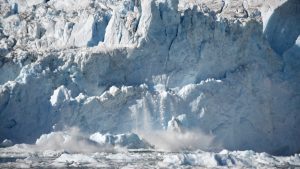
WHOI researchers use more than 15,000 satellite observations of ice cliffs to reduce uncertainty in future sea level rise projections
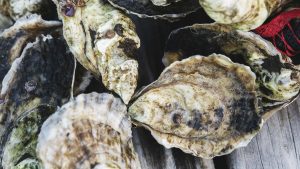
High-speed imaging reveals how oyster larvae’s dense shell helps them feed—and may offer clues to why ocean acidification threatens their survival
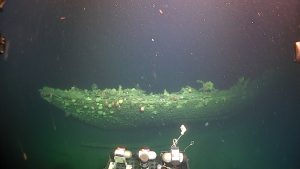
The Heroic Age Expedition, led by the Royal Canadian Geographical Society in partnership with Woods Hole Oceanographic Institution, reveals the famed Antarctic explorer’s last ship, Terra Nova in stunning detail
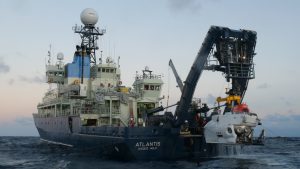
The Royal Canadian Geographical Society, in partnership with WHOI, will undertake “once-in-a-generation” expedition to survey Sir Ernest Shackleton’s Quest and Captain Robert Falcon Scott’s Terra Nova
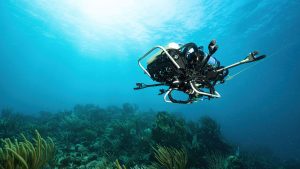
New underwater robot opens new possibilities in coral reef conservation by autonomously identifying biodiversity “hotspots”
News & Insights
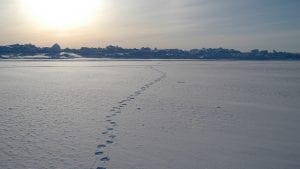
NSF program fosters collaboration between indigenous communities and traditional scientists, allowing WHOI’s autonomous vehicles to shed light on a changing Arctic
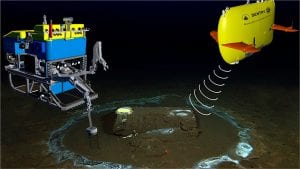
An investigative report this week in the LA Times features the work of WHOI’s marine geochemistry lab in identifying the discarded barrels and analyzing samples from the discovery.