
Research Highlights
Oceanus Magazine
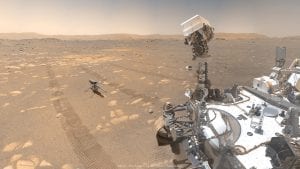
Navigation technology that helped NASA’s Perseverance rover land safely on Mars could guide robots in another unexplored terrain that’s much closer to home: the deepest trenches of the ocean.
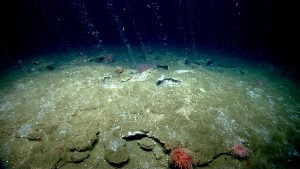
Researchers are developing on an energy harvesting platform that converts marine methane to electricity. The system could be an answer to power-hungry robots that are being asked to explore increasingly larger swaths of the ocean.
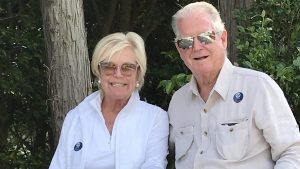
A grant from the Coleman and Susan Burke Foundation has allowed WHOI to make crucial investments in remote technology that enhance research innovation at sea. New video monitors aboard the R/V Neil Armstrong will allow scientists and crew to video conference throughout the ship or with colleagues on shore.
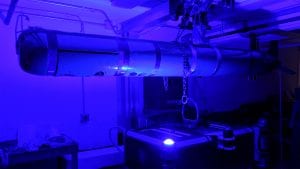
Researchers look to new seafloor earthquake detection systems for better detection and warning of seismic risk
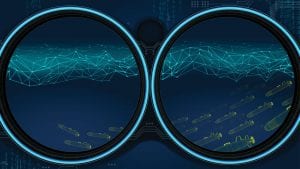
Once upon a time, ocean scientists hung up cans on up a tree on Bikini Atoll to measure wave height in the Marshall Islands during nuclear weapons testing. Today, ocean technologies and data harvesting are heading somewhere big, from swarming bots, to more autonomous submersibles, and the miniaturization of ocean sensors
News Releases
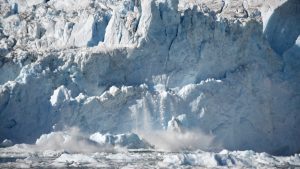
WHOI researchers use more than 15,000 satellite observations of ice cliffs to reduce uncertainty in future sea level rise projections
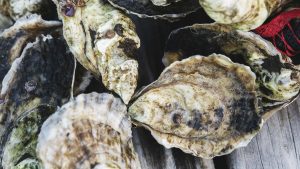
High-speed imaging reveals how oyster larvae’s dense shell helps them feed—and may offer clues to why ocean acidification threatens their survival
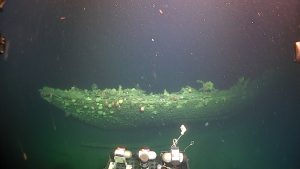
The Heroic Age Expedition, led by the Royal Canadian Geographical Society in partnership with Woods Hole Oceanographic Institution, reveals the famed Antarctic explorer’s last ship, Terra Nova in stunning detail
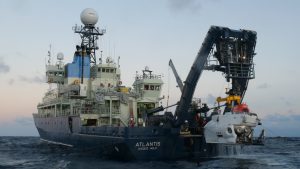
The Royal Canadian Geographical Society, in partnership with WHOI, will undertake “once-in-a-generation” expedition to survey Sir Ernest Shackleton’s Quest and Captain Robert Falcon Scott’s Terra Nova
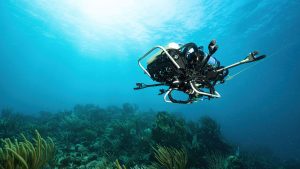
New underwater robot opens new possibilities in coral reef conservation by autonomously identifying biodiversity “hotspots”
News & Insights
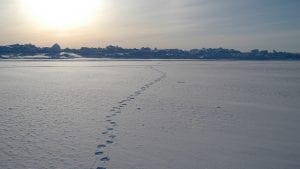
NSF program fosters collaboration between indigenous communities and traditional scientists, allowing WHOI’s autonomous vehicles to shed light on a changing Arctic
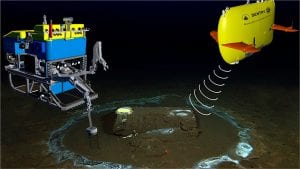
An investigative report this week in the LA Times features the work of WHOI’s marine geochemistry lab in identifying the discarded barrels and analyzing samples from the discovery.