
Research Highlights
Oceanus Magazine
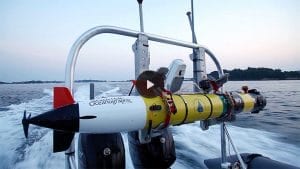
WHOI scientists create a robotic bloodhound to track and watch sea turtles in their inaccessible realm.
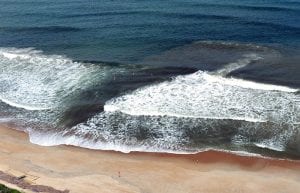
Rip currents claim more than 100 lives in the United States each year and are the leading cause of lifeguard rescues. Scientists created a large gash in the seafloor to learn more about their complex dynamics.
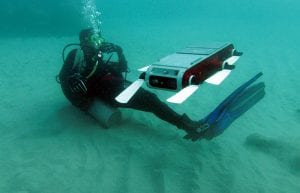
Some say it is lethal to cats. WHOI scientists say it would be a boon for autonomous undersea robots.
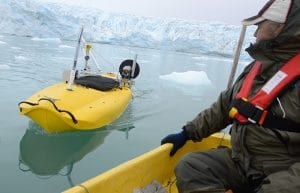
Oceanographers are always looking for cost-effective vehicles to help them explore risky regions. Scientists at WHOI have developed one: a robotic platform called the Jetyak.
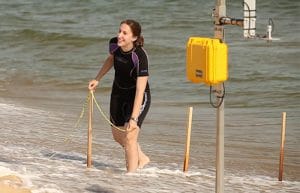
Scientists at Woods Hole Oceanographic Institution share their field-tested experience, training graduate students on methods and instruments to collect data in the coastal ocean.
News Releases
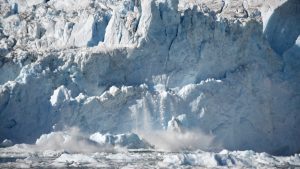
WHOI researchers use more than 15,000 satellite observations of ice cliffs to reduce uncertainty in future sea level rise projections
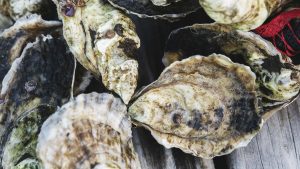
High-speed imaging reveals how oyster larvae’s dense shell helps them feed—and may offer clues to why ocean acidification threatens their survival
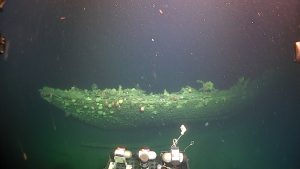
The Heroic Age Expedition, led by the Royal Canadian Geographical Society in partnership with Woods Hole Oceanographic Institution, reveals the famed Antarctic explorer’s last ship, Terra Nova in stunning detail
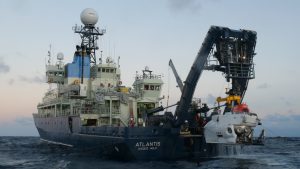
The Royal Canadian Geographical Society, in partnership with WHOI, will undertake “once-in-a-generation” expedition to survey Sir Ernest Shackleton’s Quest and Captain Robert Falcon Scott’s Terra Nova
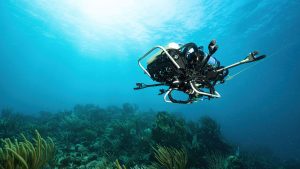
New underwater robot opens new possibilities in coral reef conservation by autonomously identifying biodiversity “hotspots”
News & Insights
NSF program fosters collaboration between indigenous communities and traditional scientists, allowing WHOI’s autonomous vehicles to shed light on a changing Arctic
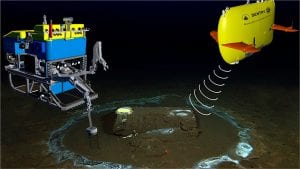
An investigative report this week in the LA Times features the work of WHOI’s marine geochemistry lab in identifying the discarded barrels and analyzing samples from the discovery.