
Research Highlights
Oceanus Magazine
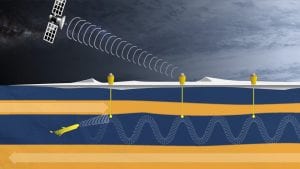
Researchers at Woods Hole Oceanographic Institution developed a new communication and navigation system that works over long distances under Arctic sea ice, allowing scientists to use autonomous underwater vehicles to explore the ice-covered Arctic Ocean.
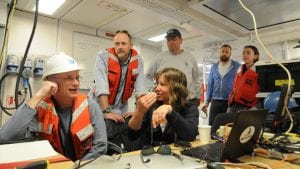
“All right, Mr. Brickley, the show begins at two o’clock,” John Kemp announced as he entered the ship’s main lab on Saturday afternoon. Kemp is the deck operations leader for our expedition aboard Woods Hole Oceanographic Institution’s research vessel Neil…
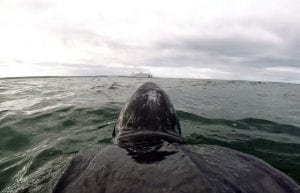
A WHOI engineer and biologist devise an autonomous system to track and film sea turtles beneath the surface, revealing a turtle’s eye view of the world.
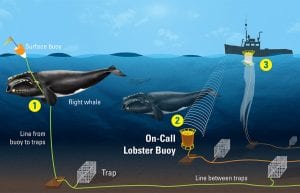
WHOI engineers are developing a new kind of lobster trap buoy that could help keep whales from getting tangled in fishing gear. Click on the numbers above to learn more. On a mobile device? Click here for mobile version. Go back to…
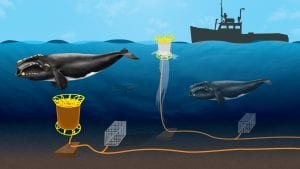
WHOI engineers are developing a new kind of lobster trap buoy that could help keep whales from getting tangled in fishing gear.
News Releases
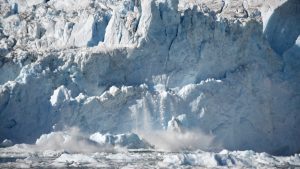
WHOI researchers use more than 15,000 satellite observations of ice cliffs to reduce uncertainty in future sea level rise projections
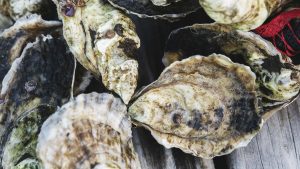
High-speed imaging reveals how oyster larvae’s dense shell helps them feed—and may offer clues to why ocean acidification threatens their survival
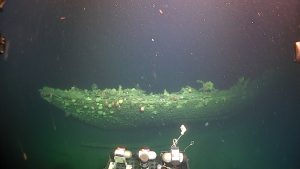
The Heroic Age Expedition, led by the Royal Canadian Geographical Society in partnership with Woods Hole Oceanographic Institution, reveals the famed Antarctic explorer’s last ship, Terra Nova in stunning detail
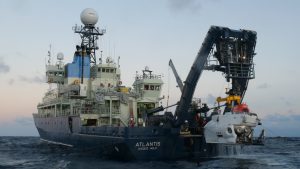
The Royal Canadian Geographical Society, in partnership with WHOI, will undertake “once-in-a-generation” expedition to survey Sir Ernest Shackleton’s Quest and Captain Robert Falcon Scott’s Terra Nova
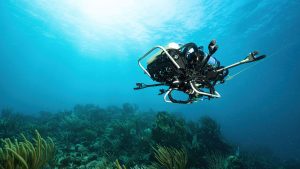
New underwater robot opens new possibilities in coral reef conservation by autonomously identifying biodiversity “hotspots”
News & Insights
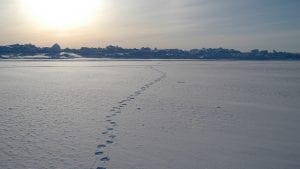
NSF program fosters collaboration between indigenous communities and traditional scientists, allowing WHOI’s autonomous vehicles to shed light on a changing Arctic
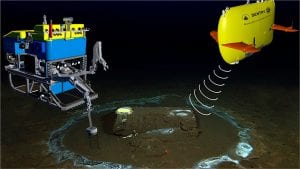
An investigative report this week in the LA Times features the work of WHOI’s marine geochemistry lab in identifying the discarded barrels and analyzing samples from the discovery.