
Research Highlights
Oceanus Magazine
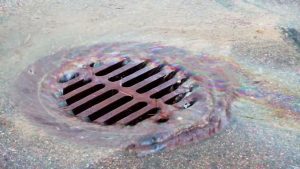
Evidence shows that smaller leaks on land contribute far more oil to our oceans

WHOI scientists explain how the ocean mitigates climate change—and could be compromised by it
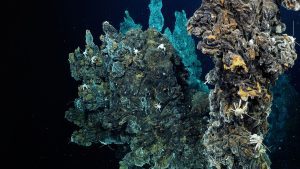
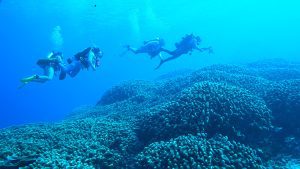
WHOI’s Reef Solutions team journeys to the world’s largest coral colony

Through a surprising and successful partnership, WHOI and Eastman scientists are reinventing what we throw away
News Releases
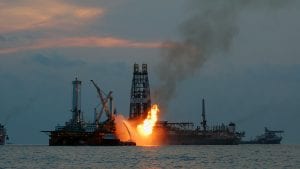
A study published Aug. 28, 2017, in the Proceedings of the National Academy of Sciences adds a new dimension to the controversial decision to inject large amounts of chemical dispersants immediately above the crippled oil well at the seafloor during the Deepwater Horizon disaster in 2010. The dispersants may have significantly reduced the amount of harmful gases in the air at the sea surface’diminishing health risks for emergency responders and allowing them to keep working to stop the uncontrolled spill and clean up the spilled oil sooner.
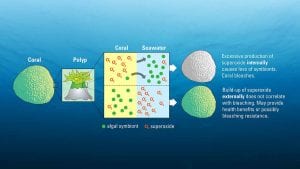
A new study from WHOI indicates that superoxide’a natural toxin believed to be the main culprit behind coral bleaching’may actually play a beneficial role in coral health and resilience.
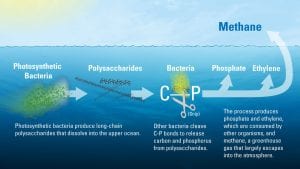
A new study may have cracked the longstanding ‘marine methane paradox,’ finding that the answer may lie in the complex ways that bacteria break down substances excreted into seawater by living organisms.
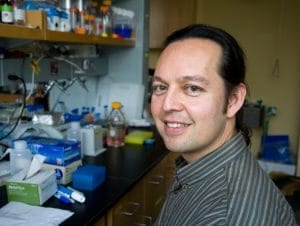
The Camille and Henry Dreyfus Foundation selected Mak Saito, a biogeochemist at Woods Hole Oceanographic Institution (WHOI), as one of eight awardees of a 2016 Postdoctoral Program in Environmental Chemistry grant.
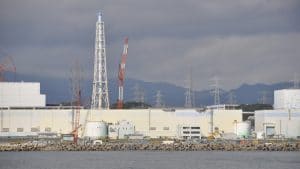
Five years after the Fukushima accident, scientific data about the levels of radioactivity in the ocean off our shores are available publicly thanks to ongoing efforts of independent researchers, including WHOI radiochemist Ken Buesseler, who has led the effort to create and maintain an ocean monitoring network along the U.S. West Coast.
News & Insights
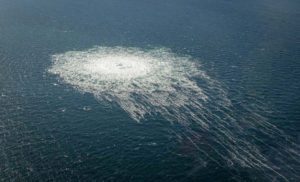
WHOI marine chemist Chris Reddy weighs in on a methane leak in the Baltic Sea
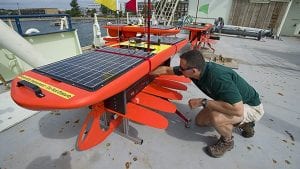
WHOI geochemist Chris German pairs an autonomous surface vehicle (ASV) called a Wave Glider with other vehicles to expand research here and on other Ocean Worlds
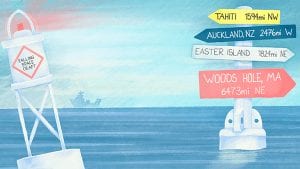
Researchers investigate dust from the ocean’s farthest point from land to reconstruct the climactic history of the Southern Hemisphere, and understand how micronutrients have influenced biological productivity in this oceanic desert.
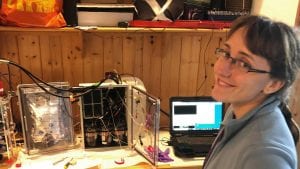
WHOI-MIT joint program student outfits her basement to do vital work on a marine carbon sensor