By Alison Pearce Stevens | September 15, 2026
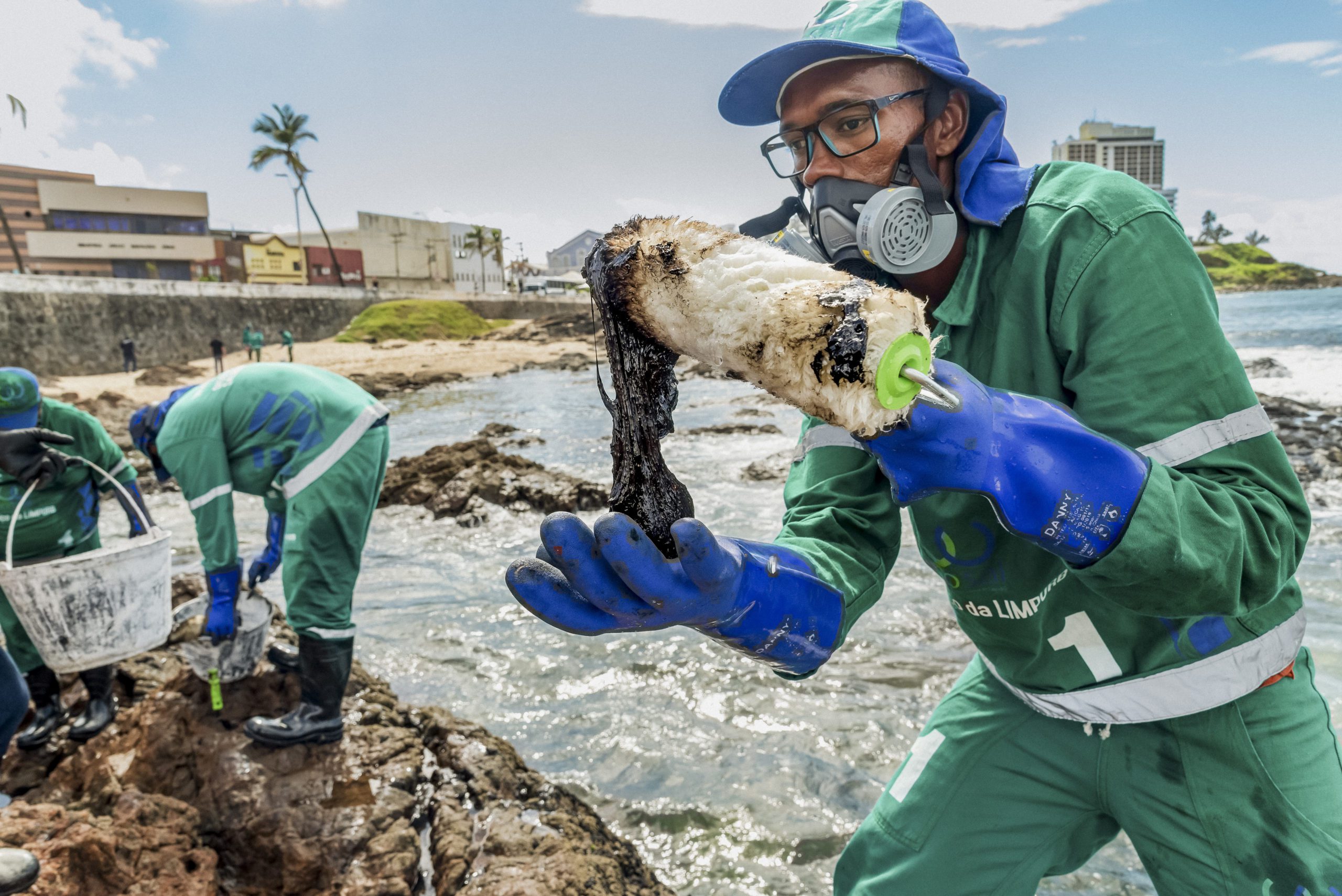
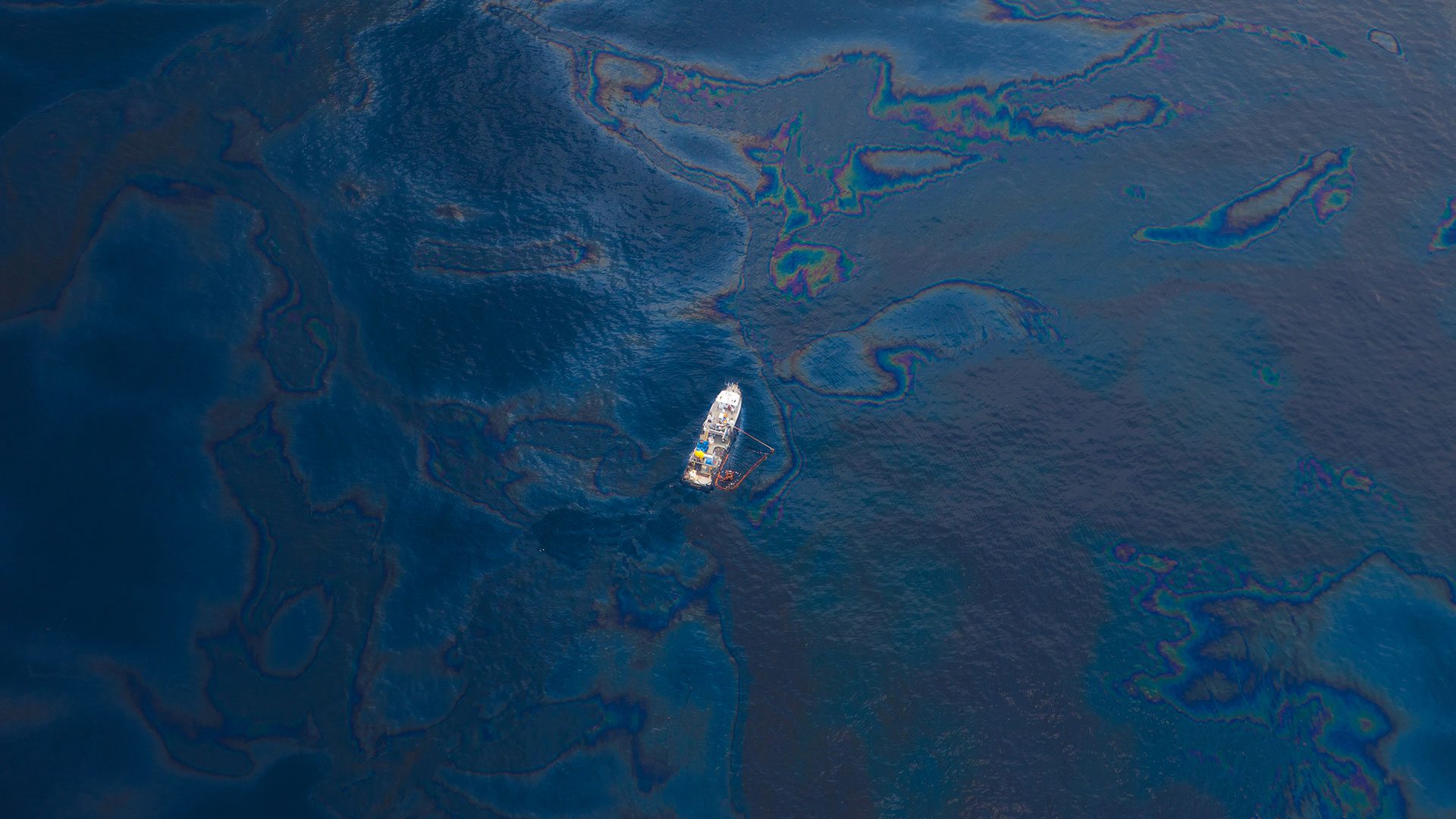
In 2010, an explosion at the Deepwater Horizon drilling rig led to the biggest accidental oil spill in history. For three months, millions of gallons of oil spewed from the broken well deep below the water’s surface, coating marine life with oil and upending livelihoods along the Gulf coast. Faced with photos of oil-soaked beaches and animals, it’s easy to think events like these are the main source of oil in the ocean. But evidence shows that the chronic accumulation of small leaks on land pose a much bigger threat to the world’s waters.
That’s not to say that big spills like Deepwater Horizon aren’t a problem when they happen. “Those spills have incredible impacts on ecosystems and local communities that rely on these ecosystems,” said Collin Ward, a marine geochemist at Woods Hole Oceanographic Institution. “They're lingering, too. They can last for decades, especially for the communities.”
Large events have become less common in recent decades, thanks to improvements in safety and technology, but as long as we continue to extract oil and move it around in ships and pipelines, big spills will continue to be a risk. “It's inevitable that another big one is going to happen, it's just a question of when and where,” Ward said. Despite their size, major spills contribute only a small amount of pollution to our oceans.

An airplane sprays chemical dispersants on an oil slick in the Gulf of Mexico during the 2010 Deepwater Horizon oil spill. (Photo courtesy of Stephen Lehmann, © U.S. Coast Guard)
The bigger problem: everyday oil pollution
The biggest risk comes from chronic inputs of oil, most of it washing into the ocean from land. In an average year without a major spill, land-based inputs contribute about 100 times more oil than spills. In years with major oil spills, land-based sources of oil still contribute about 20 times more oil to the ocean. Most of this comes from transportation—oil and other fluids leaking from cars and trucks, tire wear, deicing compounds, and other pollutants. People who wash their cars at home send these pollutants into storm sewers (many commercial car washes capture, clean, and reuse water, which reduces this source of input). Asphalt roads and roof coatings also contribute. “Asphalt pavement is about 5% oil and 95% stone,” Ward said. Not all of that oil stays put.
From our streets to the sea
Even pollutants released into the air, including vehicle exhaust and industrial emissions, eventually wind up in the sea. Raindrops and snowflakes absorb these contaminants as they fall through the air. Once precipitation reaches the ground, runoff picks up additional contaminants as it flows over the surface, carrying a wide assortment of pollutants downstream and, eventually, to the ocean.
Coastal regions with large, densely populated cities contribute vast quantities of oils and other petroleum-based contaminants to the ocean. “Generally speaking, the more urbanized a setting, the more hydrocarbons you have in the aquatic system that drains it,” Ward said.
Rainbow oil slicks that coat parking lots after a downpour might look pretty, but they wind up in nearby streams, lakes, and rivers, where they harm aquatic life. And when those rivers empty into the ocean, bits of oil from leaky engines upstream can cause damage to far-flung marine ecosystems.
The hidden toll on marine life
We know from major oil spills that exposure to oil’s toxic compounds causes a wide variety of health problems. Inhalation can lead to pneumonia, ingestion injures the gut, and as the kidneys and liver work to remove toxins from the body, they get damaged in the process. Those effects happen during major spills, when animals are covered with oil and suffer the impacts.
Long-term exposure to low levels of pollutants is less well understood. “Chronic exposure presents other risks that are poorly characterized,” Ward said. “We need more work done in this space” to understand the impacts. Plants and animals don’t suffer immediate, obvious harm, which is why it’s easy to overlook. But constant exposure can still create long-term health problems for marine organisms and the ecosystem as a whole.
Slowing the flow
So how can we reduce land-based inputs to the ocean? Stop the leaks and slow the flow. “Anytime you can slow the movement of water from where the contaminants were to where they're going, whether it be the river, or whether it be the ocean, you increase the amount of time that those molecules can be processed naturally,” Ward said.
Directing stormwater into retention ponds would allow pollutants time to settle out before the water continues downstream. Pervious pavers and concrete prevent excessive runoff by allowing stormwater to soak through the hard but permeable surface. This not only removes pollution from the surface, it also recharges groundwater supplies, which are dwindling in many locations.
To employ the best solutions, we need to understand the problem. We have “these daily spills that occur that are having impacts that we cannot actually take the pulse of, because we're not even monitoring a lot of them,” Ward said. But as these smaller everyday oil spills get more attention, we can find new ways to reduce them, which would benefit people and the planet alike.
Overview
Small oil leaks from cars, roads, rooftops, and other land-based sources send far more petroleum into the ocean than major spills. Understanding these chronic inputs—and slowing polluted runoff—could help reduce long-term harm to marine ecosystems.
Key takeaways
- Land-based sources contribute about 100 times more oil to the ocean than spills in years without a major spill.
- Oil and other pollutants from vehicles, roads, rooftops, and urban runoff can travel through rivers and stormwater to the ocean.
- Reducing polluted runoff through measures such as retention ponds and permeable surfaces could limit chronic oil pollution and its long-term effects.