 This article printed in Oceanus Summer 2026
Estimated reading time: 13 minutes
Stretching over 2 miles (3.2 kilometers) long and plunging more than 11,400 feet (around 3,500 meters) deep, the Mar del Plata Canyon lies about 186 miles (300 kilometers) off the coast of Argentina.
Despite the canyon’s relative obscurity, for three weeks in the summer of 2025, images livestreamed from its depths captivated residents of Argentina. From Buenos Aires to rural towns high in the Andes Mountains, residents tuned in to watch as the remotely operated vehicle (ROV) SuBastian documented the canyon’s sea life, including fluorescent octopuses, mesmerizing sea cucumbers, and even a pink sea star reminiscent of the much-loved SpongeBob SquarePants character Patrick.
“We did not expect the trip to go viral,” said Johanna Weston, deep-sea biologist and guest investigator at Woods Hole Oceanographic Institution (WHOI). Traveling aboard the research vessel Falkor (too), Weston had sailed to the Mar de Plata Canyon to test her newly designed sampler DeepZoo, an instrument designed to collect larval and early-stage animals from the deepest reaches of the ocean. But as the expedition’s international team documented and sampled the canyon’s biodiversity, the ROV’s livestream unexpectedly captured national attention.
“Around 80,000 people tuned in to the livestream at its peak,” said Weston. “17.5 million people watched total over three weeks.” Three-quarters of them were Argentinians, captivated by the canyon’s splendor, a sense of national pride, and in protest of their government’s recent slashes to science funding. The mixture of politics, collective wonder, and scientific achievement felt “analogous to the moon landing,” according to Weston.
The deep ocean, so often out of sight and out of mind, had suddenly captured national attention. For Weston, the experience raised a question: Could you make a moment like this last? Could you turn these moments of wonder into a lasting connection?
Misperceiving the deep
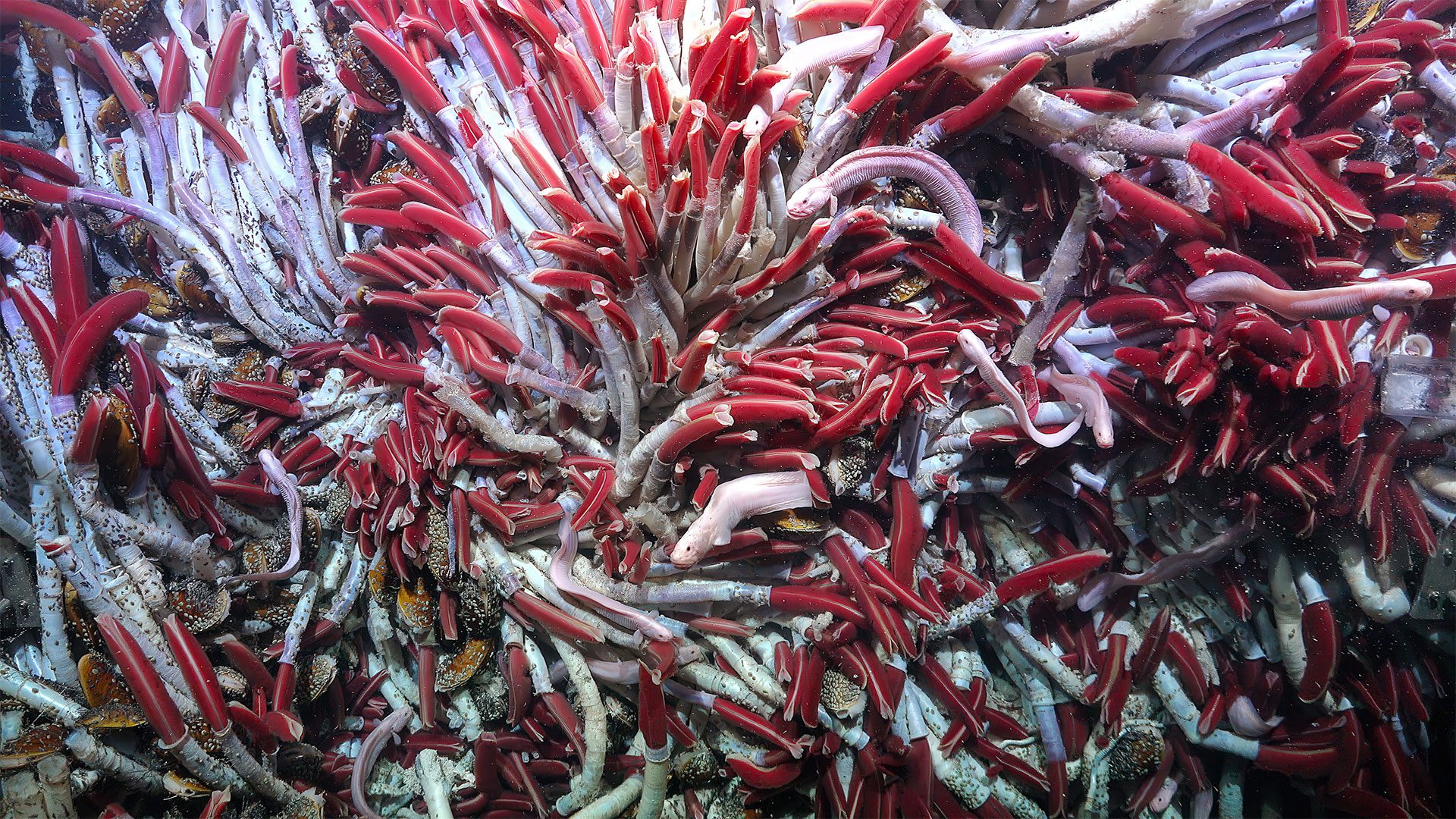
“We tend to speak of the deep in these scary tropes,” said Weston. “We call deep-sea life creatures and not animals,” she said, referring to our tendency to alienize this environment. Weston studies the hadal zone, areas of the ocean below 6,000 meters (around 19,700 feet). Cold, pitch-black, and crushingly dense, the deep ocean can seem incredibly hostile to our terrestrial sensibilities. In an environment where temperatures hover just above freezing and pressure can exceed 15,000 psi, survival requires dramatically different adaptations. Despite its hostility, it is home to a dazzling array of life, with physical and geological systems that rival terrestrial and atmospheric phenomena.
The deep ocean is the world’s largest biome. Ninety percent of the ocean lies beneath 200 meters (659 feet). Given that 71% of Earth’s surface (and 99% of its habitable space) is ocean, the deep sea is a vast and formidable environment whose influence extends from large-scale planetary physics down to our very own health and DNA.
The ocean twilight zone (OTZ), an area of the deep ocean between 200 and 1,000 meters (approximately 650 and 3,300 feet), sequesters between 2 and 6 billion metric tons of carbon every year—more than twice the amount of carbon dioxide emitted by automobiles worldwide. The majority of drawdown occurs through the ocean’s biological carbon pump, in which sinking organic matter and migrating marine life transport carbon from surface layers into the deep ocean. The deep also stores the vast majority of the ocean’s excess heat from climate change, helping to slow the pace of surface warming. It is also a major reservoir for nutrients and trace metals that shape surface productivity, phytoplankton growth, and, by extension, the entire marine food web. A 2025 WHOI-led study found that swordfish, yellowfin, and bigeye tuna rely substantially on mesopelagic prey, even though they spend relatively little time in the OTZ.
Much of our understanding of the deep, however, is still relatively new compared to other disciplines of ocean science. “When I went to college 30 years ago, we were taught that nothing really happened in the deep ocean—that it was a very quiet place, not very dynamic, and not very interesting,” said Viviane de Menezes, physical oceanographer at WHOI. Using tools like Deep SOLO, part of the Deep Argo global array of floating robots that collect information about the physical state of the deep, de Menezes explores ongoing changes to the Antarctic bottom water and connected currents. The Antarctic bottom water plays an important role in ocean circulation, and changes in this region can significantly impact long-term climate patterns. It’s only in the last few decades, de Menezes explained, that we’ve begun to challenge this perception of the deep, driven by advances in robotics and instrumentation as well as increased long-term observational data.
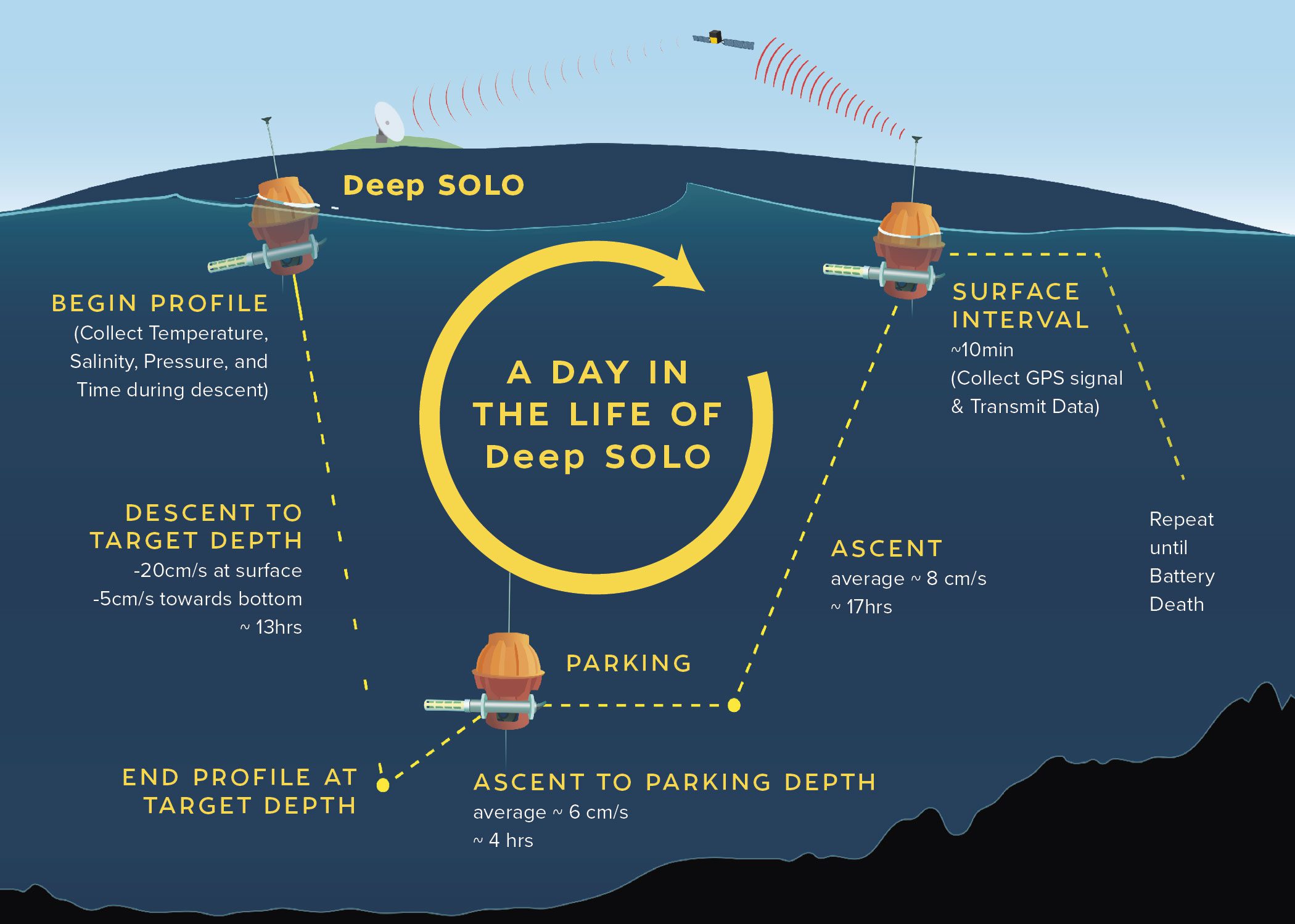
As part of the Deep Argo program, Deep SOLO (Sounding Oceanographic Lagrangian Observer) floats are advanced autonomous robots that dive to depths of up to 6,000 meters, measuring temperature, salinity, and sea pressure during their descent. Their descent is slow, taking about 13 hours to reach the bottom. A bottom-detection system helps the float get very close to the seafloor without hitting it. After reaching the target near the seafloor, the float ascends to a
predetermined “parking” depth chosen by the user. At the parking depth, the float drifts with the ocean currents for several days. Once the drifting period ends, the float rises to the surface and transmits the collected data to land via satellite. Then it dives again, repeating this cycle until its battery runs out. While at the surface, land-based users can send commands and adjust the float’s settings in real time.
As part of the Deep Argo program, Deep SOLO (Sounding Oceanographic Lagrangian Observer) floats are advanced autonomous robots that dive to depths of up to 6,000 meters, measuring temperature, salinity, and sea pressure during their descent. Their descent is slow, taking about 13 hours to reach the bottom. A bottom-detection system helps the float get very close to the seafloor without hitting it. After reaching the target near the seafloor, the float ascends to a predetermined “parking” depth chosen by the user. At the parking depth, the float drifts with the ocean currents for several days. Once the drifting period ends, the float rises to the surface and transmits the collected data to land via satellite. Then it dives again, repeating this cycle until its battery runs out. While at the surface, land-based users can send commands and adjust the float’s settings in real time.
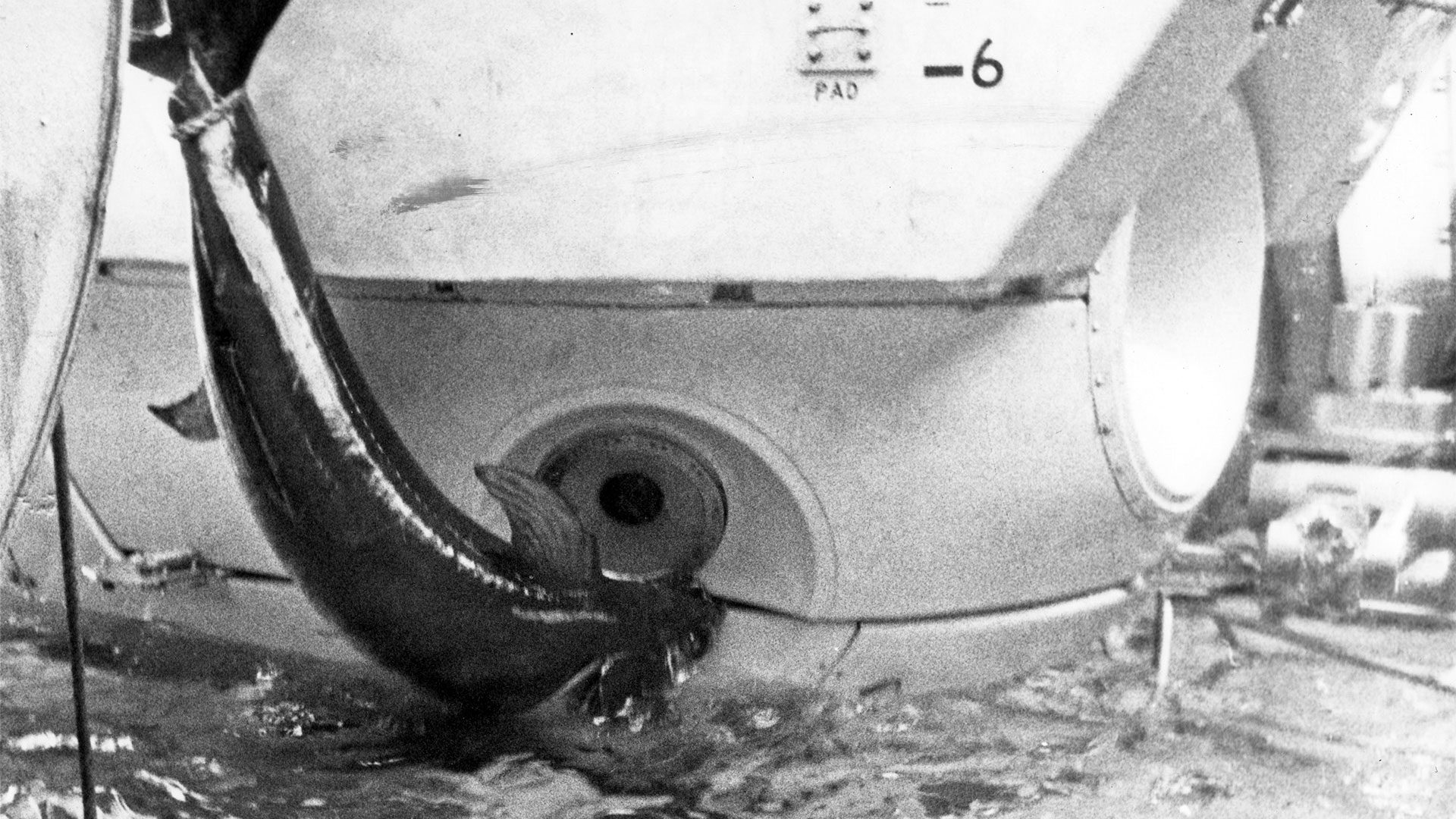
WHOI scientists and engineers have played a central role in opening access to the deep ocean and sustaining the long-term research needed to understand it. In the 1960s, WHOI’s human-occupied submersible Alvin provided some of the first direct observations and samples of the deep. Then in the 1970s, WHOI scientists and vehicles helped discover the first hydrothermal vents and microbial communities—a discovery that fundamentally changed our understanding of life. The finding confirmed that organisms could produce energy through chemical extraction, or chemosynthesis, and overturned the assumption that all life must be fueled, in some way, by sunlight and photosynthetic processes. In the decades that followed, new instruments, including early autonomous vehicles such as WHOI’s Autonomous Benthic Explorer (ABE) and later the autonomous underwater vehicle Sentry, expanded scientists’ ability to map, monitor, and study deep-sea environments.
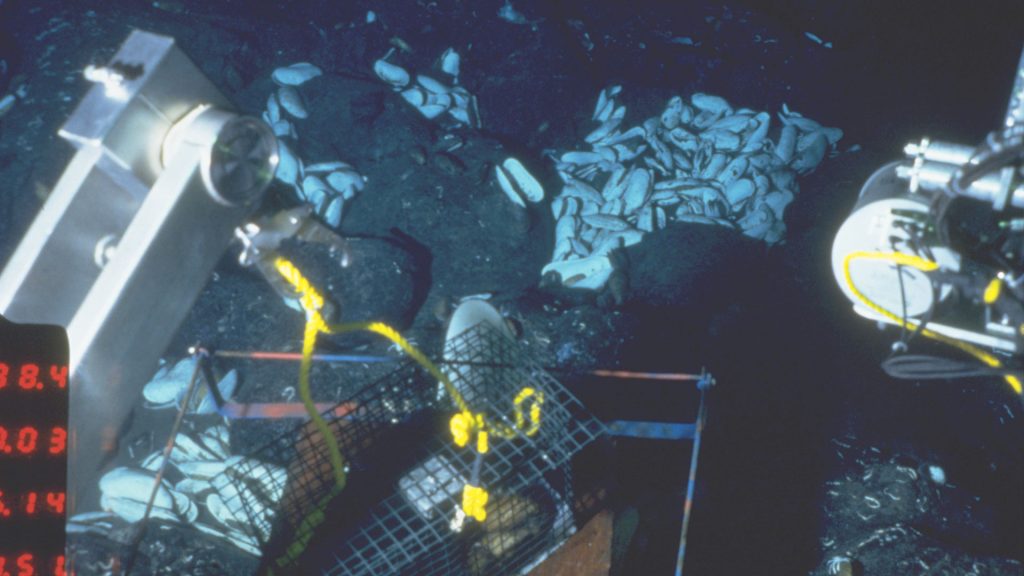
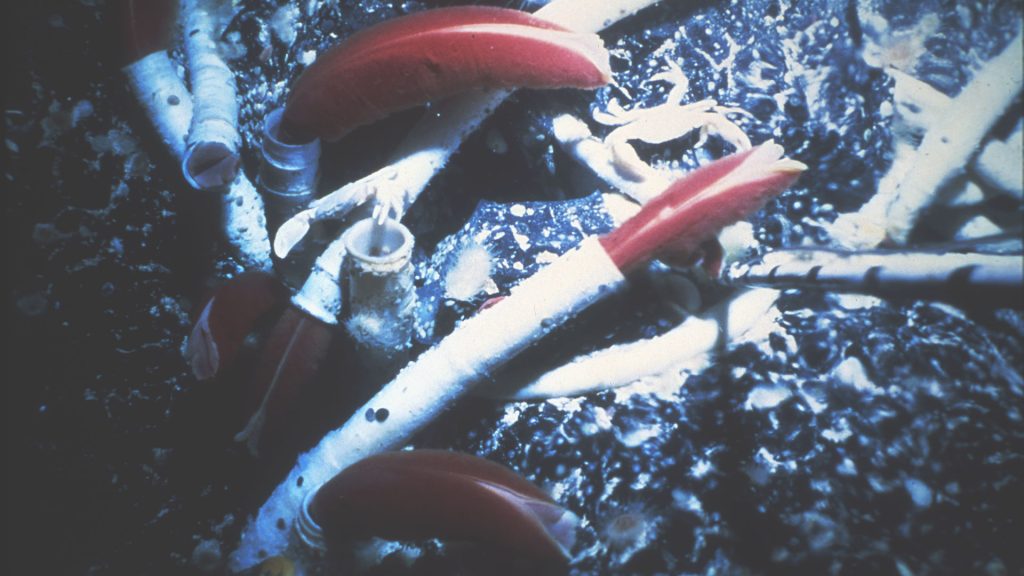
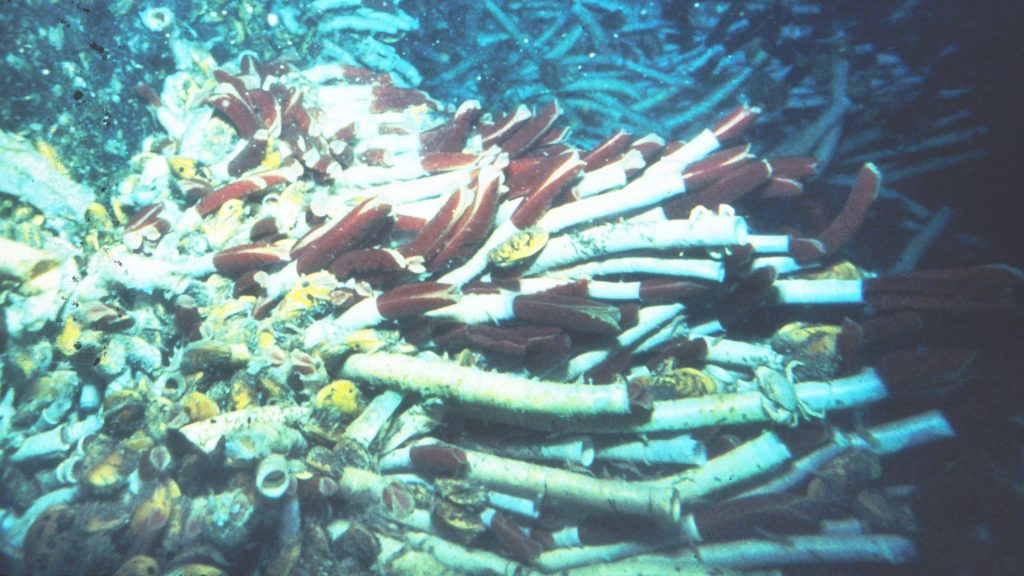
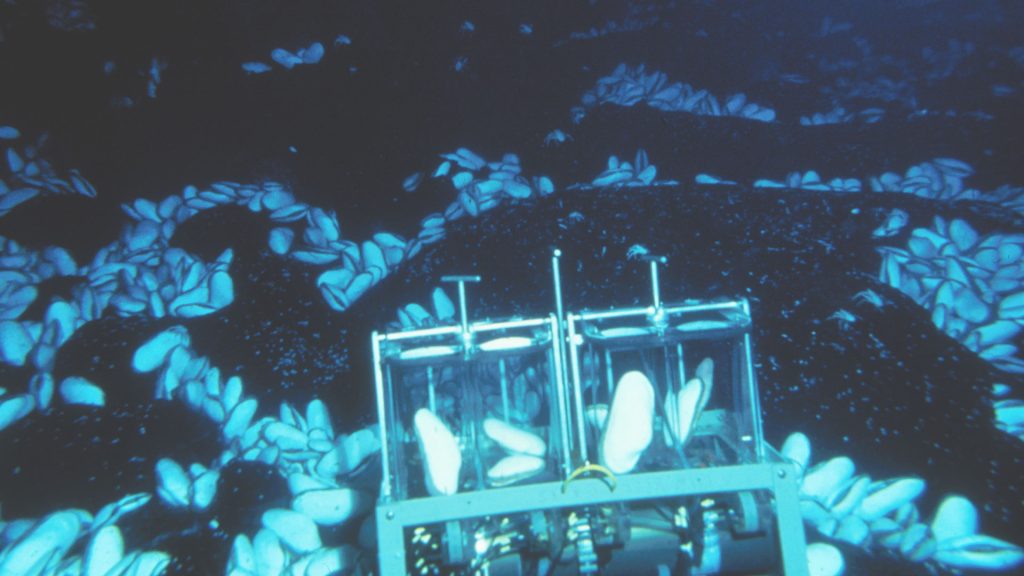
Photos taken during the discovery of deep-sea vents (c. 1977). (Photo courtesy of WHOI Archives © Woods Hole Oceanographic Institution)
During that same time, WHOI’s integrated field sites and long-term studies have helped uncover and understand some of the deep ocean’s more enduring processes that unfold over years and even decades. “Signals in the deep ocean move slowly,” said de Menezes. “Much slower than at the surface.”
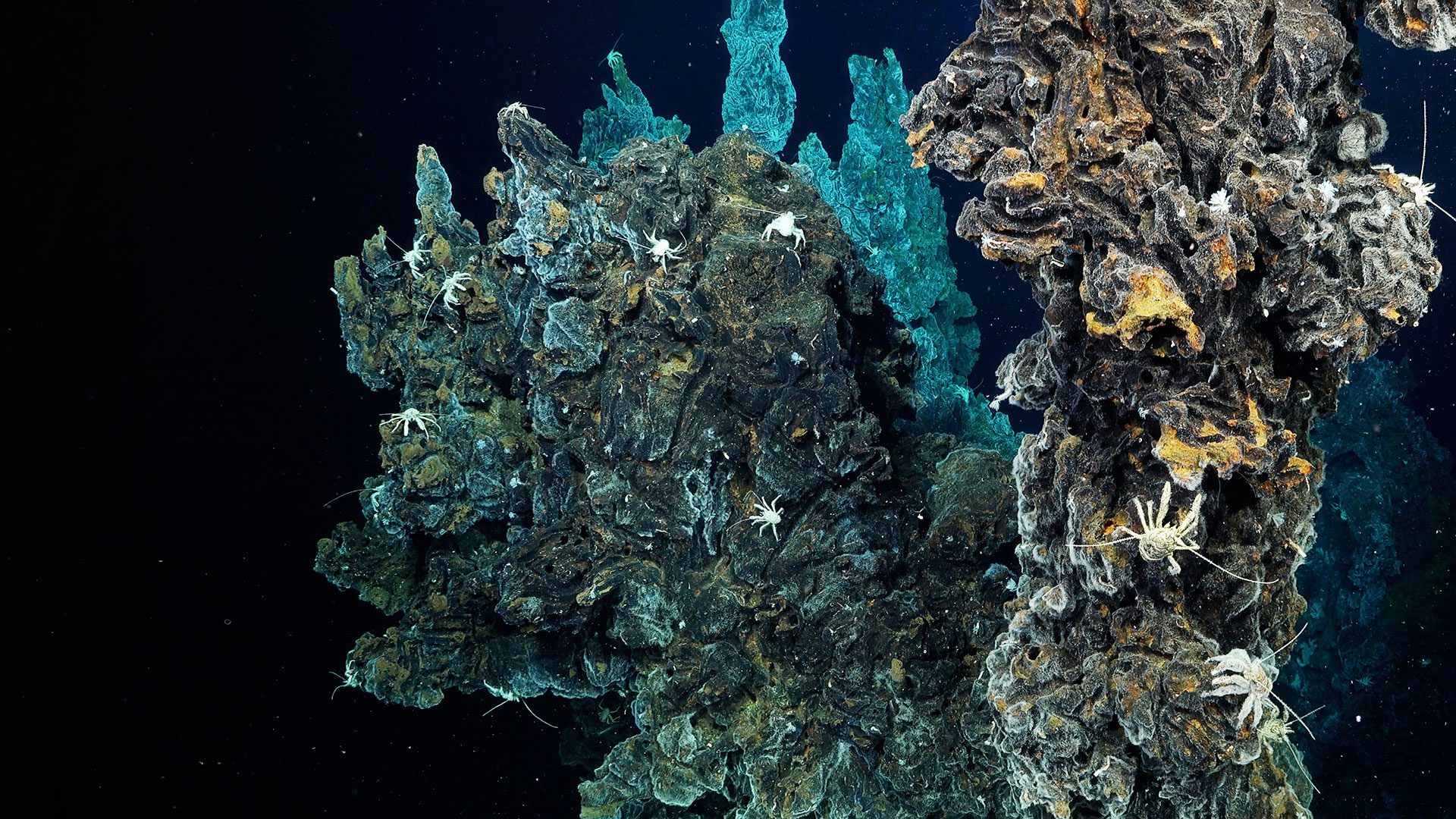
That extended timeline is on display at the East Pacific Rise near 9° north, where WHOI has been conducting research for more than 30 years. Since 1991, WHOI marine geologist and Emeritus Research Scholar Dan Fornari and his team have continually returned to this fast-spreading mid-ocean ridge to document geochemical, geophysical, and biological properties. Studies from this region have delivered key insights into our planet’s volcanism, plate tectonics, and even biology. Repeated transect surveys of the site have documented how eruptions periodically impact the vent field, and how deep-sea biological communities undergo succession that can take decades to stabilize.
The more we learn about the deep ocean, the more we see that even its most obscure parts have rippling impacts on the rest of the planet.
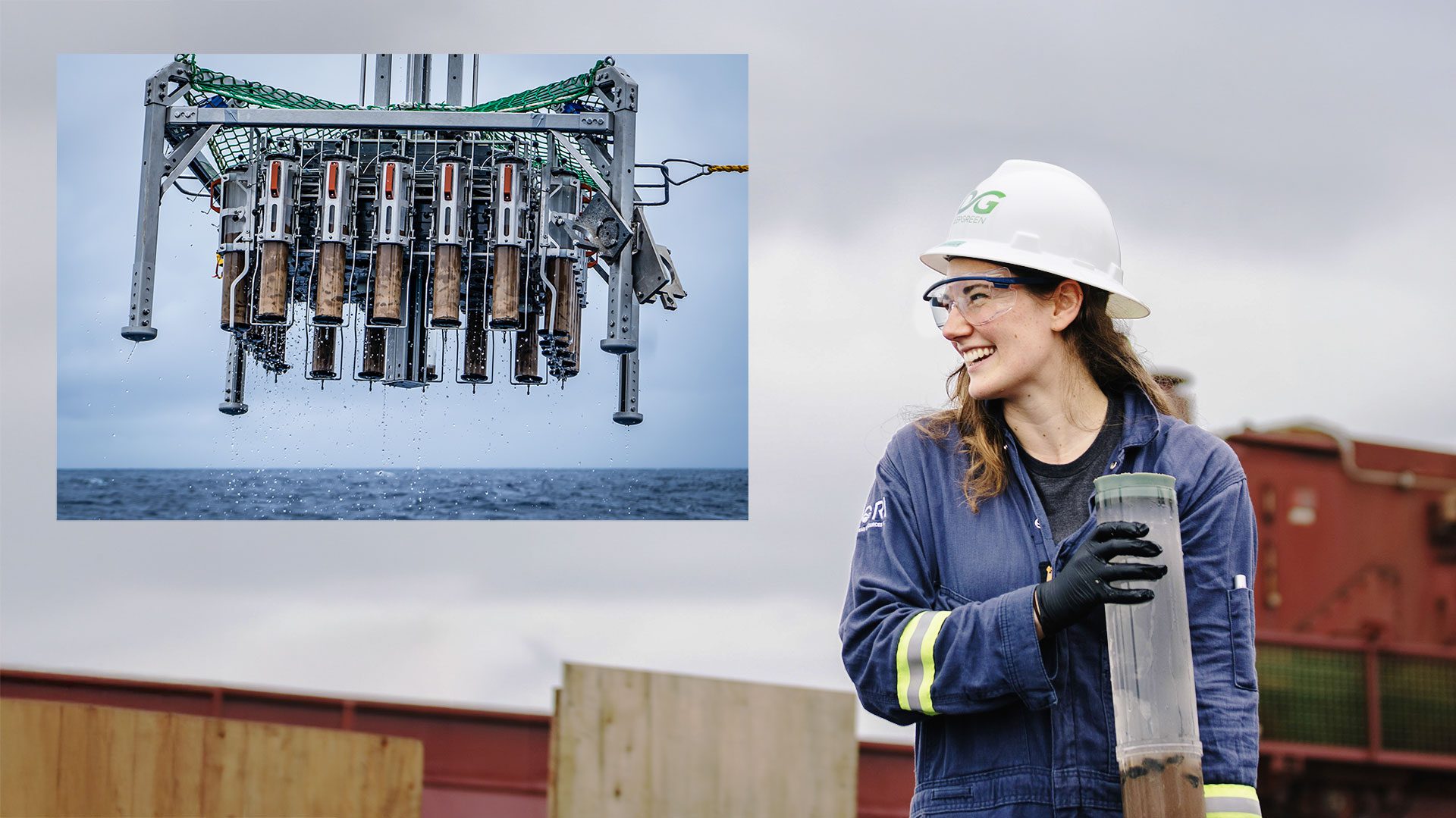
“What we’re increasingly finding is that the surface ocean doesn’t exist in isolation from what’s going on much deeper down,” said Andy Heard, geophysicist at WHOI. Part of Heard’s research examines how chemical exchanges between the seafloor, sediments, and the ocean regulate metal cycles and even oxygen production during Earth’s Great Oxygenation Event, one of the turning points in our planet’s history that made complex life possible.
It’s only in the last 10 years, Heard explained, that scientists have uncovered the extent of hydrothermal influence on ocean productivity and climate mitigation. Iron released from hydrothermal vents can “travel thousands of kilometers through the ocean,” fertilizing surface waters far from its source. In some parts of the ocean, this deep-ocean iron supply may influence as much as 15–30% of biological carbon export, meaning accurate climate projections depend on refining our nascent understanding of hydrothermal processes and mineral transport.
“What we’re increasingly finding is that the surface ocean doesn’t exist in isolation from what’s going on much deeper down.” —Andy Heard, geophysicist at WHOI
Even the sediment on the ocean floor has an outsized influence on the planet. “Scientists used to think of the seafloor as a garbage bin,” said Ann Dunlea, marine geochemist at WHOI. While it is a collection point for detritus and precipitate from processes above, it can also reveal a trove of information about our larger planet and its history. One of Dunlea’s areas of interest is pelagic clay taken near Point Nemo, the oceanic “pole of inaccessibility,” or the farthest you can get from dry land. In 2017, she and her colleagues found that the formation of this clay may have played a large role in past periods of planetary cooling and heating. As the clay precipitates out of seawater, the water’s alkalinity changes and, in turn, reduces or accelerates the ocean’s ability to pull carbon dioxide from the atmosphere.
Given the role of hydrothermal vents and pelagic clays in regulating carbon dioxide over long timescales, many scientists are studying these processes to inform marine carbon dioxide removal (mCDR) strategies. Safely mimicking these processes for climate mitigation, however, depends on a strong understanding of the deep ocean and its connected systems.
From discovery to application
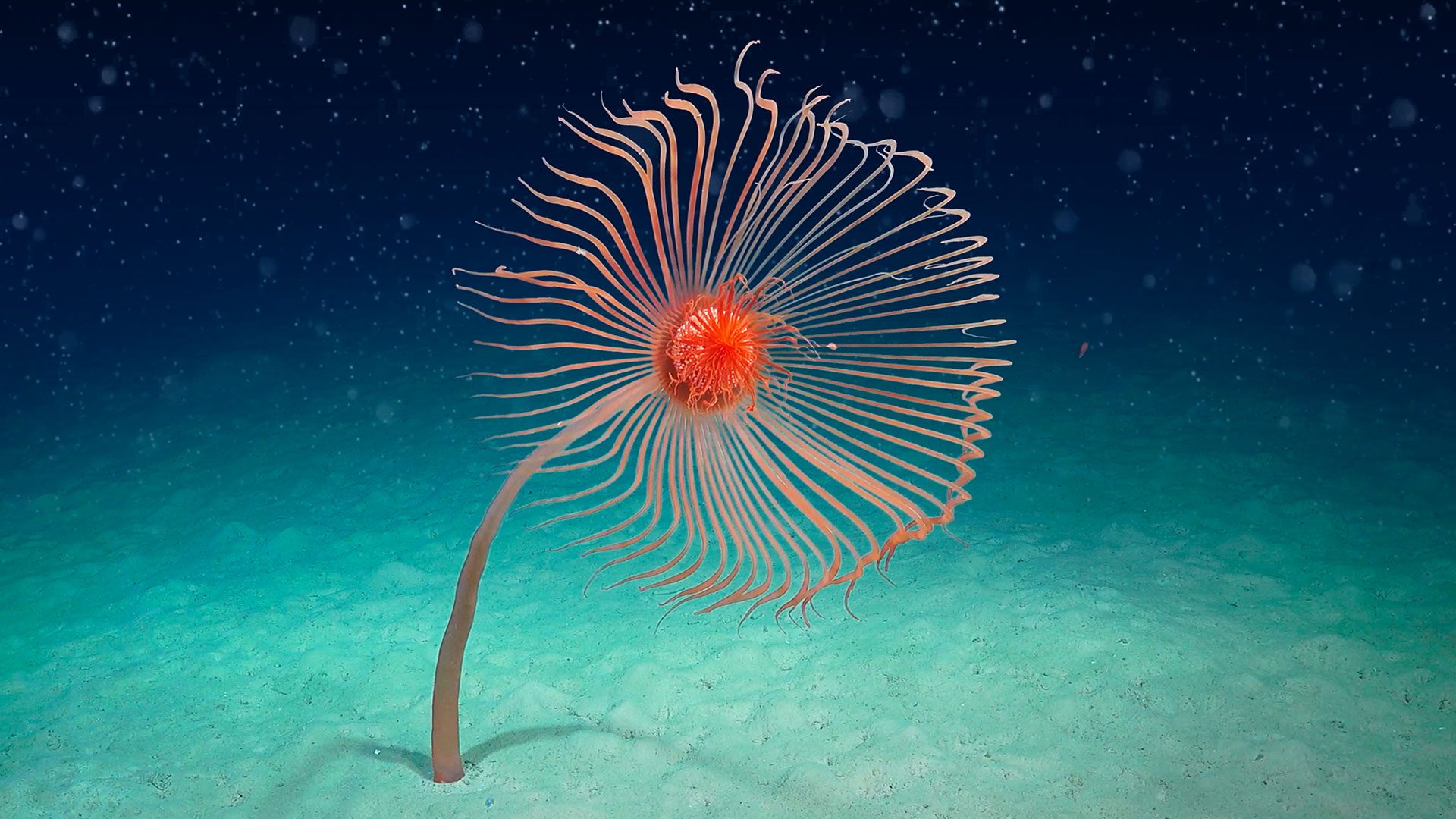
There’s still a lot we don’t know about the biological, physical, chemical, and geological processes of the ocean. Roughly 5% of the deep ocean has been explored with remote sensing, and less than 0.01% of the deep seafloor has been sampled and studied in detail. Of the approximately 2 million species estimated to live in the ocean, 91% remain unclassified, according to researchers at the World Register of Marine Species. A good portion of these unknown species are deep-sea extremophiles, organisms uniquely evolved to survive the world’s harshest environments.
Expeditions like Johanna Weston’s are slowly reducing the number of unknown species. Her trip to the Mar del Plata Canyon, in conjunction with colleagues at Schmidt Ocean Institute and Argentina’s National Scientific and Technical Research Council (CONICET), documented an estimated 40 new species of deep-sea life.
While these discoveries continue to teach us about the deep’s complex biology and diversity, they also have practical applications for life at the surface. Many healthcare and biotechnology tools trace their origins to the genetic material of organisms in the deep ocean, including the polymerase chain reaction (PCR), the technique behind COVID-19 testing, and green fluorescent protein (GFP) for visualizing cellular processes in real time. Scientists “genomically mine” extremophile DNA for applications ranging from antibiotics and anticancer drugs to industrial enzymes capable of breaking down pollutants like asbestos and hydrocarbons.
“A sustainable balance allows societies to benefit from ocean resources without destroying the very systems that support them. Often, that relationship is off balance because the value of the ecosystem is undervalued and poorly understood.”
—Di Jin, economist at WHOI's Marine Policy Center
Interest in the deep is accelerating as nations and industries push into deeper waters in pursuit of resources, scientific discovery, and national security interests. In January 2026, the United States updated regulations under the Deep Seabed Hard Mineral Resources Act (DSHMRA) to accelerate permitting for seabed mining and consolidate the application process for exploration and commercial recovery. Meanwhile, scientists have raised concerns about the potential unintended consequences of accelerated commercial activity in the deep.
Acting without a complete understanding of this unique environment amplifies the risks associated with human activity in the deep. “The goal is achieving sustainability,” said Di Jin, senior scientist and economist at WHOI’s Marine Policy Center. As a steering member of WHOI’s OTZ committee, Jin studies how economic valuation and policy decisions shape the use and management of deep-ocean ecosystems. A sustainable balance allows societies to benefit from ocean resources without destroying the very systems that support them. Often, that relationship is “off balance because the value of the ecosystem is undervalued and poorly understood,” said Jin.
In the deep, disturbances may persist for decades or centuries, and the science needed to evaluate those impacts is still emerging. Any policy or action in the deep needs to be grounded in independent and transparent research and observation.
A more accessible deep
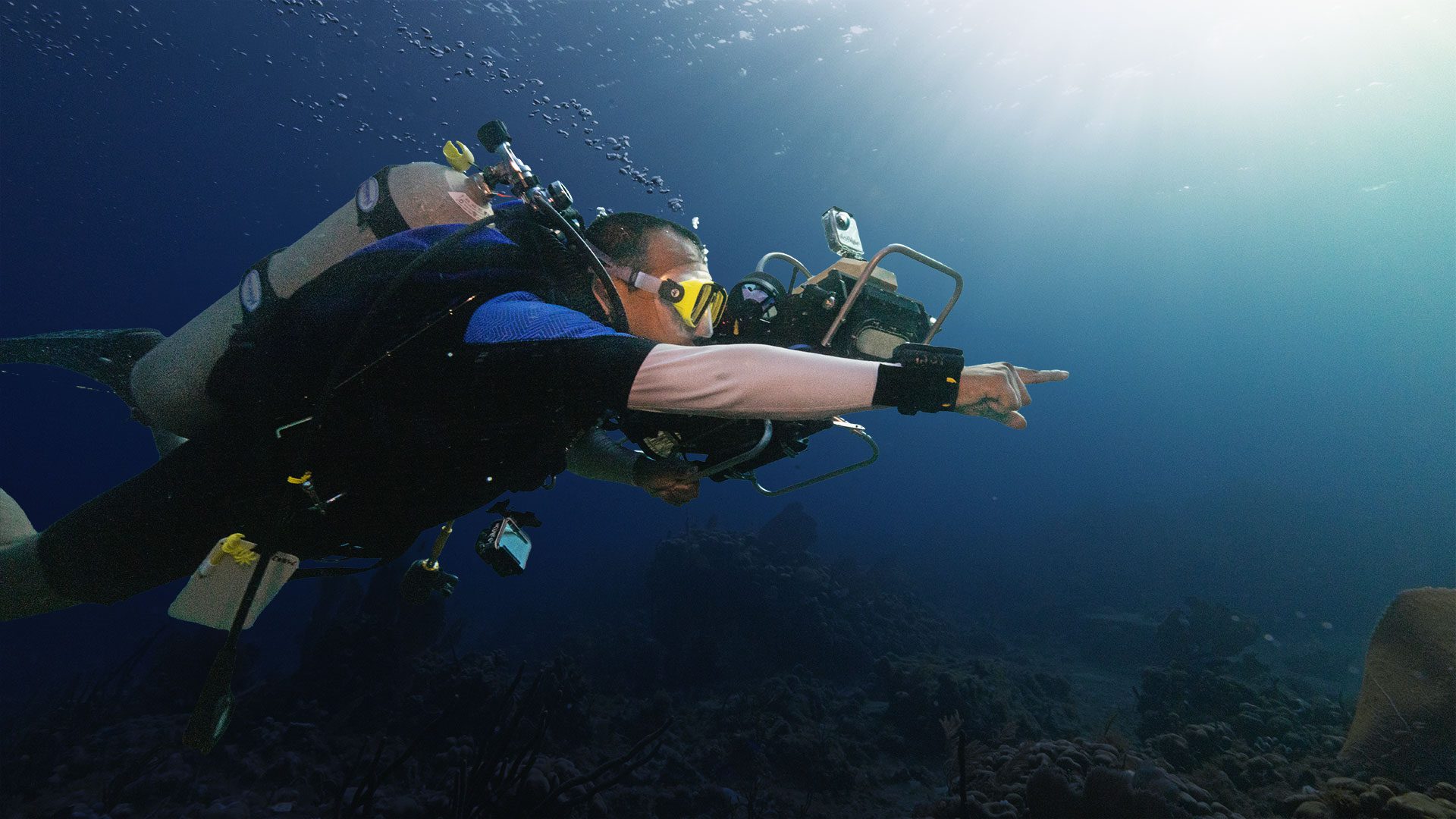
Part of the deep ocean’s relative obscurity is simple: It defies easy observation. “To study it, you have to get there,” said Yogi Girdhar, associate scientist with tenure in WHOI’s Applied Ocean Physics & Engineering department. And getting there is no easy task. Instruments must be able to withstand immense pressure, the corrosive nature of saltwater, and near-freezing temperatures. “There’s no high-bandwidth communication in the deep,” Girdhar points out. No GPS. Not even light. “You could make the case that space is easy,” joked Girdhar. The difference between sea level and space is one atmosphere of pressure. The difference between sea level and the average depth of the seafloor? Around 400 atmospheres. Crushing stuff. As director of WHOI’s Autonomous Robotics and Perception (WARP) Laboratory, Girdhar and colleagues are helping build the next generation of autonomous robotics by training artificial intelligence (AI) models to navigate, sample, and measure the deep. Expanding our understanding of the ocean, Girdhar explained, requires collecting data and conducting observations across vast areas and long timescales—something human-operated submersibles and instruments alone cannot practically achieve. “The future needs robots that can understand the value of scientific information and adapt their paths to search for rare, dynamic phenomena.” While Girdhar and his colleagues are leveraging AI to power autonomous robots, down the street at the George and Wendy David Center for Ocean Innovation, Justin Ossolinski and colleagues are addressing material, engineering, and cost challenges as part of WHOI’s new initiative, DeepTech. Formerly known as AVAST, DeepTech is WHOI’s innovation hub, a collaborative that brings scientists, engineers, and entrepreneurs together and provides them with advanced fabrication tools to rapidly concept, prototype, and build new instrumentation.
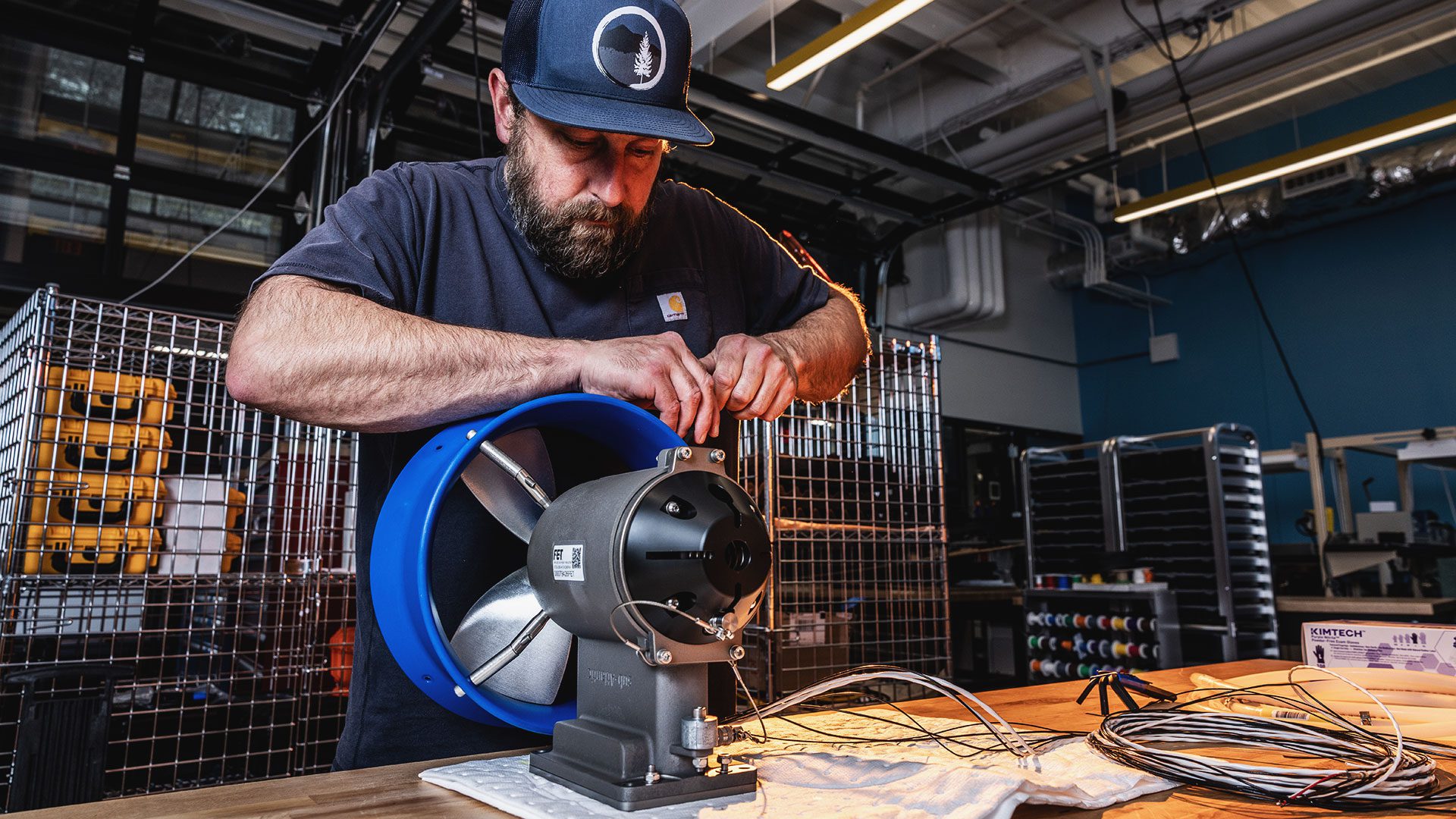
“DeepTech is really about lowering the barrier between an idea and something you can actually put in the ocean,” said Ossolinski, who has served as director of DeepTech since 2024. “If every new idea requires a multi-year, million-dollar development cycle, you slow discovery dramatically.” The dividends of DeepTech’s work extend across the oceanography community. Tyler Farr, a mechatronics technician at DeepTech, helped create pressure-rated housings from low-cost 3D-printed resin for researchers at the University of Rhode Island. “If this were machined out of titanium,” said Farr while holding up a small plastic housing little larger than a fist, “it would cost five, maybe seven, thousand dollars. Now it’s $150.” The new low-cost housing can survive a depth of 3,800 meters (around 12,400 feet). “That’s about 5,500 pounds per square inch,” added Farr—about the weight of a shipping container on a postage stamp. By exploring ways to reduce costs and accelerate prototyping, Ossolinski and Farr are expanding who can build and deploy ocean technologies that can survive the deep. In addition to their efforts, colleagues at DeepTech are helping build a new class of medium-sized ROVs funded by the National Science Foundation (NSF), as well as agencies within the National Oceanic and Atmospheric Administration (NOAA). Modeled after WHOI’s ROV Jason, the vehicles can be operated by smaller teams of engineers and more easily transported by the U.S. academic research fleet, greatly expanding opportunities to reach depths of 4,000 meters (nearly 2.5 miles). Greater access means more institutions and nations can explore deeper waters and help scientists assemble a fuller picture of how the ocean shapes our planet. “For the future of humanity, [exploring the deep ocean] may have the biggest bang for the buck,” Girdhar said. “Most of our planet is deep ocean. We can’t just ignore it.”
Cultivating a deeper understanding
Greater scientific access to the deep offers more than new discoveries. It creates new opportunities for people to see and care about a world normally hidden from view.
“It’s a privilege to study the deep ocean,” said Weston. Inspiring that same sense of wonder in others can be difficult. Each new photograph, each new expedition, each new discovery offers another chance to reveal the deep’s beauty—and perhaps recreate moments like those she witnessed during the Mar del Plata Canyon expedition.
Reflecting on her expedition, one memory stands out: a viral video of a young boy, flashlight in hand, net in the other, pretending to pilot a deep-sea rover in his darkened bedroom.
“It makes me cry to think about it,” said Weston.
Whether his excitement sustains itself is impossible to know. Growing up can be such an erosive force, especially when it comes to our imaginations. But months later, watching the video again, maybe, just maybe, Weston hopes, a young boy still dreams of the deep.