
Research Highlights
Oceanus Magazine
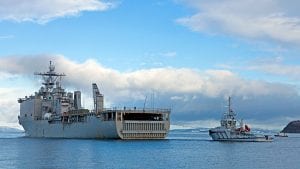
When U.S. Navy were preparing a major NATO military exercise, they solicited help from WHOI scientists to plan how to mitigate potential environmental damage from oil spills.
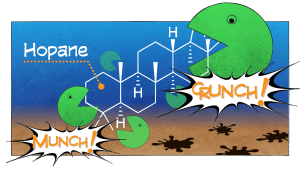
Officials pumped a huge amount of chemicals into the deep ocean during the 2010 Deepwater Horizon oil spill in an effort to disperse the oil. A study published this week in the Proceedings of the National Academy of Sciences offers evidence that the dispersant may helped microbes break down the oil.
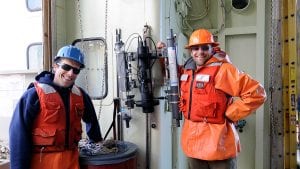
Whether you’re a plant, animal, or even a microbe, you generally can’t conduct the business of living without exchanging oxygen. So just as you can figure out what’s going on in a financial system by following the money, scientists can…
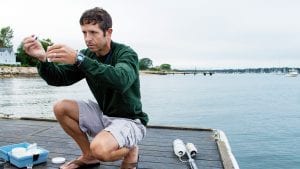
Warming coastal waters off southern Massachusetts are worsening the effects of pollution from septic systems, wastewater treatment plants, and fertilizer runoff—and causing a rise in harmful algal blooms. Researchers at Woods Hole Oceanographic Institution (WHOI) and the Marine Biological Laboratory…
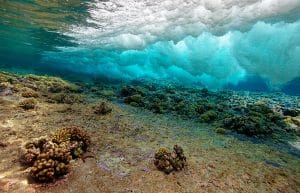
Off a small island in the Chagos archipelago in the Indian Ocean, Woods Hole Oceanographic Institution (WHOI) biogeochemists Konrad Hughen and Colleen Hansel use a special underwater drill to take a core sample from a boulder coral (Porites lobata) during…
News Releases
Researchers have identified a diverse set of molecules released by marine phytoplankton that fuel microbial life and help drive Earth’s carbon cycle
A new paper argues that larger, longer studies with rigorous monitoring and clear safeguards are needed to accurately assess OIF as a potential long-term CO2 storage solution.
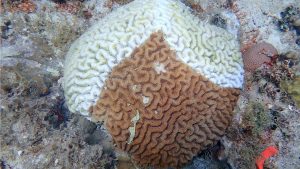
Coral reefs support more than 25 percent of all marine life and underpin the livelihoods of roughly one billion people globally.
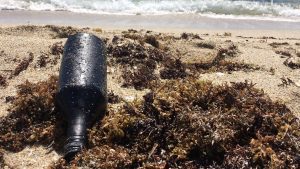
Oil spill forensics reveal how plastic debris can carry petroleum pollution across entire ocean basins
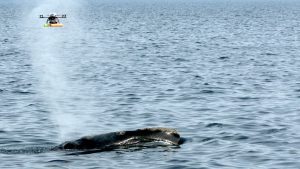
A first of its kind study links drone-collected respiratory microbes with health assessments, offering hope for protecting vulnerable populations
News & Insights
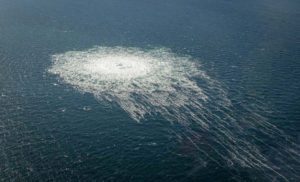
WHOI marine chemist Chris Reddy weighs in on a methane leak in the Baltic Sea
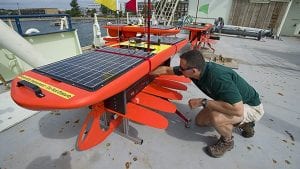
WHOI geochemist Chris German pairs an autonomous surface vehicle (ASV) called a Wave Glider with other vehicles to expand research here and on other Ocean Worlds
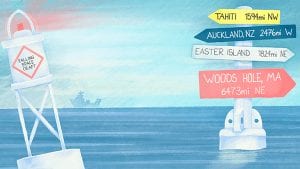
Researchers investigate dust from the ocean’s farthest point from land to reconstruct the climactic history of the Southern Hemisphere, and understand how micronutrients have influenced biological productivity in this oceanic desert.
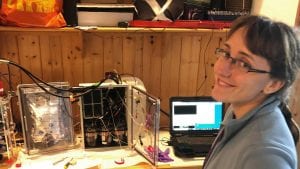
WHOI-MIT joint program student outfits her basement to do vital work on a marine carbon sensor
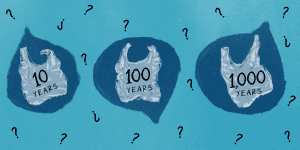
Infographics strive to give us a sense of how long plastic goods will last in the environment. But is this information reliable? The findings of a new study from WHOI may surprise you.