
Research Highlights
Oceanus Magazine
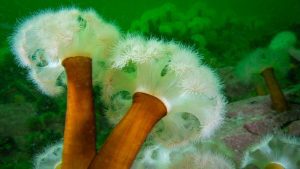
Researchers find fluffy anemones spreading south via shipwrecks, revealing how artificial reefs and ocean currents connect marine habitats
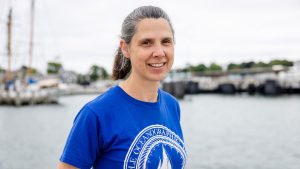
Three questions with marine research technician Emily Peacock
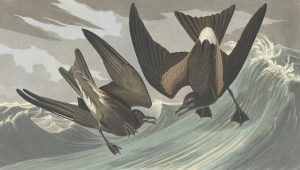
New GPS tracking on petrels reveals a surprising survival strategy hidden in the eye of the storm
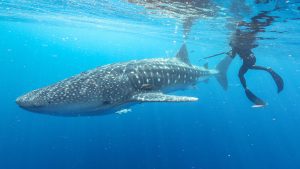
Marine biologist Camrin Braun explains why the world’s largest fish visit waters off Cape Cod—and what their epic migrations reveal about a changing ocean
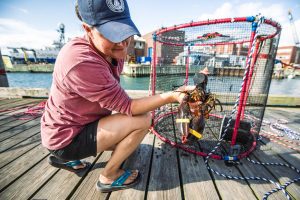
WHOI’s Sensory Ecology Lab investigates whether an industrialized soundscape impacts the health of a New England icon
News Releases

New WHOI-led study of black-browed albatrosses finds that climate mitigation may matter more than evolution for population persistence
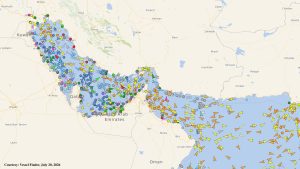
New analysis says thousands of stranded vessels may unintentionally spread invasive marine life worldwide
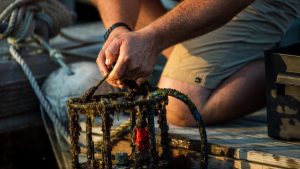
The Seafood Engine will initially receive an award of $15 million over two years, with the potential to grow up to $160 million over ten years as it works to build an internationally competitive technology and innovation cluster.
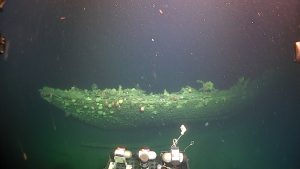
The Heroic Age Expedition, led by the Royal Canadian Geographical Society in partnership with Woods Hole Oceanographic Institution, reveals the famed Antarctic explorer’s last ship, Terra Nova in stunning detail
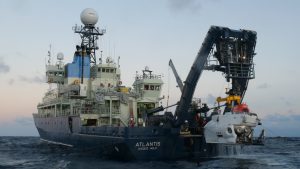
The Royal Canadian Geographical Society, in partnership with WHOI, will undertake “once-in-a-generation” expedition to survey Sir Ernest Shackleton’s Quest and Captain Robert Falcon Scott’s Terra Nova
News & Insights
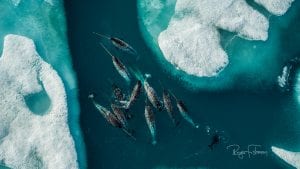
Narwhals and other marine mammals could be vulnerable to a new threat we’ve become all too familiar with: COVID-19
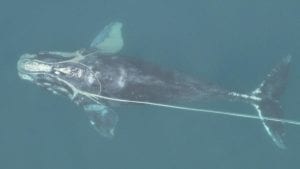
North Atlantic right whales are in crisis. There are approximately 356 individuals remaining, and with over 80% bearing scars of entanglements in fishing line, the race to save this species is more critical than ever.
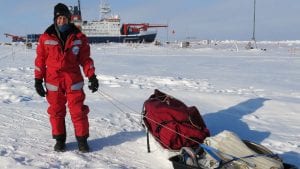
The largest Arctic science expedition in history has ended, with the return of the German icebreaker Polarstern to its home port of Bremerhaven more than one year after it departed Tromso, Norway.
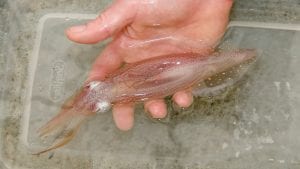
Scientists at the Woods Hole Oceanographic Institution and NOAA Fisheries combine forces to adapt technologies used to detect marine mammals for fisheries management.
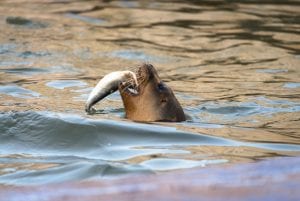
Seals find ease in taking a meal already ensnared in wall-like gillnets cast by fishermen, but at what cost? WHOI biologist Andrea Bogomolni works with the fishing community to record and observe this behavior with the hopes of mitigating marine mammal bycatch