
Research Highlights
Oceanus Magazine
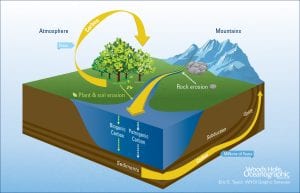
Like blood in our arteries in our body, water in rivers carry chemical signals that can tell us a lot about how the entire Earth system operates.
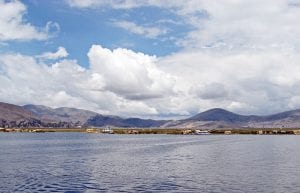
Lake Titicaca in the Andes Mountains of South America is an extraordinary place to explore ancient human civilization, Earth’s climate history, and the flow of carbon through our planet.
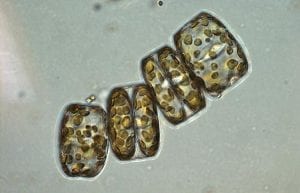
The ocean has been sucking up the heat-trapping carbon dioxide (CO2) building up in our atmosphere—with a little help from tiny plankton. Like plants on land, these plankton convert CO2 into organic carbon via photosynthesis. But unlike land plants, decomposing…
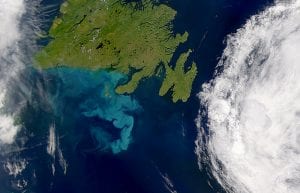
A curious chemical compound in certain marine algae has been a godsend for oceanographers, helping them reconstruct past ocean conditions. Now the same compounds also may be useful in a completely different way: to produce jet fuel.

New research shows a way to tap overlooked fats in marine algae to produce compounds used in jet fuel.
News Releases
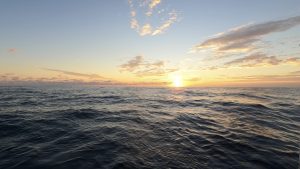
Researchers have identified a diverse set of molecules released by marine phytoplankton that fuel microbial life and help drive Earth’s carbon cycle

A new paper argues that larger, longer studies with rigorous monitoring and clear safeguards are needed to accurately assess OIF as a potential long-term CO2 storage solution.
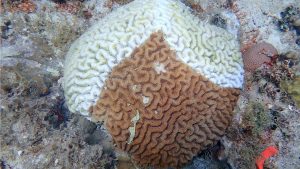
Coral reefs support more than 25 percent of all marine life and underpin the livelihoods of roughly one billion people globally.
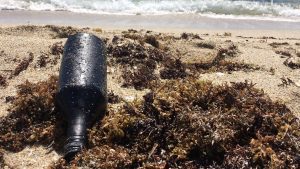
Oil spill forensics reveal how plastic debris can carry petroleum pollution across entire ocean basins
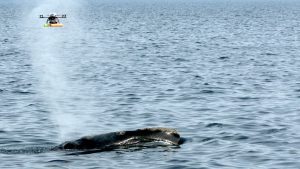
A first of its kind study links drone-collected respiratory microbes with health assessments, offering hope for protecting vulnerable populations
News & Insights
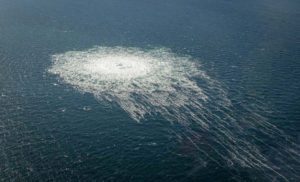
WHOI marine chemist Chris Reddy weighs in on a methane leak in the Baltic Sea
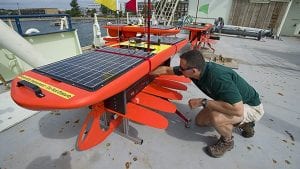
WHOI geochemist Chris German pairs an autonomous surface vehicle (ASV) called a Wave Glider with other vehicles to expand research here and on other Ocean Worlds

Researchers investigate dust from the ocean’s farthest point from land to reconstruct the climactic history of the Southern Hemisphere, and understand how micronutrients have influenced biological productivity in this oceanic desert.
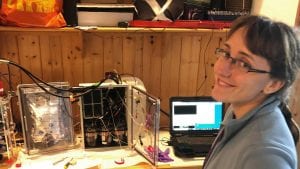
WHOI-MIT joint program student outfits her basement to do vital work on a marine carbon sensor
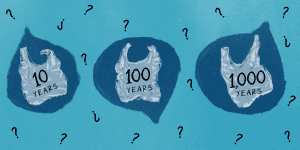
Infographics strive to give us a sense of how long plastic goods will last in the environment. But is this information reliable? The findings of a new study from WHOI may surprise you.