
Research Highlights
Oceanus Magazine

New GPS tracking on petrels reveals a surprising survival strategy hidden in the eye of the storm
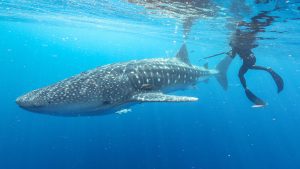
Marine biologist Camrin Braun explains why the world’s largest fish visit waters off Cape Cod—and what their epic migrations reveal about a changing ocean
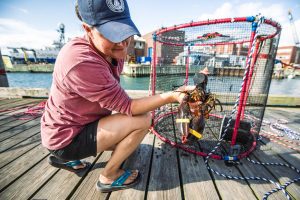
WHOI’s Sensory Ecology Lab investigates whether an industrialized soundscape impacts the health of a New England icon
News Releases
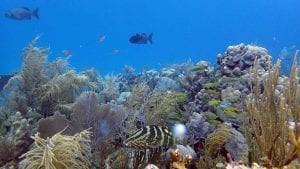
A collaborative study compared seawater from 25 reefs in Cuba and the U.S. Florida Keys varying in human impact and protection, and found that those with higher microbial diversity and lower concentrations of nutrients and organic carbon—primarily caused by human activities—were markedly healthier.
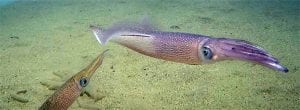
Exposure to underwater pile driving noise, which can be associated with the construction of docks, piers, and offshore wind farms, causes squid to exhibit strong alarm behaviors.
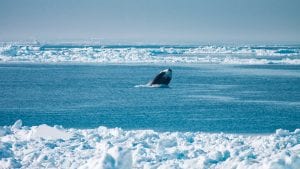
A study by researchers at Woods Hole Oceanographic Institution (WHOI) shows that the microbial communities inside whales may play an important role in the digestion of one of the ocean’s most abundant carbon-rich lipids, known as a wax ester.
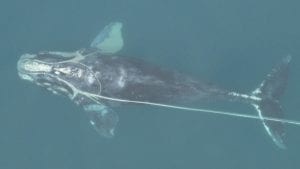
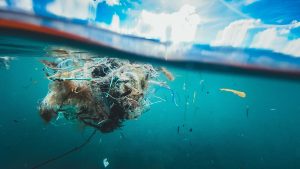
The funding provided by the SeaWorld Conservation Fund will be primarily used to test alternative non-lethal fishing gear. Whales and sea turtles commonly entangle in ropes that connect crab or lobster traps on the sea floor to buoys on the sea surface.
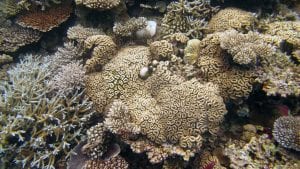
A new study reveals that more of corals’ nutrients come from hunting than previously expected, information that may help predict the fate of coral reefs as global ocean temperatures rise.
News & Insights

WHOI’s Dennis McGillicuddy on why ocean life matters deeply to the Sunshine State
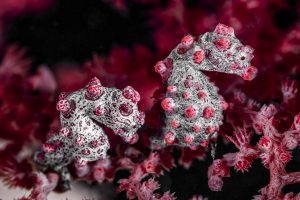
Are you an ocean lover? Go a little deeper with these courtship tips from beneath the waves!
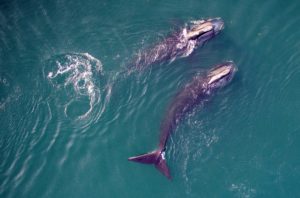
April 24 marks the first-ever Right Whale Day in Massachusetts. WHOI biologist and veterinarian Michael Moore recently met with the resident who brought this special recognition about– and explains why it’s important to raise awareness about the critically endangered North Atlantic right whale.
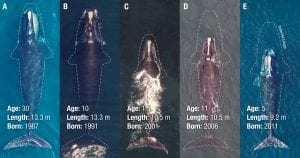
A report out this week in Current Biology reveal that critically endangered North Atlantic right whales are up to three feet shorter than 40 years ago. This startling conclusion reinforces what scientists have suspected: even when entanglements do not lead directly to the death of North Atlantic right whales, they can have lasting effects on the imperiled population that may now number less than 400 animals. Further, females that are entangled while nursing produce smaller calves.
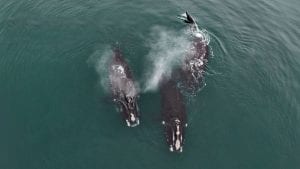
May 10, 2021 During a joint research trip on February 28 in Cape Cod Bay, Mass., WHOI whale trauma specialist Michael Moore, National Geographic photographer Brian Skerry, and scientists from New England Aquarium, witnessed a remarkable biological event: North…