
Research Highlights
Oceanus Magazine
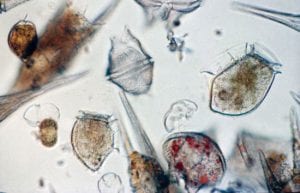
Estuaries are the borderlands between salt and freshwater environments, and they are incredibly diverse
both biologically and physically. The diversity and the high
energy of the ecosystem make estuaries remarkably resilient.
With a better understanding of these systems, we can reverse
their decline and restore the ecological richness of these
valuable, albeit muddy, environments.
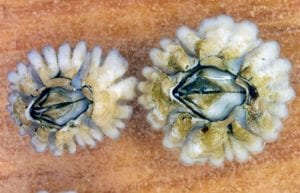
The childhood of a barnacle is fraught with challenges. It hatches in shallow waters close to shore as a tiny larva, no bigger than a speck of dust. Currents sweep it to deeper, choppy waters, sometimes miles offshore. In these proving grounds each larva floats, at the mercy of hungry fish and swift ocean currents. Billions of larvae?including fish, lobsters, clams, starfish, and sea cucumbers?begin life this way. Only a few survive and return to shore, where they settle on rocks or sandy seafloor to become adults. Why larvae make their offshore journey remains unclear, but we are beginning to uncover the intricacies of their return trip?learning how waves, currents, eddies, tides, and other phenomena bring larvae back toward the shore.
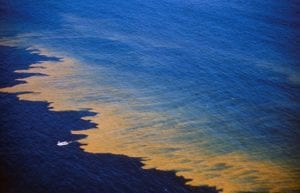
Harmful algal blooms are natural and they are not new. But ocean scientists are growing concerned that they are now all too common. The unprecedented growth of human activities in coastal watersheds—including agriculture, aquaculture, industry, housing, and recreation—has drastically increased the amount of fertilizer flowing into coastal waters and fueled unwanted algal growth.
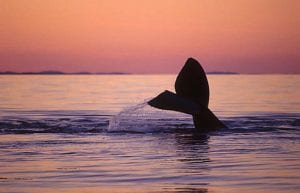
It is a sad irony that we have cataloged individual photographs of the remaining North Atlantic right whales and given each of them unique numbers and sometimes names, yet still know too little about their physiology, behavior, and habitats to take effective steps toward ensuring their survival as a species.
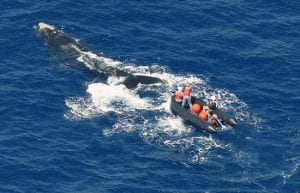
“Today only a remnant of the population survives, no more than 350 whales clustered in calving and feeding grounds along the eastern seaboard of North America. Only occasional right whale sightings in the Gulf of St. Lawrence or in the waters between Iceland, Greenland, and Norway give echoes of their once substantially greater range.
News Releases
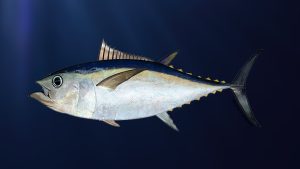
The study shows that large-scale harvesting of mesopelagic fish that live hundreds of meters below the surface could reduce the food available to bigeye tuna

CMA CGM, which has long been committed to preserving biodiversity through multiple initiatives in the U.S. and worldwide, will support two key WHOI projects
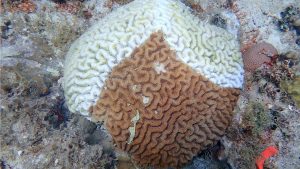
Coral reefs support more than 25 percent of all marine life and underpin the livelihoods of roughly one billion people globally.
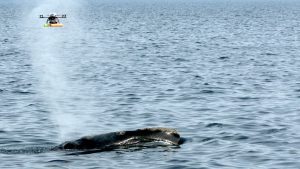
A first of its kind study links drone-collected respiratory microbes with health assessments, offering hope for protecting vulnerable populations
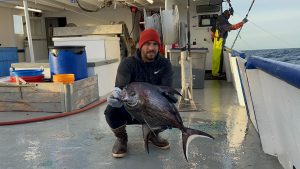
WHOI scientists delve into the elusive fish’s role in the food web
News & Insights

WHOI’s Dennis McGillicuddy on why ocean life matters deeply to the Sunshine State
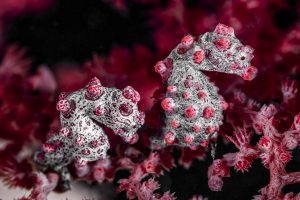
Are you an ocean lover? Go a little deeper with these courtship tips from beneath the waves!
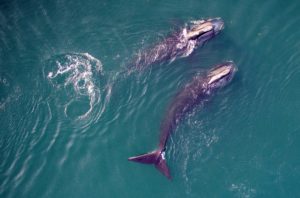
April 24 marks the first-ever Right Whale Day in Massachusetts. WHOI biologist and veterinarian Michael Moore recently met with the resident who brought this special recognition about– and explains why it’s important to raise awareness about the critically endangered North Atlantic right whale.
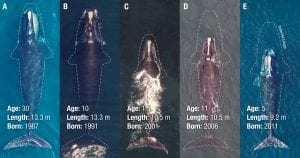
A report out this week in Current Biology reveal that critically endangered North Atlantic right whales are up to three feet shorter than 40 years ago. This startling conclusion reinforces what scientists have suspected: even when entanglements do not lead directly to the death of North Atlantic right whales, they can have lasting effects on the imperiled population that may now number less than 400 animals. Further, females that are entangled while nursing produce smaller calves.
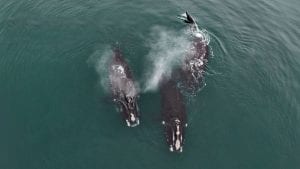
May 10, 2021 During a joint research trip on February 28 in Cape Cod Bay, Mass., WHOI whale trauma specialist Michael Moore, National Geographic photographer Brian Skerry, and scientists from New England Aquarium, witnessed a remarkable biological event: North…