
Research Highlights
Oceanus Magazine

Jordan Kennedy combines Indigenous knowledge, engineering, and observation to rethink how coastal landscapes are studied and restored. Her work on clam gardens and autonomous mapping systems explores how revitalizing these ancient systems can also reclaim knowledge and relationships between people, place, and practice.
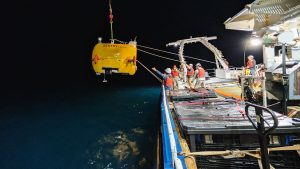
AUV Sentry leads the way in mapping and monitoring methane bubbling from the seafloor
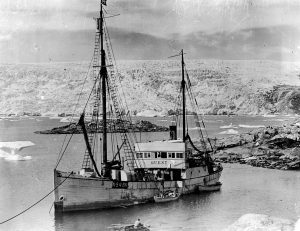
40 years after helping reveal the Titanic, Alvin returns to the North Atlantic to document two other legendary shipwrecks
News Releases
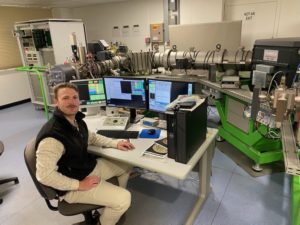
This increased amount of water has broad implications for understanding how Earth’s lower crust forms, how magma erupts through the crust, and how economically important mineral ore deposits form, according to a new paper led by authors from the Woods Hole Oceanographic Institution (WHOI).
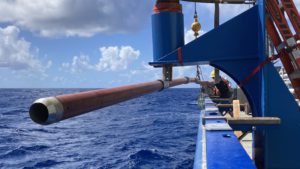
A team of scientists, engineers, and ship’s crew on the research vessel Neil Armstrong operated by the Woods Hole Oceanographic Institution (WHOI) recently collected a 38-foot-long cylindrical sediment sample from the deepest part of the Puerto Rico Trench, nearly 5 miles below the surface.
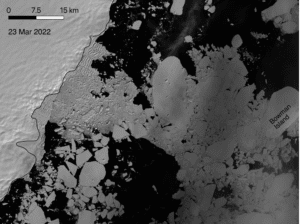
Satellite data has confirmed that an ice shelf about the size of Manhattan has completely collapsed in East Antarctica within days of record high temperatures. The Conger ice shelf, which had an approximate surface area of 1,200 sq km, collapsed around 15 March, scientists confirmed today.
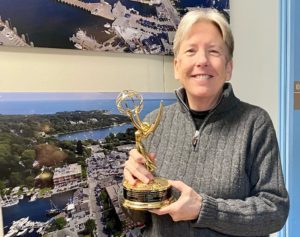
Woods Hole Oceanographic Institution has been awarded an Emmy as a co-producer, along with South Florida PBS (WPBT & WXEL) for Changing Seas: “Alvin: Pioneer of the Deep” . The 2021 Suncoast Chapter of the National Academy of Television Arts & Sciences Emmy Awards announced the honor in December, for the category “Environment/Science – Long Form Content.”
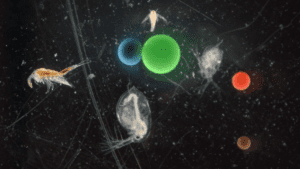
A project led by Woods Hole Oceanographic Institution’s Chemical Sensors Lab is moving researchers closer to an in-field microplastics sensor that measures the amount of plastic particles in water.
News & Insights
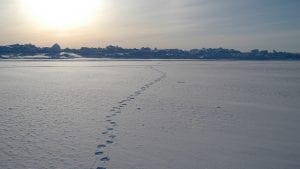
NSF program fosters collaboration between indigenous communities and traditional scientists, allowing WHOI’s autonomous vehicles to shed light on a changing Arctic
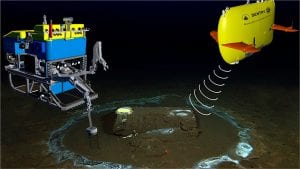
An investigative report this week in the LA Times features the work of WHOI’s marine geochemistry lab in identifying the discarded barrels and analyzing samples from the discovery.