Skip to content

Research Highlights

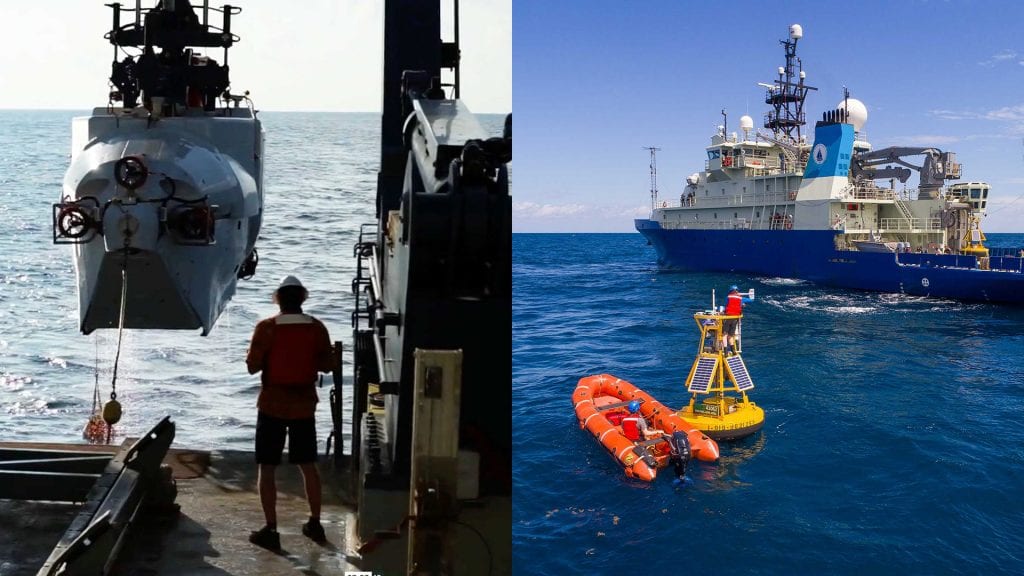
Scenes from research expeditions highlighted in "Divergent Warmth" (left, M. Lubetkin) and "Beyond the Gulf Stream" (right, John McCord).

WHOI Scientists Make Woods Hole Film Festival Appearance

OOI

WHOI researchers head back to sea after “pause” in research expeditions

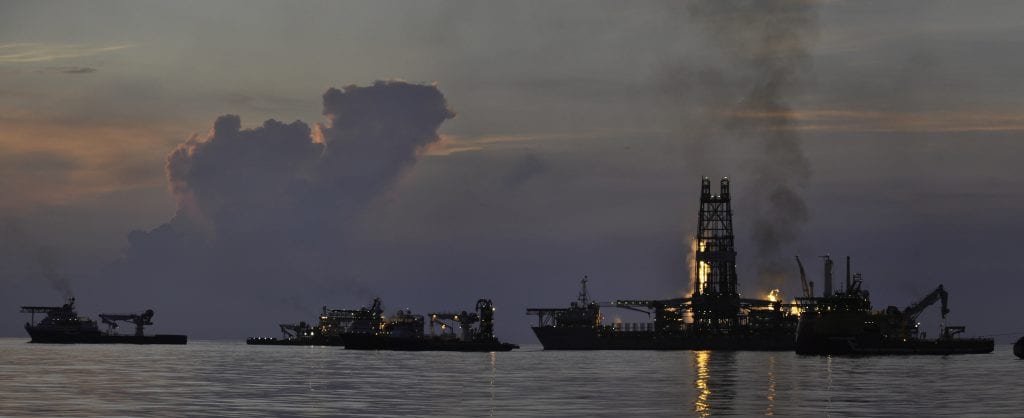
The Deepwater Horizon well released an estimated 168 million gallons of oil and 45 million gallons of natural gas into the ocean, making it the largest accidental marine oil spill in history. (Photo by Cabell Davis, © Woods Hole Oceanographic Institution)

What did scientists learn from Deepwater Horizon?

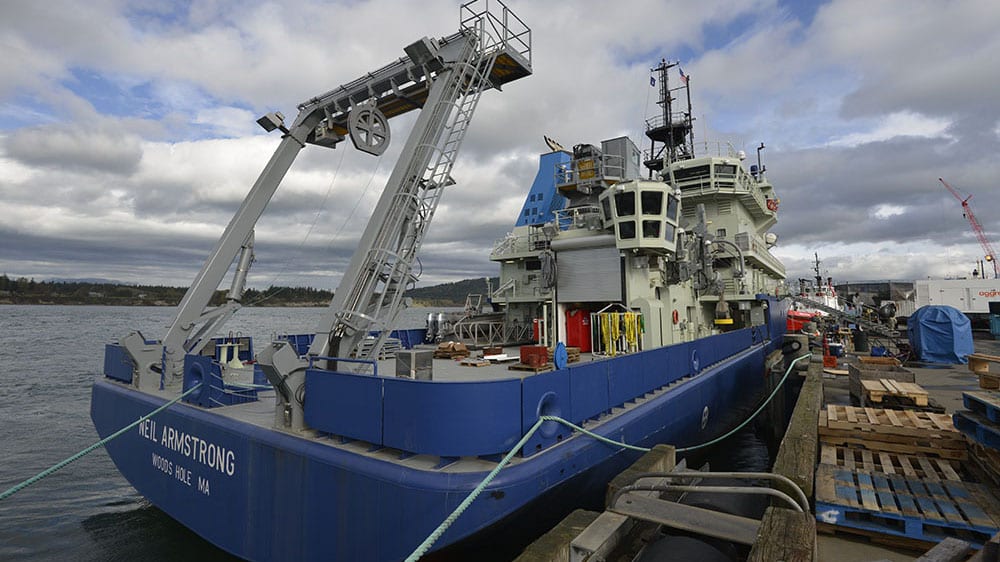
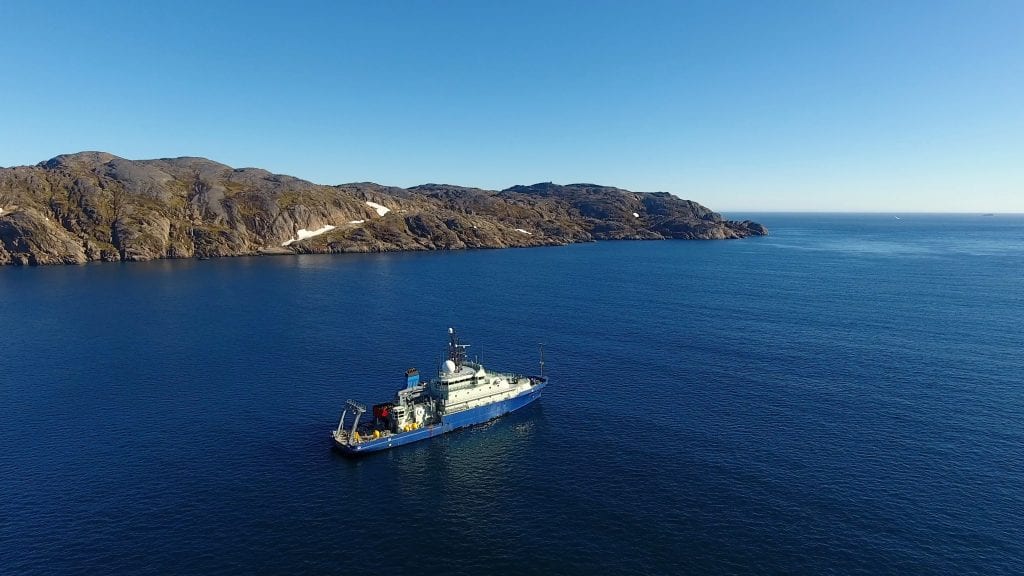
R/V Neil Armstrong in Prince Christian Sound

$8.3M award to WHOI extends observational record of critical climate research

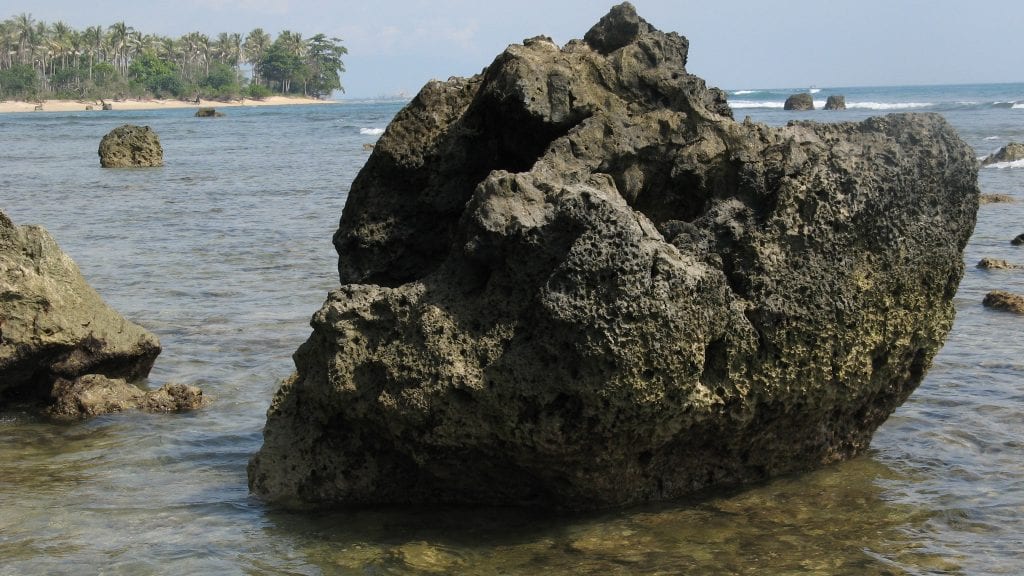
Fossil Porites coral (above) from the southern Mentawai Islands (Indonesia) in the eastern Indian Ocean were used to reconstruct Indian Ocean Dipole variability over previous centuries. (Photo by Nerilie Abram, Australian National University)

Indian Ocean phenomenon spells climate trouble for Australia

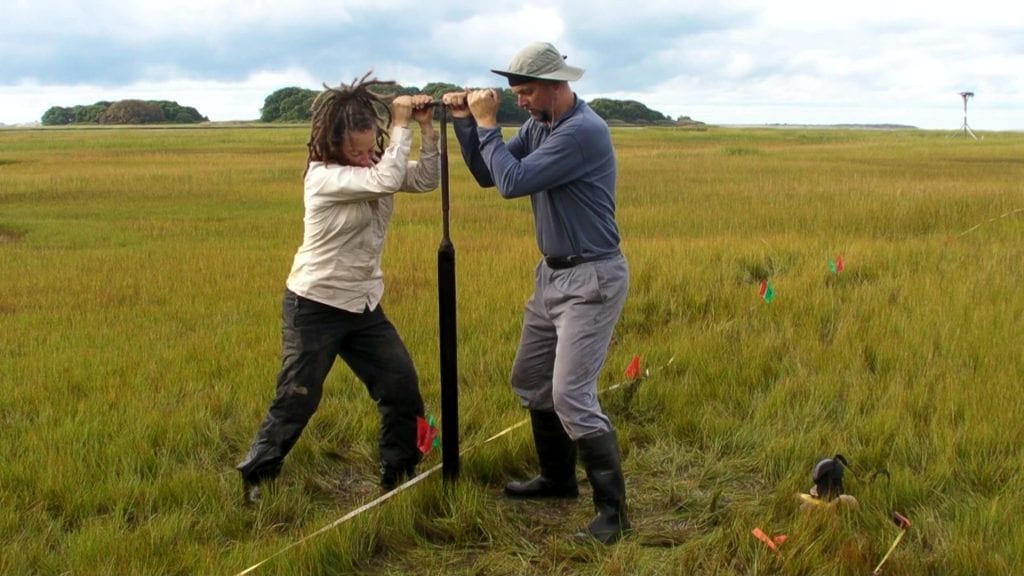
Margot Saher (left) of Bangor University and Roland Gehrels of University of York work together to obtain a sediment core from Barn Island salt marsh in Stonington, Conn. (Image Courtesy of Roland Gehrels, University of York)

Study reveals rapid sea-level rise along U.S. Atlantic coast in 18th century

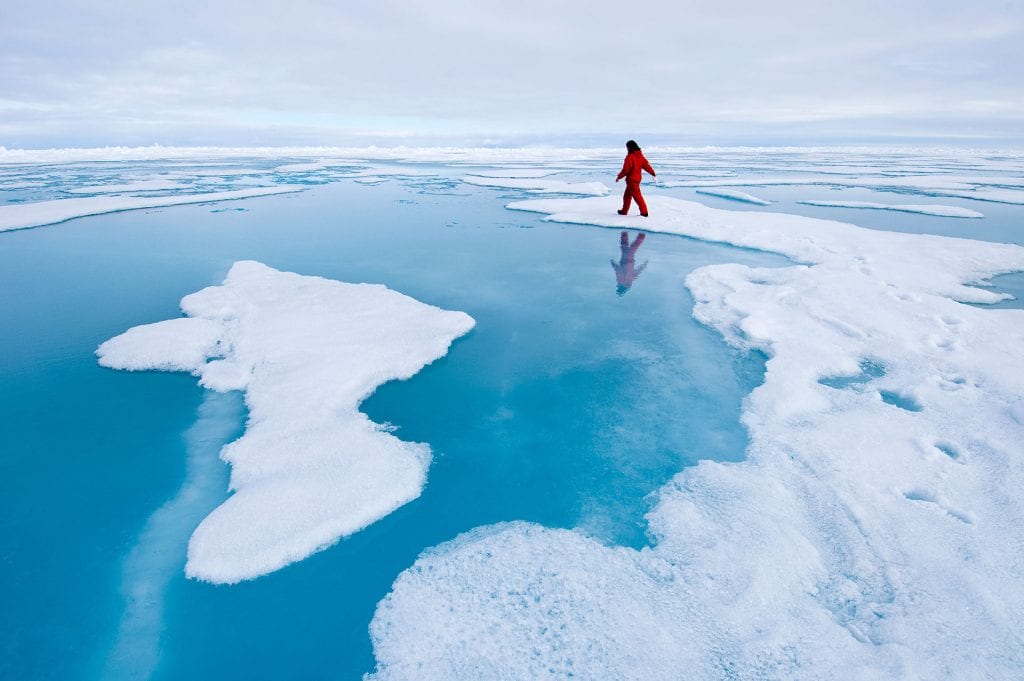
Walking on polar ice

Oceans of Change

Walking on polar ice

Oceans of Change

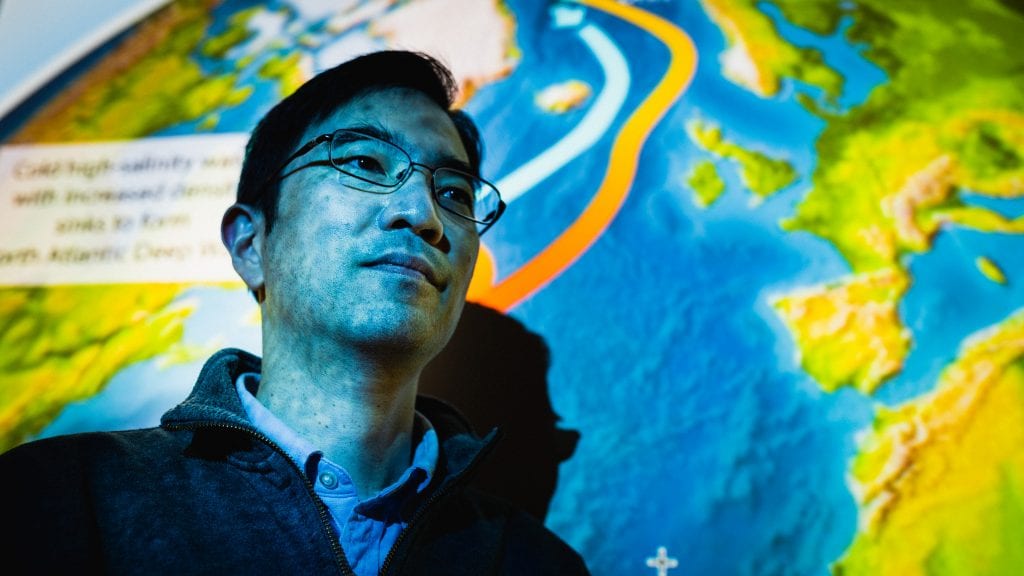
WHOI physical oceanographer Young-Oh Kwon relies on a combination of ocean data and climate models to understand the circulatory strength of the Atlantic Ocean’s conveyor belt.  (Photo by Daniel Hentz, © Woods Hole Oceanographic Institution)

The future of the ocean’s conveyor belt

OTZ-Ecosystem-Service-Report

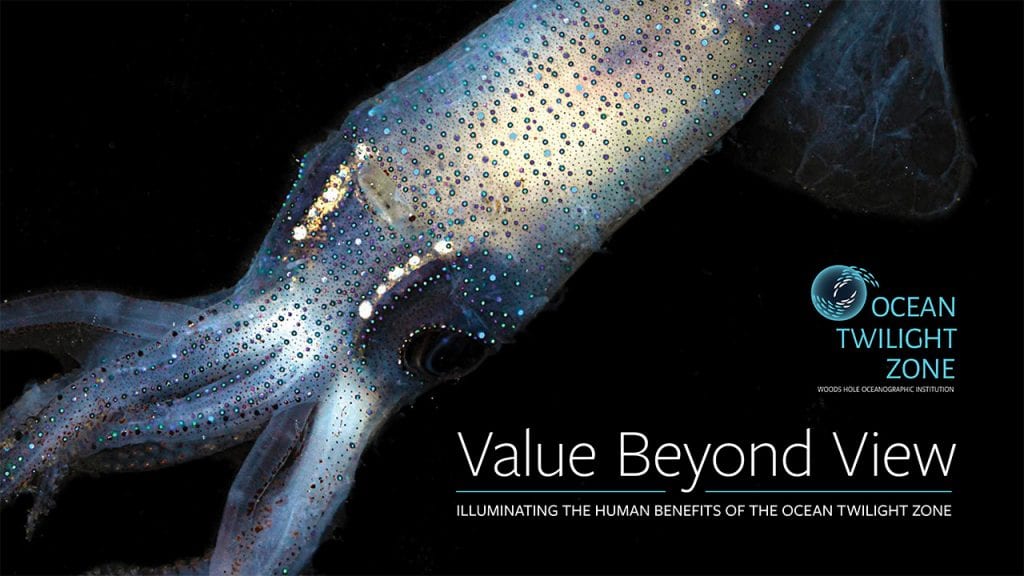
Report reveals ‘unseen’ human benefits from ocean twilight zone

Australia satellite image of bushfire

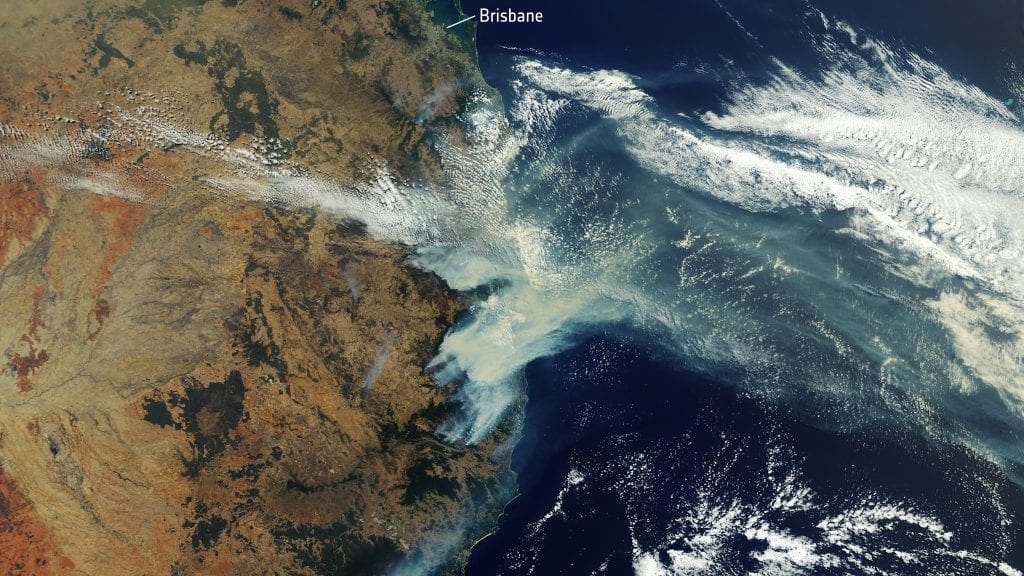
Investigating the ocean’s influence on Australia’s drought

Climate Central sea level rise graphic

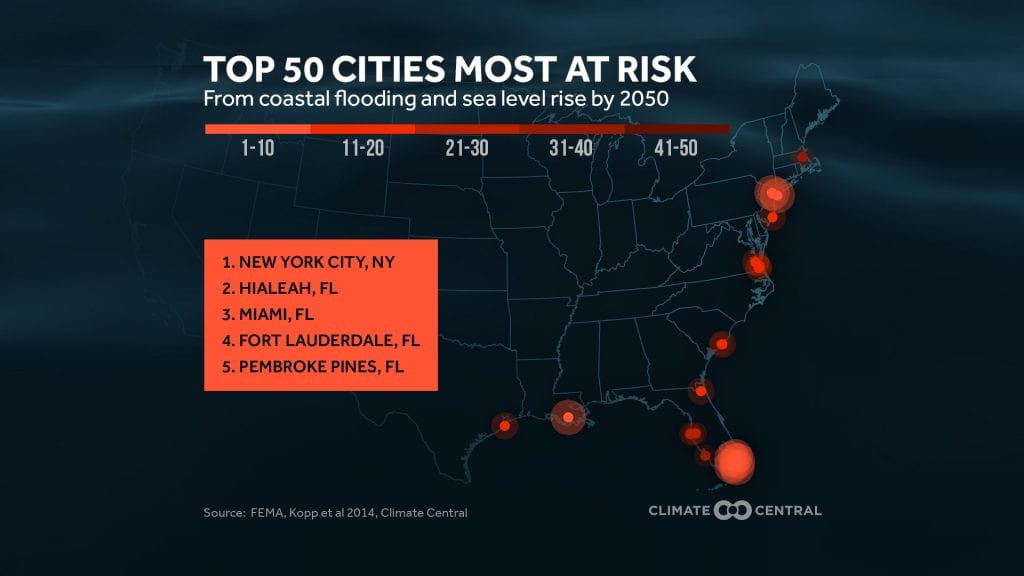
WHOI scientists weigh in on sea level rise impact study

sea washing onto road

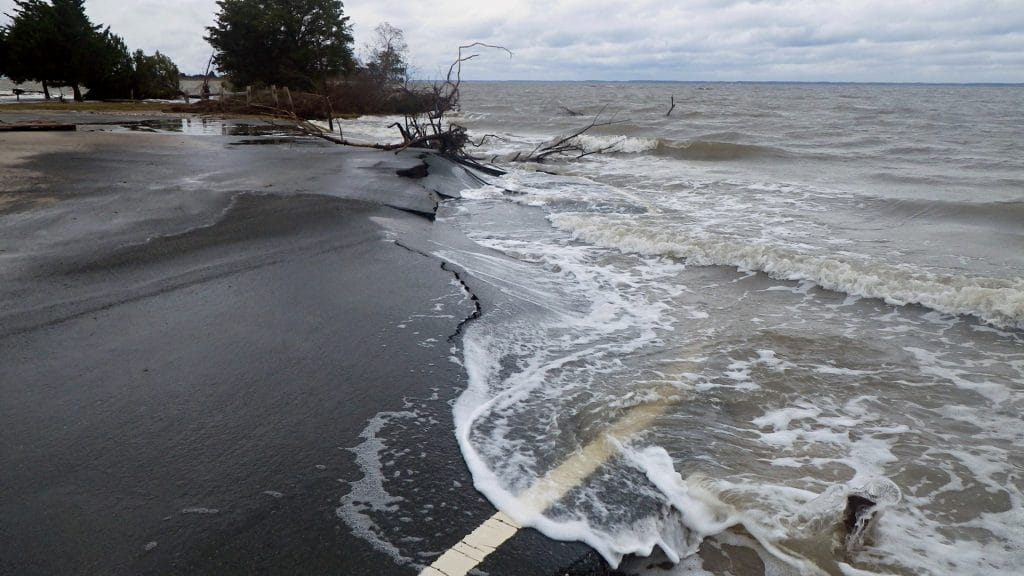
WHOI on NPR: Why sea level rise varies across the world

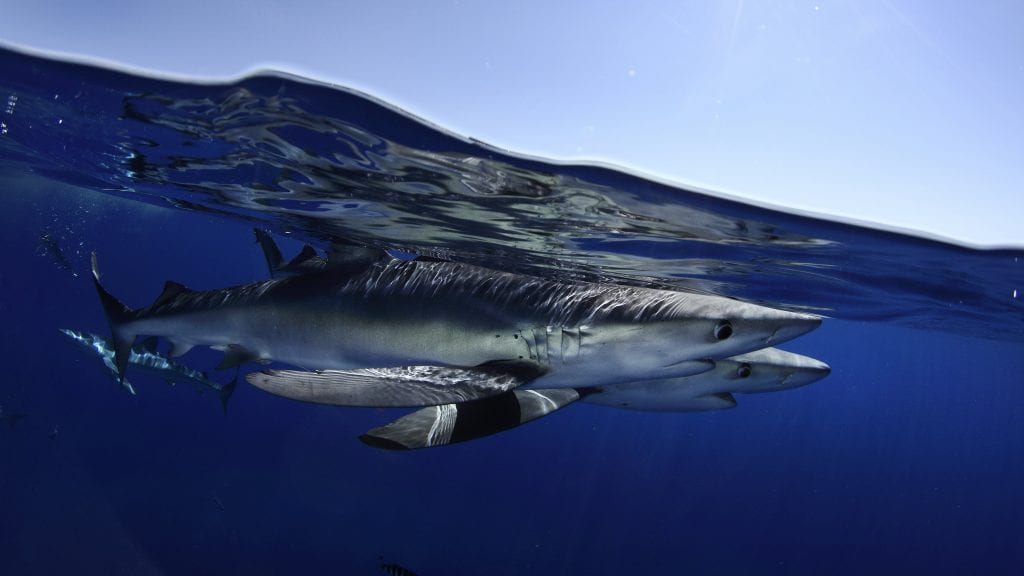
Blue shark

A tunnel to the Twilight Zone

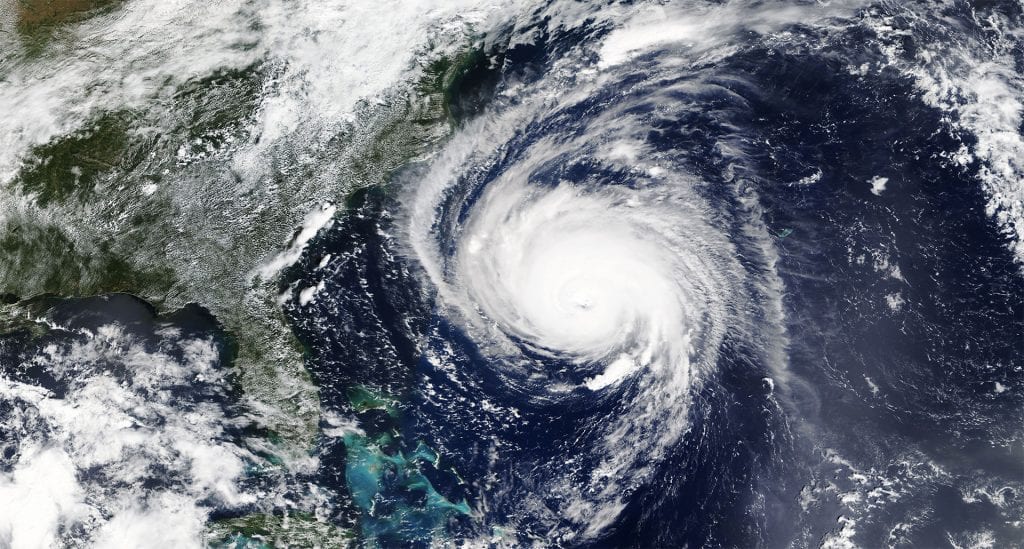
NASA image - hurricane Florence

WHOI prepares for 2019 Atlantic Hurricane Season

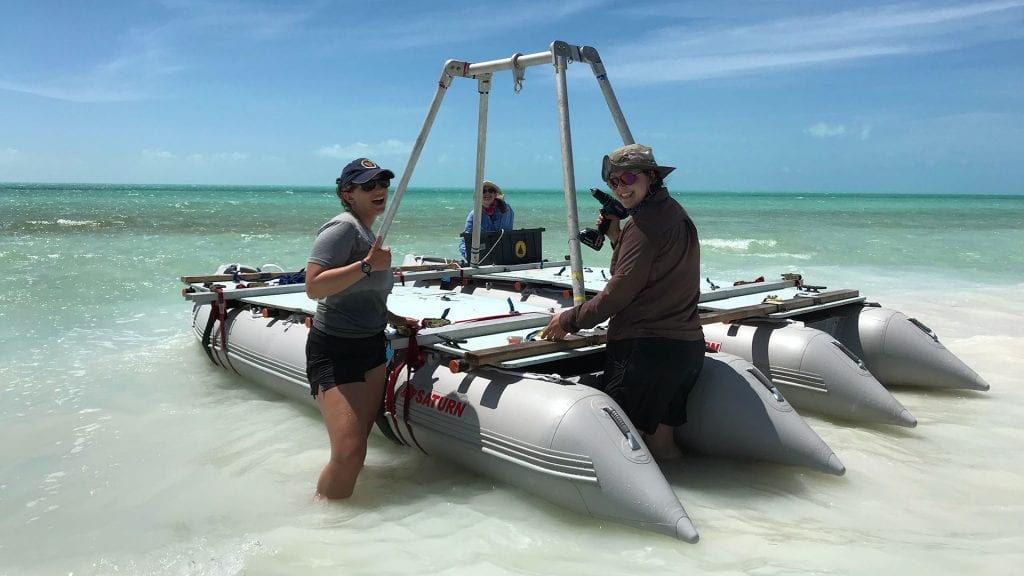
WHOI researchers Lizzy Soranna (front left), Lizzie Wallace (front right), and Nicole D'Entremont head out to conduct hurricane research in an azure-colored marine sinkhole—formally known as a blue hole—off Caicos Island in the Caribbean. They collected sediment samples from the bottom of the hole to learn more about the characteristics of Hurricane Irma, a Category 5 storm that passed over the area in early September of 2017. (Photo by Rose Palermo, Woods Hole Oceanographic Institution).

Hurricane Clues from a Caribbean Blue Hole

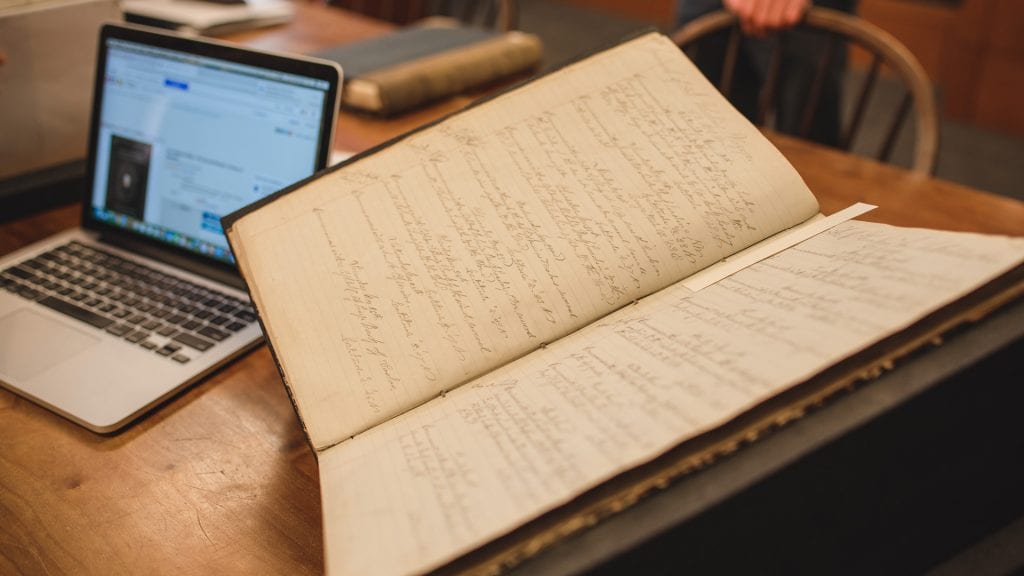
Captains and first mates of whaling ships kept daily logs of weather information during each voyage, including wind speed and direction, sea conditions, air temperature, and other variables. Researchers can use these weather records to gain a better understanding of climate conditions we face today. (Photo by Justin Buchli)

Mining climate clues from our whaling past

Captains and first mates of whaling ships kept daily logs of weather information during each voyage, including wind speed and direction, sea conditions, air temperature, and other variables. Researchers can use these weather records to gain a better understanding of climate conditions we face today. (Photo by Justin Buchli)

Mining climate clues from our whaling past

Scroll To Top