
Research Highlights
Oceanus Magazine

WHOI’s Reef Solutions team journeys to the world’s largest coral colony

Through a surprising and successful partnership, WHOI and Eastman scientists are reinventing what we throw away



News Releases

Woods Hole Oceanographic Institution (WHOI) biochemist Benjamin Van Mooy has been awarded one of two inaugural fellowships at the University of Southampton in England. The Diamond Jubilee International Visiting Fellowship was established last year to commemorate the university’s 60th anniversary…

Woods Hole Oceanographic Institution Senior Scientist Ken O. Buesseler has been appointed a foreign member of the Royal Netherlands Academy of Arts and Sciences. Buesseler is one of two foreign members in the 2013 cohort of 17 new members. The…
Black Sea, sediment, genetic data, past climate, Strait of Bosphorus, Liviu Giosan, Marco Coolen, paleo, DNA, dinocysts, dinoflagellate
Scientists have confirmed that the pathogen that causes Lyme Disease—unlike any other known organism—can exist without iron, a metal that all other life needs to make proteins and enzymes. Instead of iron, the bacteria substitute manganese to make an essential…
All living organisms rely on iron as an essential nutrient. In the ocean, iron’s abundance or scarcity means all the difference as it fuels the growth of plankton, the base of the ocean’s food web. A new study by biogeochemists…
News & Insights

WHOI marine chemist Chris Reddy weighs in on a methane leak in the Baltic Sea
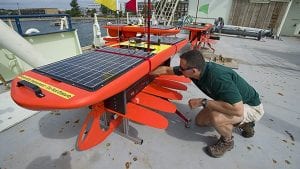
WHOI geochemist Chris German pairs an autonomous surface vehicle (ASV) called a Wave Glider with other vehicles to expand research here and on other Ocean Worlds
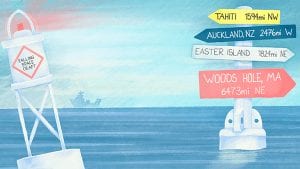
Researchers investigate dust from the ocean’s farthest point from land to reconstruct the climactic history of the Southern Hemisphere, and understand how micronutrients have influenced biological productivity in this oceanic desert.

WHOI-MIT joint program student outfits her basement to do vital work on a marine carbon sensor
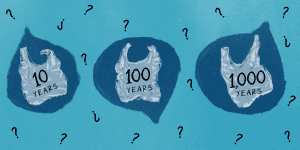
Infographics strive to give us a sense of how long plastic goods will last in the environment. But is this information reliable? The findings of a new study from WHOI may surprise you.