
Research Highlights
Oceanus Magazine
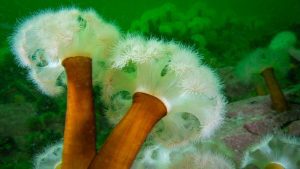
Researchers find fluffy anemones spreading south via shipwrecks, revealing how artificial reefs and ocean currents connect marine habitats
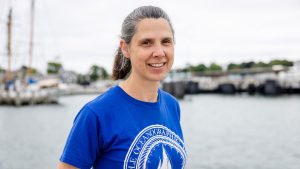
Three questions with marine research technician Emily Peacock
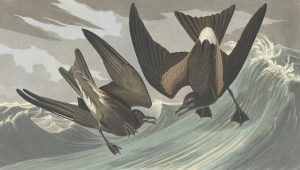
New GPS tracking on petrels reveals a surprising survival strategy hidden in the eye of the storm
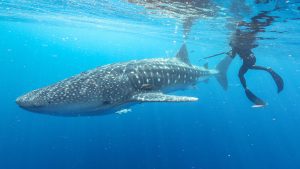
Marine biologist Camrin Braun explains why the world’s largest fish visit waters off Cape Cod—and what their epic migrations reveal about a changing ocean
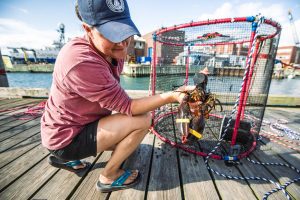
WHOI’s Sensory Ecology Lab investigates whether an industrialized soundscape impacts the health of a New England icon
News Releases
Woods Hole Oceanographic Institution (WHOI), as a part of the Stantec Team, has been selected by an interagency scientific review panel to lead a long-term scientific study of the Arctic marine ecosystem along the Beaufort Sea shelf from Barrow, Alaska, to the Mackenzie River delta in Canadian waters.
Mainly thought to be surface dwellers, Chilean devil rays (Mobula tarapacana) are most often seen gliding through shallow, warm waters. But a new study by scientists at Woods Hole Oceanographic Institution (WHOI) and international colleagues reveals that these large and majestic creatures are actually among the deepest-diving ocean animals.
An international team of scientists studying Emperor penguin populations across Antarctica finds the iconic animals in danger of dramatic declines by the end of the century due to climate change. Their study, published today in Nature Climate Change, finds the…
The Antarctic Peninsula, the northern most region of Antarctica, is experiencing some of the most dramatic changes due to climate warming, including population declines of some penguin species. This is not the first time that region has felt the effects…
Woods Hole Oceanographic Institution (WHOI) biologist Dr. Rebecca Gast and Falmouth (Mass.) High School art teacher Jane Baker have teamed up to bring the excitement of polar research to Falmouth art students. Gast met with Baker’s Art Two and Advanced…
News & Insights

WHOI’s Dennis McGillicuddy on why ocean life matters deeply to the Sunshine State
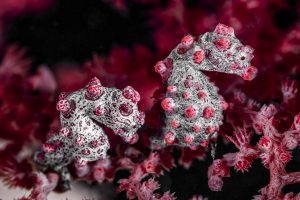
Are you an ocean lover? Go a little deeper with these courtship tips from beneath the waves!
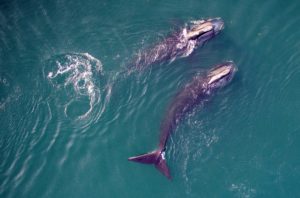
April 24 marks the first-ever Right Whale Day in Massachusetts. WHOI biologist and veterinarian Michael Moore recently met with the resident who brought this special recognition about– and explains why it’s important to raise awareness about the critically endangered North Atlantic right whale.
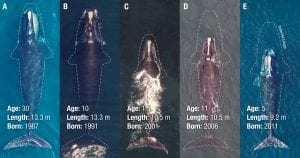
A report out this week in Current Biology reveal that critically endangered North Atlantic right whales are up to three feet shorter than 40 years ago. This startling conclusion reinforces what scientists have suspected: even when entanglements do not lead directly to the death of North Atlantic right whales, they can have lasting effects on the imperiled population that may now number less than 400 animals. Further, females that are entangled while nursing produce smaller calves.
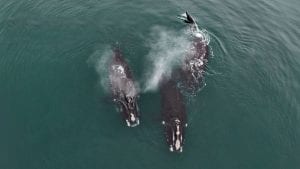
May 10, 2021 During a joint research trip on February 28 in Cape Cod Bay, Mass., WHOI whale trauma specialist Michael Moore, National Geographic photographer Brian Skerry, and scientists from New England Aquarium, witnessed a remarkable biological event: North…