Below is a list of potential projects and advisors in the WHOI departments and the USGS Coastal and Marine Science Center for Summer 2025. This list is not comprehensive; other Scientific and Senior Technical Staff are eligible to advise Summer Student Fellows. See also: WHOI Areas of Research and Departments, Centers and Labs.
My research focuses on the development and use of acoustical techniques and data analysis methods to study the ocean. My activity is interdisciplinary and collaborative, and my lab is open to interns, students and post-docs with various interests, covering signal processing, acoustics, oceanography and marine biology. My personal playground is in between signal processing and ocean acoustics. However, I do enjoy working with students and post-doc that have diverse backgrounds. Current projects in the lab includes crustacean bioacoustics, marine mammal localization in the Arctic, polar soundscape analysis, estimation of seabed geoacoustic parameters, and fundamental signal processing adapted to dispersive propagation. Potential projects on other topics are usually welcome, particularly if they are at the intersection of acoustical oceanography and signal processing.
WARPLab does research related to developing novel AI and ML guided behaviors for underwater robots. Current ongoing projects in the lab relate to enabling robust operations of robots in coral-reef like environments that are geometrically and visually complex. We are developing capabilities to enable robots to automatically visually characterize habitat types, avoid obstacles, and follow marine animals. Students with a background in EE, CS, or MechE, and interest in robotics are encouraged to apply. WARPLabOceanus article: A curious robot is poised to rapidly expand coral reef research
Groundwater–ocean interactions from pole to pole
Julia GuimondRead moreRead Less
Salt marsh at Wells National Estuarine Research Reserve in Wells, ME.
Coastal areas are dynamic interfaces where the exchange between groundwater and seawater plays a crucial role in mediating coastal resources. These exchanges, influenced by forces like waves, tides, storms, and sea-level rise, can impact drinking water quality and the health of coastal vegetated ecosystems and estuaries. My research aims to better understand these complex interactions along diverse coastlines and assess their impact on coastal resilience. Through a combination of fieldwork, numerical modeling, and data analysis, my work spans the permafrost-bound shorelines of the Arctic to the saline marshes of the US East Coast and provides insight into the vulnerability and resilience of coastal ecosystems, communities, and economies globally. There are a range of potential summer projects within the realm of coastal groundwater studies. A few examples include:
Arctic and New England Dynamics: Utilize existing datasets to examine groundwater flow and salinity patterns along Arctic beaches or New England salt marshes.
Guimond conducting geophysical surveys near Prudhoe Bay, Alaska.
Modeling Groundwater Responses: Employ analytical or numerical models to simulate the effects of storm events and sea-level rise on groundwater systems.
Geophysical Field Surveys: Collect and/or analyze geophysical data to map salinity distributions within coastal ecosystems.
These projects aim to advance our understanding of coastal groundwater processes and contribute to sustainable management strategies for coastal ecosystems and communities.
The Applied Aquaculture Research Program (Lindell Lab) is researching and developing marine aquaculture for sustainably providing food, feed and fuel. We strive to develop methods that provide positive ecosystem services and economic development opportunities and minimal negative social and environmental impacts. This demands a multi-disciplinary approach encompassing various subsets of biology (e.g. genetics, physiology, ecology), and engineering. A major research focus is on selective breeding and improving hatchery/nursery processes for ocean farming sugar kelp (Saccharina latissima). We have three potential student projects for this summer:1) screen and select heat-tolerant kelp varieties at different life stages that are resilient to changing ocean conditions. Our lab has hundreds of individual kelp strains collected from different environments that have yet to be tested. Students will gain experience with experimental design, microscopy skills, measuring algae physiology, and data synthesis. Results will be pertinent to selecting resilient kelp strains for farming or restoration projects.
2) quantify several key metrics of kelp reproductive and developmental biology in a lab/nursery setting. This starts with spore production from selected farmed and wild kelp or from vegetative gametophytes in the lab, involves tracking the development and growth rate of kelp gametophytes, and optimal seeding density on string or rope substrates to be planted onto ocean farms. Students will gain laboratory skills pertinent to research and commercial seaweed nursery operations including microscopy, cell counting, and image analysis, as well as specialized skills such as preparation of kelp tissue for spore release and identifying different life stages of kelp.
3) quantifying key environmental factors associated with land-based kelp culturing. We are newly growing kelp tumble tank cultures as a proxy for testing kelp strains in the ocean. This project will help dial in the best temperature, light intensity and periodicity, aeration, and nutrient conditions for optimum growth. The project will also track the growth and other traits of interest of several strains grown in the “common garden” tank environment.
All projects will equip students with microscopy, image acquisition and analyses, data collection and analysis skills, and experience working with kelp aquaculture.
Sea Ice Physics and Ice-Ocean-Climate Interactions
Ted Maksym Read moreRead Less
Deploying an autonomous underwater vehicle under the sea ice to map its thickness
The Maksym lab works on sea ice physics and ice-ocean-climate interactions at both poles. The lab's broad goals are to understand fundamental ice-ocean interactions that drive seasonal ice growth and decay to better understand drivers of sea ice variability and long-term change. The annual advance and retreat of Arctic and Antarctic sea ice is among the greatest seasonal events on earth. It is also one of Earth’s most rapidly changing environments. Our research focuses on fundamental sea ice physics and ice-ocean-climate interactions at both poles to better understand the drivers of sea ice variability and long-term change. This is accomplished through a combination of in situ observations (particularly using autonomous platforms and robotic vehicles), satellite data analysis, and modeling. Potential projects in my lab fall into three main areas. We have several projects that use data from ICESat-2, a satellite altimeter which can detect sea ice elevation with a precision of 2 cm. We are using these data for a range of projects including monitoring the evolution of snow depth on sea ice in the Antarctic, the connection between ice thickness and spring phytoplankton blooms in the coastal Arctic, and quantifying ice growth and melt in coastal Antarctica. For those with a preference for working with in situ observations, another project could include analysis of ice growth and melt data from drifting buoy platforms from the Arctic or Antarctic. Or, a prospective student could be involved in laboratory experiments to understand the mechanisms controlling the growth and development of snow-covered sea ice. Students should have some familiarity with programming environments such as Matlab or Python. An interest in working with satellite imagery, or experience with laboratory of field instrumentation would be an asset. The student can expect to learn how to analyze different types of satellite data and imagery, work with large climate date sets, and gain experience working with instrumentation and electronics.
Our interdisciplinary (engineering and chemistry) research focus is on advancing environmental observation through the development and deployment of novel sensors for measurement of key chemical species. In my lab, we design, build, and deploy advanced laser-based chemical sensors for environments ranging from the deep sea to Arctic environments. We are especially interested in bringing new technologies to the field for measurement of the greenhouse gases methane and carbon dioxide. An additional focus of our lab is on bringing adaptive sampling to ocean and earth science. More recently, we have been developing approaches for detecting microplastics in the ocean.
Projects can include developing and testing small gas sensors, investigating microplastics in ocean environments, advancing small platforms (including underwater remotely operated vehicles, surface vehicles, or drones) for making environmental measurements, and using machine learning approaches for data analysis. Our group includes members with interests in environmental chemistry, engineering, computer science, and physics, but we welcome anyone with interests related to our research. Students can expect an interdisciplinary research experience.
Passive Acoustics for Marine Conservation and Fisheries Management
Xavier MouyRead moreRead Less
Many animals (including fish!) produce sound in the ocean to orient themselves, find food, and communicate with each other. By listening to the ocean (i.e. passive acoustics) we can non-intrusively monitor the presence, location, identity, behavior and number of soniferous marine animals (e.g. fish, pinnipeds, whales) over long periods of time and large areas. My research focuses on using passive acoustics to enhance our understanding of marine ecosystems and support efforts in conservation and fisheries management. I make extensive use of signal processing and machine learning techniques and develop low-cost instrumentation to enable the collection and analysis of passive acoustic data at scale. My current projects include the identification and characterization of sounds from rocky reef fishes off British Columbia (Canada) using compact volumetric audio-video arrays, the development of low-cost audio-video arrays, the spatial and temporal analysis of haddock and herring sounds in the Gulf of Maine (US) using passive and active acoustics, the characterization of fish sounds from the Great Barrier Reef (Australia), and the monitoring of Pacific walrus in the Arctic. There is a wide variety of projects that summer students could work on depending on their interests.
Possible summer projects include:
Developing of deep neural network models for the automatic classification of species-specific fish sounds.
Analyzing 3D passive acoustic localizations and video imagery to identify new sounds from fish and invertebrates in British Columbia and Australia.
Developing a prototype of low-cost Raspberry Pi -based multichannel audio-video recorder.
Developing a graphical interface to facilitate the analysis of data from audio-video arrays.
These projects would involve significant amounts of computer coding (e.g. python), hands on engineering and some field testing.
Sea ice-ocean interactions in observations and climate models
Maddie Smith Read moreRead Less
Our research merges observations with climate models to improve understanding of the interactions of sea ice with the upper ocean in changing Polar Oceans. Projects within our group for the coming year would use climate model outputs and 1D model sensitivity runs in comparison with observations. The overarching aim is to understand primary factors that impact the ability to reproduce climatically relevant sea ice properties.
One example project would explore the representation of microplastics in sea ice — which have been observed to be orders of magnitude higher than in the ocean — as a function of factors like ice growth rate and ice type, compared to point observations. Potential projects on other topics related to sea ice processes are also welcome. At this time, all of the potential projects would be computer-based, where some basic coding experience with Python or Matlab would be beneficial.
WHOI Engineers and scientists have recently developed the Jetyak Autonomous Surface Vessel (ASV), which has enabled interesting measurements in environments ranging from the Arctic to Coastal Estuaries. See http://www.whoi.edu/oceanus/feature/the-jetyak. However for many applications a smaller ASV that could be launched and recovered by one person would be more suitable. In very rough conditions (e.g. the surf zone) the gas engine of the jetyak is problematic. Summer Student Fellow Projects that continue in the development of a smaller electric motor and battery powered ASV are possible that cover topics ranging from mechanical design to adaptive robotic control in the surfzone. Sensor integration such as bathymetric sonars or camera systems could also be part of a project These projects would involve significant amounts of hands on engineering and field testing.Peter Traykovski's profile
Antarctic ice-ocean interactions using satellite remote sensing
Catherine Walker Read moreRead Less
Remote sensing satellites like ICESat-2 help to understand how the changing ocean interacts with towering ice shelves and glaciers around Antarctica.
Research on ice-ocean interactions is quite broad. The main focus of research, both on Earth (Antarctica! Greenland! Alaska!) and in space (Jupiter’s moon Europa! Saturn’s moon Enceladus!), will be to understand how ice-ocean systems change over time. Example projects in this topic could focus on either remote sensing or modeling. Using remote sensing techniques that involve laser altimetry and satellite imagery, we can focus on how ice is changing on Earth due to interactions with the ocean, particularly in how it will change with the climate. One sample project focus would be to focus on coastal glaciers in Antarctica and how they interact with changes in the surrounding ocean waters. We can also monitor iceberg breakup and sea ice changes and its effects on ice shelf stability. Understanding how coastal topography changes with shifts in ocean properties is also of interest. Another research focus is the development of instrumentation to observe these systems. Alternatively, modeling studies of ice fracture and subsurface water in planetary bodies (“Ocean Worlds”) are of interest as well, to determine how and when these bodies were active. Specifically, we can help to determine where the best place to land a spacecraft might be! A specific project might be using remote observations and modeling to determine how the soon-to-launch Ganymede Laser Altimeter will perform over bumpy ice surfaces. Desired skills include Matlab or Python or other coding experience, and interest in learning about ice dynamics, planetary science, and/or climate change. At this time, none of the projects require hands-on lab work, though that can be discussed as a possibility.
My research focuses on ever-changing ocean currents in different parts of the ocean and their impact on biology, such as phytoplankton distribution and fish behavior. As part of the Northeast U.S. Shelf Long-Term Ecological Research (NES-LTER) program, we have been analyzing observations on the continental shelf south of Woods Hole. The goal is to use observed physical environment to reveal causes of changes in the ecosystem. There are a range of possible summer projects related to this for motivated undergraduates. For instance, students could analyze observational data from Ocean Observing Initiative moorings and satellites to understand changes in temperatures and flows, and then use them to investigate causes of unexpected sudden phytoplankton blooms or daily vertical migration of fishes. There are also opportunities to participate in cruises and computer modeling.
Characterizing viral diversity across isolates of the calcifying phytoplankton G. huxleyi
Harriet Alexander and James Wainaina Read moreRead Less
Two potential projects:
The Alexander lab employs genomic methods to study the drivers of bloom dynamics of marine phytoplankton. The Wainaina lab employs a multi-prong approach that involves computational biology approaches (‘dry lab’), omics-(metaT-metaG-metaProt-metabolomic) ('wet lab') approaches. In addition, to in vivo and in situ co-culture experiments to qualitative and quantitative assess the impact/or roles of viruses within marine eukaryotes under various anthropogenic stresses.
Gephyrocapsa (formerly Emiliania) huxleyi is a globally distributed calcifying phytoplankton taxa capable of forming massive blooms that can span hundreds to thousands of square kilometers in subpolar regions. Viral infection may be an important driver of bloom termination, and has been clearly established in the field. G. huxelyi and its associated viruses are known to be genetically diverse, but the relationship between host diversity and its associated viruses is not well characterized. We are currently working to understand the genetic landscape and diversity of viruses across the G. huxleyi species complex through the large-scale analysis of many newly sequenced genomes. Students will have the opportunity to participate in this study and characterize viral diversity across isolates of G. huxleyi. It is helpful to have some basic coding experience in R or python or experience in computational biology, but these are not required and these skills will be gained over the course of the summer. The student will be immersed in a world-class, highly collaborative research environment and gain hands-on experience in bioinformatics, computational biology, and phylogenomics.
Interactive effects of multiple stressors on early life stages of vertebrates; Developmental neurotoxicity of environmental contaminants
Neel Aluru Read moreRead Less
Two potential projects:
Interactive effects of multiple stressors on early life stages of vertebrates: The aim of this project is to understand the role of climate change stressors such as elevated carbon dioxide and hypoxia on early life stages of ecologically important fish species (e.g., Atlantic silverside). We have previously demonstrated that exposure of Atlantic silverside embryos to combined stressors (carbon dioxide and hypoxia) delayed development (time to hatch) and growth. We are currently investigating the biochemical and molecular changes underlying these phenotypes. Students will have the opportunity to participate in these studies. They will get hands on experience in conducting wet lab experiments as well as learn skills in biochemical, molecular and bioinformatic approaches.
Developmental neurotoxicity of environmental contaminants: The overall objective of this project is to understand the effect of exposure environmental chemicals on developing nervous system. Using zebrafish as a model system, students will have an opportunity to conduct developmental exposure experiments, use confocal imaging for quantifying changes in the nervous system and conducting gene expression analysis.
Our lab studies harmful algal blooms (HABs) and their response to environmental change. We work on developing new methods and sensor systems in lab and in field sites to understand the biology, ecology, and occurrence of the species that cause these blooms. Some projects a student may work on include:
1. Impact of ocean acidification on a toxic dinoflagellate The aim of this project is to assess how pH may impact the growth and toxin production of harmful algal bloom-causing dinoflagellates. Students working under this project may be involved in conducting a lab experiment, assisting with some field work at the nearby Cape Cod National Seashore, and/or analyze data collected from prior blooms.
2. Morphology changes throughout a bloom Dinophysis is a dinoflagellate that causes harmful algal blooms. They are “mixotrophic”, feeding on a specific prey in order to grow. This project aims to characterize visual changes (e.g., cell size, cell “fullness”, etc.) in automated microscope images across a bloom that lacks this specific prey. Students working on this project will learn how to handle large datasets in Python, and may assist with some nearby field work.
3. Effect of HAB species and toxins on shellfish Many of the harmful algal bloom species we study produce toxins that bioaccumulate in filter-feeding shellfish. This project would involve a lab experiment to expose shellfish to one or more HAB species and investigate the impact of that exposure on shellfish development, ingestion, and clearance rates. Students working on this project will be involved in developing and executing the lab experiment and analyzing its data.
Capt. Willy Hatch and scientist Camrin Braun deploying electronic satellite tags on an adult blue shark offshore from Cape Cod. (T. Sinclair-Taylor)
In the Marine Predator Group, we use computational, lab and field-based approaches to study how predators interact with their environment and what that can tell us about how the ocean works. In our completely unbiased opinions, we have the best jobs in the world! We get to spend our time asking questions like: How does temperature affect when and where sharks migrate? How does the highly dynamic nature of ocean physics, with all its interacting currents, drive the formation of biological ocean “hotspots”? Why do many predators dive below the ocean’s surface to the seemingly inhospitable ocean twilight zone where its dark and cold? To answer these questions we leverage a highly interdisciplinary ocean ecology toolkit that includes, for example, using and developing electronic tags, analyzing remote sensing data from satellites, and exploring data from all kinds of in situ ocean sensors carried by ships, robots, moorings and even the predators themselves! Potential projects for Summer Student Fellows might include: [1] designing your own analysis of predator tag data from our existing database of nearly 2,000 tagged animals (e.g. explore deep diving behavior by tagged mako sharks, migratory cues of tagged albacore tuna, etc); [2] building species distribution models and investigating dynamic ocean management approaches for managing highly migratory predator species (e.g. how does a fishery closure protect important shark habitat); [3] conducting lab experiments to test new approaches for less invasive animal tagging methods (e.g. do state of the art suction cups provide the necessary strength and duration of attachment for tagging sharks, tunas and billfish species). It is helpful to have skills coding in R or Python, but these are not required and some fluency with one coding language will be gained over the course of the summer regardless. Marine Predators Group website
Environmental Toxicology
Jed Goldstone and John StegemanRead moreRead Less
The Stegeman Lab works on the mechanistic toxicology of pollutants and natural products. We are particularly focused on thebiochemistry, evolution, and regulation of cytochrome P450 enzymes and their roles in biochemical toxicology. We are interested in the metabolism and biological effects of xenobiotics, such as PCBs, and natural products, including steroid hormones, in aquatic animals. We investigate how the structure-function relationships involved in the effects of these chemicals are related to the susceptibility of developing animals, and how these relationships may have changed over the course of evolution. We have worked in the lab with animals ranging from cnidaria, molluscs, tunicates, to fish, and bioinformatically in everything from giant viruses to humans.
Potential projects for a SSF include laboratory work such as characterizing behavioral toxicity in gene-knockout zebrafish; determining the metabolism of toxic chemicals from the EPA ToxCast database; or examining the gene expression responses of pollutant-exposed mussels. Bioinformatic explorations include the analysis of genome data in interesting invertebrate taxa or computational analysis of protein-ligand interactions.
Students can expect to learn about molecular and biochemical analyses of pollutant effects, behavioral neurotoxicity, or computational biology, depending on the project. Knowledge of PCR and/or bioinformatics tools would be helpful.
Chemical defense in diatoms/Mixotrophy in marine food webs
Matt JohnsonRead moreRead Less
Chemical defense in diatoms Oxylipins (i.e., oxygenated lipids) are signaling compounds produced by all life that have diverse roles, from maintaining homeostasis to acting as chemical defense molecules. In diatoms, a major group of marine phytoplankton, the production of oxylipins has been linked to both nutrient stress (limitation) and exposure to copepod or protist grazers. Increased production of oxylipins by diatoms has been shown to interrupt copepod reproduction and to inhibit protist grazers, thereby protecting their populations from grazing mortality. We aim to better understand how oxylipins effect protist grazers and competition with other phytoplankton. We will evaluate changes in predator behavior, feeding, and growth rates using protist cultures with microscopy and videography. Results from these experiments will help us to better understand the role of oxylipin production by diatoms, and their potential impacts on trophic structure in marine food webs. Mixotrophy in marine food webs In marine microbial ecology, mixotrophy is defined as the combination of phagotrophy (i.e., eating) and photosynthesis occurring simultaneously in a single organism. In pelagic food webs, mixotrophy generally occurs in two major forms; constitutive mixotrophs (CM) that have their own chloroplasts but also eat, and non-constitutive mixotrophs (NCM), which e.g., steal chloroplasts from their prey to photosynthesize. Mixotrophy functions to make food webs more efficient in transferring energy and organic matter to higher trophic levels through their dual metabolic capabilities and efficient recycling. We will work with students to find a project that is both relevant to ongoing areas of study in the lab, and also of interest to them. This research is lab focused and will involve culturing marine protists and performing experiments. The student will use microscopy, cell physiology, and basic molecular approaches. Matt Johnson's lab website
Sensory biology and bioacoustics
Aran MooneyRead moreRead Less
In the Sensory Ecology and Bioacoustics lab we study how marine animals use detect and respond to the cues around them, as well as the patterns of cues, signals and noise available to the animal. Our work focuses on cephalopod hearing and use of sound, cephalopod eco-physiology (physiology and behaviors in response to local environmental conditions such as oxygen and pH), marine mammal bioacoustics, and the bioacoustics of coral reefs. We often address how stressors such as low pH or ocean noise impacts behavior and physiology. Potential projects for the SSF include: (1) studies on coral reef soundscapes and larval responses to sound, (2) impacts of noise on cephalopods, and (3) using the ITAG to quantify the behavior and physiology of marine invertebrates.
In my laboratory, we formulate and analyze mathematical models to address scientific questions that arise in the study of marine populations or communities. Many (but not all) of these questions have to do with how best to conserve or manage populations in the face of some form of stress (e.g., invasive pests, habitat disturbance, harvesting, or climate change). The project a summer student might work on in my lab will depend upon a combination of the student’s mathematical and computational training and biological interests. Examples include developing models to study (1) the efficacy of various forms of fisheries management in the face of environmental uncertainty, (2) how best to manage the spread of an invasive species, (3) phytoplankton population dynamics, (4) the population dynamic consequences of transgenerational or maternal effects, or (5) zombies.
Research in the Benthic Ecology and Nearshore Oceanography lab addresses the factors that determine the distribution and abundance of bottom dwelling organisms. We conduct our research in temperate and tropical environments, and our research interests include investigating the consequences of environmental heterogeneity, particularly hydrodynamic phenomena, on larval behavior, larval transport, larval dispersal, settlement, recruitment, and population dynamics. Our lab is also interested in using fundamental knowledge to address societally relevant problems such as the processes most relevant to biofouling in aquaculture. This summer, students in the lab will have the opportunity to research fundamental questions in larval behavior and ocean ecology and relate their findings and understanding to problems faced by oyster farms in New England. Depending on the student's interests, specific research questions may focus on topics such as latitudinal differences in larval settlement and biofouling, native versus invasive barnacles as biofoulers, and the relationships between biofouling intensity and local environmental conditions. Depending on the question, the student may participate in weekly and monthly visits to field sites, and analysis of metadata, including survey data of oyster farmers in New England.
Biological-physical interactions at mid-trophic levels
Mei Sato Read moreRead Less
My lab focuses on biological-physical interactions, addressing how environment influences animal behavior and distributions in coastal ecosystems and how those interactions affect trophic dynamics of zooplankton and fish. In order to address problems across a range of temporal/spatial scales, we use active acoustics in different platforms (vessels, moorings, cabled observatories, AUVs) combined with net sampling and physical measurements. There are three potential projects for a SSF student in 2024: (1) Characterizing zooplankton aggregations patterns in response to upwelling on the Alaskan Beaufort Shelf (2) Zooplankton and fish response to shelf break front in the Northeast U.S. Shelf waters Northeast U.S. Shelf Long-Term Ecological Research (NES-LTER) (3) Characterizing squid aggregation behavior in response to changes in temperature and salinity on the Northeast U.S. Shelf. The project will be mostly computer-based analysis of existing data sets using Matlab and Echoview (software for acoustic data processing). There may be opportunities to join calibration efforts of acoustic sensors at the WHOI dock.
My research interests focus on behavior and communication in marine mammals. Student projects in 2025 will focus on computer-based analyses of acoustic data and will not have a field component. Students will learn to use the acoustic analysis software program Raven, and may also analyze data using Matlab based software, although no prior experience with either of these programs is needed. Possible projects include:
Analysis of Galapagos sea lion vocalizations, to quantify patterns of occurrence and call parameters
Analysis of acoustic recordings made in Wellfleet, MA as part of a project aimed at developing an acoustic mass stranding alert system for dolphins
Analysis of a long-term database of recordings of bottlenose dolphins aimed at addressing a range of research questions about dolphin communication.
Marine Mammal Physiology
Michelle Shero Read moreRead Less
An Antarctic Weddell seal breeding colony at the base of the world’s southernmost active volcano, Mt. Erebus. (NMFS 23273)
In the Marine Mammal Physiology lab, we study adaptations that allow animals to ‘make a living’ in extreme and dynamic environments, and the selective pressures shaping life history strategies. In any population, why are some individuals so much more successful, that is, why do they survive and reproduce more than others? And how is success driven by physiological ‘decisions’ governing resource allocation? Projects would be lab based, and students would learn a variety of assays. Potential projects might include: 1) Assessing tradeoffs in female-to-pup iron transfer during lactation in grey seals from Sable Island, Nova Scotia. Iron is critical for seals to produce blood hemoglobin and muscle myoglobin that acts as an ‘internal scuba tank’ for long underwater dives, so there should be a balance between how much a female provides to the pup and how much she maintains for herself. 2) Energetics of Weddell seals from McMurdo Sound, Antarctica. We aim to determine whether pups born to the population’s most successful females (when it comes to producing pups) are weaned with greater lipid and iron stores. Both projects would provide opportunities for studies to learn techniques in isotope dilution, endocrinology, and trace metal analysis and mass spectrometry. Previous lab experience is a plus, but not required. Studying linkages between energy balance, performance capacities and behaviors, and reproductive success all build towards a central goal of understanding how marine mammals navigate ‘tipping points’ in their life history cycles – and identifying when animals are pushing their physiological limits such that they will have less plasticity to respond to a changing world.
My research is focused on quantitative plankton ecology and in my lab there are a range of possible summer projects for motivated undergraduates. Most on-going projects are related to coastal ecosystems and time series observations of plankton at scales from single cells up to large areas that can be monitored with satellite remote sensing. We have on-going field work as part of the Northeast U.S. Shelf Long-Term Ecological Research (NES-LTER) program and at the Martha's Vineyard Coastal Observatory, which is a facility on the continental shelf near WHOI that is connected to shore by power and fiber optic cables. We have developed some exciting new submersible flow cytometer technologies that rapidly measure microscopic particles (mostly phytoplankton, but also protozoa), including video imaging at the micron scale. These instruments are deployed at MVCO and produce lots of data (e.g., >10000 images per hour for months to years), so projects involving these time series can span from computer science (image analysis, computer vision, and machine learning) to modeling of populations and bloom dynamics. There are also opportunities for projects involving coastal field work, laboratory experiments with plankton cultures, and instrument development.
European green crab, named one of the IUCN’s “World’s 100 Worst Invasive Species”.
Our lab studies how – and how quickly – marine animals can adapt to new environments. We mostly study invasive species, which are extremely good at surviving and thriving in new waters. We use a range of approaches, including genomics, ecophysiology, ecology, and parasitology, and are interested in student fellows who want to develop their skills in those areas.
Current research projects include adaptation to temperature in the highly invasive European green crab (pictured here) as it rapidly spreads on the west coast, adaptation to an invasive body-snatching parasite by a native mud crab, and the distribution and adaptations of marine microparasites using public genetic data. Our lab culture emphasizes professionalism, collegiality, and baked goods.
Isolation and Characterization of viruses associated with the cold-reef coral Astrangia poculata (Northern Star)
James Wainaina Read moreRead Less
Two potential projects:
Virus Ecology and Evolution Lab
Fig. 1: Northern Star Coral (Astrangia poculata) colony taken from a microscope in the laboratory at Roger Williams University, Rhode Island. Credit: Alicia Schickle/MBL
Ocean waters sustain human activities and support diverse marine life, including corals (of special interest in our lab), which constitute less than 1% of the coastal ecosystem but hosts the highest biodiversity on Earth. Surprisingly, little is known about the role of viruses especially within marine eukaryotes. To address this gap in knowledge, our lab employs a multi-prong approach that involves computational biology approaches (‘dry lab’), omics-(metaT-metaG-metaProt-metabolomic) ('wet lab') approaches. In addition, to in vivo and in situ virus-symbiont-coral co-culture experiments to qualitative and quantitative assess the impact/or roles of viruses within marine eukaryotes under various anthropogenic stresses.
Our goal is to uncover the intricate relationships between viruses and various ocean life forms, shedding light on their importance in ecology, evolution, ecosystem health and resilience within the global Oceans.
Project: Isolation and Characterization of viruses associated with the cold-reef coral Astrangia poculata (Northern Star)
In the ocean, viruses modulate microbial lifestyle as they are abundant (107 viral particles per milliliter of seawater), significant killers (20-40% bacteria die per day) and are mechanisms of gene flow (~1029 genes are transduced per day by ocean viruses). Beyond these more readily understood impacts, viruses are responsible for significant metabolic reprogramming such that virus-infected cells, or virocells, are entirely different entities from uninfected cells. However, despite these advances in our knowledge of ocean viruses, this knowledge is primarily derived from viruses infecting prokaryotes in seawater. Though impactful, how viruses impact marine invertebrates, specifically in corals is unclear.
This project aims to isolate and characterize (both morphologically and genomically) viruses present in the cold-water reef coral Astrangia poculata (Northern Star), found within the Woods Hole Sea waters. Viruses isolated (infecting both eukaryotic and prokaryotic hosts) will serve as a foundation for future coral-virus mechanistic studies.
The student’s role will include:
Collecting corals from surrounding seawater in Woods Hole.
Isolate viruses from corals.
Morphologically characterizing these viral isolates.
Maintaining viral isolates in culture.
Performing genomic characterization on a subset of viral isolates using short- and long-read sequencing.
The student will be immersed in a world-class, highly collaborative research environment and gain hands-on experience in culturing coral-associated viruses and utilizing the WHOI HPC grid. They will have the opportunity to develop skills in molecular virology and computational biology, while also working with real-time sequencing technologies enabled by Oxford Nanopore. This technology is emerging as the next gold standard in biological sequencing and provides an excellent opportunity to gain experience at the forefront of innovation in the sequencing space. Upon successful completion of this initial project, numerous opportunities will be available to further expand the student’s research experience.
Alan Condron, Claudia Cenedese, Olivier Marchal and Jack WhiteheadRead moreRead Less
Much of the floor of the northern North Atlantic Ocean is covered by thick deposits of ice-rafted debris (IRD) that stretch all the way from Canada to the coast of Portugal, ~3,000 km to the east. These sediments were deposited throughout the last glacial period during Heinrich events, when icebergs were released from the major ice sheets fringing the North Atlantic Ocean. The alignment of these periods of ice-rafting with dramatic and large-scale changes in ocean and atmospheric circulation has often prompted the suggestion that the input of freshwater from melting icebergs played a critical role in altering glacial climate. Precisely how much ice and freshwater were involved in the formation of these ice-rafted sediment deposits is, however, largely unknown due to a very limited understanding of how much sediment is transported by icebergs. As such, the overall sensitivity of large-scale ocean circulation to freshwater forcing remains difficult to quantify. The goal of this exciting Summer Student Fellowship project is to simulate the transport of sediment by icebergs in the laboratory. The experiments will involve placing small ‘synthetic’ sediment-laden icebergs (made in a freezer) in a tank filled with saltwater to investigate how and where sediment ‘builds up’ on the tank floor. A creative set of experiments using icebergs with, for example, different sediment-loading patterns and drift speeds will be performed. The results from these experiments will then be used to improve simulations of Heinrich events made using the iceberg component of a numerical circulation model developed at MIT (MITberg). The ideal student should have some prior knowledge of fluid dynamics, physical oceanography, numerical modeling, and/or, paleoclimatology, although the most important quality is that the student is motivated! This exciting cross-departmental project will be co-supervised by WHOI scientists Alan Condron, Claudia Cenedese, Olivier Marchal, and Jack Whitehead. Alan Condron's profileClaudia Cenedese's profileOlivier Marchal's profileJack Whitehead's profile
Geochemical Paleoceanography
Kassandra CostaRead moreRead Less
Past changes in the ocean’s carbon cycle can provide data to check and improve models that help us predict future changes. These data can also help us ‘balance’ Earth’s carbon budget by showing where and how much carbon was stored in the ocean at times when the Earth has been much colder (glacial periods) or warmer (interglacial periods). In the Costa lab we study carbon storage in the deep ocean on long time scales (10,000s to 100,000s of years) to better understand the processes controlling atmospheric CO2 variability in the natural climate system. We primarily use the geochemical composition of marine sediment and microfossils in order to document changes in climatically relevant processes like dissolved carbon in seawater, burial of solid organic and inorganic carbon phases in sediment, and the effects oxygen concentrations in the deep ocean. We also study processes at the surface that pump carbon into the deep ocean, like biological productivity and deep water formation. The student will investigate the amount of carbon stored in the deep Pacific, its distribution in different water masses, and its impact on seafloor sediment chemistry on glacial-interglacial time periods. Potential SSF projects may include:
Quantifying calcium carbonate burial in different sediment phases over time
Reconstructing organic carbon production in the surface ocean and burial on the sea floor
Investigating how carbon storage affects oxygen concentrations in the deep ocean
Examining the foraminiferal assemblage response to changing climate conditions over glacial-interglacial cycles.
The SSF will join ongoing collaborations within our lab, and they will have the opportunity to learn multiple analytical techniques in geochemistry (230Th-normalization, major and trace elemental sediment geochemistry, metal to calcium ratios in foraminifera (ICP-MS) and micropaleontology (foraminiferal assemblages, d18O, d13C). These projects are lab based, and so students should be prepared to leave their computers behind to work with mud, acids, microscopes, and more. All techniques are accessible to students without prior experience but with the motivation to learn. Kassandra Costa's website
The transition from fracture to flow in marble
Andrew CrossRead moreRead Less
Advisors: Andrew Cross (WHOI), Matej Pec (MIT) In Earth’s shallow subsurface, rocks respond to stress by breaking and fracturing, producing devastating earthquakes. However, with increasing depth and temperature, rocks instead begin to flow over vast geologic timescales, rather than breaking. To understand the earthquake cycle, it is therefore imperative that we determine the processes that govern whether rocks will flow or fracture under stress. In pursuit of this goal, cylinders of Carrara marble have been compressed in the laboratory under various pressure, temperature, and strain-rate conditions spanning the so-called brittle-ductile transition. We now seek a student to characterize the microscopic structure of those samples using scanning electron microscope (SEM) data. Ultimately, we aim to determine the microphysical processes that accommodate deformation across the brittle-ductile transition. The student will have opportunities to engage in some (or all) of the following, depending on their interests:
training and using an unsupervised machine learning algorithm to identify and measure cracks in SEM images
using a Matlab program to measure crystallographic twins from electron backscatter diffraction (EBSD) maps
receive hands-on training in the acquisition of SEM images and EBSD data at WHOI/MBL
participate in virtual meetings with project collaborators at WHOI, MIT, and GFZ Potsdam
travel to MIT to meet with collaborators and participate in a deformation experiment on Carrara marble
interact with graduate students and postdoctoral investigators in WHOI’s Rock and Ice Deformation Laboratory
Projecting Coral and Reef Calcification in a Changing Ocean
Weifu GuoRead moreRead Less
Coral reefs are among the most diverse ecosystems on Earth, with enormous cultural, ecological, and economic values. The calcium carbonate skeletons of stony corals are the main building blocks of the reef structure and provide food, shelter, and substrate for a myriad of other organisms. However, corals today face many global and local environmental stressors, such as warming, ocean acidification, sea level rise, and pollution, impeding their ability to calcify and maintain the reef structure. We are seeking to develop numerical methods (including machine learning techniques) to (a) assess the impact of past environmental changes (especially ocean acidification) on coral calcification and reef environment (e.g., reef water pH) and to (b) project the future coral and reef responses to 21st century climate change. The project(s) will involve (1) compilation and analysis of global coral growth and reef environment parameters, and/or (2) development of predictive statistical and mechanistic models of coral growth and reef environment. Interested students are strongly encouraged to contact Dr. Weifu Guo (https://www.whoi.edu/staff/wguo/) to discuss more details about the potential projects. Weifu Guo's profile
Distributed Acoustic Sensing (DAS), with a variety of seismic applications on the beach
Nicholas Harmon, Catherine Rychert, Wenbo Wu and Maddie SmithRead moreRead Less
Example of surface deployed DAS recording of a seismic shot vs. a multichannel geophone recording (Harmon et al., 2022).
Distributed Acoustic Sensing (DAS) uses backscattered light from lasers transmitted through fiber optic cable to measure ground motions along the fiber, essentially turning the cable into hundreds to thousands of seismic sensors. This allows for the measurement of seismic and other environmental signals such as ocean waves and whale song at high spatial (cm-scale) and temporal scales (kHz). This technique is exploding because of its wide applications and versatility. Fiber optic cable is relatively inexpensive and easy to deploy in the field, opening up a wide range of environmental applications such as seismic and volcanic hazard monitoring to biological and oceanographic observation. In other words, surface deployed DAS is a new technique and there is an enormous opportunity to develop optimal field methods and advance or scientific understanding in a wide range of fields. The summer fellow will participate in a series of field deployments of DAS in field sites on Cape Cod including onshore offshore environments (beaches) to examine the feasibility of this type of surface deployment. The DAS will be deployed for passive and active seismic experiments to examine sensitivity of the DAS to a wide range of anthropogenic and environmental signals. The student will process the active seismic data and perform analysis on the continuous recordings to examine known signals such as ocean waves and nearby car and small boat noise. In addition, legacy datasets from land and submarine cables will be available for the student to explore, compare and interrogate. The ideal student will have a background in geophysics, geology, oceanography, physics, or mathematics. The student should have a basic knowledge of MATLAB or python and a willingness to deepen their skillset with computer programming. The student will develop skills in seismic network array processing and signal processing. The student will also develop skills in near surface geophysics survey design and execution, as well as oral and written presentation skills by presenting their work at group meetings. The student will work in a wider group at WHOI with Dr. Catherine Rychert, Dr. Madison Smith, Dr. Wenbo Wu, and PhD students and postdocs across the Geology and Geophysics and Applied Ocean Physics and Engineering departments. Nicholas HarmonCatherine RychertMaddie SmithWenbo Wu
Crustal structure beneath Puerto Rico from Marine Active Seismics
Nicholas Harmon, Pablo Canales, Catherine Rychert, Uri Ten Brink (USGS), et al.Read moreRead Less
Shot gather of the vertical component with reduced time at station CELP from the Puerto Rican Seismic Network.
Puerto Rico is part of the relict Greater Antilles Arc that was constructed in the Cretaceous as the Caribbean Plate converged on the North and South American plates. The island has also been subjected to large tectonic motions, which has further shaped the region. Subduction is still occurring to the north of the island at the Puerto Rico trench at a very oblique angle, as well significant seismicity associated with the Muertos Trough to the south, making Puerto Rico a region of high seismic hazard. The crustal structure of Puerto Rico is important for our understanding of the evolution of the Greater Antilles Arc and the development of the Caribbean as well as understanding the seismic hazard of the region. In late fall 2023, the “Collaborative Research: Seismic Hazard, Lithosphere Hydration, and Double-Verging Structure of the Puerto Rico Subduction Zone: A Seismic Reflection and Refraction Perspective” project collected multichannel seismic and refraction data using airgun shots from the RV Marcus G Langseth to study the structure of the Puerto Rico Trench and Puerto Rico for a better understanding of hazard on the region. Several thousand shots were recorded on the permanent seismic network on land. The three component seismic data provides an opportunity to examine P-to-S wave conversions beneath the station generated at seismic velocity discontinuities below the station. The student will use the receiver function method to examine seismic velocity discontinuity structure beneath the seismic network and understand the construction the crust of Puerto Rico. The receiver function data will then be migrated to depth to construct a 2-D image of the structure beneath the station, which can be used to understand the layering with the crust and its construction. This is an amazing opportunity to provide tight constraints on Earth structure which are imperative to earthquake hazard mitigation in the region, with broader implications for our understanding of regional tectonics and the tectonic plate. The ideal student will have a background in geophysics, geology, oceanography, physics, or mathematics. The student should have a basic knowledge of MATLAB or python and a willingness to deepen their skillset with computer programming. The student will develop skills in seismic network array processing and signal processing. The student will also develop skills in active source seismics, as well as oral and written presentation skills by presenting their work at group meetings. The student will work in a wider group of scientists at WHOI and at the University of Puerto Rico, University of Texas and the US Geological Survey with Dr. Pablo Canales, Dr. Elizabeth Vanacore (UPR), Dr. Uri Ten Brink (USGS), Dr. ShuoShuo Han (UT), Dr. Catherine Rychert and PhD students and postdocs across the Geology and Geophysics Department at WHOI. Nicholas Harmon Pablo CanalesCatherine RychertUri Ten Brink (USGS Woods Hole)
3D Seismic Modeling
Dan LizzaraldeRead moreRead Less
Seismic wavefield modeling is fun, and you don’t necessarily have to understand the next sentence to do it. I would like to test the idea that we can do 3D seismic imaging with 2D ‘feathered’, 2D pre-stack multi-channel seismic (MCS) data. The ‘work’ involves generating a 3D seismic dataset by running a number of synthetic wavefield models, like the one shown below (for Line 5 of in the map below) for a couple of time steps. Then, we take the synthetic wavefields recorded at the model’s surface and ‘migrate’ backwards to create an image of the subsurface. We know this works for ‘perfect’ data, but we don’t know how sparse that data can be and still be able to create a reliable image. This project will help us understand new data that we have acquired with a 15-km-long seismic streamer across the Chain Transform fault in the equatorial Atlantic Ocean (Figure below), with the goal of understand transform-fault seismicity. Normally we tow a single streamer behind a ship across a feature of interest, and the streamer follows the same path as the ship. In the case of our new dataset, currents pushed the streamer laterally, so that it followed the ship at a ~20 degree angle to the track line (‘feathering’). Consequently, standard 2D processing will not work. We ought to be able to make a 3D image of the subsurface with this dataset using wavefield migration, but we need to test that this will work using a synthetic dataset. Interested students should have some level of competency with a programming language, some physics, and ideally some background in signal processing. However, any student who finds the idea of this project cool and has a decent quantitative background will be able to do this and have fun in the process. Dan Lizzaralde profile
Entrainment of glacial meltwater by the North Atlantic Current: A numerical study
Olivier Marchal and Alan CondronRead moreRead Less
High-resolution numerical simulation of the coastal current produced by the discharge of glacial meltwater from the Laurentian Channel during a glacial period of low sea level. Shown is the distribution of surface horizontal velocity after 150 days of sustained discharge. The maximum speed of the current is 1.3 m/s. The current has developed eddies all along the continental slope. This project will be concerned with the analysis of a similar simulation but for a larger domain including the oceanic region east of the Grand Banks of Newfoundland (GB) (O. Marchal and A. Condron, unpublished)
Paleoclimate records suggest that the last glacial period was punctuated by a series of rapid climatic changes. Although these changes were first documented in the circum North Atlantic, subsequent studies indicated that they may have been at least hemispheric in extent. The estimated magnitude of these changes is truly impressive. For example, ice core records from Central Greenland suggest that local air temperature increased repeatedly by 8-16oC in only about a century. With such a discovery, the once-traditional view that climatic changes are slow, with time scales far exceeding a human lifespan, has been overthrown, and understanding the processes leading to these changes has emerged as a most pressing question in climate research. A popular idea to explain rapid past climate changes involves the recurrent release of glacial melt water from the Laurentide Ice Sheet (LIS) – the ice cap that covered northern North America during the last glaciation. The introduction of glacial water into the ocean would have lowered the salinity of surface waters, particularly at high latitudes in the North Atlantic, thereby leading to enhanced vertical density stratification, reduced deep water formation, and ultimately, abated meridional overturning circulation and northward heat transport. The abated northward heat transport would have produced a rapid climate change, with cooling in parts of the northern hemisphere, such as in the northern North Atlantic. The goal of this project is to analyze detailed simulations of the transport of glacial meltwater in the North Atlantic which will be produced from a high-resolution numerical model of ocean circulation. In contrast to previous studies, our simulations will represent oceanic eddies with scales of 10-100 km, thereby allowing a detailed calculation of the pathway of the glacial water in the North Atlantic. Emphasis will be put on the entrainment of glacial water emanating from the LIS with the North Atlantic Current – the northeastern extension of the Gulf Stream east of the Grand Banks of Newfoundland – and on the transport of the glacial water to critical regions of deepwater formation. The student working on this project will be exposed to concepts emanating from various disciplines, including physical oceanography, the numerical modeling of ocean circulation, and paleoclimatology. Although prior exposure to branches such as physics and calculus would be desirable, the most important quality the student working on this project should have is motivation! This project will be co-supervised by WHOI scientists Olivier Marchal and Alan Condron. Olivier Marchal's profileAlan Condron's profile
The Nature of the Hawaiian Plume from Scattered Seismic Waves
Catherine Rychert and Nicholas HarmonRead moreRead Less
Schematic of Hawaiian Plume Lithosphere interaction (Rychert et al., 2013).
Hawaii is the classic example of a mantle plume, where hot focused upwelling in the mantle leads to a volcanic island chain. Yet the origin and the processes that give rise to the Hawaiian volcanos are still the subject of vigorous debate. For example, where does the plume originate from, how wide is the plume is and how hot is it? One of the primary ways for investigating the nature of the Hawaiian plume come from seismic observations of the lithosphere-asthenosphere boundary (the boundary at base of the tectonic plate) and the mantle transition zone at 410 and 660 km depth. Interactions of the plume with the plate and also the mantle transition zone, the gate keeper of the mantle which plays a primary role in dictating mantle convection, are fundamental to our understanding of mantle dynamics and Earth’s evolution. Yet, the characteristics of the plume are debated, in part because most constraints come from a single methodology or dataset. Here we will develop an interdisciplinary and wholistic view of Hawaii and its plume. The student will use existing ocean bottom and land seismic data to examine the lithosphere-asthenosphere and mantle transition zone boundaries. The student will use existing SS wave precursor stacks, S-to-P and P-to-S receiver functions to develop a unified velocity discontinuity model for Hawaii. The student will use synthetic seismogram modelling to determine the optimal models and data combinations that produce a unified Earth structure. This will yield a high resolution image of the mantle structure beneath Hawaii and constrain the location, width, structure and temperature of the Hawaiian plume. The ideal student will have a background in geophysics, geology, oceanography, physics, or mathematics. The student should have a basic knowledge of MATLAB or python and a willingness to deepen their skillset with computer programming. The student will develop skills in seismic network array processing and signal processing. The student will also develop skills in passive source seismology specifically the receiver function method and SS precursor imaging, as well as oral and written presentation skills by presenting their work at group meetings. The student will work in a wider group of scientists at WHOI and Scripps Institution of Oceanography with Dr. Nicholas Harmon, Prof. Peter Shearer (SIO) and PhD students and postdocs across the Geology and Geophysics Department at WHOI. Nicholas HarmonCatherine Rychert
Marine ecosystems in deep time
Elizabeth SibertRead moreRead Less
Microfossil fish teeth and denticles, approximately 50 million years in age, from DSDP Site 596, a marine sediment core from the South Pacific ocean. The scale bar is 500 microns, and the fossils were imaged using a high resolution digital microscope.
Understanding how life has responded to past global change events is vital to predicting and mitigating anthropogenic impacts on the planet. The Paleo-Biological Oceanography lab explores how marine ecosystems have responded to environmental changes in earth’s history, going back hundreds of millions of years. This work lies at the intersection of biological oceanography, ichthyology, paleobiology, and paleoceanography, and is driven by big-picture questions, including: How have marine ecosystems evolved throughout Earth’s history? How did past climate and biotic events impact the structure, function, and evolution of marine ecosystems, and what can that tell us about potential impacts of future global change? How has the evolution of pelagic marine vertebrates, particularly fish and sharks, interacted with changes in the Earth system? To investigate these questions, we leverage an interdisciplinary toolkit that centers around microfossil fish teeth and shark scales (ichthyoliths) preserved in marine sediments in conjunction with fish biology, paleo-proxies, ecological models, and evolutionary tools, to study how fish, sharks, and marine ecosystems have evolved in concert with climatic and biotic changes throughout Earth’s history. Interested students are welcome to propose a particular time or event in Earth’s past to investigate, or can pick up a project that is currently ongoing. Ongoing projects include looking at fish and shark biodiversity and abundance across the Cretaceous-Paleogene Mass Extinction and to several major global warming and cooling events in earth’s past, developing a catalog of modern shark scale and fish tooth morphological diversity, machine learning applications to identifying and cataloging microfossils. No prior microscopy, fossil prep, sediment processing, or computer coding experience necessary, but a willingness to learn and develop these skills is essential. A student project would likely be primarily lab based with some computer programming and image processing, though the exact scope is determined by the student’s research interests. The work generally includes sediment processing (sieving and chemical separation), picking for fossils using a dissection microscope, high resolution digital imaging, dissection of collections-based fish and shark specimens, morphological characterization, and data analysis and interpretation using R. Students will work in a fully wheelchair-accessible laboratory space and collaborate with a multidisciplinary research team committed to high-quality research and effective mentoring in STEM. Elizabeth Sibert profilePaleo-FISHES Lab
Groundwater fluxes using the "heat as a tracer" method
Robert SohnRead moreRead Less
National Park Service scientist Petra Zuniga deploys a temperature profiler at the Herring River restoration site in Wellfleet, MA.
Understanding the interaction between surface water and groundwater is a fundamental aspect of ecosystem and biogeochemical cycling studies in aquatic environments. Surface water penetrating into sediments (infiltration), groundwater discharging into the water column (discharge), and surface water that flows through shallow sediments before returning to the water column (hydrodynamic exchange), all play an important role in modulating solute and nutrient fluxes, but these fluxes are very difficult to measure, and they often exhibit considerable spatial and temporal variability. The simplest way to constrain fluxes is by measuring the sediment thermal gradient because fluid flux modulates both the steady state gradient and the downward diffusion of surface water temperature changes into the sediment. Heat is thus a tracer that can be used to constrain flux rates, and in contrast to other methods, temperature sensors are robust, inexpensive, and essentially maintenance-free. This project involves using newly developed, state-of-the-art, thermal instrumentation to measure groundwater fluxes in natural environments around Cape Cod, and to conduct controlled experiments in a newly built test tank in the AVAST facility. The ideal student will have a background in physics and some experience using Matlab software, though neither is strictly speaking necessary if there is a willingness to learn. Rob Sohn's profile
Marine Chemistry and Geochemistry Dept.
Understanding Marine Snow Particles
Ken Buesseler Read moreRead Less
In Café Thorium’s lab we have been estimating carbon fluxes in the ocean since the late 80’s. Thorium is just one of many radioactive elements we measure. We analyze samples for both natural and manmade radionuclides. By knowing their source term, geochemistry, and radioactive decay properties, we use radionuclides as in situ tracers of a wide variety of chemical, biological and physical processes. Our techniques also include sediment traps, underwater cameras (UVP type), and particle incubations. Physical and biological processes occurring in the surface ocean generate a vast diversity of particles. These particles represent potential vehicles to export organic carbon to the deep ocean, where a small fraction can eventually be sequestered in the sediments. This process, known as the “biological pump”, influences the level of atmospheric carbon dioxide and thus the global climate system. Because of the complexity of this mechanism and its spatial and temporal variability, our predictions of the efficiency of the biological pump in varying conditions remain poorly constrained. A better understanding of particle properties is needed to reduce uncertainties. “Gel traps” allow for the collection of intact natural particles as they sink in the water column, and thus give a direct “picture” of the sinking flux at the depth of trap deployment. Image analysis of particles embedded in gels can provide particle statistics, and conversion from area to volume and from volume to carbon content, using empirical relationships, allows for estimation of the carbon flux and the relative importance of each category of particle. In this summer project a total of 15 gel samples from 2 different cruises in the North Atlantic will be visually examined by microscopy to quantify the flux and identity of individually sinking organisms. Cruises were carried out as part of WHOI's Ocean Twilight Zone (OTZ) project. Sinking particles and organisms that settle into the gel layer remained distinctly separated, preserving original characteristics of size and quantity and constituents. The images well serve us to 1) group marine snow in different visual categories, 2) estimate particle sinking fluxes in the ocean, 3) assess oceanic carbon export by particle type by using allometric relationships, 4) link particle visual properties to particle carbon content and particle sinking rates, and 5) compare images from gel samples with existing images from particle collected with Niskin bottles as a proof of concept. If you have basic knowledge of microscopy and marine taxonomy and an interest in learning about particle imaging techniques and their use to study the ocean, we encourage you to check out our group. You will be responsible of 1) taking images of gel sediment trap samples under the microscope for several magnifications, 2) running the existing python-based image processing scripts to analyze gel trap images by recognizing particles in an image, and then counting and measuring them, 3) estimating particle sinking fluxes from gel samples images, 4) comparing estimated fluxes to fluxes measurements available from other techniques used in the lab (e.g., sediment trap, Thorium-234 an, and UVP images), and 5) elaborating a synthesis report of activities carried out and main results. As a summer student in Café Thorium, you will learn about the many techniques we use to estimate carbon fluxes in the ocean and experience the dynamic environment that life at WHOI offers. Café Thorium website: https://cafethorium.whoi.edu/OTZ project: https://twilightzone.whoi.edu/Ken Buesseler profile
Manganese Redox Cycling within Stratified Waters
Colleen Hansel Read moreRead Less
The Hansel lab studies the interactions between organisms and their surrounding geochemical environment. Manganese (Mn) is an important trace metal in the environment, where it controls the fate of pollutants, nutrients, and carbon. Within stratified waters, Mn cycles between dissolved and mineral forms in response to both biotic and abiotic reactions. This cycling is a dominant control on the productivity and biogeochemistry of various ecosystems. For the summer of 2025, the Hansel lab has a summer project available to study the speciation of Mn within both freshwater and marine ecosystems from archived and to-be-collected samples. The student will work side-by-side with an MIT-WHOI Joint Program student in the Hansel lab conducting both field and lab work to speciate Mn in solution and associated with particles (e.g., Mn oxide minerals). The student will gain experience conducting field sampling, wet chemistry analysis and kinetic assays, and mineral characterization (e.g., X-ray diffraction). For more information about our lab and research, see lab website below. Hansel Lab
Micronutrients and Marine Biogeochemistry in NIRVANA
Tristan HornerRead moreRead Less
Ben Geyman (2016 SSF), Tristan Horner, and Maureen Auro inspecting a trace-metal sample in the clean room. (Tom Kleindinst, WHOI)
Micronutrients are essential but scarce elements that play key roles in shaping oceanic processes. Elements like barium, cadmium, iodine, and iron influence marine life in two key ways: they participate in many biogeochemical reactions and serve as passive tracers for ocean circulation. Our research focuses on three central questions: What is the distribution of micronutrient elements in the marine environment? What sustains their distribution? How are marine sediments best used to trace these processes over time? Opportunities for Summer 2025 include: investigating the distribution of key micronutrient elements in the ocean using artificial intelligence; quantifying how fast micronutrients move and transform through marine systems using lab-based experiments; and, analyzing marine sediments to uncover past ocean conditions and their links to Earth’s climate. As a Summer Student Fellow in the NIRVANA Lab, you’ll gain hands-on experience processing samples for multi-element and isotope analysis in our state-of-the-art facilities. Alternatively, you’ll have the opportunity to explore advanced computational techniques, such as using machine learning to predict micronutrient distributions. We welcome curious, motivated students eager to learn about marine biogeochemistry and gain research experience. No prior lab or coding experience is required—you’ll receive personalized training from current lab members. Many past student fellows have developed their summer projects into senior theses or presented their findings at scientific conferences (e.g., Geyman et al., 2016; Tegler et al., 2018; Mete et al., 2022; Arif & Horner, 2024). Some projects have even resulted in peer-reviewed publications (e.g., Geyman et al., 2019; Dunlea, Tegler, et al., 2021; Mete et al., 2023). If you’re excited about studying ocean chemistry and advancing scientific knowledge about Earth’s evolution, I encourage you to apply for an SSF in the NIRVANA Lab in summer 2025! Tristan Horner's profileNIRVANA research group
Biogeochemical Modeling
Heather KimRead moreRead Less
The Kim Biogeochemical Modeling Laboratory at Woods Hole Oceanographic Institution is looking for summer student fellows interested in understanding how marine ecological and biogeochemical processes respond to and feedback on climate change. We specialize in data assimilative modeling of climatically sensitive regions, including polar regions (the West Antarctic Peninsula and Arctic Ocean) and the subtropical North Atlantic (the Bermuda Atlantic Time Series site). We combine mechanistic modeling and artificial intelligence and machine learning with rich observational datasets to investigate long-term trends and variability in marine biogeochemical processes, the biological carbon pump, and ocean carbon cycling. Summer student fellows will have the opportunity to work with our established data assimilative models and contribute to cutting-edge research in ocean biogeochemistry. Projects may include investigating the microbial control on the biological carbon pump, biogeochemical feedback on air-sea carbon dioxide fluxes, or biophysical interactions. Students with strong interests in developing programming skills for handling large datasets and gaining hands-on experience with modeling techniques are encouraged to apply. More information: https://kimlab.whoi.edu/
Marine Chemistry, Instrumentation and Engineering
Matthew LongRead moreRead Less
My research explores the ways that natural and anthropogenic processes influence the structure and function of marine ecosystems through unique engineering solutions, advanced instrumentation, and technology development. Studies of biogeochemical cycling, physical transport processes, and bio-physical interactions are principle components of my research into carbon and nutrient cycling in coastal environments. These topics are significant because the long-term effects of human activities, which are rapidly altering climatic conditions and nutrient cycling, are not well understood. Opportunities in my lab include the development of low-cost sensors through electro-mechanical engineering, development of advanced sensors and control systems, and field application and testing of sensing platforms. Advanced sensing systems collect high-frequency data (e.g. water chemistry, turbulence) which is used to calculate chemical fluxes through boundary layer exchange techniques allowing for opportunities for experience in time-series analysis, fluid mechanics, and biogeochemistry. Fellows with combined experience in engineering or biogeochemistry, and interests in electro-mechanical engineering, fluid mechanics, or ecosystem science will are encouraged to join the Machine Lab gain experience in interdisciplinary scientific research. Matthew Long's profile
Theoretical Chemistry and Isotope Biogeochemistry
Laura Motta Read moreRead Less
The Motta Theoretical Chemistry and Isotope Biogeochemistry research group at Woods Hole Oceanographic Institution is looking for a summer fellow interested in implementing quantum-theoretical calculations of chemical reactions that would not occur without a magnetic interaction between the spins of the electrons and the spin of the nucleus of a heavy element in these molecules. This magnetic interaction is called hyperfine coupling (HFC). The resulting theoretical method developments will be used to investigate the magnetic isotope effect (MIE) in reactions of small molecules containing mercury. Phenomena such as the “magnetic compass” in migratory birds may also be facilitated by such processes, and therefore the research has the potential to solve long-standing scientific mysteries. A greater understanding of spin-forbidden reactions and whether they can be facilitated by HFC will have broad-ranging impacts across various scientific disciplines, from chemistry to environmental sciences. The summer student fellows will have the opportunity to work with our established relativistic quantum chemistry methods for calculating HFC. They will contribute to cutting-edge research in theoretical chemistry, focusing on applications to environmentally relevant reactions and enhancing the interpretation of mass-independent stable isotope signals. The ideal candidate should have completed an undergraduate course in quantum chemistry. More information:Motta Lab
Ocean Observing and Modeling to Understand Biogeochemical Cycles and Carbon Fluxes
David (Roo) NicholsonRead moreRead Less
In the Nicholson biogeochemical ocean observing and modeling lab (BOOMLAB) we use biogeochemical sensor observations on platforms such as floats, gliders and autonomous surface vehicles to better understand ocean carbon uptake, oxygen cycling and primary productivity. BOOMLAB is helping to build a new sensor network for the global ocean called the Global Ocean Biogeochemical Array (or GO-BGC) and will deploy biogeochemical Argo floats to provide the observations needed to answer questions such as (1) Will the ocean continue to take up ~25% of carbon emitted by human activity? (2) How will future warming impact the productivity and rates of photosynthesis in the ocean? and (3) What are the patterns and trends in the size of oxygen deficient zones and ocean acidification? SSF projects could involve analysis of chemical and optical sensor data from these systems to better understand ocean productivity and carbon fluxes. Another project we are involved in is EXport Processes in the Ocean RemoTe Sensing (EXPORTS). EXPORTS is a large-scale NASA-led field campaign that will provide critical information for quantifying the export and fate of upper ocean net primary production (NPP) using satellite observations and state of the art ocean technologies. For EXPORTS, BOOMLAB members are comparing sensor-based observations from gliders and floats to ship and satellite measurements to develop improved algorithms for estimating carbon fluxes in the ocean. If you have a strong quantitative background and an interest in ocean technology and computational approaches to studying biogeochemistry we encourage you to check out our group. As a summer student in the BOOMLAB you will learn about large scale biogeochemical cycles, ocean sensors, and build programming skills to interpret in situ, model and remotely sensed datasets. BOOMLAB websiteGlobal Ocean Biogeochemistry ArrayEXPORTS Project
CO2 Chemistry, Ocean Acidification and Sensor Development
Zhaohui Aleck WangRead moreRead Less
In Wang’s CO2 chemistry lab, we study seawater carbonate chemistry, coastal carbon cycle, ocean acidification (OA), and the blue carbon systems (e.g., salt marshes). We are also specialized to develop in situ sensors to measure seawater CO2 parameters and other chemical species. Summer projects include: (1) Climate solution: Marine CO2 Removal (mCDR). The consensus of the climate science community is that reduction of carbon emissions alone is not enough to curb the global mean temperature increase below 2°C at the end of this century, the threshold that catastrophic consequences of global warming may occur. Global society needs to take action to remove CO2 from the atmosphere to subsidize the effort of carbon emission reduction to achieve the goal of <2°C warming. We have started a few projects to study marine CO2 removal methods and their potential environmental impacts. Naturally, tidal wetlands, such as salt marshes and mangroves, remove large amounts of CO2 from the atmosphere. We leverage these ‘blue carbon’ ecosystems to develop a novel, advantageous approach to coastal mCDR, which couple CO2 capture by coastal wetlands with enhanced coastal Ocean Alkalinity Enhancement (OAE) and local-scale Ocean Acidification mitigation. In OAE, basic minerals or solutions are added to seawater to increase its alkalinity and thus the capacity of CO2 uptake. The student will have the opportunity to participate in the multi-institution project to conduct lab and field experiments to test the new method and assess its benefits and impacts, particularly related to carbonate chemistry and CO2 fluxes. (Photo 1. Sampling porewater chemistry in mCDR treated marsh sediments.) (2) New-generation in situ carbon and pH sensors. The goal of this work is to develop low-cost in situ sensor system for high-frequency measurements of seawater CO2 parameters, i.e., pH, pCO2, dissolved inorganic carbon (DIC), and alkalinity (Alk). We will leverage this development and our on-going collaborations with the fishing community, NOAA fishery, and citizen scientists for large-scale deployments of these sensors to establish a cost-effective, wireless connected, openly accessible coastal carbon observing network. The student can join the sensor development team to learn engineering skills (electronics, optics, mechanics, and software) as well as seawater carbonate chemistry to develop various in situ sensors to seawater CO2 parameters. (Photo 2. Deployment of a Channelized Optical System (CHANOS) II DIC sensor on ROV Global Explorer)Zhaohui 'Aleck' Wang's profile
Marine Policy Center
Humans and Oceans in a Changing Climate
Yaqin Liu Read moreRead Less
The MarineEcon Lab led by Dr. Marine (Yaqin) Liu focus on the impact of climate change on human activities in the oceans and ways to improve resilience. We have the following three projects for prospect 2025 summer student fellows to choose from: (1) projecting fishing grounds of longliners in the Indian Ocean, (2) analyzing the impact of offshore wind farms on fishing activities, and (3) understanding energy poverty.
Project (1) utilizes AIS-based fishing observations data and physical oceanographic data to feed a machine learning model. Coding in R/Python and intensive data analysis involved. Intermediate coding skills are required. Students will learn processing spatial-temporal data, machine learning models, and coding.
Project (2) utilizes AIS-based fishing observation data and ocean infrastructure data for an impact assessment analysis. Coding in R/Python and intensive data analysis involved. Excellent coding skills are expected. Students will learn processing large-scale spatial-temporal data, economic models, and impact analysis.
Project (3) aims at a review paper, we compile, sort, extract key information from existing literature on energy poverty and energy justice, leveraging AI to analyze literature information, summarizes current findings, identify research gaps and key areas for future research. Excellent reading, writing and critical thinking skills are expected. Students will learn the field of energy poverty, practice using AI to process information, and write for academic journals.
Sea level rise combined with more intense hurricanes and winter storms present a serious threat to coastal residents in Massachusetts. Despite the projected rise in sea level and coastal hazards, the purchase of flood insurance in coastal communities is experiencing a downward trend on Cape Cod. Why are coastal homeowners not insuring and how might we encourage them to consider protecting their properties?
To answer these questions, students will combine Cape Cod housing data with economic survey data to investigate the types of households most likely to purchase flood insurance and estimate how much they are willing to pay to protect themselves and their properties from flood risk. Students will learn about the methods economists use to evaluate policy impacts, data organization and statistical analysis using R, introductory GIS skills, and how to communicate research findings to a broad audience. Learn more about my other projects here!
Physical Oceanography Dept.
Simulating Icebergs in the Laboratory
Alan Condron, Claudia Cenedese, Olivier Marchal and Jack WhiteheadRead moreRead Less
Much of the floor of the northern North Atlantic Ocean is covered by thick deposits of ice-rafted debris (IRD) that stretch all the way from Canada to the coast of Portugal, ~3,000 km to the east. These sediments were deposited throughout the last glacial period during Heinrich events, when icebergs were released from the major ice sheets fringing the North Atlantic Ocean. The alignment of these periods of ice-rafting with dramatic and large-scale changes in ocean and atmospheric circulation has often prompted the suggestion that the input of freshwater from melting icebergs played a critical role in altering glacial climate. Precisely how much ice and freshwater were involved in the formation of these ice-rafted sediment deposits is, however, largely unknown due to a very limited understanding of how much sediment is transported by icebergs. As such, the overall sensitivity of large-scale ocean circulation to freshwater forcing remains difficult to quantify. The goal of this exciting Summer Student Fellowship project is to simulate the transport of sediment by icebergs in the laboratory. The experiments will involve placing small ‘synthetic’ sediment-laden icebergs (made in a freezer) in a tank filled with saltwater to investigate how and where sediment ‘builds up’ on the tank floor. A creative set of experiments using icebergs with, for example, different sediment-loading patterns and drift speeds will be performed. The results from these experiments will then be used to improve simulations of Heinrich events made using the iceberg component of a numerical circulation model developed at MIT (MITberg). The ideal student should have some prior knowledge of fluid dynamics, physical oceanography, numerical modeling, and/or, paleoclimatology, although the most important quality is that the student is motivated! This exciting cross-departmental project will be co-supervised by WHOI scientists Alan Condron, Claudia Cenedese, Olivier Marchal, and Jack Whitehead.
Along-Shelf Currents at the OOI Pioneer-New England Shelf Array from Glider DVL Observations
Al Plueddemann and Andrew Reed Read moreRead Less
The Ocean Observatories Initiative (OOI) is a NSF-funded project for long-term infrastructure for ocean observations. The Coastal & Global Scale (CGSN) nodes group based at WHOI builds, deploys, and maintains moored and mobile autonomous platforms equipped with sensors that measure physical, meteorological, biogeochemical, and biological properties. CGSN is also responsible for quality controlling the data via the use of automated algorithms, validation against discrete ship-based samples, and cross-comparison between co-located instruments.
This project will use autonomous glider DVL (doppler velocity log) water velocity data from the OOI Pioneer-New England Shelf array. The DVL data will be used to derive estimates of the along-shelf currents for comparison with geostrophic calculations. The first part of the project will involve quality-controlling the DVL data using vendor supplied algorithms as well as developing their own methods. The quality-controlled DVL data will then be validated against moored velocity data when the gliders are near the moorings. This validated dataset will then be ready to construct cross-shelf transects of water velocities and compare against calculated geostrophic velocities.
Interest and Skills: Interested students should have a physics or related (e.g. oceanography/marine science, engineering, atmospheric science) background, an interest in observational oceanography and instrumentation, and have had exposure to data analysis and coding. They will be working extensively with the CGSN Data Team and Data Science working group, which primarily codes in python, and makes use of GitHub for version control and collaboration. The SSF can expect to gain significant experience in data analysis, visualization, code-sharing and collaboration, observational oceanography, data science, and instrumentation. They can also expect to be exposed to the mechanical and electrical engineering, as well as the cyber infrastructure, that goes into running, maintaining, and delivering data from moored and autonomous systems deployed long-term in the ocean.
Climate Science
Caroline UmmenhoferRead moreRead Less
Understanding the impact of climate variability and extreme events on human and natural systems
Schematic depicting connections between the Azores subtropical high pressure system and regional climate impacts. Red (blue) shading over the ocean indicates sea level pressure increase (decrease) during recent decades compared with the 20th century long-term mean (white contours). Green (brown) shading over land indicates increase (decrease) in precipitation, and arrows indicate changes in surface winds. All analyses focused on the wintertime (December–March) climatic conditions during the period 1981-2013, relative to the long-term mean wintertime climate for the 20th century (i.e. 1901-1980). From Thatcher et al. (2020).
Ummenhofer’s group focuses on ocean-atmosphere interactions, variability and change across different components of the climate system, and the resulting regional impacts. We aim to develop an understanding of the underlying mechanisms of the ocean’s role in regional climate and how that information could be useful for tackling problems of societal relevance. We address rainfall variability and extreme events, such as droughts and floods, across a range of scales: from individual synoptic events to interannual, decadal variability and beyond. Research involves both present-day climate conditions, variability over past centuries, as well as future changes in a warming world.
Potential projects could address variability and change in various climate modes; use information of environmental conditions from natural and historical archives, such as tree rings or ship logbooks, to track changes in climate patterns around the world; or investigate ecological impacts to extreme climate and weather events. Data analysis for the projects will be based on python, with training and peer-support for developing analysis skills available. Projects will help the student gain hands-on experience in applying diverse environmental datasets in an interdisciplinary context, obtain skills in scientific data analysis and visualization of large multi-dimensional datasets, as well as learn about a broad range of ocean/atmosphere/climate science topics.
US Geological Survey - Woods Hole Coastal and Marine Science Center
Sedimentology and Sediment Geochemistry
Steve PhillipsRead moreRead Less
Lab research theme: Gas hydrates are ice-like solids composed of water and gas, most commonly methane, that are found within sediments in the cold temperatures and high pressures of deep marine and permafrost environments. Gas hydrates are of great interest as a major component of the global carbon cycle, a potential energy source, and a potential seafloor slope stability hazard. The USGS Gas Hydrates Project aims to advance the understanding of gas hydrates on continental margin and permafrost settings through US and international field expeditions, laboratory experiments, and numerical modeling. We often carry out this research as part of larger collaborations with other federal agencies and academic institutions. Our laboratory facilities in Woods Hole have capabilities to characterize various sediment properties and perform biogeochemical measurements.
Project details: The summer project will focus on better understanding the early diagenetic (post-depositional) iron sulfide formation in gas hydrate-bearing sediments collected from the offshore Cascadia Margin. This work will help us understand how the formation of pyrite and other iron sulfide minerals tracks past methane fluxes in this dynamic environment.
Interest/skill sets: We seek a summer student who is fascinated by sediments and sedimentary rocks and the geological history they reveal. A basic knowledge of mineralogy, petrology, and sedimentology would be beneficial.
New skills/training: The summer student fellow will learn to make magnetic susceptibility and other rock magnetic measurements on sediment samples from the offshore Cascadia margin. The student fellow will also measure quantitative elemental abundances using X-ray fluorescence (XRF) and carbon-nitrogen-sulfur elemental analysis. The summer student will have the opportunity to integrate rock magnetic and solid-phase geochemical records to unravel this diagenetic history.
To provide the best experience possible, we use cookies and other data for a number of reasons, such as keeping the Woods Hole Oceanographic Institution sites reliable and secure, providing social media features and to analyze how our sites are used.
To provide the best experience possible, we use cookies and other data for a number of reasons, such as keeping the WHOI sites reliable and secure, providing social media features and to analyze how our sites are used.
Functional
Always active
The technical storage or access is strictly necessary for the legitimate purpose of enabling the use of a specific service explicitly requested by the subscriber or user, or for the sole purpose of carrying out the transmission of a communication over an electronic communications network.
Preferences
The technical storage or access is necessary for the legitimate purpose of storing preferences that are not requested by the subscriber or user.
Statistics
The technical storage or access that is used exclusively for statistical purposes.The technical storage or access that is used exclusively for anonymous statistical purposes. Without a subpoena, voluntary compliance on the part of your Internet Service Provider, or additional records from a third party, information stored or retrieved for this purpose alone cannot usually be used to identify you.
Marketing
The technical storage or access is required to create user profiles to send advertising, or to track the user on a website or across several websites for similar marketing purposes.

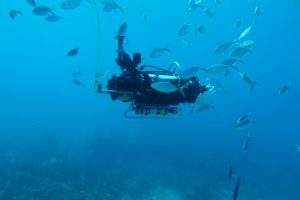 WARPLab does research related to developing novel AI and ML guided behaviors for underwater robots. Current ongoing projects in the lab relate to enabling robust operations of robots in coral-reef like environments that are geometrically and visually complex. We are developing capabilities to enable robots to automatically visually characterize habitat types, avoid obstacles, and follow marine animals. Students with a background in EE, CS, or MechE, and interest in robotics are encouraged to apply.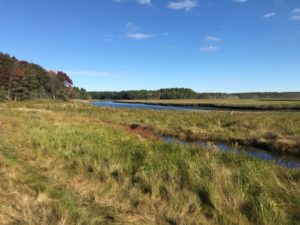
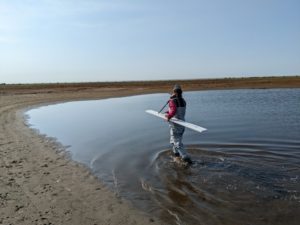
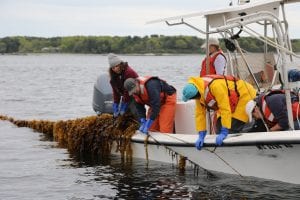 The Applied Aquaculture Research Program (
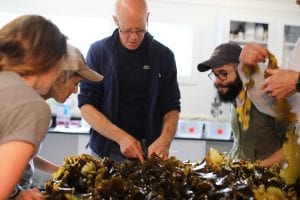 selected farmed and wild kelp or from vegetative gametophytes in the lab, involves tracking the development and growth rate of kelp gametophytes, and optimal seeding density on string or rope substrates to be planted onto ocean farms. Students will gain laboratory skills pertinent to research and commercial seaweed nursery operations including microscopy, cell counting, and image analysis, as well as specialized skills such as preparation of kelp tissue for spore release and identifying different life stages of kelp.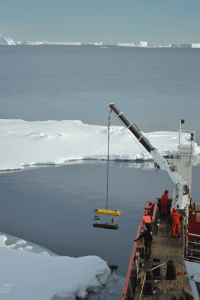
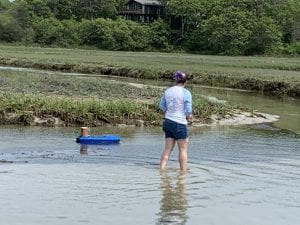 Our interdisciplinary (engineering and chemistry) research focus is on advancing environmental observation through the development and deployment of novel sensors for measurement of key chemical species. In my lab, we design, build, and deploy advanced laser-based chemical sensors for environments ranging from the deep sea to Arctic environments. We are especially interested in bringing new technologies to the field for measurement of the greenhouse gases methane and carbon dioxide. An additional focus of our lab is on bringing adaptive sampling to ocean and earth science. More recently, we have been developing approaches for detecting microplastics in the ocean.
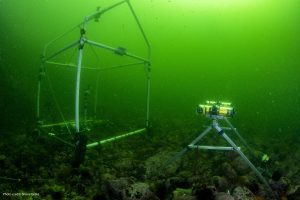 Many animals (including fish!) produce sound in the ocean to orient themselves, find food, and communicate with each other. By listening to the ocean (i.e. passive acoustics) we can non-intrusively monitor the presence, location, identity, behavior and number of soniferous marine animals (e.g. fish, pinnipeds, whales) over long periods of time and large areas. My research focuses on using passive acoustics to enhance our understanding of marine ecosystems and support efforts in conservation and fisheries management. I make extensive use of signal processing and machine learning techniques and develop low-cost instrumentation to enable the collection and analysis of passive acoustic data at scale. My current projects include the identification and characterization of sounds from rocky reef fishes off British Columbia (Canada) using compact volumetric audio-video arrays, the development of low-cost audio-video arrays, the spatial and temporal analysis of haddock and herring sounds in the Gulf of Maine (US) using passive and active acoustics, the characterization of fish sounds from the Great Barrier Reef (Australia), and the monitoring of Pacific walrus in the Arctic. There is a wide variety of projects that summer students could work on depending on their interests.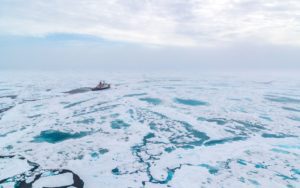
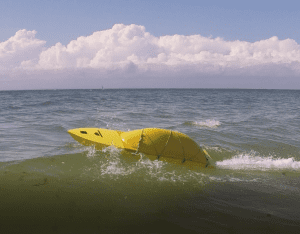
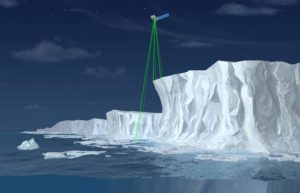
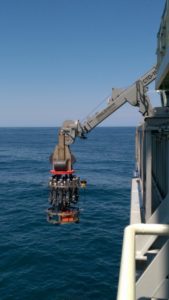 My research focuses on ever-changing ocean currents in different parts of the ocean and their impact on biology, such as phytoplankton distribution and fish behavior. As part of the Northeast U.S. Shelf Long-Term Ecological Research (NES-LTER) program, we have been analyzing observations on the continental shelf south of Woods Hole. The goal is to use observed physical environment to reveal causes of changes in the ecosystem. There are a range of possible summer projects related to this for motivated undergraduates. For instance, students could analyze observational data from Ocean Observing Initiative moorings and satellites to understand changes in temperatures and flows, and then use them to investigate causes of unexpected sudden phytoplankton blooms or daily vertical migration of fishes. There are also opportunities to participate in cruises and computer modeling.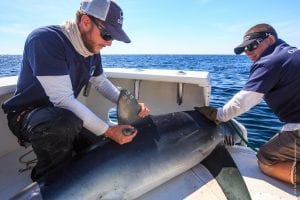
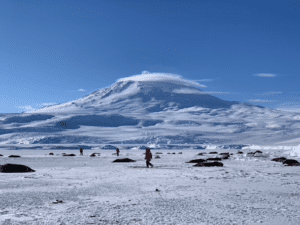
 My research is focused on quantitative plankton ecology and in my lab there are a range of possible summer projects for motivated undergraduates. Most on-going projects are related to coastal ecosystems and time series observations of plankton at scales from single cells up to large areas that can be monitored with satellite remote sensing. We have on-going field work as part of the Northeast U.S. Shelf Long-Term Ecological Research (NES-LTER) program and at the Martha's Vineyard Coastal Observatory, which is a facility on the continental shelf near WHOI that is connected to shore by power and fiber optic cables. We have developed some exciting new submersible flow cytometer technologies that rapidly measure microscopic particles (mostly phytoplankton, but also protozoa), including video imaging at the micron scale. These instruments are deployed at MVCO and produce lots of data (e.g., >10000 images per hour for months to years), so projects involving these time series can span from computer science (image analysis, computer vision, and machine learning) to modeling of populations and bloom dynamics. There are also opportunities for projects involving coastal field work, laboratory experiments with plankton cultures, and instrument development.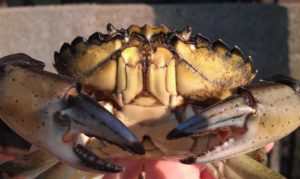
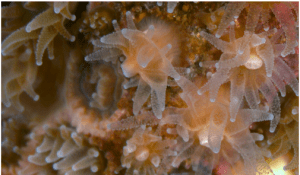
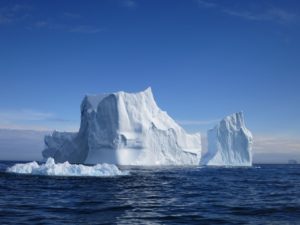 Much of the floor of the northern North Atlantic Ocean is covered by thick deposits of ice-rafted debris (IRD) that stretch all the way from Canada to the coast of Portugal, ~3,000 km to the east. These sediments were deposited throughout the last glacial period during Heinrich events, when icebergs were released from the major ice sheets fringing the North Atlantic Ocean. The alignment of these periods of ice-rafting with dramatic and large-scale changes in ocean and atmospheric circulation has often prompted the suggestion that the input of freshwater from melting icebergs played a critical role in altering glacial climate. Precisely how much ice and freshwater were involved in the formation of these ice-rafted sediment deposits is, however, largely unknown due to a very limited understanding of how much sediment is transported by icebergs. As such, the overall sensitivity of large-scale ocean circulation to freshwater forcing remains difficult to quantify. The goal of this exciting Summer Student Fellowship project is to simulate the transport of sediment by icebergs in the laboratory. The experiments will involve placing small ‘synthetic’ sediment-laden icebergs (made in a freezer) in a tank filled with saltwater to investigate how and where sediment ‘builds up’ on the tank floor. A creative set of experiments using icebergs with, for example, different sediment-loading patterns and drift speeds will be performed. The results from these experiments will then be used to improve simulations of Heinrich events made using the iceberg component of a numerical circulation model developed at MIT (MITberg). The ideal student should have some prior knowledge of fluid dynamics, physical oceanography, numerical modeling, and/or, paleoclimatology, although the most important quality is that the student is motivated! This exciting cross-departmental project will be co-supervised by WHOI scientists Alan Condron, Claudia Cenedese, Olivier Marchal, and Jack Whitehead. Alan Condron's profile Claudia Cenedese's profile Olivier Marchal's profile Jack Whitehead's profile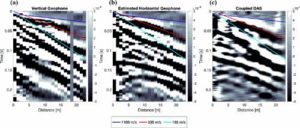
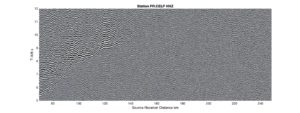
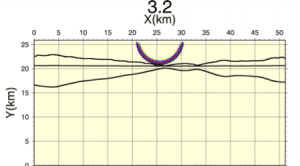 Seismic wavefield modeling is fun, and you don’t necessarily have to understand the next sentence to do it. I would like to test the idea that we can do 3D seismic imaging with 2D ‘feathered’, 2D pre-stack multi-channel seismic (MCS) data. The ‘work’ involves generating a 3D seismic dataset by running a number of synthetic wavefield models, like the one shown below (for Line 5 of in the map below) for a couple of time steps. Then, we take the synthetic wavefields recorded at the model’s surface and ‘migrate’ backwards to create an image of the subsurface. We know this works for ‘perfect’ data, but we don’t know how sparse that data can be and still be able to create a reliable image.
 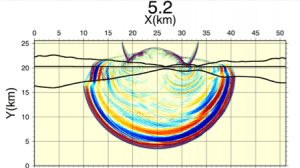 This project will help us understand new data that we have acquired with a 15-km-long seismic streamer across the Chain Transform fault in the equatorial Atlantic Ocean (Figure below), with the goal of understand transform-fault seismicity. Normally we tow a single streamer behind a ship across a feature of interest, and the streamer follows the same path as the ship. In the case of our new dataset, currents pushed the streamer laterally, so that it followed the ship at a ~20 degree angle to the track line (‘feathering’). Consequently, standard 2D processing will not work. We ought to be able to make a 3D image of the subsurface with this dataset using wavefield migration, but we need to test that this will work using a synthetic dataset.
 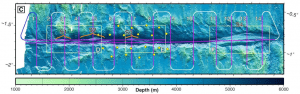 Interested students should have some level of competency with a programming language, some physics, and ideally some background in signal processing. However, any student who finds the idea of this project cool and has a decent quantitative background will be able to do this and have fun in the process. Dan Lizzaralde profile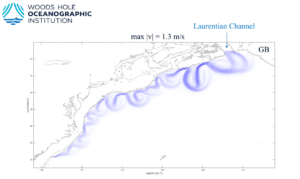
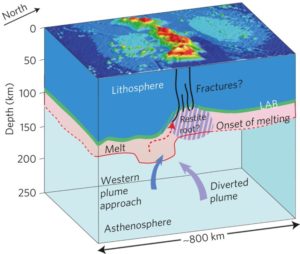
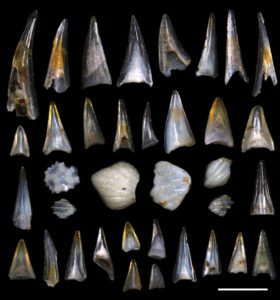
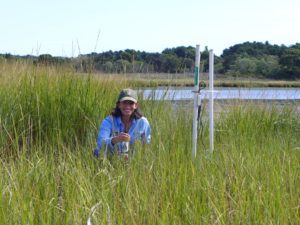
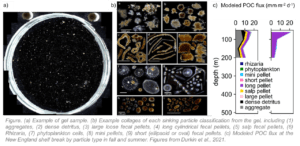 In Café Thorium’s lab we have been estimating carbon fluxes in the ocean since the late 80’s. Thorium is just one of many radioactive elements we measure. We analyze samples for both natural and manmade radionuclides. By knowing their source term, geochemistry, and radioactive decay properties, we use radionuclides as in situ tracers of a wide variety of chemical, biological and physical processes. Our techniques also include sediment traps, underwater cameras (UVP type), and particle incubations. Physical and biological processes occurring in the surface ocean generate a vast diversity of particles. These particles represent potential vehicles to export organic carbon to the deep ocean, where a small fraction can eventually be sequestered in the sediments. This process, known as the “biological pump”, influences the level of atmospheric carbon dioxide and thus the global climate system. Because of the complexity of this mechanism and its spatial and temporal variability, our predictions of the efficiency of the biological pump in varying conditions remain poorly constrained. A better understanding of particle properties is needed to reduce uncertainties. “Gel traps” allow for the collection of intact natural particles as they sink in the water column, and thus give a direct “picture” of the sinking flux at the depth of trap deployment. Image analysis of particles embedded in gels can provide particle statistics, and conversion from area to volume and from volume to carbon content, using empirical relationships, allows for estimation of the carbon flux and the relative importance of each category of particle. In this summer project a total of 15 gel samples from 2 different cruises in the North Atlantic will be visually examined by microscopy to quantify the flux and identity of individually sinking organisms. Cruises were carried out as part of WHOI's Ocean Twilight Zone (OTZ) project. Sinking particles and organisms that settle into the gel layer remained distinctly separated, preserving original characteristics of size and quantity and constituents. The images well serve us to 1) group marine snow in different visual categories, 2) estimate particle sinking fluxes in the ocean, 3) assess oceanic carbon export by particle type by using allometric relationships, 4) link particle visual properties to particle carbon content and particle sinking rates, and 5) compare images from gel samples with existing images from particle collected with Niskin bottles as a proof of concept. If you have basic knowledge of microscopy and marine taxonomy and an interest in learning about particle imaging techniques and their use to study the ocean, we encourage you to check out our group. You will be responsible of 1) taking images of gel sediment trap samples under the microscope for several magnifications, 2) running the existing python-based image processing scripts to analyze gel trap images by recognizing particles in an image, and then counting and measuring them, 3) estimating particle sinking fluxes from gel samples images, 4) comparing estimated fluxes to fluxes measurements available from other techniques used in the lab (e.g., sediment trap, Thorium-234 an, and UVP images), and 5) elaborating a synthesis report of activities carried out and main results. As a summer student in Café Thorium, you will learn about the many techniques we use to estimate carbon fluxes in the ocean and experience the dynamic environment that life at WHOI offers. Café Thorium website: https://cafethorium.whoi.edu/ OTZ project: https://twilightzone.whoi.edu/ Ken Buesseler profile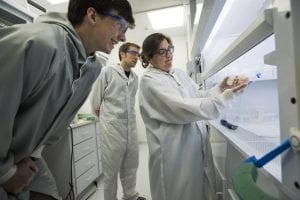
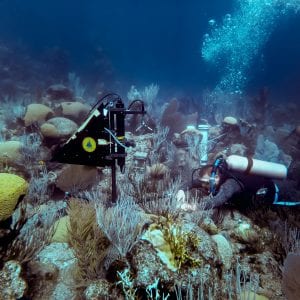 My research explores the ways that natural and anthropogenic processes influence the structure and function of marine ecosystems through unique engineering solutions, advanced instrumentation, and technology development. Studies of biogeochemical cycling, physical transport processes, and bio-physical interactions are principle components of my research into carbon and nutrient cycling in coastal environments. These topics are significant because the long-term effects of human activities, which are rapidly altering climatic conditions and nutrient cycling, are not well understood. Opportunities in my lab include the development of low-cost sensors through electro-mechanical engineering, development of advanced sensors and control systems, and field application and testing of sensing platforms. Advanced sensing systems collect high-frequency data (e.g. water chemistry, turbulence) which is
  used to calculate chemical fluxes through boundary layer exchange techniques allowing for opportunities for experience in time-series analysis, fluid mechanics, and biogeochemistry. Fellows with combined experience in engineering or biogeochemistry, and interests in electro-mechanical engineering, fluid mechanics, or ecosystem science will are encouraged to join the Machine Lab gain experience in interdisciplinary scientific research. Matthew Long's profile
 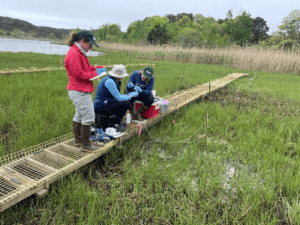 (1) Climate solution: Marine CO2 Removal (mCDR). The consensus of the climate science community is that reduction of carbon emissions alone is not enough to curb the global mean temperature increase below 2°C at the end of this century, the threshold that catastrophic consequences of global warming may occur. Global society needs to take action to remove CO2 from the atmosphere to subsidize the effort of carbon emission reduction to achieve the goal of <2°C warming. We have started a few projects to study marine CO2 removal methods and their potential environmental impacts. Naturally, tidal wetlands, such as salt marshes and mangroves, remove large amounts of CO2 from the atmosphere. We leverage these ‘blue carbon’ ecosystems to develop a novel, advantageous approach to coastal mCDR, which couple CO2 capture by coastal wetlands with enhanced coastal Ocean Alkalinity Enhancement (OAE) and local-scale Ocean Acidification mitigation. In OAE, basic minerals or solutions are added to seawater to increase its alkalinity and thus the capacity of CO2 uptake. The student will have the opportunity to participate in the multi-institution project to conduct lab and field experiments to test the new method and assess its benefits and impacts, particularly related to carbonate chemistry and CO2 fluxes. (Photo 1. Sampling porewater chemistry in mCDR treated marsh sediments.)
 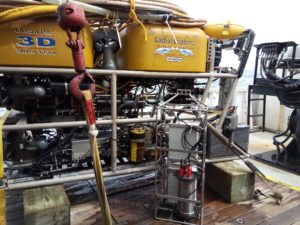 (2) New-generation in situ carbon and pH sensors. The goal of this work is to develop low-cost in situ sensor system for high-frequency measurements of seawater CO2 parameters, i.e., pH, pCO2, dissolved inorganic carbon (DIC), and alkalinity (Alk). We will leverage this development and our on-going collaborations with the fishing community, NOAA fishery, and citizen scientists for large-scale deployments of these sensors to establish a cost-effective, wireless connected, openly accessible coastal carbon observing network. The student can join the sensor development team to learn engineering skills (electronics, optics, mechanics, and software) as well as seawater carbonate chemistry to develop various in situ sensors to seawater CO2 parameters. (Photo 2. Deployment of a Channelized Optical System (CHANOS) II DIC sensor on ROV Global Explorer) Zhaohui 'Aleck' Wang's profile