
Research Highlights
Oceanus Magazine
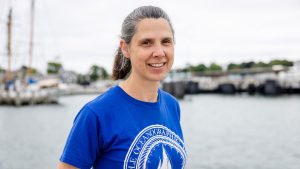
Three questions with marine research technician Emily Peacock
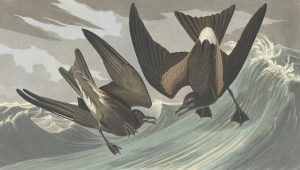
New GPS tracking on petrels reveals a surprising survival strategy hidden in the eye of the storm
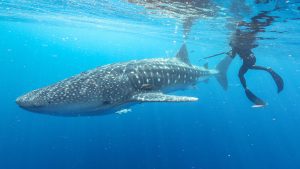
Marine biologist Camrin Braun explains why the world’s largest fish visit waters off Cape Cod—and what their epic migrations reveal about a changing ocean
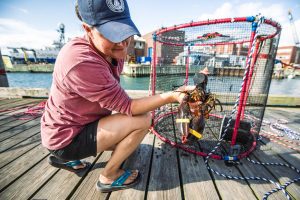
WHOI’s Sensory Ecology Lab investigates whether an industrialized soundscape impacts the health of a New England icon
News Releases
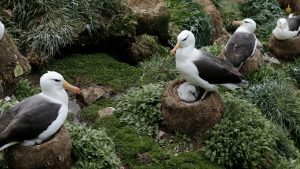
New WHOI-led study of black-browed albatrosses finds that climate mitigation may matter more than evolution for population persistence
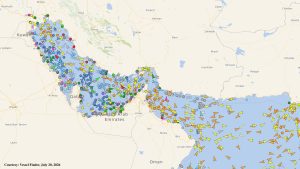
New analysis says thousands of stranded vessels may unintentionally spread invasive marine life worldwide
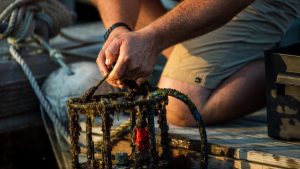
The Seafood Engine will initially receive an award of $15 million over two years, with the potential to grow up to $160 million over ten years as it works to build an internationally competitive technology and innovation cluster.
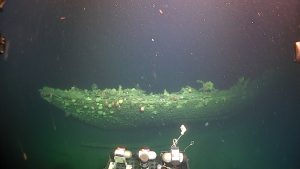
The Heroic Age Expedition, led by the Royal Canadian Geographical Society in partnership with Woods Hole Oceanographic Institution, reveals the famed Antarctic explorer’s last ship, Terra Nova in stunning detail
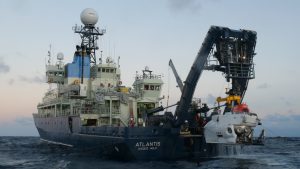
The Royal Canadian Geographical Society, in partnership with WHOI, will undertake “once-in-a-generation” expedition to survey Sir Ernest Shackleton’s Quest and Captain Robert Falcon Scott’s Terra Nova
News & Insights
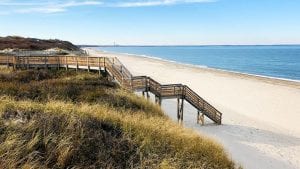
Beach parking lots across Cape Cod are closed to reduce the spread of COVID-19. As summertime approaches, will the beach crowds that normally show up after Memorial Day will be staying away this year? WHOI microbiologist Amy Apprill weighs in.
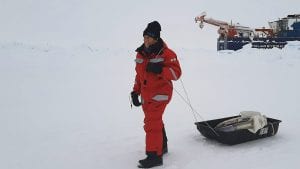
WHOI biologist Carin Ashjian is aboard the icebreaker Polarstern in the Arctic as part of the year-long MOSAiC research expedition. She should be almost home by now. Instead, her stay has been extended by COVID19.
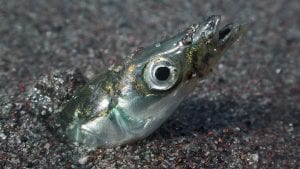
Marine biologists tackle an unsettling mystery surrounding sand lance–eel-like, dive-bombing fish that have become a cornerstone forage species for a wide range of marine animals in the Gulf of Maine and northwest Atlantic Ocean.
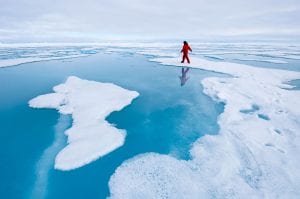
Oceans of Change WHOI scientists learn how the ocean shapes—and is shaped by—global climate By Madeline Drexler (Photo by Simon Buchou on Unsplash) “THE SEA NEVER CHANGES, AND ITS WORKS, FOR ALL THE TALK OF MEN, ARE WRAPPED IN MYSTERY.”…
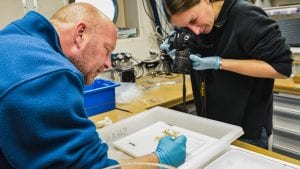
WHOI biologist Tim Shank discusses the exploration of deep-sea canyons throughout the Mid-Atlantic Ocean and how ecosystems there can be managed sustainably in the face of climate change and increased human pressures.