
2026 Potential Projects
- Summer Student Fellowship
- UMass Dartmouth Internship Program
- CCCC Blue Economy Internships
- Undergraduate Resources
- Contact Us
Below is a list of potential projects and advisors in the WHOI departments and the USGS Coastal and Marine Science Center for Summer 2026. This list is not comprehensive; other Scientific and Senior Technical Staff are eligible to advise Summer Student Fellows. See also: WHOI Areas of Research and Departments, Centers and Labs.
Applied Ocean Physics and Engineering Dept.
AI and ML guided behaviors for underwater robots
Yogesh Girdhar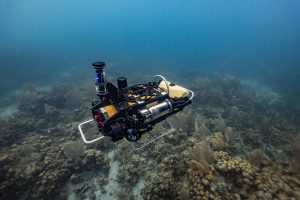 The WARPLab at WHOI develops autonomous underwater robots that can perceive, understand, and interact with complex marine environments. Ourresearch spans robot vision, machine learning, field robotics, and marine science, with a strong emphasis on deploying new technology in real ocean environments like coral reefs.
Some potential projects could include:
- Underwater Image Color Correction on CUREE: This project focuses on integrating an existing deep-learning–based underwater image color correction algorithm developed by the lab on a real underwater robot. Student will adapt the algorithm for onboard execution, evaluate its performance on previously collected datasets, and optimize it for embedded or resource-limited hardware.
- Self-Supervised Representation Learning on Underwater Imagery: This project explores self-supervised representation learning for underwater imagery. The core idea is to train AI models that learn rich visual representations - without manual labels - that transfer well to downstream underwater tasks such as classification, segmentation, mapping, or anomaly detection. Students will have access to a wide range of existing underwater image datasets collected at multiple field sites, and computational resources in lab with GPUs for model training. Depending on progress and interest, the student may have the opportunity to deploy and test their algorithm on the actual robot, including a short local field trip.
- Robust Visual Detection of Marine Animals: Visual detection of fish and other marine animals in visually complex coral reef like environments is a tricky problem, even with the use of state-of-the-art object detection neural networks. This project will explore the use of motion cues in improving animal detection and classification.
These projects require fluency in either C++ or Python. The student can expect to develop experience in:
- Programming for robotics and computer vision applications
- Underwater image formation model
- Vision foundation models
- Understanding and adapting algorithms for embedded or real-time robotic systems
- Basic field testing with a working autonomous underwater robot
- Practical skills in data handling, evaluation, and communicating results.
Oceanus article: A curious robot is poised to rapidly expand coral reef research
Seasonal groundwater and carbon dynamics in New England salt marshes
Julia Guimond and Meagan Eagle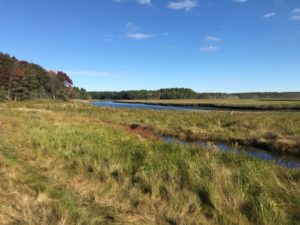
Coastal salt marsh.
Coastal wetlands are critical carbon sinks, where atmospheric carbon is stored in marsh sediments or exported to the ocean. However, most of what we know about carbon sequestration and water-flow dynamics in coastal wetlands (e.g., salt marshes) comes from summer observations, with much less attention paid to how cold seasons influence carbon processing, storage, and export.
Our team includes hydrologists and modelers in WHOI’s Coastal Ocean Fluid Dynamics Laboratory and biogeochemists at the USGS working to understand how seasonal freezing and thawing of New England salt marshes alter groundwater flow and the exchange of water and carbon with the ocean. We evaluate soil temperature dynamics, groundwater flow, surface-water fluxes, and biogeochemical processes to unravel ecosystem behavior during these often-overlooked periods.
Potential student projects within this scope include:
- Evaluating salt marsh soil temperature across latitudinal gradients and over multiple years.
- Quantifying groundwater–surface water exchange in different marshes across seasons.
- Relating subsurface biogeochemical changes to seasonal hydrothermal dynamics.
Summer field work will be included to compare processes between summer and winter, complemented by data analysis and, where appropriate, numerical modeling. An interest in field work, quantitative data analysis, and problem-solving in environmental science will be foundational to project success.
USGS: https://www.usgs.gov/centers/whcmsc/science/environmental-geochemistry
Remote sensing of ocean ecosystems
Henry HousekeeperMy lab studies the aquatic light environment, spanning the open ocean to the coastal zone and inland waters. Methods include remote sensing (airborne or satellite), in situ light measurements, and optical modeling. We're interested in leveraging remote sensing to study biology, how organisms from microscopic phytoplankton to kelp forests respond to environmental variability, and to monitor water quality- from wastewater plumes to surface oil slicks
Experience in remote sensing or optics is helpful, but not necessary. Experience with coding (e.g., Python) is useful. Students can expect to gain skills in time series analysis, remote sensing techniques, and measurement of optical properties in natural waters.
Algorithms and robotic systems
Nare Karapetyan The FILD Lab develops algorithms and robotic systems that can operate autonomously in complex, unstructured, and uncertain real-world environments both with single and multi-agent systems. Our research lies at the intersection of robotic decision making, path planning, learning, and field robotics, with impactful real world applications such as bathymetry mapping, oyster monitoring and wildlife tracking. We study how to determine where and how to visit locations efficiently to explore and discover interesting regions in the area. Students will have access to high compute resources (GPUs), robotics platforms - surface vehicles, underwater and ground vehicles. Some of the potential projects include:
- Vision-Based Navigation - how to navigate in an unknown environment using only cameras as humans do and collect interesting information about the environment, such as maximizing the time a robot spends over oyster or coral reef, over a shipwreck or efficiently monitoring wildlife.
- Coverage Path Planning - planning high level trajectories that cover the regions of interest given the geometry of the environment and sensing or navigation constraints of the vehicle.
- Multi-agent exploration - planning how to use vehicles with different sensing capabilities to complement each other’s mission and efficiently survey an area of interest.
Through this project, students will gain experience in algorithmic planning, programming (Python or C++), and simulation-based evaluation, and will participate in real-world robotic field deployments.
Students who enjoy problem solving, coding, or robotics, and who are curious about how autonomous systems make decisions over time, will be a good fit for this work. Prior experience with robotics or machine learning is helpful but not required.
Website: https://sites.google.com/view/nkarapetyan
Projects Page: https://sites.google.com/view/nkarapetyan/potential-projects
Automated Planning for Drift-Based Ocean Robots
Nare Karapetyan and Mike Jakuba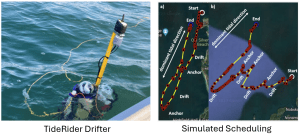 TideDrift: Automated Planning for Drift-Based Ocean Robots - In this project, students will work on automating the planning process for a coastal profiling robot that moves by drifting with ocean currents. Instead of manually selecting when the robot should drift or anchor, students will develop algorithms that use ocean current forecasts and simulation to automatically choose efficient drift/anchor schedules. The project focuses on planning and optimization, with optional exploration of AI-based approaches depending on interest and background.
Through this project, students will gain experience in algorithmic planning, programming (Python or C++), and simulation-based evaluation, and will participate in real-world robotic field deployments.
Students who enjoy problem solving, coding, or robotics, and who are curious about how autonomous systems make decisions over time, will be a good fit for this work. Prior experience with robotics or machine learning is helpful but not required.
Website: https://sites.google.com/view/nkarapetyan
Projects Page: https://sites.google.com/view/nkarapetyan/potential-projects
Applied Aquaculture
Scott Lindell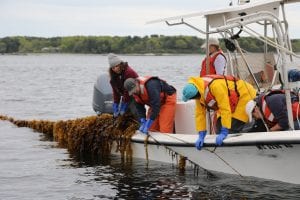 The Applied Aquaculture Research Program (Lindell Lab) is researching and developing marine aquaculture for sustainably providing food, feed and fuel. We strive to develop methods that provide positive ecosystem services and economic development opportunities and minimal negative social and environmental impacts. This demands a multi-disciplinary approach encompassing various subsets of biology (e.g. genetics, physiology, ecology), and engineering. A major research focus is on selective breeding and improving hatchery/nursery processes for ocean farming sugar kelp (Saccharina latissima). We have three potential student projects for this summer:
1) screen and select heat-tolerant kelp varieties at different life stages that are resilient to changing ocean conditions. Our lab has hundreds of individual kelp strains collected from different environments that have yet to be tested. Students will gain experience with experimental design, microscopy skills, measuring algae physiology, and data synthesis. Results will be pertinent to selecting resilient kelp strains for farming or restoration projects.
2) quantify several key metrics of kelp reproductive and developmental biology in a lab/nursery setting. This starts with spore production from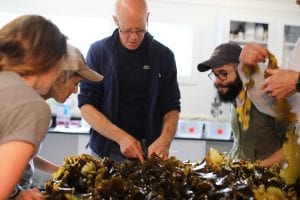 selected farmed and wild kelp or from vegetative gametophytes in the lab, involves tracking the development and growth rate of kelp gametophytes, and optimal seeding density on string or rope substrates to be planted onto ocean farms. Students will gain laboratory skills pertinent to research and commercial seaweed nursery operations including microscopy, cell counting, and image analysis, as well as specialized skills such as preparation of kelp tissue for spore release and identifying different life stages of kelp.
3) quantifying key environmental factors associated with land-based kelp culturing. We are newly growing kelp tumble tank cultures as a proxy for testing kelp strains in the ocean. This project will help dial in the best temperature, light intensity and periodicity, aeration, and nutrient conditions for optimum growth. The project will also track the growth and other traits of interest of several strains grown in the “common garden” tank environment.
All projects will equip students with microscopy, image acquisition and analyses, data collection and analysis skills, and experience working with kelp aquaculture.
Sea Ice Physics and Ice-Ocean-Climate Interactions
Ted Maksym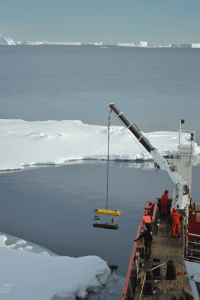
Deploying an autonomous underwater vehicle under the sea ice to map its thickness
The Maksym lab works on sea ice physics and ice-ocean-climate interactions at both poles. The lab's broad goals are to understand fundamental ice-ocean interactions that drive seasonal ice growth and decay to better understand drivers of sea ice variability and long-term change. The annual advance and retreat of Arctic and Antarctic sea ice is among the greatest seasonal events on earth. It is also one of Earth’s most rapidly changing environments. Our research focuses on fundamental sea ice physics and ice-ocean-climate interactions at both poles to better understand the drivers of sea ice variability and long-term change. This is accomplished through a combination of in situ observations (particularly using autonomous platforms and robotic vehicles), satellite data analysis, and modeling. Potential projects in my lab fall into three main areas. We have several projects that use data from ICESat-2, a satellite altimeter which can detect sea ice elevation with a precision of 2 cm. We are using these data for a range of projects including monitoring the evolution of snow depth on sea ice in the Antarctic, the connection between ice thickness and spring phytoplankton blooms in the coastal Arctic, and quantifying ice growth and melt in coastal Antarctica. For those with a preference for working with in situ observations, another project could include analysis of ice growth and melt data from drifting buoy platforms from the Arctic or Antarctic. Or, a prospective student could be involved in laboratory experiments to understand the mechanisms controlling the growth and development of snow-covered sea ice. Students should have some familiarity with programming environments such as Matlab or Python. An interest in working with satellite imagery, or experience with laboratory of field instrumentation would be an asset. The student can expect to learn how to analyze different types of satellite data and imagery, work with large climate date sets, and gain experience working with instrumentation and electronics.
Development of In situ Chemical Sensors
Anna Michel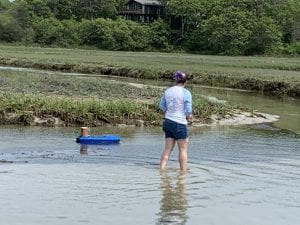 Our interdisciplinary (engineering and chemistry) research focus is on advancing environmental observation through the development and deployment of novel sensors for measurement of key chemical species. In my lab, we design, build, and deploy advanced laser-based chemical sensors for environments ranging from the deep sea to Arctic environments. We are especially interested in bringing new technologies to the field for measurement of the greenhouse gases methane and carbon dioxide. An additional focus of our lab is on bringing adaptive sampling to ocean and earth science. More recently, we have been developing approaches for detecting microplastics in the ocean.
Projects can include developing and testing small gas sensors, investigating microplastics in ocean environments, advancing small platforms (including underwater remotely operated vehicles, surface vehicles, or drones) for making environmental measurements, and using machine learning approaches for data analysis. Our group includes members with interests in environmental chemistry, engineering, computer science, and physics, but we welcome anyone with interests related to our research. Students can expect an interdisciplinary research experience.
Passive Acoustics for Marine Conservation and Fisheries Management
Xavier Mouy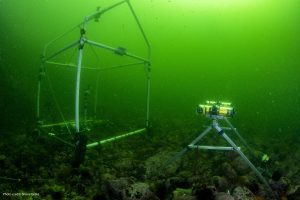 Many animals (including fish!) produce sound in the ocean to orient themselves, find food, and communicate with each other. By listening to the ocean (i.e. passive acoustics) we can non-intrusively monitor the presence, location, identity, behavior and number of soniferous marine animals (e.g. fish, pinnipeds, whales) over long periods of time and large areas. My research focuses on using passive acoustics to enhance our understanding of marine ecosystems and support efforts in conservation and fisheries management. I make extensive use of signal processing and machine learning techniques and develop low-cost instrumentation to enable the collection and analysis of passive acoustic data at scale. My current projects include the identification and characterization of sounds from rocky reef fishes off British Columbia (Canada) using compact volumetric audio-video arrays, the development of low-cost audio-video arrays, the spatial and temporal analysis of haddock and herring sounds in the Gulf of Maine (US) using passive and active acoustics, the characterization of fish sounds from the Great Barrier Reef (Australia), and the monitoring of Pacific walrus in the Arctic. There is a wide variety of projects that summer students could work on depending on their interests.
Possible summer projects include:
- Developing of deep neural network models for the automatic classification of species-specific fish sounds.
- Analyzing 3D passive acoustic localizations and video imagery to identify new sounds from fish and invertebrates in British Columbia and Australia.
- Developing a prototype of low-cost Raspberry Pi -based multichannel audio-video recorder.
- Developing a graphical interface to facilitate the analysis of data from audio-video arrays.
These projects would involve significant amounts of computer coding (e.g. python), hands on engineering and some field testing.
WHOI page: https://www2.whoi.edu/staff/xaviermouy/
Website: https://xaviermouy.weebly.com/
Sea ice-ocean interactions in observations and climate models
Maddie Smith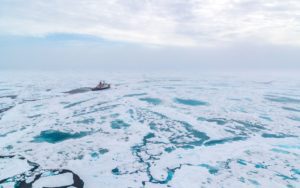
Our research merges observations with climate models to improve understanding of the interactions of sea ice with the upper ocean in changing Polar Oceans. Projects within our group for the coming year would use climate model outputs in comparison with observations. The overarching aim is to understand primary factors that impact the ability to reproduce climatically relevant sea ice properties.
One potential project for this year would compare sea ice melt rates across global climate models in order to constrain potential future change. Another example project would explore the representation of microplastics in sea ice — which have been observed to be orders of magnitude higher than in the ocean — as a function of factors like ice growth rate and ice type, compared to point observations. At this time, all of the potential projects would be computer-based, where some basic coding experience with Python or Matlab would be beneficial.
Autonomous Surface Vessel Development
Peter Traykovski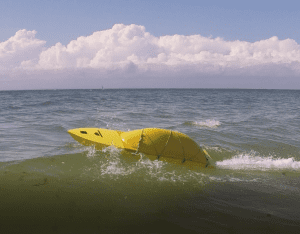
WHOI Engineers and scientists have recently developed the Jetyak Autonomous Surface Vessel (ASV), which has enabled interesting measurements in environments ranging from the Arctic to Coastal Estuaries. See http://www.whoi.edu/oceanus/feature/the-jetyak. However for many applications a smaller ASV that could be launched and recovered by one person would be more suitable. In very rough conditions (e.g. the surf zone) the gas engine of the jetyak is problematic. Summer Student Fellow Projects that continue in the development of a smaller electric motor and battery powered ASV are possible that cover topics ranging from mechanical design to adaptive robotic control in the surfzone. Sensor integration such as bathymetric sonars or camera systems could also be part of a project These projects would involve significant amounts of hands on engineering and field testing.
Employing AI tools to uncover the secrets of coral reef resilience
Peter Traykovski and Anne CohenCoral reefs are critically important ocean ecosystems threatened by a combination of local and global stressors. In the Marshall Islands, central Pacific, the capital island of Majuro boasts healthy, diverse, disease free coral reef communities in some areas, despite heavy population pressures, military activity that changed island geomorphology, and multiple heatwaves over the last two decades. We are working to understand the factors that enable Majuro’s healthy reefs to thrive, including benthic surveys to characterize and compare both healthy and unhealthy reef communities, and quantification of the oceanic (hydrodynamic) conditions that these communities experience, in both normal years and in heatwave years.
The SSF on this project will conduct research using an AI-powered image processing pipeline to analyze and interpret benthic images from Majuro’s reefs. These new images were captured in 2024 and 2025 by our first time deployment of a robotic vehicle (Yellowfin), designed to maneuver over shallow water coral reefs without disturbing the ecosystem, taking photos, and recording depth, temperatures, and GPS location. The PIs and the SSF will design the study together, decide on the important questions we want to address, and what information we need from the images to enable us to answer the questions. The SSF will also have the opportunity to extract and analyze oceanographic data, such as reef temperatures and currents, to assist in the interpretation of the results.
Antarctic ice-ocean interactions using satellite remote sensing
Catherine Walker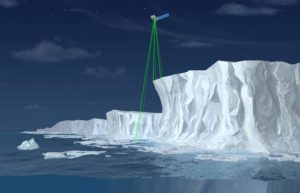
Remote sensing satellites like ICESat-2 help to understand how the changing ocean interacts with towering ice shelves and glaciers around Antarctica.
Research on ice-ocean interactions is quite broad. The main focus of research, both on Earth (Antarctica! Greenland! Alaska!) and in space (Jupiter’s moon Europa! Saturn’s moon Enceladus!), will be to understand how ice-ocean systems change over time. Example projects in this topic could focus on either remote sensing or modeling. Using remote sensing techniques that involve laser altimetry and satellite imagery, we can focus on how ice is changing on Earth due to interactions with the ocean, particularly in how it will change with the climate. One sample project focus would be to focus on coastal glaciers in Antarctica and how they interact with changes in the surrounding ocean waters. We can also monitor iceberg breakup and sea ice changes and its effects on ice shelf stability. Understanding how coastal topography changes with shifts in ocean properties is also of interest. Another research focus is the development of instrumentation to observe these systems. Alternatively, modeling studies of ice fracture and subsurface water in planetary bodies (“Ocean Worlds”) are of interest as well, to determine how and when these bodies were active. Specifically, we can help to determine where the best place to land a spacecraft might be! A specific project might be using remote observations and modeling to determine how the soon-to-launch Ganymede Laser Altimeter will perform over bumpy ice surfaces. Desired skills include Matlab or Python or other coding experience, and interest in learning about ice dynamics, planetary science, and/or climate change. At this time, none of the projects require hands-on lab work, though that can be discussed as a possibility.
Ocean Currents and Biological Impacts
Weifeng (Gordon) Zhang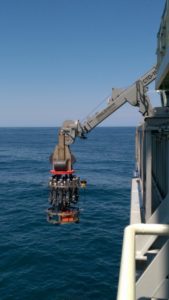 My research focuses on ever-changing ocean currents in different parts of the ocean and their impact on biology, such as phytoplankton distribution and fish behavior. As part of the Northeast U.S. Shelf Long-Term Ecological Research (NES-LTER) program, we have been analyzing observations on the continental shelf south of Woods Hole. The goal is to use observed physical environment to reveal causes of changes in the ecosystem. There are a range of possible summer projects related to this for motivated undergraduates. For instance, students could analyze observational data from Ocean Observing Initiative moorings and satellites to understand changes in temperatures and flows, and then use them to investigate causes of unexpected sudden phytoplankton blooms or daily vertical migration of fishes. There are also opportunities to participate in cruises and computer modeling.
Weifeng (Gordon) Zhang profile
Northeast U.S. Shelf Long-Term Ecological Research (NES-LTER)
Biology Dept.
Interactive effects of multiple stressors on early life stages of vertebrates; Developmental neurotoxicity of environmental contaminants
Neel Aluru- Interactive effects of multiple stressors on early life stages of vertebrates: The aim of this project is to understand the role of climate change stressors such as elevated carbon dioxide and hypoxia on early life stages of ecologically important fish species (e.g., Atlantic silverside). We have previously demonstrated that exposure of Atlantic silverside embryos to combined stressors (carbon dioxide and hypoxia) delayed development (time to hatch) and growth. We are currently investigating the biochemical and molecular changes underlying these phenotypes. Students will have the opportunity to participate in these studies. They will get hands on experience in conducting wet lab experiments as well as learn skills in biochemical, molecular and bioinformatic approaches.
- Developmental neurotoxicity of environmental contaminants: The overall objective of this project is to understand the effect of exposure environmental chemicals on developing nervous system. Using zebrafish as a model system, students will have an opportunity to conduct developmental exposure experiments, use confocal imaging for quantifying changes in the nervous system and conducting gene expression analysis.
Harmful Algal Bloom Ecology
Mike BrosnahanOur lab studies harmful algal blooms (HABs) and their response to environmental change. We work on developing new methods and sensor systems in lab and in field sites to understand the biology, ecology, and occurrence of the species that cause these blooms. Some projects a student may work on include: 1. Impact of ocean acidification on a toxic dinoflagellate The aim of this project is to assess how pH may impact the growth and toxin production of harmful algal bloom-causing dinoflagellates. Students working under this project may be involved in conducting a lab experiment, assisting with some field work at the nearby Cape Cod National Seashore, and/or analyze data collected from prior blooms. 2. Morphology changes throughout a bloom Dinophysis is a dinoflagellate that causes harmful algal blooms. They are “mixotrophic”, feeding on a specific prey in order to grow. This project aims to characterize visual changes (e.g., cell size, cell “fullness”, etc.) in automated microscope images across a bloom that lacks this specific prey. Students working on this project will learn how to handle large datasets in Python, and may assist with some nearby field work. 3. Effect of HAB species and toxins on shellfish Many of the harmful algal bloom species we study produce toxins that bioaccumulate in filter-feeding shellfish. This project would involve a lab experiment to expose shellfish to one or more HAB species and investigate the impact of that exposure on shellfish development, ingestion, and clearance rates. Students working on this project will be involved in developing and executing the lab experiment and analyzing its data.
Marine Predators
Camrin Braun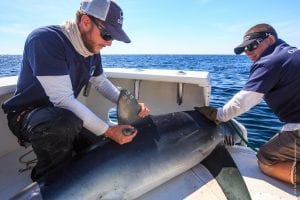
Capt. Willy Hatch and scientist Camrin Braun deploying electronic satellite tags on an adult blue shark offshore from Cape Cod. (T. Sinclair-Taylor)
In the Marine Predator Group, we use computational, lab and field-based approaches to study how predators interact with their environment and what that can tell us about how the ocean works. In our completely unbiased opinions, we have the best jobs in the world! We get to spend our time asking questions like: How does temperature affect when and where sharks migrate? How does the highly dynamic nature of ocean physics, with all its interacting currents, drive the formation of biological ocean “hotspots”? Why do many predators dive below the ocean’s surface to the seemingly inhospitable ocean twilight zone where its dark and cold? To answer these questions we leverage a highly interdisciplinary ocean ecology toolkit that includes, for example, using and developing electronic tags, analyzing remote sensing data from satellites, and exploring data from all kinds of in situ ocean sensors carried by ships, robots, moorings and even the predators themselves! Potential projects for Summer Student Fellows might include: [1] designing your own analysis of predator tag data from our existing database of nearly 2,000 tagged animals (e.g. explore deep diving behavior by tagged mako sharks, migratory cues of tagged albacore tuna, etc); [2] building species distribution models and investigating dynamic ocean management approaches for managing highly migratory predator species (e.g. how does a fishery closure protect important shark habitat); [3] conducting lab experiments to test new approaches for less invasive animal tagging methods (e.g. do state of the art suction cups provide the necessary strength and duration of attachment for tagging sharks, tunas and billfish species). It is helpful to have skills coding in R or Python, but these are not required and some fluency with one coding language will be gained over the course of the summer regardless.
Microbiome-mediated health impacts on corals
Samantha Coy and Amy Apprill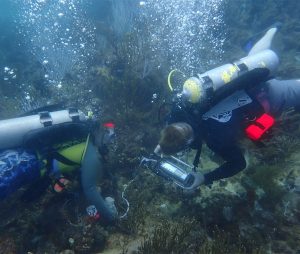 The Coy (Biology Department) and Apprill (Marine Chemistry & Geochemistry Department) labs are seeking a student to co-advise for the 2026 summer student fellowship program. This collaborative project will combine lab themes spanning marine microbial symbioses, virology, and ecology to understand microbiome-mediated health impacts on corals. Specifically, the project will contribute to understanding on the functional role of a common bacterial genera, Endozoicomonas, that is widely distributed among marine metazoans, often dominating healthy microbiomes of hard, reef-building corals. Prospective candidates should describe how their interests align with the proposed work, their enthusiasm to work cooperatively with others, and their organizational skills. The chosen candidate will develop experience in molecular biology, microbiology, coral reef ecology, and computational analyses. There will also be opportunities for exposure to a wide range of coral reef science through participation in Reef Solutions research updates at WHOI (https://reefsolutions.whoi.edu/) as well as through assisting with ongoing projects including those involving aquaria corals. The project will focus on samples and data from corals that harbor Endozoicomonas bacterial associates which we are following over time. In the photo, two divers are measuring the health of the algal symbionts of these corals using a pulse amplitude modulated fluorometer. The student will have the opportunity to work with field-collected data from these corals, in addition to genomics-based data.
Environmental Toxicology
Jed Goldstone and John StegemanThe Stegeman Lab works on the mechanistic toxicology of pollutants and natural products. We are particularly focused on the biochemistry, evolution, and regulation of cytochrome P450 enzymes and their roles in biochemical toxicology. We are interested in the metabolism and biological effects of xenobiotics, such as PCBs, and natural products, including steroid hormones, in aquatic animals. We investigate how the structure-function relationships involved in the effects of these chemicals are related to the susceptibility of developing animals, and how these relationships may have changed over the course of evolution. We have worked in the lab with animals ranging from cnidaria, molluscs, tunicates, to fish, and bioinformatically in everything from giant viruses to humans.
Potential projects for a SSF include laboratory work such as characterizing behavioral toxicity in gene-knockout zebrafish; determining the metabolism of toxic chemicals from the EPA ToxCast database; or examining the gene expression responses of pollutant-exposed mussels. Bioinformatic explorations include the analysis of genome data in interesting invertebrate taxa or computational analysis of protein-ligand interactions.
Students can expect to learn about molecular and biochemical analyses of pollutant effects, behavioral neurotoxicity, or computational biology, depending on the project. Knowledge of PCR and/or bioinformatics tools would be helpful.
Lab website: https://www2.whoi.edu/site/stegemanlab
Chemical defense in diatoms/Mixotrophy in marine food webs
Matt JohnsonMixotrophy in marine food webs In marine microbial ecology, mixotrophy is defined as the combination of phagotrophy (i.e., eating) and photosynthesis occurring simultaneously in a single organism. In pelagic food webs, mixotrophy generally occurs in two major forms; constitutive mixotrophs (CM) that have their own chloroplasts but also eat, and non-constitutive mixotrophs (NCM), which e.g., steal chloroplasts from their prey to photosynthesize. Mixotrophy functions to make food webs more efficient in transferring energy and organic matter to higher trophic levels through their dual metabolic capabilities and efficient recycling. We work with a wide variety of mixotrophs, including CM dinoflagellates, chrysophytes, and cryptophytes, as well as NCMs within the ciliate Mesodinium genus. Projects could include looking at predator-prey dynamics and trait trade-offs under different treatment conditions, or working with transcriptomic data to analyze changes in organelle and nuclear expression following sequestration by Mesodinium spp. Chemical defense in diatoms Oxylipins (i.e., oxygenated lipids) are signaling compounds produced by all life that have diverse roles, from maintaining homeostasis to acting as chemical defense molecules. In diatoms, a major group of marine phytoplankton, the production of oxylipins has been linked to cell stress (e.g. from nutrient limitation), allelopathy, and exposure to grazers. Increased production of oxylipins by diatoms has been shown to interrupt copepod reproduction and to inhibit protist grazers, thereby protecting their populations from grazing mortality. We aim to better understand how oxylipins effect protist grazers and competition with other phytoplankton. We will evaluate changes in predator and competitor behavior, physiology, and gene expression using dinoflagellate grazer and diatom cultures. Results from these experiments will help us to better understand the role of oxylipin production by diatoms, and their potential impacts on trophic structure in marine food webs.
Using eDNA to understand climate change impacts in Patagonia
Kirstin Meyer-Kaiser and Annette Govindarajan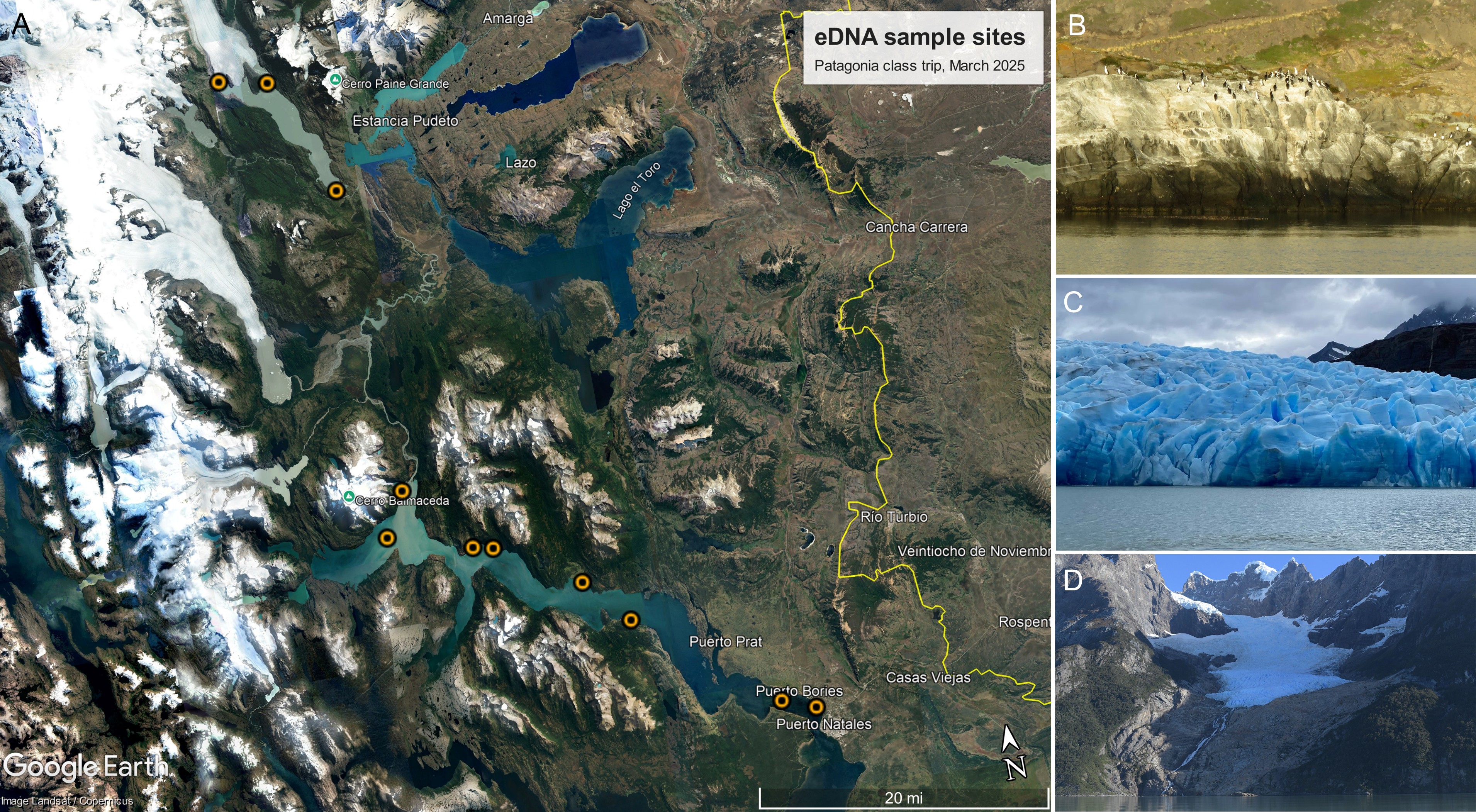 Climate change is causing glaciers across the world to retreat, but we don’t yet fully understand how glacial retreat impacts marine ecosystems. This Summer Student Fellow project addresses how ice – including glaciers and icebergs – impacts marine biodiversity and food webs. The Fellow will analyze a set of samples collected in Patagonia, a region of southern Chile with numerous glaciers and ice-carved fjords. Samples were collected at 11 stations extending from immediately adjacent to 3 glaciers out into open water, providing an environmental gradient and also a window into near-future polar conditions. Environmental DNA (eDNA) was filtered from surface water at each station to non-invasively capture the full diversity of fauna, flora, and microbes.
The SSF will analyze these samples, gaining hands-on lab experience with DNA protocols and analyses. Working in collaboration with experts in ecology and eDNA (Annette Govindarajan) and polar biology (Kirstin Meyer-Kaiser), the student will learn how to analyze sequence data, statistically examine biodiversity in marine systems, and assess community shifts associated with environmental gradients. Ultimately, this work will help us better understand how glacial retreat impacts marine biodiversity and aid in predicting the impacts of climate change at the poles.
Sensory biology and bioacoustics
Aran MooneyIn the Sensory Ecology and Bioacoustics lab we study how marine animals use detect and respond to the cues around them, as well as the patterns of cues, signals and noise available to the animal. Our work focuses on cephalopod hearing and use of sound, cephalopod eco-physiology (physiology and behaviors in response to local environmental conditions such as oxygen and pH), marine mammal bioacoustics, and the bioacoustics of coral reefs. We often address how stressors such as low pH or ocean noise impacts behavior and physiology. Potential projects for the SSF include: (1) studies on coral reef soundscapes and larval responses to sound, (2) impacts of noise on cephalopods, and (3) using the ITAG to quantify the behavior and physiology of marine invertebrates.
Diversity and Resilience of Seafloor Communities
Lauren MullineauxThe Mullineaux Benthic Ecology Lab studies the resilience of seafloor animal communities to natural disturbances such as seafloor eruptions or other major environmental changes and uses that information to understand potential impacts of human disturbances including deep-sea mining and environmental change. We have two projects for undergraduates this summer:
- Investigating the recovery of animal communities at deep-sea hydrothermal vents after a catastrophic eruption in May of 2025 (sorting samples, identifying species, analyzing images, visualizing and analyzing data)
- Describing the species composition, and helping to detect and describe new species, in a newly discovered ecosystem inhabiting hydrothermal vent features that no longer experience active venting (sorting samples, photographing specimens, categorizing potential new species, analyzing images, visualizing and analyzing data)
This research broadens our understanding of the diversity and function of seafloor communities and informs policy on deep-sea mining. Our lab group values diverse perspectives and is committed to the highest standards of professionalism, including research integrity, collaboration, and respect for colleagues at all levels.
Mathematical Ecology
Michael NeubertIn my laboratory, we formulate and analyze mathematical models to address scientific questions that arise in the study of marine populations or communities. Many (but not all) of these questions have to do with how best to conserve or manage populations in the face of some form of stress (e.g., invasive pests, habitat disturbance, harvesting, or climate change). The project a summer student might work on in my lab will depend upon a combination of the student’s mathematical and computational training and biological interests. Examples include developing models to study (1) the efficacy of various forms of fisheries management in the face of environmental uncertainty, (2) how best to manage the spread of an invasive species, (3) phytoplankton population dynamics, (4) the population dynamic consequences of transgenerational or maternal effects, or (5) zombies.
Michael Neubert's profile page
Northeast U.S. Shelf Long-Term Ecological Research (NES-LTER)
Population phenology in nearshore ecosystems
Jesús PinedaResearch in the Benthic Ecology and Nearshore Oceanography lab addresses the factors that determine the distribution and abundance of bottom dwelling organisms. We conduct our research in temperate and tropical environments, and our research interests include investigating the consequences of environmental heterogeneity, particularly hydrodynamic phenomena, on larval behavior, larval transport, larval dispersal, settlement, recruitment, and population dynamics. Our lab is also interested in using fundamental knowledge to address societally relevant problems such as the processes most relevant to biofouling in aquaculture. This summer, students in the lab will have the opportunity to research fundamental questions in larval behavior and ocean ecology and relate their findings and understanding to problems faced by oyster farms in New England. Depending on the student's interests, specific research questions may focus on topics such as latitudinal differences in larval settlement and biofouling, native versus invasive barnacles as biofoulers, and the relationships between biofouling intensity and local environmental conditions. Depending on the question, the student may participate in weekly and monthly visits to field sites, and analysis of metadata, including survey data of oyster farmers in New England.
Biological-physical interactions at mid-trophic levels
Mei SatoMy lab focuses on biological-physical interactions, addressing how environment influences animal behavior and distributions in coastal ecosystems and how those interactions affect trophic dynamics of zooplankton and fish. In order to address problems across a range of temporal/spatial scales, we use active acoustics in different platforms (vessels, moorings, cabled observatories, AUVs) combined with net sampling and physical measurements. There are three potential projects for a SSF student: (1) Characterizing zooplankton aggregations patterns in response to upwelling on the Alaskan Beaufort Shelf (2) Zooplankton and fish response to shelf break front in the Northeast U.S. Shelf waters Northeast U.S. Shelf Long-Term Ecological Research (NES-LTER) (3) Characterizing squid aggregation behavior in response to changes in temperature and salinity on the Northeast U.S. Shelf. The project will be mostly computer-based analysis of existing data sets using Matlab and Echoview (software for acoustic data processing). There may be opportunities to join calibration efforts of acoustic sensors at the WHOI dock.
More at: Sato Lab
Marine Mammal Behavior and Communication
Laela SayighMy research interests focus on behavior and communication in marine mammals. Student projects in 2025 will focus on computer-based analyses of acoustic data and will most likely not have a field component. Students will learn to use the acoustic analysis software program Raven, and may also analyze data using Matlab based software, although no prior experience with either of these programs is needed. Possible projects include:
- Analysis of a long-term database of recordings of bottlenose dolphins aimed at addressing a range of research questions about dolphin communication.
- Analysis of acoustic recordings made in Wellfleet, MA as part of a project aimed at developing an acoustic mass stranding alert system for dolphins.
Phytoplankton Ecology
Heidi Sosik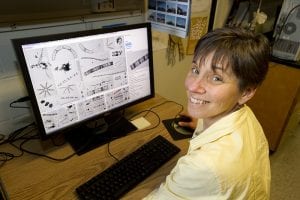 My research is focused on quantitative plankton ecology and in my lab there are a range of possible summer projects for motivated undergraduates. Most on-going projects are related to coastal ecosystems and time series observations of plankton at scales from single cells up to large areas that can be monitored with satellite remote sensing. We have on-going field work as part of the Northeast U.S. Shelf Long-Term Ecological Research (NES-LTER) program and at the Martha's Vineyard Coastal Observatory, which is a facility on the continental shelf near WHOI that is connected to shore by power and fiber optic cables. We have developed some exciting new submersible flow cytometer technologies that rapidly measure microscopic particles (mostly phytoplankton, but also protozoa), including video imaging at the micron scale. These instruments are deployed at MVCO and produce lots of data (e.g., >10000 images per hour for months to years), so projects involving these time series can span from computer science (image analysis, computer vision, and machine learning) to modeling of populations and bloom dynamics. There are also opportunities for projects involving coastal field work, laboratory experiments with plankton cultures, and instrument development.
Northeast U.S. Shelf Long Term Ecological Research (NES-LTER)
Marine Molecular Ecology
Carolyn Tepolt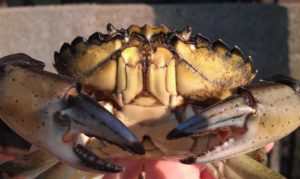
European green crab, named one of the IUCN’s “World’s 100 Worst Invasive Species”.
Our lab studies how – and how quickly – marine animals can adapt to new environments. We mostly study invasive species, which are extremely good at surviving and thriving in new waters. We use a range of approaches, including genomics, ecophysiology, ecology, and parasitology, and are interested in student fellows who want to develop their skills in those areas. Current research projects include adaptation to temperature in the highly invasive European green crab (pictured here) as it rapidly spreads on the west coast, adaptation to an invasive body-snatching parasite by a native mud crab, and the distribution and adaptations of marine microparasites using public genetic data. Our lab culture emphasizes professionalism, collegiality, and baked goods.
A culture-omics framework for isolating and characterizing coral-associated viruses in cold-reef corals Astrangia poculata (Northern Star)
James WainainaTwo potential projects: Virus Ecology and Evolution Lab
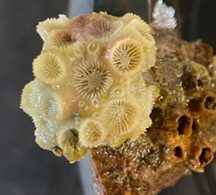
Figure. 1: Northern Star Coral (Astrangia poculata) collected at Woods Hole
Ocean waters sustain human activities and support diverse marine life, including corals (of special interest in our lab), which constitute less than 1% of the coastal ecosystem but hosts the highest biodiversity on Earth. Surprisingly, little is known about the role of viruses especially within marine eukaryotes. To address this gap in knowledge, our lab employs a multi-prong approach that involves computational biology approaches (‘dry lab’), omics-(metaT-metaG-metaProt-metabolomic) ('wet lab') approaches. In addition, to in vivo and in situ virus-symbiont-coral co-culture experiments to qualitative and quantitative assess the impact/or roles of viruses within marine eukaryotes under various anthropogenic stresses. Our goal is to uncover the intricate relationships between viruses and various ocean life forms, shedding light on their importance in ecology, evolution, ecosystem health and resilience within the global Oceans. Project: Isolation and Characterization of viruses associated with the cold-reef coral Astrangia poculata (Northern Star) In the ocean, viruses modulate microbial lifestyle as they are abundant (107 viral particles per millilitre of seawater), significant killers (20-40% bacteria die per day) and are mechanisms of gene flow (~1029 genes are transduced per day by ocean viruses). Beyond these more readily understood impacts, viruses are responsible for significant metabolic reprogramming such that virus-infected cells, or virocells, are entirely different entities from uninfected cells. However, despite these advances in our knowledge of ocean viruses, this knowledge is primarily derived from viruses infecting prokaryotes in seawater. Though impactful, how viruses impact marine invertebrates, specifically in corals is unclear. This project aims to isolate and characterize (both morphologically and genomically) viruses present in the cold-water reef coral Astrangia poculata (Northern Star), found within the Woods Hole seawaters. Viruses isolated (infecting both eukaryotic and prokaryotic hosts) will serve as a foundation for future coral-virus mechanistic studies in the lab. The student’s role will include:
- Collecting corals from surrounding seawater in Woods Hole.
- Isolate viruses from corals.
- Morphologically characterizing these viral isolates.
- Maintaining viral isolates in culture.
- Performing genomic characterization & computational biology approach on a subset of viral isolates using long-read sequencing using promethion oxford nanopore technology.
Preferred skills
- Basic microbiology skills
- Comfortable working on the command line
- Scientific diving certification (optional but would be great)
The student will be immersed in a world-class, highly collaborative research environment and gain hands-on experience in culturing coral-associated viruses and utilizing the WHOI HPC grid. They will have the opportunity to develop skills in molecular virology and computational biology, while also working with real-time sequencing technologies enabled by Oxford Nanopore. This technology is emerging as the next gold standard in biological sequencing and provides an excellent opportunity to gain experience at the forefront of innovation in the sequencing space. Upon successful completion of this initial project, numerous opportunities will be available to further expand the student’s research experience.
Wainaina Lab: http://virusecologyevolutionlabwainaina.com/
Geology and Geophysics Dept.
Employing AI tools to uncover the secrets of coral reef resilience
Anne Cohen and Peter TraykovskiCoral reefs are critically important ocean ecosystems threatened by a combination of local and global stressors. In the Marshall Islands, central Pacific, the capital island of Majuro boasts healthy, diverse, disease free coral reef communities in some areas, despite heavy population pressures, military activity that changed island geomorphology, and multiple heatwaves over the last two decades. We are working to understand the factors that enable Majuro’s healthy reefs to thrive, including benthic surveys to characterize and compare both healthy and unhealthy reef communities, and quantification of the oceanic (hydrodynamic) conditions that these communities experience, in both normal years and in heatwave years.
The SSF on this project will conduct research using an AI-powered image processing pipeline to analyze and interpret benthic images from Majuro’s reefs. These new images were captured in 2024 and 2025 by our first time deployment of a robotic vehicle (Yellowfin), designed to maneuver over shallow water coral reefs without disturbing the ecosystem, taking photos, and recording depth, temperatures, and GPS location. The PIs and the SSF will design the study together, decide on the important questions we want to address, and what information we need from the images to enable us to answer the questions. The SSF will also have the opportunity to extract and analyze oceanographic data, such as reef temperatures and currents, to assist in the interpretation of the results.
Connections between hydrothermal venting and sedimentary metal geochemistry
Andy Heard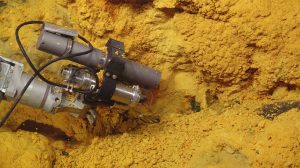
Low-temperature seafloor hydrothermal vents at Kama'ehuakanaloa produce distinctive iron oxide sediments. Learning about their stable isotopic fingerprints can help determine if this hydrothermal material is exported into the open ocean.
Dissolved metals in the oceans, such as iron, play important roles throughout Earth history, from providing needed nutrients to phytoplankton, to regulating the redox balance of the oceans themselves. In our lab, we analyze sedimentary materials (open ocean sediments, hydrothermal vent deposits, and ancient sedimentary rocks) using trace elements and novel metal isotope systems to learn about the release of metals from hydrothermal vents into the oceans, and the evolution of redox conditions in Earth’s early oceans. We are currently focusing on better understanding what unique isotopic signatures are imparted to materials released from, or formed near, seafloor hydrothermal vents (e.g., black smokers, as well as lower-temperature diffuse venting environments). Identifying these isotopic ‘fingerprints’ can help us search for hydrothermal vent signatures in modern and ancient sediments and potentially reconstruct past venting activity. Potential SSF projects may include:
- Determining the stable vanadium isotope composition of low temperature hydrothermal iron oxide precipitates from the Kama’ehuakanaloa seamount near Hawai’i and seeking these signatures in nearby open marine sediments.
- Investigating the potential for some low-T hydrothermal vents to be sources, rather than sinks, of magnesium to the oceans.
- Using iron isotopes and trace elements to characterize ancient seafloor hydrothermal vent environments by analyzing Precambrian sedimentary rocks.
The SSF will join ongoing projects in the lab, and have the opportunity to learn analytical techniques in geochemistry including rock digestion, trace element analysis by ICP-MS, and non-traditional stable isotope analysis by MC-ICP-MS. Students should be prepared to work hands-on in the lab, and learn the theory behind stable isotope geochemistry. Prior experience is not needed provided students are curiosity-driven.
Entrainment of glacial meltwater by the North Atlantic Current: A numerical study
Olivier Marchal and Alan Condron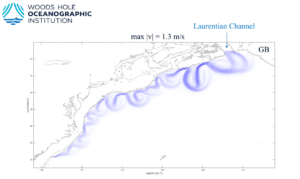
High-resolution numerical simulation of the coastal current produced by the discharge of glacial meltwater from the Laurentian Channel during a glacial period of low sea level. Shown is the distribution of surface horizontal velocity after 150 days of sustained discharge. The maximum speed of the current is 1.3 m/s. The current has developed eddies all along the continental slope. This project will be concerned with the analysis of a similar simulation but for a larger domain including the oceanic region east of the Grand Banks of Newfoundland (GB) (O. Marchal and A. Condron, unpublished)
Paleoclimate records suggest that the last glacial period was punctuated by a series of rapid climatic changes. Although these changes were first documented in the circum North Atlantic, subsequent studies indicated that they may have been at least hemispheric in extent. The estimated magnitude of these changes is truly impressive. For example, ice core records from Central Greenland suggest that local air temperature increased repeatedly by 8-16oC in only about a century. With such a discovery, the once-traditional view that climatic changes are slow, with time scales far exceeding a human lifespan, has been overthrown, and understanding the processes leading to these changes has emerged as a most pressing question in climate research. A popular idea to explain rapid past climate changes involves the recurrent release of glacial melt water from the Laurentide Ice Sheet (LIS) – the ice cap that covered northern North America during the last glaciation. The introduction of glacial water into the ocean would have lowered the salinity of surface waters, particularly at high latitudes in the North Atlantic, thereby leading to enhanced vertical density stratification, reduced deep water formation, and ultimately, abated meridional overturning circulation and northward heat transport. The abated northward heat transport would have produced a rapid climate change, with cooling in parts of the northern hemisphere, such as in the northern North Atlantic. The goal of this project is to analyze detailed simulations of the transport of glacial meltwater in the North Atlantic which will be produced from a high-resolution numerical model of ocean circulation. In contrast to previous studies, our simulations will represent oceanic eddies with scales of 10-100 km, thereby allowing a detailed calculation of the pathway of the glacial water in the North Atlantic. Emphasis will be put on the entrainment of glacial water emanating from the LIS with the North Atlantic Current – the northeastern extension of the Gulf Stream east of the Grand Banks of Newfoundland – and on the transport of the glacial water to critical regions of deepwater formation. The student working on this project will be exposed to concepts emanating from various disciplines, including physical oceanography, the numerical modeling of ocean circulation, and paleoclimatology. Although prior exposure to branches such as physics and calculus would be desirable, the most important quality the student working on this project should have is motivation! This project will be co-supervised by WHOI scientists Olivier Marchal and Alan Condron.
Olivier Marchal's profile
Alan Condron's profile
Imaging magma and volatile pathways beneath Caribbean volcanoes in the Lesser Antilles subduction zone using seismic waves
Catherine RychertWater (and other volatiles) play a key role in the evolution of the Earth. For instance, water is thought to be an important factor in initiating plate tectonics, the formation of continents, planetary habitability, the development of life, and volcanism and earthquakes (Landuyt and Bercovici, 2009). Subduction zones, where tectonic plates descend into the Earth, are the prime regions where water and other volatiles are exchanged between the solid Earth, oceans and atmosphere, with related amounts of magmatism and volcanism. Remarkably, despite large amounts of material transfer the system has maintained a delicately balanced climate that has been favourable for life for billions for years. Yet, the factors that control subduction zone processes, including water/magma transport through the system are only partially understood, despite the large implications for our understanding of the Earth including hazards such as volcanoes and earthquakes. Understanding the pathways of water/volatiles and magma is fundamental for a full understanding of subduction zone dynamics.
There are clear variations in the pathways of volatiles and magma globally among systems. However, a synoptic view requires better constraints from importantly, the Lesser Antilles Arc in the Caribbean, a global end member where lithosphere formed at the slow spreading Mid-Atlantic Ridge is subducting. The Lesser Antilles is one of the last and very important pieces of the subduction zone puzzle. The Lesser Antilles is also a region of significant volcanic and earthquake hazard, and this work will directly contribute to efforts in the region to mitigate these hazards.
A broadband seismic dataset from 34 ocean bottom seismometers was collected from the back arc, arc, and forearc regions of the Lesser Antilles system from 2016 - 2017. We will use this data to constrain seismic discontinuity structures of the crust and mantle, determine fundamental state variables of the mantle, e.g. pressure, temperature and composition (including volatiles and melt), and make global comparisons and assess fundamental controls on the system, in other words the relative importance of thermal structure and/or the location and amount of volatile release for the pathways of fluids and magma and the location, degree, and amount of surface volcanism.
The ideal student will have a background in geophysics, geology, oceanography, physics, or mathematics. The student should have a basic knowledge of computer programming, e.g., MATLAB or python, and a willingness to deepen their skillset. The student will develop skills in seismic network array processing and signal processing. The student will also develop skills in passive source seismology specifically the receiver function method, as well as oral and written presentation skills by presenting their work at group meetings. The student will work in a wider group of scientists, students and postdocs at WHOI, with a broad group of international partners in the UK, Germany, and the Caribbean.
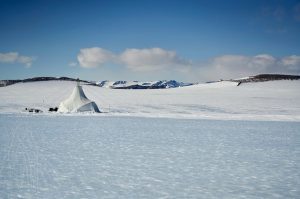
Using polar ice to unravel Earth's climate history
Sarah Shackleton and Kaden MartinThe Shackleton Lab focuses on using polar ice - especially ancient ice from Antarctica and Greenland - to unravel Earth’s climate history. We analyze the physical and chemical signals preserved in ice cores, including trapped atmospheric gases and isotopic tracers, to reconstruct past ocean heat content, atmospheric composition, and temperature changes over thousands to millions of years. We use models of varying complexity to interpret these signals and investigate the mechanisms driving climate variability and change. Together, this work helps quantify how the ocean, atmosphere, and cryosphere responded to past climate states.
 Potential projects include:
- How does the rate of snow-ice transition impact our gas-based proxies?
- How did the mean isotopic composition of the ice sheets evolve over the last glacial period? How does this influence our understanding of global climate evolution?
- Can we use geographic information systems (GIS) to learn more about the dynamics of ancient ice areas, and where to find old ice?
Interests or skills the student should have:
- Interests in combining oceanography, geology, and geochemistry to study the past
- Interests in data analysis (excel/python/etc)
- Familiarity in coding, or interest in learning
- Familiarity in GIS software
New skills and training the student can expect to learn during the research experience:
- Geochemical and stable isotope data analysis
- Accessing, analyzing, and interpreting climate model data
- Box modeling, coding in Matlab
- Developing, implementing, and communicating model-based research studies
Marine Chemistry and Geochemistry Dept.
Microbiome-mediated health impacts on corals
Amy Apprill and Samantha CoyThe Coy (Biology Department) and Apprill (Marine Chemistry & Geochemistry Department) labs are seeking a student to co-advise for the 2026 summer student fellowship program. This collaborative project will combine lab themes spanning marine microbial symbioses, virology, and ecology to understand microbiome-mediated health impacts on corals. Specifically, the project will contribute to understanding on the functional role of a common bacterial genera, Endozoicomonas, that is widely distributed among marine metazoans, often dominating healthy microbiomes of hard, reef-building corals.
Prospective candidates should describe how their interests align with the proposed work, their enthusiasm to work cooperatively with others, and their organizational skills. The chosen candidate will develop experience in molecular biology, microbiology, coral reef ecology, and computational analyses. There will also be opportunities for exposure to a wide range of coral reef science through participation in Reef Solutions research updates at WHOI (https://reefsolutions.whoi.edu/) as well as through assisting with ongoing projects including those involving aquaria corals.
The project will focus on samples and data from corals that harbor Endozoicomonas bacterial associates which we are following over time. In the photo, two divers are measuring the health of the algal symbionts of these corals using a pulse amplitude modulated fluorometer. The student will have the opportunity to work with field-collected data from these corals, in addition to genomics-based data.
Volatiles in the Deep Crust
Peter BarryThe Barry Lab in the Marine Chemistry and Geochemistry Department at WHOI is seeking a motivated undergraduate researcher to join our summer research team, focusing on the analysis of nitrogen and noble gases in lower crustal rocks from the Talkeetna arc, an exhumed island arc in Alaska. This research aims to quantify the extent to which volatiles are sequestered in the lower crust during their transit from subduction zones to Earth's surface through arc volcanoes.
The undergraduate researcher will be responsible for analyzing nitrogen and/or noble gases (helium and argon) in lower crustal and upper mantle samples. Laboratory tasks will include sample preparation, gas extraction, and analysis on noble gas mass spectrometers, and data analysis. The student will also help analyze and interpret these data in concert with structural and petrologic data already in hand, with the goal of understanding how metamorphism in the deep crust affects volatile removal or accumulation. This position offers an excellent opportunity to gain hands-on experience in isotope geochemistry and analytical techniques, while contributing to an NSF-funded project that addresses fundamental questions about volatile cycles in the solid Earth.
For more information about the lab, please see: https://www2.whoi.edu/staff/pbarry/pete-barry-2/
Ocean circulation and climate
Sophie HinesOcean circulation has a huge impact on global climate via direct heat transport from the equator to the poles and by the deep ocean’s capacity to store carbon for 1,000s of years. Our group seeks to understand the ocean’s role in past major climate changes by reconstructing deep ocean circulation using a variety of geochemical proxies within several deep ocean climate archives (primarily marine sediments and deep-sea corals). By understanding the range of natural variability in the ocean over major climate transitions in the past—such as glacial-interglacial cycles—we will be able to better understand how the ocean and climate may change in the future.
Potential Summer Student Fellow projects include using isotopes and/or trace element ratios (e.g. radiocarbon, Nd isotopes, Mg/Ca, Cd/Ca, Mg/Li) to investigate deep ocean circulation and chemistry over glacial-interglacial climate changes in the past. Students will learn how to process samples in WHOI’s trace-metal clean lab facilities, where HEPA-filtered air prevents samples from being contaminated, and measure them in the WHOI Plasma Lab, which houses a Neptune MC-ICP-MS for high-precision isotope ratio measurements, and a quadrupole ICP-MS for trace element ratio measurements. Depending on the project, students could also take advantage of WHOI’s world-renowned NOSAMS radiocarbon facility.
Isotope geochemistry and biogeochemical modeling
Preston Kemeny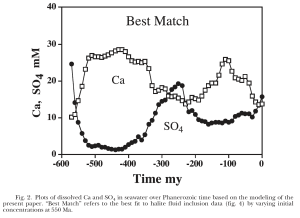
Model result from Berner (2004) for the history of calcium and sulfate concentrations in seawater over the last 550 million years. This project will entail constructing and revising an improved biogeochemical model in MATLAB.
The Kemeny lab uses isotope geochemistry and biogeochemical modeling to study the chemical reactions and physical processes that keep Earth habitable over geological timescales. One component of this research is constructing quick-running element cycle models that use isotopic information from rock archives to reconstruct the chemical history of Earth's atmosphere (oxygen and carbon dioxide) and oceans (calcium, magnesium, and sulfate concentrations and stable isotope ratios).
For the summer of 2026, the Kemeny lab has a project available to correct an important but flawed model (Berner, 2004 AJS) through the incorporation of new constraints and datasets. The student will work closely with Kemeny to learn the fundamentals of box modeling in MATLAB and will gain experience interpreting geochemical records. Applicants should be interested in coding and paleoenvironmental reconstructions. Experience with MATLAB, linear algebra, and differential equations is useful but not required.
Biogeochemical Modeling
Heather KimThe Kim Biogeochemical Modeling Laboratory at Woods Hole Oceanographic Institution is looking for summer student fellows interested in understanding how marine ecological and biogeochemical processes respond to and feedback on climate change. We specialize in data assimilative modeling of climatically sensitive regions, including polar regions (the West Antarctic Peninsula and Arctic Ocean) and the subtropical North Atlantic (the Bermuda Atlantic Time Series site). We combine mechanistic modeling and artificial intelligence and machine learning with rich observational datasets to investigate long-term trends and variability in marine biogeochemical processes, the biological carbon pump, and ocean carbon cycling. Summer student fellows will have the opportunity to work with our established data assimilative models and contribute to cutting-edge research in ocean biogeochemistry. Projects may include investigating the microbial control on the biological carbon pump, biogeochemical feedback on air-sea carbon dioxide fluxes, or biophysical interactions. Students with strong interests in developing programming skills for handling large datasets and gaining hands-on experience with modeling techniques are encouraged to apply. More information: https://kimlab.whoi.edu/
Marine Chemistry, Instrumentation and Engineering
Matthew Long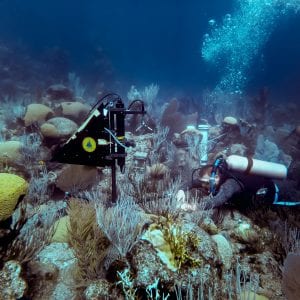 My research explores the ways that natural and anthropogenic processes influence the structure and function of marine ecosystems through unique engineering solutions, advanced instrumentation, and technology development. Studies of biogeochemical cycling, physical transport processes, and bio-physical interactions are principle components of my research into carbon and nutrient cycling in coastal environments. These topics are significant because the long-term effects of human activities, which are rapidly altering climatic conditions and nutrient cycling, are not well understood. Opportunities in my lab include the development of low-cost sensors through electro-mechanical engineering, development of advanced sensors and control systems, and field application and testing of sensing platforms. Advanced sensing systems collect high-frequency data (e.g. water chemistry, turbulence) which is
  used to calculate chemical fluxes through boundary layer exchange techniques allowing for opportunities for experience in time-series analysis, fluid mechanics, and biogeochemistry. Fellows with combined experience in engineering or biogeochemistry, and interests in electro-mechanical engineering, fluid mechanics, or ecosystem science will are encouraged to join the Machine Lab gain experience in interdisciplinary scientific research. Matthew Long's profile
Advancing Fundamental Chemistry Inspired by Our Environment
Laura MottaIsotopes—different forms of the same element that undergo the same reactions at different rates—have long served as essential tools in the geosciences, offering a window into the physical and chemical transformations that elements undergo before becoming “frozen in time” in geological samples. These fingerprints underpin geological timescales, reconstructions of past climates, and represent some of the most powerful tools for investigating the biogeochemical cycles that sustain life on Earth. But what happens when our current understanding of isotope effects can no longer explain our observations? How do we interpret the data, or more importantly, what key information about Earth processes might we be missing? These fundamental questions drive the research in the Theoretical Chemistry and Isotope Biogeochemistry Lab.
Join our lab this summer to explore the development of relativistic quantum mechanics aimed at unraveling the mysteries behind photochemical reactions, including the photolysis of neurotoxic methylmercury and the cryptochromes responsible for avian migration. We are putting the nucleus back into photochemistry and directly linking fundamental theory to the interpretation of fascinating yet critical, environmentally relevant isotope biogeochemistry questions.
More information: Motta Lab
Ocean Carbon and Alkalinity
Adam SubhasIn the Subhas Lab, we study the ocean’s carbon and alkalinity cycles, and how marine life participates in those cycles. We use a combination of laboratory experiments, field experiments, and field observations, to constrain the processes that cycle carbon between the ocean and the atmosphere, as well as the processes that control the acid-base chemistry of seawater. In addition to natural carbon sources and sinks, we also study carbon removal pathways such as ocean alkalinity enhancement.
As a Subhas Lab member, you would have the opportunity to participate in a range of activities, from laboratory experiments and methods development, to field work at sea or on the coast, to computer modeling and data analysis. You would learn analytical skills such as running carbon chemistry instrumentation, data reduction and quality analysis; you could help to design and execute experiments, building knowledge in experimental design; or you could learn best practices for field sampling. Familiarity with programs such as Excel and MATLAB is expected but not required.
For 2026, we have a number of projects involving the response of marine phytoplankton to trace metal and carbon dioxide limitation, and the development of a laboratory- and field-based method to measuring carbon uptake rates using the rare stable isotope of carbon, Carbon-13.
For more information about the lab, please see: https://subhaslab.whoi.edu/
CO2 Chemistry, Marine Carbon Dioxide Removal and Sensor Development
Zhaohui Aleck WangIn Wang’s CO2 chemistry lab, we study seawater carbonate chemistry, coastal carbon cycle, ocean acidification (OA), and the blue carbon systems (e.g., salt marshes). We are also specialized to develop in situ sensors to measure seawater CO2 parameters and other chemical species. Summer projects include: 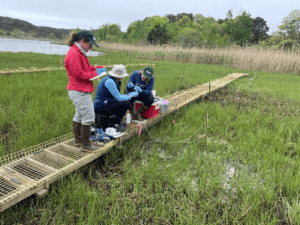 (1) Climate solution: Marine CO2 Removal (mCDR). The consensus of the climate science community is that reduction of carbon emissions alone is not enough to curb the global mean temperature increase below 2°C at the end of this century, the threshold that catastrophic consequences of global warming may occur. Global society needs to take action to remove CO2 from the atmosphere to subsidize the effort of carbon emission reduction to achieve the goal of <2°C warming. We have started a few projects to study marine CO2 removal methods and their potential environmental impacts. Naturally, tidal wetlands, such as salt marshes and mangroves, remove large amounts of CO2 from the atmosphere. We leverage these ‘blue carbon’ ecosystems to develop a novel, advantageous approach to coastal mCDR, which couple CO2 capture by coastal wetlands with enhanced coastal Ocean Alkalinity Enhancement (OAE) and local-scale Ocean Acidification mitigation. In OAE, basic minerals or solutions are added to seawater to increase its alkalinity and thus the capacity of CO2 uptake. The student will have the opportunity to participate in the multi-institution project to conduct lab and field experiments to test the new
 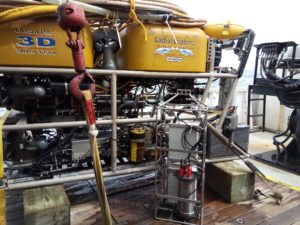 method and assess its benefits and impacts, particularly related to carbonate chemistry and CO2 fluxes. (Photo 1. Sampling porewater chemistry in mCDR treated marsh sediments.) (2) New-generation in situ carbon and pH sensors. The goal of this work is to develop low-cost in situ sensor system for high-frequency measurements of seawater CO2 parameters, i.e., pH, pCO2, dissolved inorganic carbon (DIC), and alkalinity (Alk). We will leverage this development and our on-going collaborations with the fishing community, NOAA fishery, and citizen scientists for large-scale deployments of these sensors to establish a cost-effective, wireless connected, openly accessible coastal carbon observing network. The student can join the sensor development team to learn engineering skills (electronics, optics, mechanics, and software) as well as seawater carbonate chemistry to develop various in situ sensors to seawater CO2 parameters. (Photo 2. Deployment of a Channelized Optical System (CHANOS) II DIC sensor on ROV Global Explorer) Zhaohui 'Aleck' Wang's profile
Physical Oceanography
Ship-Based Marine Cloud Analysis using Machine Learning Techniques
Alex Gonzalez and Alex Kinsella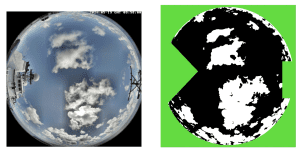
Figure 1: An example sky image from the R/V Thomas G. Thompson on the Bay of Bengal during the South Asian summer monsoon. Low cumulus clouds in the left image are identified by their red/blue color ratio to generate the cloud mask in the right image. This lets us determine cloud fraction, which determines how the clouds interact with the upper ocean.
The Tropical Climate Dynamics Lab is seeking a summer student fellow to conduct analysis of ship-based imagery of marine clouds to retrieve properties such as cloud fraction, thickness, type, height, and direction of motion. Marine clouds are important not only for their role in local weather, but also for air-sea interaction and global climate. The student will work with existing datasets over the Bay of Bengal and near Hawaii and may collect additional data in Woods Hole. Guidance will be provided to implement both traditional color ratio techniques and machine learning-based image segmentation. The student may also incorporate cloud datasets from colocated lidar and radar instruments.
Lab research theme: The Tropical Climate Dynamics Lab at WHOI studies atmospheric dynamics, clouds, and air-sea interaction over the tropical oceans. We have a particular focus on high-impact rainfall events. The potential project above would contribute to the lab’s goal of retrieving cloud properties over the ocean from remote sensing instruments carried on ships. These cloud datasets may be combined with air-sea flux datasets, weather balloon profiles, and reanalyses to quantify the impact of clouds on the upper ocean.
Desired interests: digital image processing, atmospheric dynamics, machine learning, air-sea interaction
New skills to be developed: image segmentation, cloud dynamics, computer vision, reading the sky
Understanding climate model biases through joint-distribution and surface waves analysis
Momme Hell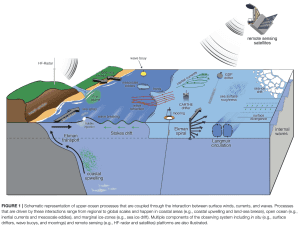 Air–sea interaction describes the complex and turbulent coupling of the atmosphere and ocean at small scales. With increased resolution in Earth system models and expanded remote sensing of the air–sea interface, we are realizing that we lack some fundamental understanding of how the atmosphere and ocean communicate. This limits our ability to model ocean mixing and changes in upper-ocean heat content, with unknown consequences for global climate and extreme weather.
High-resolution climate models and remote sensing now produce data at spatial scales of a few kilometers, yet we still lack good metrics to compare these datasets with in-situ observations beyond mean and variance. While it is common to compare climatologies and trends, we have yet to evaluate models and observations using higher-order moments—historically due to limited data availability. As models and observations resolve more processes and capture more of the nonlinearities at the air–sea interface, our methods for quantifying model skill at higher moments remain underdeveloped.
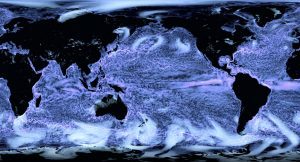 For example, the SWOT satellite now provides unprecedented 2-km wind observations, comparable to cutting-edge climate models such as the DYNAMOND experiments or CESM MESA configurations . Here are two possible projects:
Project A) Surface wind distributions and Stochastic models
This project will test new ideas for comparing high-resolution climate models with remote-sensing products and in-situ data from OOI, ultimately helping us better understand air–sea interaction in high-resolution frameworks. One potential avenue is to quantify changes in joint distributions of surface winds and relate these to global wind-pattern changes. A focus on uncertainty quantification and sampling strategies will be important. Other directions include multi-dataset comparisons or constraining simple stochastic models.
Project B) Wobbling surface wave mixing
This project will analyse the mixing of the ocean mixed layer by surface waves and quantify whether and how the spatial heterogeneity of waves impacts mixing in the deep mixed layer. Surface waves are made by Storms, and we often assume that the local waves are directly related to the local winds. However. From remote sensing, we see that waves are much more complex; they are often mid-aligned with the winds, and their amplitude is correlated on small scales with the underlying current. Here, we can check when wave-current interaction or longer, deep-reaching waves can significantly contribute to Stokes Drift and be associated with small Langmuir turbulence. A combination of data analysis and the recently developed [Julia-based wave model PiCLES ](https://github.com/mochell/PiCLES) will be used.
Interest and Skills: Interested students should have a background in physics or a related field (e.g., oceanography, engineering, atmospheric science, math, statistics), an interest in working with large datasets, and experience with data analysis and Python coding. They will work primarily with Python-based tools and use GitHub for version control and collaboration. The SSF can expect to gain significant experience in data analysis, HPC computing, use of AI models in science, visualization, code sharing and collaboration, remote-sensing oceanography, air–sea interaction, and data science.
Ocean Circulation
Viviane Menezes and Heather Furey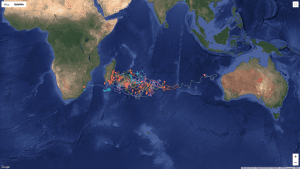
Spaghetti map of the 50 surface drifter trajectories for floats deployed at EMC (Nov 28-Dec 11, 2024) and SICC (May 2023) until December 12, 2024, as part of the NSF-funded EMC Experiment.
The global ocean circulation plays a central role in regulating the climate of our planet by transporting heat and other properties from the equator to the poles and back. At the sea surface, one of the least understood parts is the circulation near the southern tip of Madagascar in the South Indian Ocean. This is due to the historical difficulty of obtaining in situ observations in this remote part of the global ocean, which we recently had the unique opportunity to address through the East Madagascar Current (EMC) Experiment. The EMC is a southward-flowing current that transports warm, and relatively fresh Indonesian Throughflow Water into the subtropical South Indian Ocean. The EMC is in many ways a typical western boundary current, such as the Gulf Stream, except (and critical) that it 'runs out' of the boundary at a relatively low latitude (25.5°S). What happens when this vigorous current detaches from the southern tip of Madagascar is a mystery debated in the literature since the 1970s. Some argue that the EMC breaks up into mesoscale eddies which travel west and join the Agulhas Current, whose pinched-off rings and filaments drift into the Atlantic Ocean; others that the EMC retroflects eastward to the South Indian Countercurrent (SICC), which flows to Australia; while others contend that both pathways exist, but the retroflection is restricted to the surface. We now have a rare opportunity to disentangle these patterns by examining the trajectories of surface drifters we deployed in the region over the past couple of years, along with their numerically simulated counterparts. Surface drifters are instruments that follow currents, helping elucidate current patterns.
We are seeking a student interested in characterizing the detached EMC through the analysis of in-situ and virtual trajectories. We foresee two possible aspects of this investigation in which a student could be trained. One aspect investigates trajectory patterns and ancillary satellite data, and the other conducts statistical analyses of virtual trajectories and compares them with the real world. Desired skills include some coding experience (e.g., MATLAB, Python, or other languages), basic knowledge of descriptive statistics, and some background in physics/math, earth sciences, or physical oceanography. Students can expect to learn about data analysis and data visualization and gain insights into ocean circulation.
https://www.whoi.edu/spotlight-on-assistant-scientist-viviane-vasconcellos-de-menezes/
https://www.whoi.edu/spotlight-on-research-specialist-heather-furey/
Exploring Lagrangian transport in the Mediterranean Sea using drifter data
Irina RypinaAs part of the ONR-funded 2022 CALYPSO campaign, more than 200 surface and near-surface drifters were deployed in the Balearic Sea. Combined with available historical drifter data, this presents a unique opportunity to explore Lagrangian transport in the region. Research questions might include, among others, the role of geostrophic vs non-geostrophic currents in transporting water masses and properties, interannual and seasonal shifts in transport structure and mixing intensity, comparing and contrasting transport during strong versus week wind forcing, transport by coherent eddies, and exploring novel machine learning techniques and methods from the dynamical systems theory in applications with real drifters.
Interests and skills: Interests in physical oceanography and data analysis with at least basic programming/coding skills. Experience with Matlab is a plus but not required.
Freshwater spreading and impacts on global ocean circulation
Xiaoting Yang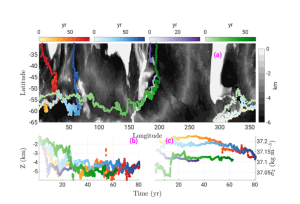
(a) An example of virtual particles in the abyssal overturning circulation, showing how water masses spread from near Antarctica into the South Atlantic, Indian and Pacific Oceans. Each color corresponds to a different particle. (b, c) time series of depth and density along each particle trajectory. With such information, it is possible to study the spreading and distribution and water masses, and their thermodynamical (i.e., temperature, salinity and density) transformation.
My research focuses on the dynamics of the deep branches of the Ocean Meridional Overturning Circulation (MOC). The MOC consists of two cells. The upper cell is confined in the Atlantic Ocean (Atlantic Meridional Overturning Circulation, AMOC) with dense water forming and sinking in the northern latitudes of Atlantic Ocean due to low temperature and high salinity. The lower overturning cell has dense water forms near Antarctica instead. Dense water formation is sensitive to ocean surface conditions and can be slowed or even halted by extra freshwater accumulated at high latitudes in both hemispheres (e.g., freshwater from ice melting). The MOC transports heat around the globe and regulates climate. A change in its state has complicated and important climatic implications.
Possible projects could look at how different sources of freshwater spread to dense water formation sites, potentially influencing MOC. One possible project is to study how Arctic Oscillation controls freshwater spreading and distribution from Arctic Ocean to North Atlantic. Atmospheric pressure systems change and influence the state of the Beaufort Gyre in the Arctic which stores or releases freshwater from the Pacific Ocean into the Atlantic Ocean. Similar work can be done on freshwater discharge from Greenland or Antarctica as well. The methods will be (1) analyses of observational or data-assimilating datasets such as GLORYS; (2) high-resolution numerical modeling plus virtual particle or dye release experiments. Data analyses and model post-processing can be done in either MATLAB or Python, and the project will require some basic math and physics background. The project will help the student gain experience on oceanographic datasets and ocean modeling, obtain skills in data analyses and visualization and knowledge on physical oceanography and climate science.
Marine Policy Center
Integrated Ecological and Economic Assessment of Deep Seabed Mining
Di JinDeep seabed mining (DSM) refers to the process of extracting mineral resources from the ocean floor. DSM is highly controversial, as it presents both potential economic benefits and significant environmental risks. There has been a growing interest in DSM in recent years, and a carefully designed ecological and economic assessment will contribute to relevant policy debate.
This integrated analysis will cover (1) demand for relevant minerals, (2) cost of DSM operations, (3) DSM-related ecosystem risks, (4) costs associated with marine ecological damage, and (5) potential reward and risk (mean-variance) tradeoff analysis to identify socially optimal options under different ecological-economic conditions. Specific activities will include literature review, updating ecological and economic data, and modeling mean-variance tradeoffs.
An overview of seabed mining and relevant issues by Miller et al. (2018) can be found here.
Logistics of Sargassum as a Biorefinery Feedstock
Hauke Kite-PowellFor the last 15 years, annual blooms of Sargassum seaweed have drifted from the Atlantic Ocean into the Caribbean, causing significant impacts as the seaweed washes ashore and accumulates on beaches and coastlines. Research is underway to develop “biorefinery” approaches to turn Sargassum into a feedstock for products such as biofuel or fertilizer. One important question in the development of such biorefineries is whether the economics favor an onshore facility or a floating processing plant that can be deployed in a variety of locations.
The project involves modeling the tradeoffs between an onshore plant at a fixed location and a ship- or barge-based floating system. The land-based system is likely to have lower capital and operating costs, but also requires more investment in logistics to collect and transport the Sargassum feedstock to the processing plant. The floating plant (the concept is similar to floating oil or gas production systems) can be moved to minimize feedstock transport logistics, but will likely be more expensive to build and operate. The work includes building a simple economic model of these tradeoffs to identify the key drivers of total processing cost.
Background information on the Sargassum problem can be found here.
Chasing the Sun: Exploring the Adoption Potential of Floating Solar Panels
Michael WeirExtreme weather events, natural disasters and aging infrastructure have brought the vulnerability of the electric system into sharp focus. Rapid growth and declining costs of distributed energy resources, including microgrids, solar panels, batteries, and small-scale wind turbines, have introduced new technological options for energy resilience. As demand for land increases for housing, business development, and conservation, floating solar panels are gaining traction as an alternative to support the clean energy transition. However, waterbodies are also subject to many multi-use conflicts like drinking water reservoirs, fisheries, recreation, and biodiversity.
In collaboration with WHOI engineers, we will explore whether floating solar panels can support the clean energy transition or whether they are just another spatial planning conundrum. This will include learning about relevant energy and spatial planning policy, social preferences for clean energy, and potential environmental impacts of floating solar panel installation. During this project, students will learn about the methods economists use to evaluate energy policy impacts, data organization and statistical analysis using R, introductory GIS skills, and how to communicate research findings to a broad audience. Learn more about my other projects here!
US Geological Survey - Woods Hole Coastal and Marine Science Center
Seasonal groundwater and carbon dynamics in New England salt marshes
Meagan Eagle and Julia GuimondCoastal wetlands are critical carbon sinks, where atmospheric carbon is stored in marsh sediments or exported to the ocean. However, most of what we know about carbon sequestration and water-flow dynamics in coastal wetlands (e.g., salt marshes) comes from summer observations, with much less attention paid to how cold seasons influence carbon processing, storage, and export.
Our team includes hydrologists and modelers in WHOI’s Coastal Ocean Fluid Dynamics Laboratory and biogeochemists at the USGS working to understand how seasonal freezing and thawing of New England salt marshes alter groundwater flow and the exchange of water and carbon with the ocean. We evaluate soil temperature dynamics, groundwater flow, surface-water fluxes, and biogeochemical processes to unravel ecosystem behavior during these often-overlooked periods.
Potential student projects within this scope include:
- Evaluating salt marsh soil temperature across latitudinal gradients and over multiple years.
- Quantifying groundwater–surface water exchange in different marshes across seasons.
- Relating subsurface biogeochemical changes to seasonal hydrothermal dynamics.
Summer field work will be included to compare processes between summer and winter, complemented by data analysis and, where appropriate, numerical modeling. An interest in field work, quantitative data analysis, and problem-solving in environmental science will be foundational to project success.
USGS: https://www.usgs.gov/centers/whcmsc/science/environmental-geochemistry
WHOI: https://www2.whoi.edu/staff/jguimond/; https://juliaguimond.com
Magnetic Properties and Geochemistry of Continental Margin Sediments
Steve PhillipsThe USGS Gas Hydrates Project aims to advance the understanding of gas hydrates and methane cycling in continental margin and permafrost settings through US and international field expeditions, laboratory experiments, and numerical modeling. Our laboratory facilities in Woods Hole have capabilities to characterize various sediment properties and perform biogeochemical measurements.
The summer project will focus on better understanding authigenic (post-depositional) iron mineral formation in continental shelf sediments offshore Martha’s Vineyard and Nantucket. This work will focus on sediment core samples from boreholes drilled offshore Massachusetts as part of an international expedition to characterize an extensive offshore freshened groundwater system. This work will help us understand how the formation and dissolution of iron sulfide and iron oxide minerals track methane generation/consumption over a range of salinity conditions.
We seek a summer student who is fascinated by sediments and sedimentary rocks and the geological history they reveal. A basic knowledge of mineralogy, petrology, geochemistry, and sedimentology would be beneficial.
The summer student fellow will make rock magnetic measurements on the sediment samples from the New England shelf. The student fellow will also measure the carbon-nitrogen-sulfur elemental content of these sediments. The summer student will have the opportunity to integrate these rock magnetic and solid-phase geochemical records to unravel this diagenetic history.
Explore Waves and Beaches with Photogrammetry
Chris Sherwood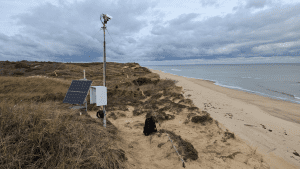
USGS CoastCam overlooking Marconi Beach, Cape Cod National Seashore
The USGS has been collecting imagery at Marconi Beach in Cape Cod National Seashore for four years. Our main goal is to provide data for evaluating our forecasts of Total Water Levels and Coastal Change (https://coastal.er.usgs.gov/hurricanes/research/twlviewer/). There is a wealth of information in the pictures: wave runup, shoreline changes, sandbar locations, bathymetry (from inference), bluff erosion processes, and more.
https://www.usgs.gov/staff-profiles/christopher-sherwood
https://www.usgs.gov/woods-hole-coastal-and-marine-science-center
https://www.usgs.gov/centers/whcmsc/science/using-video-imagery-study-marconi-beach