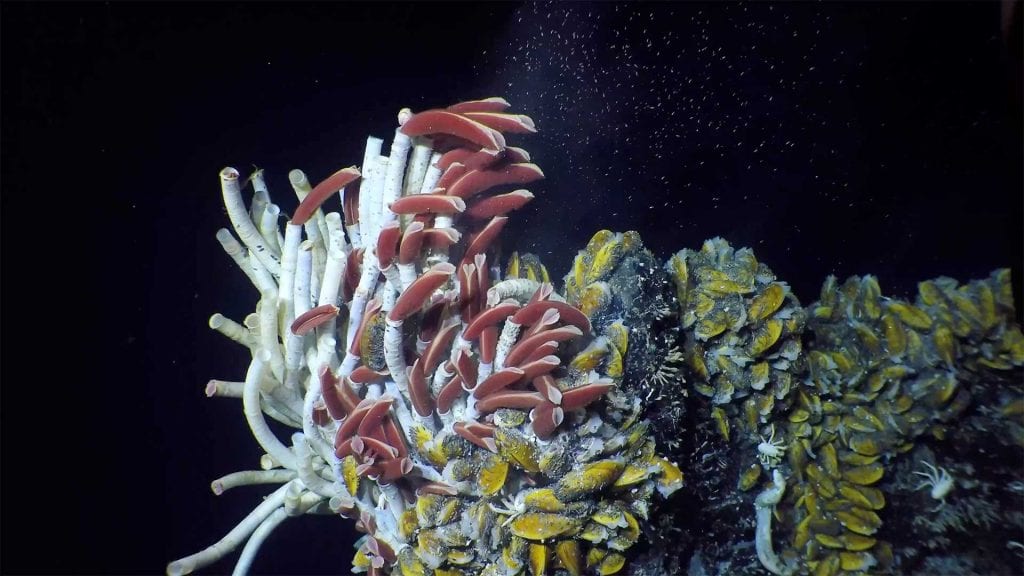
Across the planet, from shallow coasts to deep trenches, ocean ecosystems are shaped by factors such as temperature, light availability, depth, and chemical composition. These ecosystems provide food, oxygen, and essential habitat for countless marine species — and they directly support human life.
Coastal ecosystems like salt marshes, estuaries, and mangroves are among the most productive environments on Earth. They act as nurseries for fish, buffer coastlines from storms, and filter pollution. In the deep ocean, hydrothermal vents and cold seeps support unique communities that thrive without sunlight and break down chemicals for energy rather than relying on photosynthesis. At the poles, marine life has adapted to extreme cold, seasonal darkness, and ice-covered waters, from microscopic algae under sea ice to whales that navigate frigid seas.
Benthic organisms — those that live on or near the seafloor — play crucial roles in recycling nutrients and maintaining ecosystem balance. These include corals, crabs, sea stars, and a wide range of other invertebrates.
Oceanographers study these ecosystems to understand how life thrives in various marine habitats, how ecosystems are interconnected, and how climate change, pollution, and other stressors impact the health and stability of our ocean world.
More topics like this
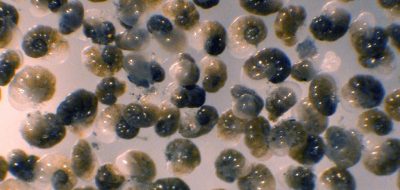
Benthic life
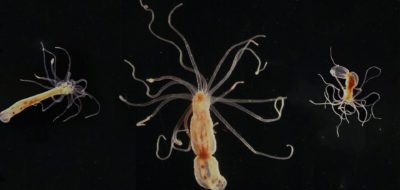
Benthic animals live on the sea floor and are typically invertebrates, such as sea anemones, sponges, corals, sea stars, sea urchins, worms, mussels, crabs, and more.
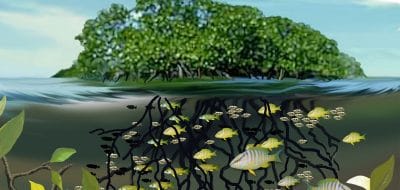
Coastal ecosystems
The narrow region where land and ocean meet includes salt marshes, mangroves, wetlands, estuaries, reefs, and bays often linked in a network of physical, chemical, and biological interchanges.
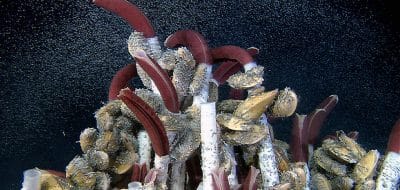
Life at vents & seeps
Hydrothermal vents and cold seeps are places where chemical-rich fluids emanate from the seafloor, often providing the energy to sustain lush communities of life in some very harsh environments.
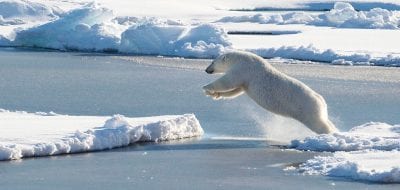
Polar life
By human standards, they are extreme environments. Yet life not only persists in the poles...it thrives.
Oceanus magazine
[ ALL ]In-depth research on Ecosystems
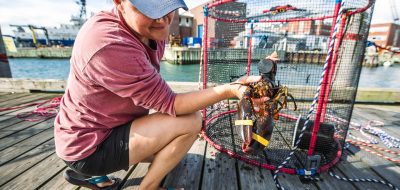
Is underwater noise from construction affecting the American Lobster?
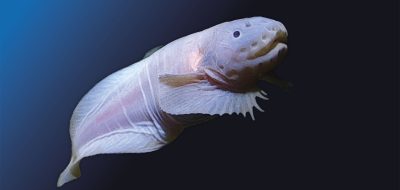
Squishy survivor
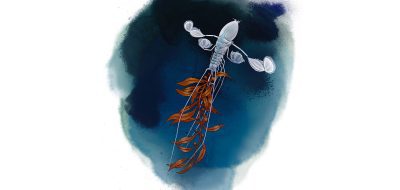
A hadal zone mystery solved
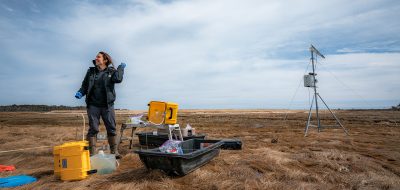
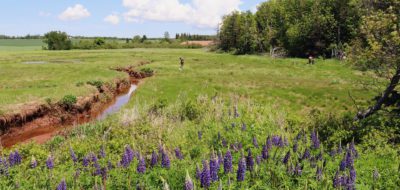
Cold, quiet, and carbon-rich: Investigating winter wetlands
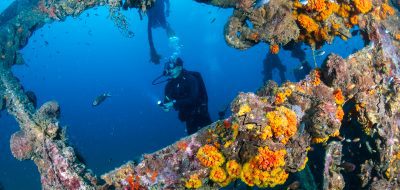
Five marine animals that call shipwrecks home
The 10,000-foot view
A cascade of life
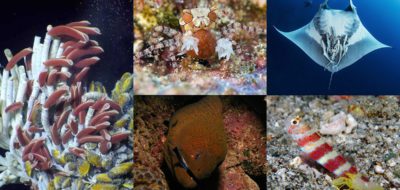
5 unlikely ocean friendships



WHOI News Room
[ ALL ]Press releases
Get the ocean in your inbox
Fresh discoveries, research, and stories from WHOI — free, every week.