What is the carbon cycle?
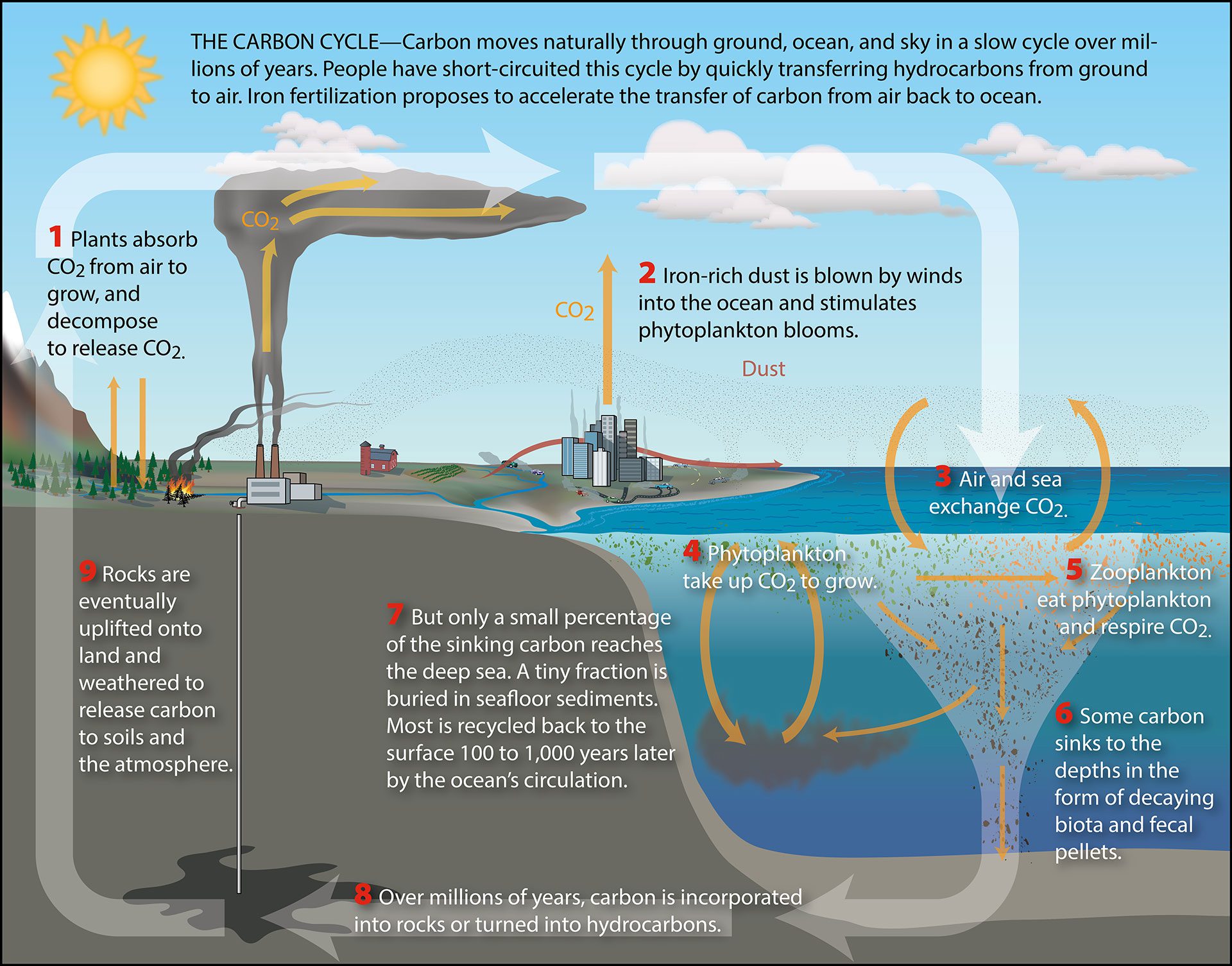
Carbon makes up the backbone of all life on Earth. It’s found in the cells of all living things, is abundant in rocks and sediments, and is also found in the atmosphere and ocean. But carbon doesn’t remain in one place. Individual atoms move from one reservoir to another: between the atmosphere and the oceans, from plants to animals to decomposers, to sediments and rock, and eventually back to the atmosphere. This movement of carbon from one place to another, which is caused by natural and human processes, is known as the carbon cycle.
The oceans play a particularly important role in the carbon cycle. Surface waters exchange gases with the atmosphere, absorbing and releasing carbon dioxide, oxygen, and other gases. Plant-like phytoplankton living in the ocean convert carbon dioxide into sugars that feed marine ecosystems. When marine animals die, their bodies may sink into the depths, where the carbon they contain either gets dissolved back in to deep waters, or a smaller fraction settles to the seafloor where it is covered in sediment and locked away for centuries. Such processes may eventually create coal or oil deposits deep underground.
Cold water absorbs more carbon dioxide than warm water, so ocean water near the poles tends to soak up more of the gas. This cold, dense water then sinks to the seafloor where it flows slowly through ocean basins in deep ocean currents. Centuries later—and far from its original location—the water warms and rises again to the surface, releasing carbon dioxide back into the atmosphere.
Why is it important?
Human activity has driven up atmospheric carbon dioxide to levels not seen in more than 800,000 years. A greenhouse gas, carbon dioxide acts as a blanket, trapping heat from the sun and holding it close Earth’s surface. As we increase levels of this gas in the atmosphere, we have been causing Earth to warm, which has wide-ranging implications.
Oceans have absorbed much of the carbon dioxide people have released into the atmosphere, slowing the rate of warming. But oceans cannot continue to sop it up indefinitely, and there are signs that the rate of absorption might be slowing. Additionally, when carbon dioxide reacts with surface water, it creates carbonic acid, which is causing ocean waters to become more acidic. Such ocean acidification is harmful to ocean life, especially corals and other organisms whose shells are damaged by the acidic waters.
When carbon sinks to the deep ocean, with some reaching the ocean floor, it can be locked away for millennia, so oceans can play a critical role in ultimately helping to fight climate change.
What are ocean scientists doing to understand the carbon cycle?
The processes involved in the carbon cycle are large and complex. Scientists from around the world are working to understand the forces behind the movement of carbon.
Some groups collect water samples from the oceans, analyzing them for carbon content. Repeated over many years, such studies provide basic information on how the oceans are absorbing and releasing carbon dioxide. But they have revealed unexpected complexities in these processes, making it more difficult to fully understand how human activities, such as burning fossil fuels, impacts the carbon cycle.
To address those complications, scientists turn to mathematical and computer models of the carbon cycle. They input the basic variables that are known to affect the cycle, then test the model using real-world data. Variables included in the models include wind speeds, temperature, currents, and more. These models have found that natural processes affect the ocean’s ability to absorb carbon in a variety of ways.
Winds stir up the surface layer of water, stimulating absorption of carbon dioxide, but changes in wind patterns alter this absorption. In some areas, reduced winds cause the ocean to release carbon dioxide into the atmosphere, rather than absorbing it. As ocean temperatures rise, waters become saturated with carbon dioxide more quickly, and they become unable to remove additional carbon dioxide from the atmosphere. Warmer surface waters present another problem: when the temperature difference between the surface water and deeper layers is more extreme, the water stratifies into layers. These layers do not easily mix, preventing carbon dioxide from moving deeper into the water column and nutrients in the depths from rising to the surface.
Scientists are also working to understand the role of phytoplankton in the carbon cycle and how they might boost phytoplankton production. During a large “algal bloom” phytoplankton remove carbon dioxide from the atmosphere and convert it into carbohydrates, proteins, and fats that feed marine organisms. A large bloom sustains vast numbers of zooplankton and larger animals, and when enough of these organisms die and sink to the ocean’s depths, they can help lock away excess carbon. Researchers are developing ways to manage marine systems to encourage more carbon to sink deep. This, surprisingly, includes protecting the ocean’s largest occupants. For example, whales bring nutrients up from the depths, which fertilize phytoplankton. This “whale pump” is one example of ways that scientists are using natural systems to promote long-term carbon removal and storage.
 Illustration
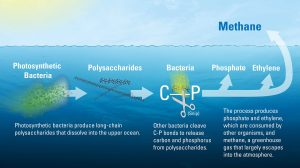
Process showing how methane is derived from photosynthetic bacteria
Scientists discovered that photosynthetic bacteria in surface waters produce sugar chains broken down by other bacteria, releasing methane—a new microbial source of this greenhouse gas.
 Illustration
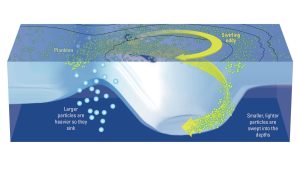
Ocean eddies transporting plankton throughout the water column
Plankton help reduce atmospheric carbon dioxide by using it to grow. Larger particles sink to store carbon, while scientists study how smaller particles might also descend.
 Illustration
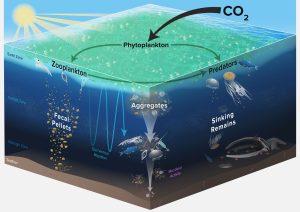
Ocean food web processes that drive carbon cycle
Ocean carbon cycles as phytoplankton convert CO2 into organic carbon, feeding zooplankton that respire CO2; some carbon sinks or is mixed into deeper ocean layers by various pumps.
 Illustration
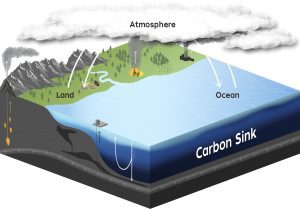
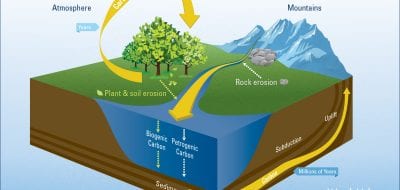
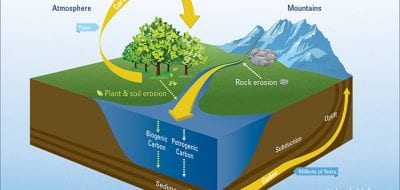
The carbon exchange cycle
Carbon moves between air, land, and sea. In the ocean, CO2 dissolves, is used by life, or stored in deep rocks—key to climate and life on Earth.
 Illustration
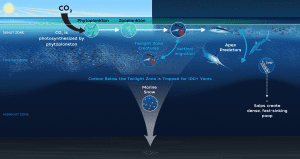
The ocean’s Biological Carbon Pump
Tiny ocean plants absorb CO2 via photosynthesis, then sink or get eaten, moving carbon from surface waters to deep ocean—key to Earth's carbon cycle.
 Illustration
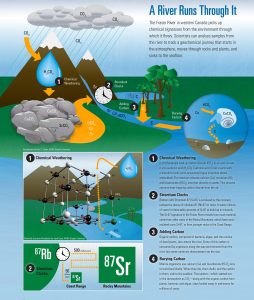
How the Fraser River picks up chemical signatures along its journey
Samples from the Fraser River help scientists track a geochemical journey that starts in the atmosphere, moves through rocks and plants, and sinks to the seafloor.
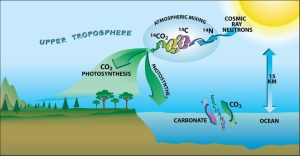 Illustration
Carbon-14 natural cycle
An illustration showing the natural carbon-14 cycle through the atmosphere, land and ocean.
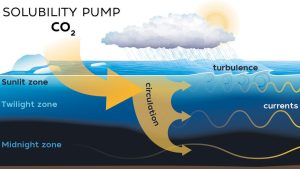 Illustration
CO Solubility Pump
Cold seawater absorbs CO? from the atmosphere, which sinks to the deep ocean via circulation, storing carbon long-term in the solubility pump process.
References
Bauer, J.E., W.-J. Cai, P.A. Raymond, T.S. Bianchi, C.S. Hopkinson, & P.A. Regnier. The changing carbon cycle of the coastal ocean. Nature, vol. 504.2013. doi: 10.1038/nature12857.
Chami, R. et al. On valuing nature-based solution to climate change: A framework with application to elephants and whales. Economic Research Initiatives at Duke, working paper number 297. August 2020.
Mariani, G., et al. Let more big fish sink: Fisheries prevent blue carbon sequestration—half in unprofitable areas. Science Advances, vol. 6. 2020. doi: 10.1126/sciadv.abb4848.
NASA. Carbon cycle. https://science.nasa.gov/earth-science/oceanography/ocean-earth-system/ocean-carbon-cycle. Accessed on February 18. 2021.
NOAA. Carbon cycle. https://www.noaa.gov/education/resource-collections/climate/carbon-cycle. Accessed on February 18, 2021.
NOAA. What is the carbon cycle? https://oceanservice.noaa.gov/facts/carbon-cycle.html. Accessed on February 18, 2021.
Riebeek, Holli. The Ocean’s Carbon Balance. NASA: Earth Observatory. https://earthobservatory.nasa.gov/features/OceanCarbon. July 1, 2008.
Roberts, C.M. et al. Marine reserves can mitigate and promote adaptation to climate change. Proceedings of the National Academy of Sciences, vol. 114. 2017. doi: 10.1073/pnas.1701262114.
Steinberg, D.K. & M.R. Landry. Zooplankton and the Ocean Carbon Cycle. Annual Review of Marine Science, vol. 9. 2017. doi: 10.1146/annurev-marine-010814-015924.
The Daily Bucket Online
September 3 to October 5, 2010
Follow a cruise examining how carbon cycles through the Northwest Atlantic.
Quorum Sensing Cruise
July 13 to 23, 2010
Follow researchersin the North Pacific as they study bacteria involved in the marine carbon cycle.
More topics like this
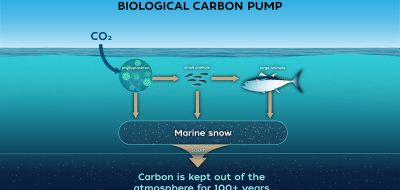
Biological carbon pump
Every day, microscopic phytoplankton pull carbon dioxide from surface waters and send it sinking into the deep sea—where the ocean's biological carbon pump can lock it away for hundreds to thousands of years, quietly shaping Earth's climate.

Water cycle
The water cycle describes the continuous movement of water on, above and below the surface of the Earth.
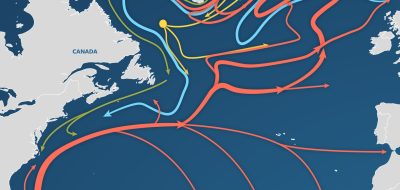
AMOC—The Atlantic Ocean’s conveyor belt
The ocean's conveyor-like global circulation influences today's climate system.
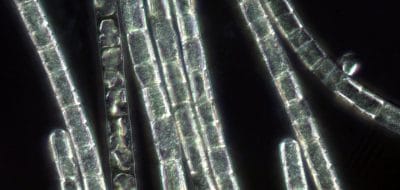
Biogeochemistry
Biogeochemistry studies the cycles of crucial elements, such as carbon and nitrogen, and their interactions with other substances and organisms as they move through Earth's atmosphere, hydrosphere, biosphere, and lithosphere.

Changing shorelines & erosion
Waves, currents, wind, storms, and tides form complex interactions over time to cause erosion along some stretches of shoreline and growth in others.
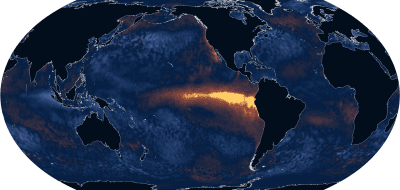
El Niño
El Niño is a natural climate pattern that occurs every two to seven years, when unusually warm Pacific Ocean waters alter global weather, causing floods, droughts, and marine ecosystem disruptions.
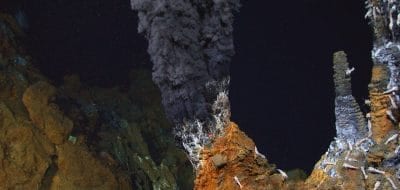
Hydrothermal vents
In the sunless deep, hydrothermal vents gush superheated, mineral-rich fluid from the seafloor, building towering mineral chimneys. Around them thrives one of Earth's strangest ecosystems—tubeworms, shrimp, and microbes that live on chemistry instead of sunlight, powered by the planet's inner heat.
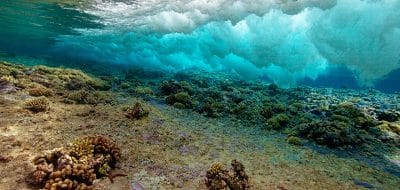
Sunlit zone
The upper layer of the ocean is known as the sunlit, or euphotic, zone. Because water strongly absorbs light, sunlight penetrates only to depths of about 200 meters (656 feet).
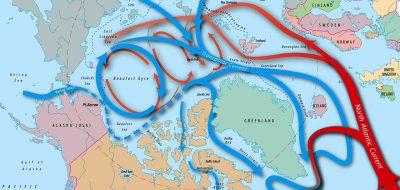
Arctic ocean circulation
The complex ocean circulation system in the Arctic — which impacts the entire food web — is in a delicate balance.
Glaciers & ice sheets
Glaciers are large ice masses created by snowfall that has transformed into ice and compressed over the course of many years. An ice sheet is a mass of glacial land ice extending more than 20,000 square miles.
Mid-ocean ridges
The mid-ocean ridge occurs along boundaries where plates are spreading apart.
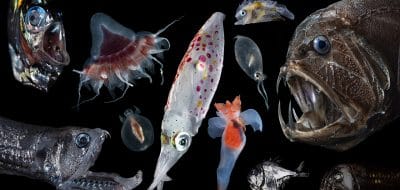
Twilight zone
The ocean twilight zone is a layer of water that stretches around the globe. It lies 200 to 1,000 meters below the ocean surface, just beyond the reach of sunlight.
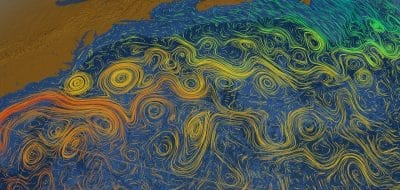
Currents, gyres, & eddies
At the surface and beneath, currents, gyres and eddies physically shape the coasts and ocean bottom.
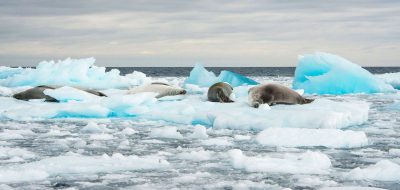
Frozen ocean
The polar regions are experiencing unprecedented environmental changes that have significant potential impacts on global climate, ecosystems, and society.
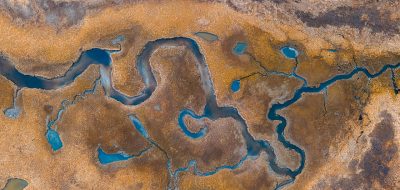
Groundwater
Groundwater is water that exists underground in the spaces between grains of sand or gravel or in the cracks and fractures in solid rock—part of the global water cycle.
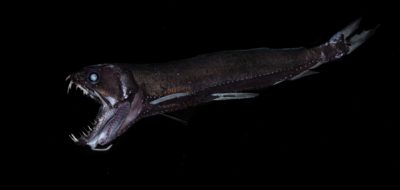
Midnight zone
The midnight zone, or bathypelagic, extends to about 4,000 meters (about 13,100 feet), which reaches the ocean floor in many places is in perpetual darkness.
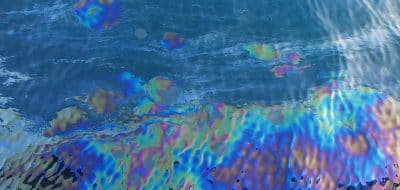
Natural oil seeps
As much as one half of the oil that enters the coastal environment comes from natural seeps of oil and natural gas.
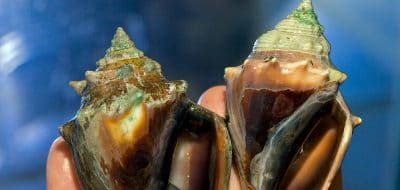
Ocean acidification
Ocean acidification is a reduction in the pH of the ocean over an extended period of time, caused primarily by an increase of carbon dioxide from the atmosphere.
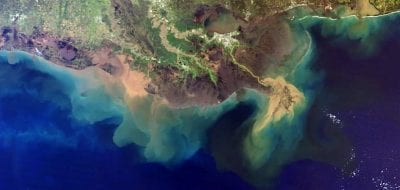
Oxygen dead zones
Dead zones occur when the water lacks oxygen. Like us, marine animals require oxygen to breathe, and when oxygen levels drop too low they can suffocate.
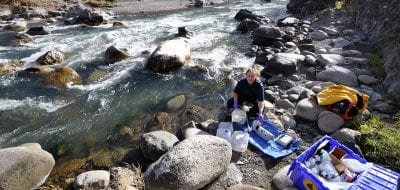
Rivers, estuaries, & deltas
Rivers, estuaries, and deltas are key to understanding the chemical structure of seawater, and are home to some of the world's most diverse ecosystems.
Oceanus magazine
[ ALL ]In-depth research on Carbon cycle

Is the ocean carbon sink at risk of faltering?
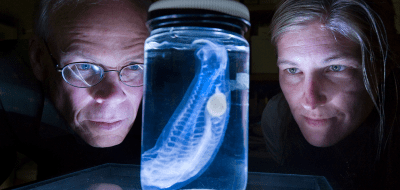
Tiny drifters, massive impact
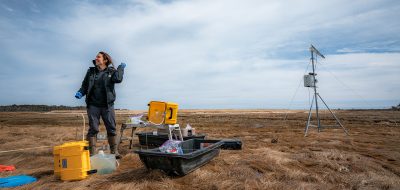
Cold, quiet, and carbon-rich: Investigating winter wetlands
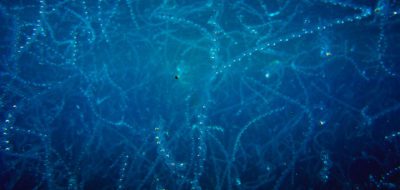
Underwater Starfield

The pull of the poles
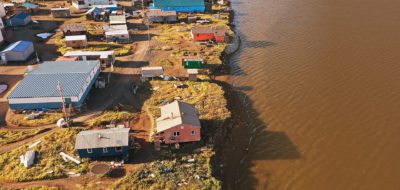
Living on the edge
The teetering balance of coastal CO2
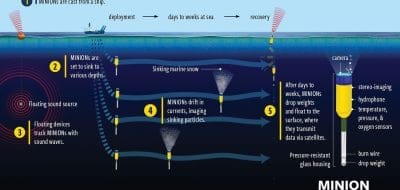
Chasing Ocean ‘Snowflakes’
The Living Breathing Ocean
Marshes, Mosquitoes, and Sea Level Rise
The Discovery of Hydrothermal Vents
Mission to the Ocean Twilight Zone

WHOI News Room
[ ALL ]Press releases
Get the ocean in your inbox
Fresh discoveries, research, and stories from WHOI — free, every week.