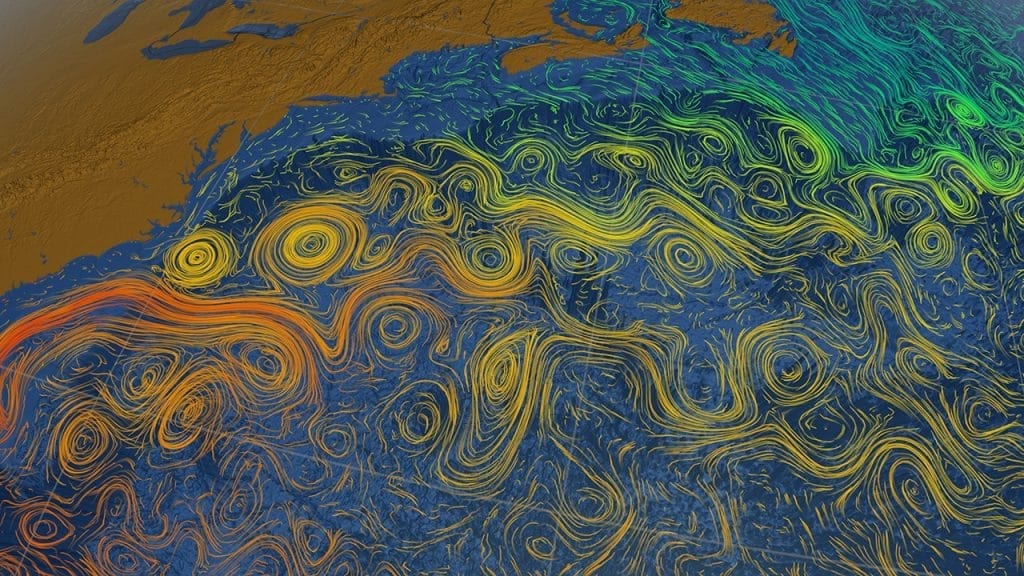
Ocean circulation refers to the flow of water throughout the world's oceans, which acts as a fundamental driver of Earth's climate. This continuous movement redistributes heat, cycles essential nutrients for marine life, and affects the structure and health of ocean ecosystems.
At the ocean's surface, massive looping currents called gyres influence weather patterns and guide the movement of marine species. In the deep ocean, a network of slower currents - part of the Atlantic Meridional Overturning Circulation (AMOC) - transports water and energy between basins over long timescales. Together, these currents form a dynamic system that stabilizes global temperatures and supports life across the planet.
The global ocean circulation system also encompasses periodic phenomena, such as El Niño and La Niña, which can trigger significant shifts in weather patterns and affect fisheries worldwide. In polar regions - especially the Arctic and the North Atlantic - melting ice and changes in salinity play an increasing role in shaping circulation, with the potential to alter global patterns in the future. Oceanographers study circulation to understand how the ocean influences terrestrial conditions, such as climate trends and extreme weather events, and oceanic conditions that affect marine ecosystems.
More topics like this
AMOC—The Atlantic Ocean’s conveyor belt
The ocean's conveyor-like global circulation influences today's climate system.
El Niño
El Niño is a natural climate pattern that occurs every two to seven years, when unusually warm Pacific Ocean waters alter global weather, causing floods, droughts, and marine ecosystem disruptions.
Arctic ocean circulation
The complex ocean circulation system in the Arctic — which impacts the entire food web — is in a delicate balance.
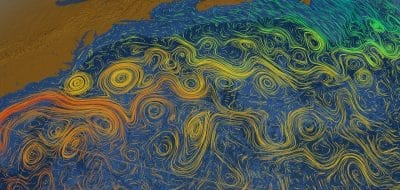
Currents, gyres, & eddies
At the surface and beneath, currents, gyres and eddies physically shape the coasts and ocean bottom.
Oceanus magazine
[ ALL ]In-depth research on Ocean circulation

It’s the most ocean-friendly map ever created. Why haven’t more people seen it?

Tracking the hidden currents of Cape Cod Bay

Mary Sears and the race to solve the ocean in World War II

Unseen Ocean

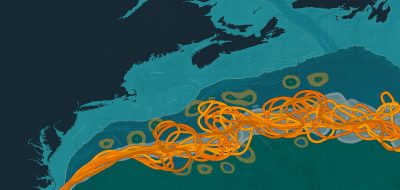

The long journey of Bottle No. 71645
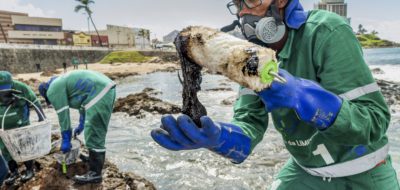
The ocean currents behind Brazil’s pollution problem

Making sense of a mystery fish
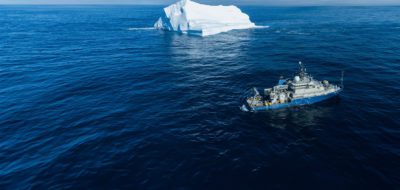
What’s happening with AMOC?




WHOI News Room
[ ALL ]Press releases
Get the ocean in your inbox
Fresh discoveries, research, and stories from WHOI — free, every week.