
What is sargassum?
Sargassum is a genus of brown macroalgae that grows in the marine environment. Some species are anchored to the seafloor, but others, particularly those found in the Atlantic Ocean and Caribbean, remain free-floating. Small, grape-like air bladders keep the algae at the surface. Sargassum forms small clumps as well as larger patches and rafts that drift across the ocean’s surface, blown by wind and carried by currents.
A particularly large patch of sargassum has long existed in warm, open North Atlantic waters east of the U.S. and around Bermuda. Called the Sargasso Sea, this assemblage of floating seaweed is completely surrounded by water and held in place by ocean currents. It provides habitat for a wide variety of marine organisms that seek shelter and feed among sargassum’s leafy stalks.
In 2009 and 2010, a shift in wind patterns blew clumps of sargassum from the Sargasso Sea southward into tropical waters, where it thrived and expanded. Named the Great Atlantic Sargassum Belt, this swath of sargassum now stretches thousands of kilometers from the western coast of Africa to the Caribbean Sea and into the Gulf of Mexico, reaching nearly 1,100 kilometers (690 miles) across at times.
Why is it important?
Free-floating sargassum provides critical habitat for thousands of marine organisms, with shrimp, crabs, nudibranchs (sea slugs), snails and other invertebrates seeking food and shelter among the leafy structures. A variety of fishes, including commercially important species such as triggerfish, amberjack, mahi mahi, tuna, marlin, and swordfish, use sargassum as a nursery. Young fish can hide from predators and feed on small fish and invertebrates as they grow large enough to safely venture out into the open water. Sargassum also provides essential habitat for young loggerhead and green sea turtles.
Bacteria, blue-green algae, and a variety of small invertebrate animals settle on clumps of sargassum. Over time, they can weigh it down, causing the clump to sink to the seafloor, where it provides an important source of carbon and other nutrients for deep-sea food webs.
Some sargassum has always washed up on beaches and coastlines, but the formation of the Great Atlantic Sargassum Belt has vastly increased the amount of the macroalgae that winds up on land. Sargassum inundation events have widespread negative impacts on coastal and near-shore communities, affecting people and marine life in equal measure.
What impact does it have on the economy?
In recent years, the Great Atlantic Sargassum Belt has flourished during spring and summer, creating massive algal blooms. Currents and winds blow large quantities of the seaweed into near-shore waters and onto beaches in Florida, Puerto Rico, the U.S. Virgin Islands, and most coasts in the Caribbean Sea.
Rafts of sargassum in shallow waters inhibit recreational activities, such as swimming, surfing, snorkeling, and fishing. Dense floating rafts block sunlight from reaching sea grass meadows, which hinders photosynthesis and indirectly harms critical habitat for fisheries. As the sargassum begins to die and decompose, it deprives shallow waters of oxygen, directly harming the near-shore ecosystem. Beaches and shallow waters become unusable, which leads to decreases in lodging, restaurants, real estate, boating, fishing, and other tourist activities during inundation events.
Cleanup is challenging, as a single inundation event can deposit literal tons of seaweed on the beach. Use of large equipment in the cleanup effort can increase erosion, which creates a new suite of problems. Costs of cleanup and lost economic income range from millions to billions of dollars each year.

What impact does it have on human health?
Seaweed washed onto land quickly begins to decay. Within 48 hours it starts releasing hydrogen sulfide and ammonia gases, permeating the air with odors of rotten eggs and urine. People who breathe these gases for a prolonged period of time can experience headaches, nausea, confusion, and other cognitive impacts. Irritation of the airways can worsen asthma. Those involved in cleanup efforts must take steps to protect themselves from exposure to the decaying seaweed.
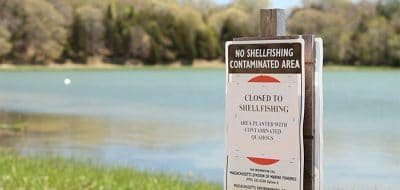
Sargassum accumulates pesticides and heavy metals, such as arsenic. The sargassum leaches these contaminants into the water, where they can be taken up by clams, mussels, and other edible species. People who regularly consume contaminated seafood can experience long-term health effects.
How do scientists study sargassum?
Studies of sargassum have increased in recent years, as scientists race to understand why these harmful macroalgal blooms continue to increase in magnitude. Satellite images allow researchers to track the size and distribution of sargassum, so they know when and where inundation events might occur. They also systematically collect samples to understand how nutrient inputs have allowed the Great Atlantic Sargassum Belt to continually expand. Recent research suggests that deep water mixing in the open ocean may provide some of the necessary nutrients. Other possible sources include land-based fertilizers that wash into the ocean and smoke and ash from large-scale burns. Scientists are actively investigating the importance of each of these nutrient sources.
At sea, researchers collect clumps using dip nets from the ship’s deck or by sending divers into the water to gather clumps for analysis. Closer to shore, they use small boats to collect sargassum. The samples are sorted, examined, and dried for chemical analysis. Human activities have steadily increased the amount of nitrogen released into the ocean since the 1980s, and sargassum has taken advantage of this nutrient boost. The next question is how to mitigate these inputs to control the size of sargassum blooms. In the meantime, scientists have developed tracking systems to alert coastal areas of imminent inundation events, so they can be prepared to deal with the algae before it causes too much harm.
References
Bell, Tom, personal communication
Coston-Clements, L. et al. Utilization of the Sargassum Habitat by Marine Invertebrates and Vertebrates – A Review. NOAA Technical Memorandum NMFS-SEFSC-296. October 1991. https://repository.library.noaa.gov/view/noaa/9151/noaa_9151_DS1.pdf
Jin, D. et al. Economic impacts of sargassum events in Puerto Rico, USVI, and coastal Florida. Harmful Algae. December 2025. Vol. 150: 102996. doi: 10.1016/j.hal.2025.102996.
Lapointe, B.E., et al. Nutrient content and stoichiometry of pelagic Sargassum reflects increasing nitrogen availability in the Atlantic Basin. Nature Communications. Vol. 12: 3060. May 24, 2021. https://doi.org/10.1038/s41467-021-23135-7.
National Ocean Service. NOAA. Sargassum: From Sea to Shore. https://oceanservice.noaa.gov/news/sargassum/
United States Environmental Protection Agency. Basic Information on Sargassum. https://www.epa.gov/habs/basic-information-sargassum
United States Environmental Protection Agency. Sargassum Inundation Events (SIEs): Impacts on Human Health. https://www.epa.gov/habs/sargassum-inundation-events-sies-impacts-human-health
More topics like this
Phytoplankton
Phytoplankton are primary producers of the ocean—the organisms that form the base of the food chain. WHOI explores the microscopic, single-celled organisms.
Seagrass meadows
Seagrass meadows are plants adapted to live a completely submerged life in the salty shallows.
Benthic life
Benthic animals live on the sea floor and are typically invertebrates, such as sea anemones, sponges, corals, sea stars, sea urchins, worms, mussels, crabs, and more.
Coral stressors
Stressors can affect organisms living on the reef or they can affect the corals, themselves. When corals die, other organisms must relocate or struggle to survive.
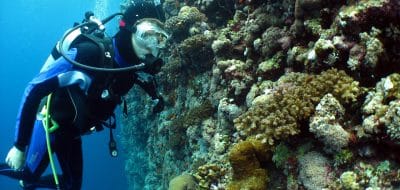
Corals
Many people think of coral as hard, rock-like formations that attract abundant, diverse marine life. In fact, corals are tiny marine animals called polyps that live together in colonies.
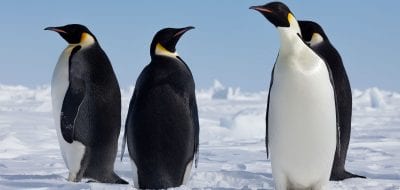
Emperor penguins
The emperor penguin is the largest living penguin species standing around 115 centimeters tall. Once they have found a partner, they work together to keep their young fed and safe.
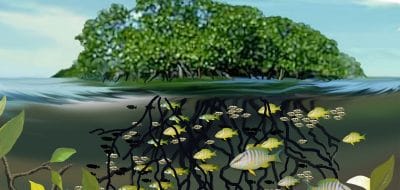
Coastal ecosystems
The narrow region where land and ocean meet includes salt marshes, mangroves, wetlands, estuaries, reefs, and bays often linked in a network of physical, chemical, and biological interchanges.
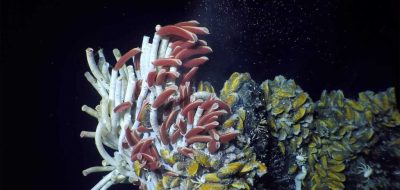
Ecosystems
Ocean ecosystems are found in polar regions, coastal waters, coral reefs, hydrothermal vents, the abyssal plain, and at the bottom of the sea.
Environmental DNA (eDNA)
Environmental DNA (eDNA) is essentially DNA collected from the environment. As animals swim through the ocean, they're constantly releasing DNA as they shed skin or scales into the water column.
Reef ecosystems
A healthy reef protects coastlines from wave damage, plays a critical role in providing food, boosts the economy, and provides materials for pharmaceuticals.
Jellyfish & other zooplankton
These animals live all or part of their life suspended and drifting in fresh or salt water, rarely come in contact with hard surfaces.
Life at vents & seeps
Hydrothermal vents and cold seeps are places where chemical-rich fluids emanate from the seafloor, often providing the energy to sustain lush communities of life in some very harsh environments.
Polar life
By human standards, they are extreme environments. Yet life not only persists in the poles...it thrives.
Reef fish
Fish that inhabit a coral reef play essential roles in the reef ecosystem, and reefs without fish struggle to recover from bleaching or other events that damage the coral.
Marine mammals
Marine mammals are warm-blooded vertebrates that bear live young and nourish them with milk as land mammals do, but that spend most or all of their lives in the ocean.
Marine microbes
Microbial life can be found throughout the ocean, from rocks and sediments beneath the seafloor, across the vast stretches of open water, to intertidal and surf zones.
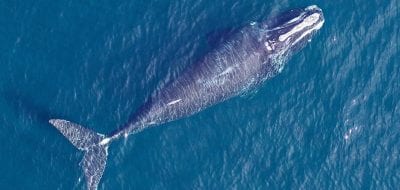
Right whales
The North Atlantic right whale is one of the ocean's most endangered large animals, with only a few hundred left. Slow-moving and often near the surface, these baleen whales are especially vulnerable to ship strikes and entanglement in fishing gear.
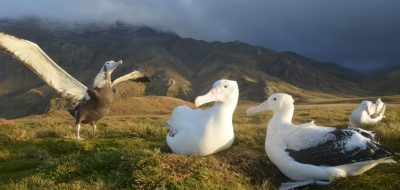
Seabirds
Seabirds have adapted to life in an ocean environment. There are many species of seabirds, and they vary greatly in behavior and physiology
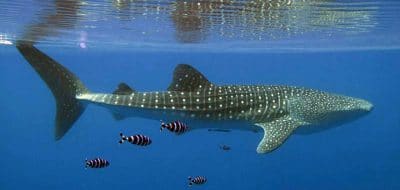
Sharks & other fish
Fish are vital to healthy ecosystems and economies, serving as predators and prey while maintaining balanced food webs and protecting habitats like coral reefs and mangroves.

Shellfish
An aquatic animal, such as a mollusk or crustacean, that has a shell or shell-like exoskeleton.
Oceanus magazine
[ ALL ]In-depth research on Sargassum

How do you solve a problem like Sargassum?

Sargassum serendipity
The Oceans Have Their Own Weather Systems

Sampling Gulf Stream plankton, one teaspoon at a time
A hadal zone mystery solved
How a cargo ship is tracking hidden ocean life in the Atlantic
The little big picture

Harnessing the ocean to power transportation
Seeding the future
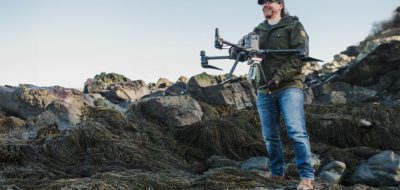
The 10,000-foot view
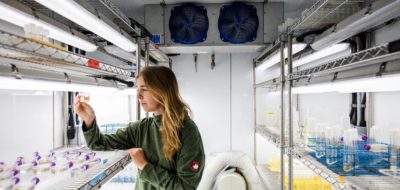
Are warming Alaskan Arctic waters a new toxic algal hotspot?
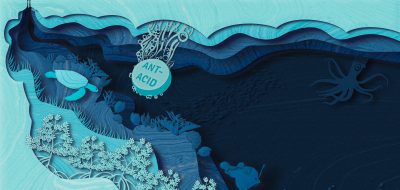
An ocean of opportunity

WHOI News Room
[ ALL ]Press releases
New study quantifies sargassum’s multi-million dollar impact to U.S. coastal economies
Study reveals dramatic decline in historic sargassum populations, with WHOI scientists helping unravel basin-scale changes
Study Clearly Identifies Nutrients as a Driver of the Great Atlantic Sargassum Belt
The Great Atlantic Sargassum Belt
Get the ocean in your inbox
Fresh discoveries, research, and stories from WHOI — free, every week.