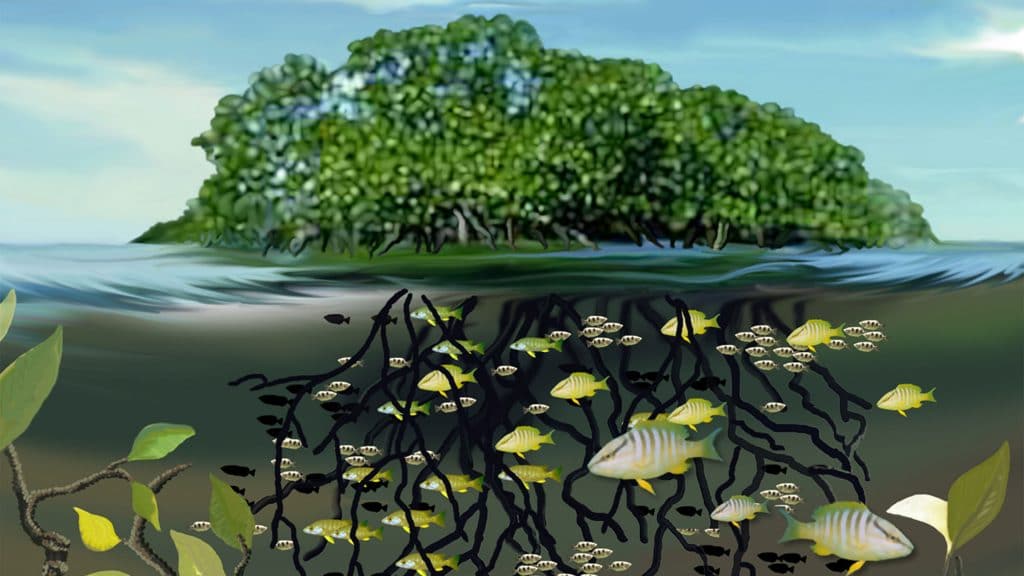
The narrow region where land and ocean meet is among the most dynamic and complex collection of physical and biological systems on Earth. These can include seagrass meadows, salt marshes, mangroves, wetlands, estuaries, reefs, and bays often linked in an intricate network of physical, chemical, and biological interchanges above and below the water. They are often highly productive, highly valued, and highly accessible, making them a natural intersection between the human and natural worlds. In addition to their role in the wider marine and terrestrial systems they link to, coastal ecosystems provide a broad range of benefits to humans. They can act as storm barriers and water filters, they are nurseries and habitat for commercially important plants and animals, and they are among the most popular tourist destinations. Coastal systems are also very sensitive to environmental conditions. Small changes in such things as temperature, salinity, nutrient availability, or sediment load, whether natural or human-induced, can have wide-ranging impacts.
Ocean Encounters: Vital Coasts
Life at the edge of land and sea! Salt marshes, kelp forests, and mangrove swamps are vibrant places, protecting coastlines, supporting diverse marine life, and helping regulate Earth’s climate. They also face a myriad of threats. Join us for a conversation about the science that helps us understand and protect these remarkable coastal ecosystems.
More topics like this
Benthic life
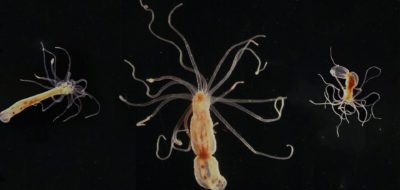
Benthic animals live on the sea floor and are typically invertebrates, such as sea anemones, sponges, corals, sea stars, sea urchins, worms, mussels, crabs, and more.
Life at vents & seeps
Hydrothermal vents and cold seeps are places where chemical-rich fluids emanate from the seafloor, often providing the energy to sustain lush communities of life in some very harsh environments.
Polar life
By human standards, they are extreme environments. Yet life not only persists in the poles...it thrives.
Oceanus magazine
[ ALL ]In-depth research on Coastal ecosystems
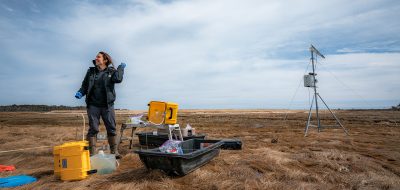
Cold, quiet, and carbon-rich: Investigating winter wetlands
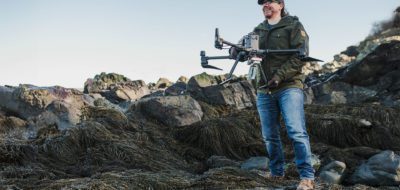
The 10,000-foot view
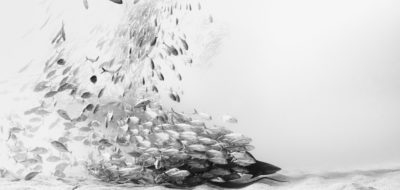
A cascade of life
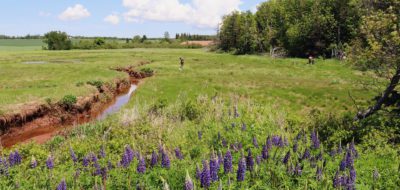
An introduction to marsh bothering

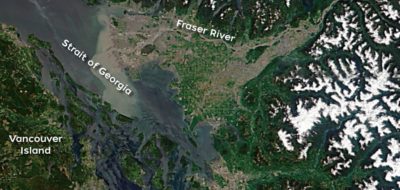
Where the Rivers Meet the Sea
Marshes, Mosquitoes, and Sea Level Rise

The Unseen World on Coral Reefs

The Recipe for a Harmful Algal Bloom



WHOI News Room
[ ALL ]Press releases
Study Reveals Climate Change Impacts on Buzzards Bay
Get the ocean in your inbox
Fresh discoveries, research, and stories from WHOI — free, every week.