What is aquaculture?
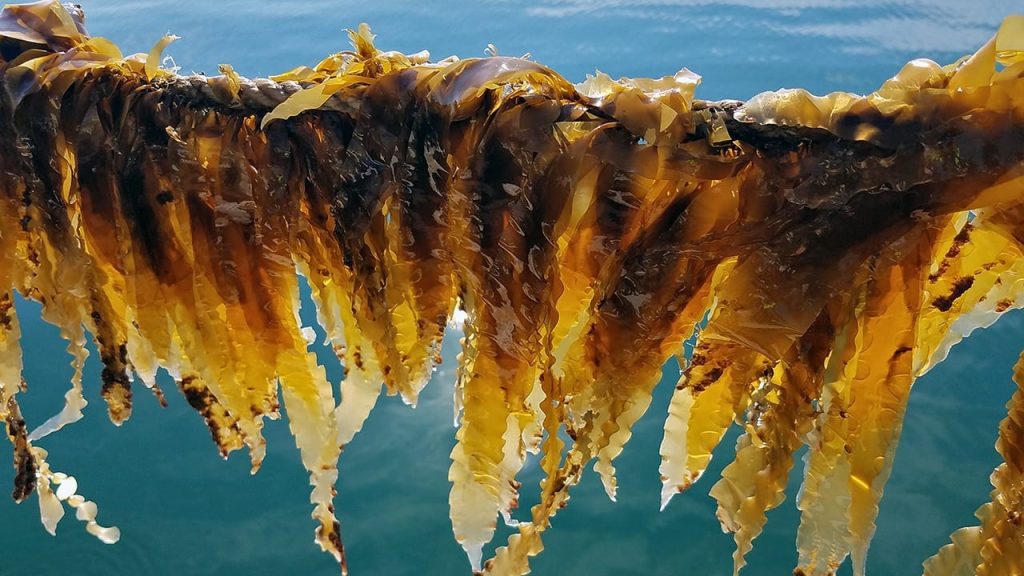
Aquaculture is the farming of aquatic animals or plants principally for food. It includes the breeding, rearing, and harvesting of fish, mollusks, crustaceans, and plants in fresh and saltwater environments.
A history spanning thousands of years
The practice originated in China about 4,000 years ago, and global production continues to be dominated by China and other Asian countries. Aquaculture is used to produce food by some of the poorest communities around the globe as well as by major corporations.
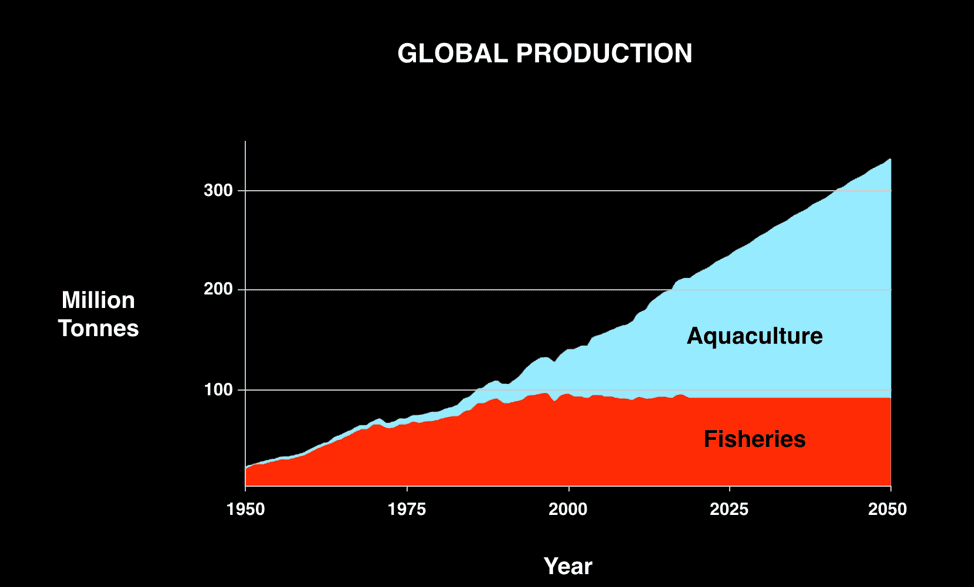
Today, aquaculture supplies more than half of all seafood consumed by humans, a proportion that continues to rise as the global population grows.
According to the Food and Agriculture Organization (FAO), aquaculture production increased from approximately 3 million tons in the 1970s to more than 80 million tons in 2017. Meanwhile, annual global fishing harvests have remained relatively flat for four decades and are not expected to increase substantially in the future.
What species are farmed?
More than 550 aquatic species are farmed worldwide. Commonly farmed fish include carp, catfish, salmon, and tilapia. Popular shellfish species include shrimp, oysters, clams, mussels, and scallops.
Seaweed farming has expanded rapidly in recent decades and now accounts for roughly 27% of global aquaculture production by tonnage.
Beyond seafood production
Aquaculture extends beyond food production. It also includes fish raised for the aquarium trade and algae cultivated for pharmaceutical, biotechnology, health, and biofuel applications.
Aquaculture can also help replenish depleted wild fish populations. For example, the majority of “wild” Alaskan salmon originate from hatchery programs.
Who are the leaders in aquaculture production?
While the United States is one of the world's largest consumers of seafood, it ranks only 17th in total aquaculture production according to the FAO.
The world's leading producers
China dominates global aquaculture production, accounting for nearly 60% of the world's farmed seafood output. Other major producers include Indonesia, India, and Vietnam.
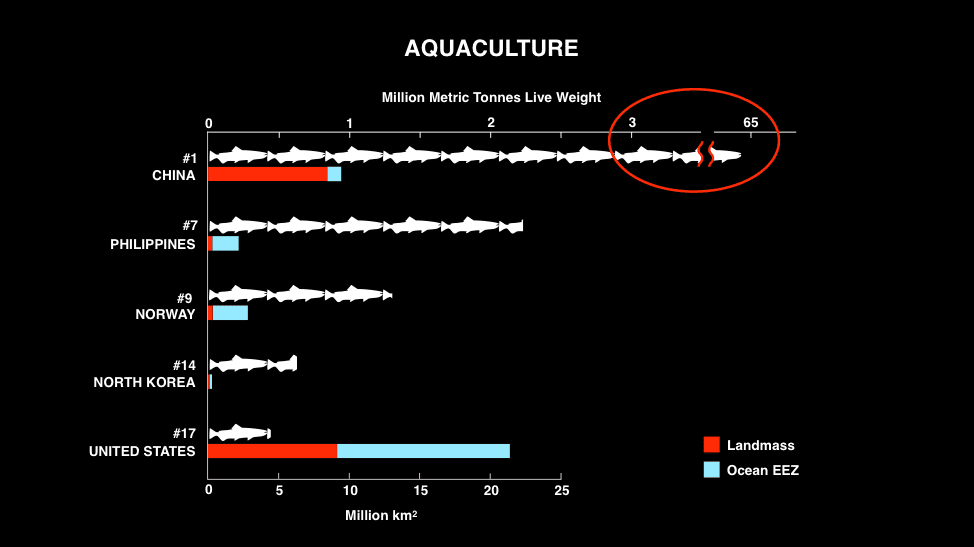
U.S. lags in farmed seafood production relative to land and ocean resources.
Why the United States lags behind
Americans consume nearly 5 billion pounds of seafood annually, and more than 85% of that seafood is imported.
As global seafood demand continues to rise, the FAO, NOAA, and other organizations have outlined strategies to increase domestic aquaculture production. However, expansion in the United States has been slowed by regulatory and permitting challenges, as well as competition for access to coastal and offshore waters from established commercial and recreational users.
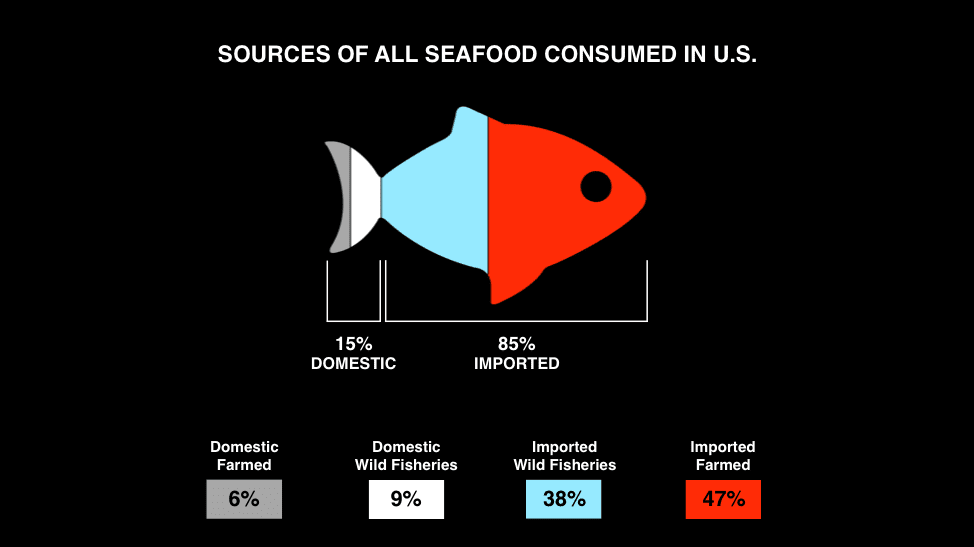
Aquaculture is a major source of seafood for the U.S.
What are the methods used in aquaculture production?
Many aquaculture production systems are used around the world, each with its own advantages and challenges.
Hatcheries
Most aquaculture production begins in hatcheries, where eggs are hatched and fish larvae, shellfish larvae, or seaweed spores are raised to juvenile stages before being transferred to grow-out systems.
Ocean net pens
Marine fish such as salmon are often raised in ocean net pens, which allow water to circulate freely between farms and the surrounding environment.
Early marine fish farms faced challenges involving disease, waste accumulation, escapes, and interactions with marine wildlife. Many of these issues have been addressed through improved engineering, vaccination programs, enhanced nutrition, better monitoring, and routine fallowing of farm sites.
Pond-based systems
Species such as tilapia and shrimp are commonly farmed in semi-enclosed or fully enclosed ponds where water exchange can be controlled.
When properly managed, wastewater is treated before discharge. Poorly managed systems, however, can negatively affect downstream habitats such as wetlands and mangrove ecosystems.
Land-based recirculating systems
Fully enclosed recirculating aquaculture systems reuse and treat water while minimizing environmental discharge.
These systems require greater investments in infrastructure and energy but can significantly reduce impacts on surrounding ecosystems. Common species raised in these facilities include salmon, Arctic char, tilapia, and sea bass.
Shellfish and seaweed longlines
Shellfish and seaweed are often grown on suspended longline systems located nearshore or offshore.
Shellfish filter plankton from the water, while seaweeds absorb dissolved nutrients. Because neither requires feed inputs, these systems are considered among the most environmentally efficient forms of aquaculture.
Why is aquaculture important?
Helping feed a growing world
Aquaculture is the fastest-growing sector of food production and one of the most resource-efficient ways to produce protein.
Marine aquaculture is becoming increasingly important as freshwater resources and arable land become more limited. It has already improved nutrition and food security in many regions where wild fisheries have declined.
Scientists at WHOI estimate that global food production must increase by at least 50% over the next 30 years to support a growing population. Because the ocean covers more than 70% of Earth's surface but currently supplies only about 2% of humanity's food, many researchers believe marine aquaculture will play a critical role in future food systems.
Benefits for marine ecosystems
Shellfish and seaweed farms can provide ecosystem services in addition to food production.
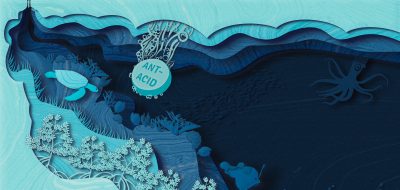
Unlike land-based livestock, shellfish and seaweeds absorb carbon dioxide. Dense seaweed farms may even create localized conditions that help reduce the effects of ocean acidification.
These environmental benefits have led organizations such as the World Wildlife Fund and The Nature Conservancy to support responsible shellfish and seaweed aquaculture.
A potential source of renewable energy
Aquaculture may also help address future energy needs through the cultivation of marine algae and seaweeds for biofuel production.
Unlike crops such as corn and sugarcane, marine algae require no freshwater, arable land, or significant fertilizer inputs. Researchers are investigating whether these organisms can become a sustainable source of renewable energy.
Challenges that remain
Despite significant progress, challenges remain in scaling aquaculture sustainably.
Scientists continue to develop selective breeding programs, engineering solutions, and monitoring technologies that can increase production while minimizing impacts on marine ecosystems and coastal communities.
What are the impacts of aquaculture on the marine environment?
Potential environmental concerns
Like all forms of agriculture, aquaculture can affect the natural environment if not managed responsibly.
Fish and shrimp farming operations can create pollution, habitat degradation, and other ecological challenges when best practices are not followed.
Environmental benefits of integrated farming
New approaches that combine fish, shellfish, and seaweed farming can reduce environmental impacts while improving water quality.
Shellfish and seaweeds absorb excess nitrogen and carbon from the water while providing habitat that can serve as nursery areas for important marine species.
On Cape Cod and elsewhere in the United States, oyster farming has expanded significantly in recent years. Some municipal and private programs are exploring shellfish cultivation as a tool for reducing excess nitrogen in coastal estuaries.
How is aquaculture regulated?
Federal oversight in the United States
Aquaculture regulations vary widely from country to country.
In the United States, multiple federal and state agencies share responsibility for aquaculture oversight, making the permitting process for new facilities both lengthy and complex.
The primary federal agencies involved include the Food and Drug Administration (FDA), the U.S. Department of Agriculture (USDA), the Environmental Protection Agency (EPA), the Army Corps of Engineers (ACOE), and NOAA.
Regulatory challenges
Although existing federal statutes provide a regulatory framework, critics argue that state regulations vary considerably and enforcement can be inconsistent.
Protection of threatened and endangered species is also an important consideration when siting and permitting offshore aquaculture facilities.
Researchers and policymakers continue to explore ways to streamline regulations while maintaining environmental safeguards.
What are scientists doing to advance sustainable aquaculture?
There is a strong incentive to scale up aquaculture production in the U.S. and around the world, and to address the challenges of implementing and maintaining large-scale farms while minimizing negative impacts on the marine environment.
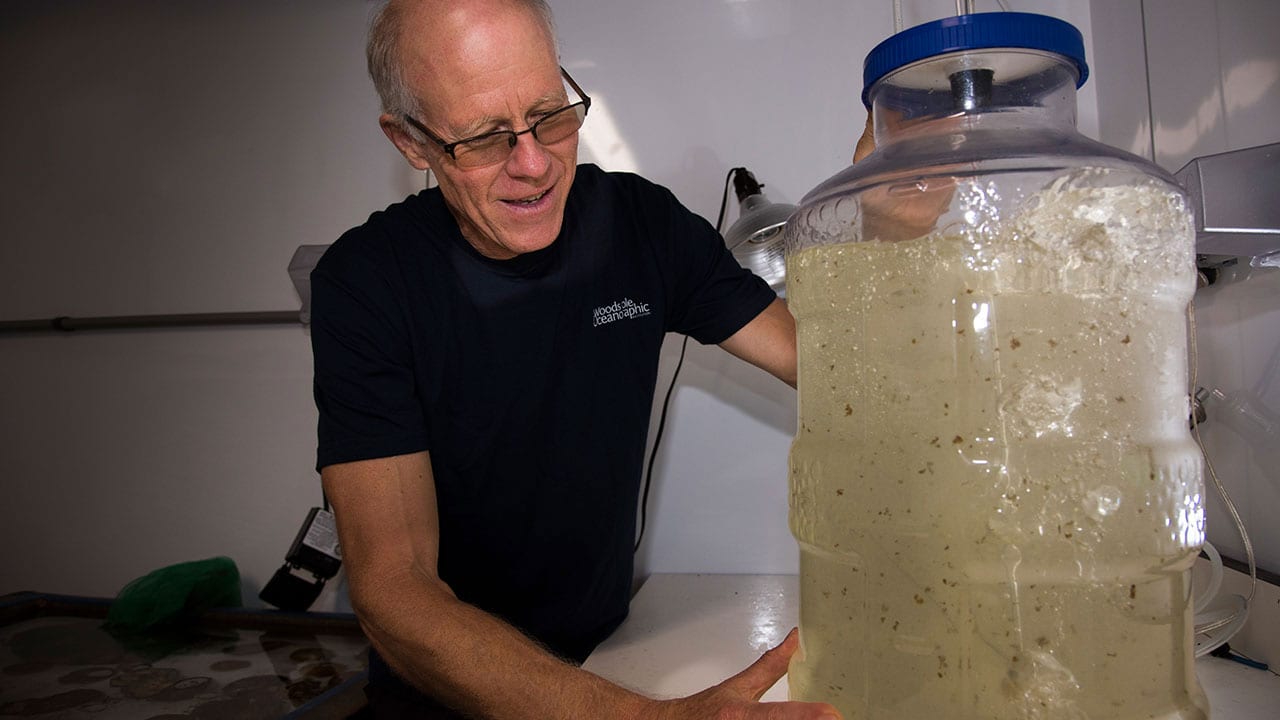
WHOI biologist Scott Lindell examines a container of gametophytes, germinal kelp plants, being prepared for use in a combined aquaculture experiment he is conducting. In six months, the millimeter-long young kelp will grow more than six feet and be ready for harvest. (Photo by Tom Kleindinst, Woods Hole Oceanographic Institution)
Adapting to climate change
Scientists are investigating how climate change may affect aquaculture through changing ocean circulation patterns, warming waters, and shifts in ocean chemistry.
Researchers are also studying where future farms should be located to remain productive under changing environmental conditions.
Addressing ocean acidification
As the ocean absorbs increasing amounts of carbon dioxide from the atmosphere, seawater becomes more acidic.
This process can weaken the calcium carbonate shells of oysters, mussels, clams, and other shell-forming organisms. Scientists are testing natural buffering methods in hatcheries to protect these vulnerable species during early development.
Monitoring harmful algal blooms
Harmful algal blooms, including red tides, can contaminate shellfish with toxins that pose risks to both human health and aquaculture operations.
WHOI scientists and collaborators have developed advanced monitoring and forecasting tools that help resource managers detect blooms and respond quickly to protect public health.
Improving kelp farming
Kelp aquaculture has attracted growing attention as a source of food, animal feed, and potentially biofuel.
WHOI researchers and collaborators have developed selective breeding programs designed to produce kelp strains that are more productive and better adapted to warming ocean conditions.
Using robotics to monitor offshore farms
Monitoring offshore aquaculture facilities can be challenging and expensive.
WHOI scientists are developing autonomous underwater vehicles and robotic monitoring systems capable of collecting environmental and production data with minimal human intervention.
These technologies could help make large-scale offshore aquaculture more efficient, sustainable, and cost-effective.
 Video
Video
How does kelp fuel the coastal food web?
Tom Bell gives an overview of giant kelp's importance
 Video
Video
WHOI Kelp Research: Seeding the Blue Economy
As the kelp aquaculture industry works to scale up, our scientists and engineers are helping out with an automated seeder that cuts down on farmers’ time and exposure to the elements.
 Video
Video
Ocean Encounters: Seaweed Solutions
Learn how scientists, ocean farmers, and policymakers are looking to kelp as a sustainable solution to some of the most challenging issues facing our world today.
 Video
Video
Seaweed Solutions
WHOI leads project to develop new kelp strains.
 Video
Video
Aquaculture pioneer Scott Lindell presents at TEDx Cambridge
Can the ocean help feed the world sustainably? In this TEDx talk, Scott Lindell explores how seaweed and shellfish farming could transform our food future.
 Video
Video
Selective breeding seaweed
Scientists are measuring kelp to breed hardier strains for offshore farms—paving the way for seaweed-based biofuel production.
 Video
Video
Improving lives in East Africa through shellfish aquaculture
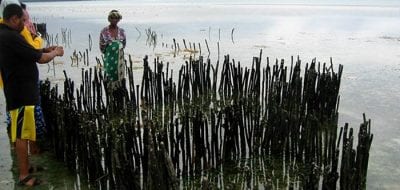
Shellfish farming in Zanzibar offers vital nutrition and income. WHOI supports training and hatchery growth to expand sustainable aquaculture in East Africa.
 Video
Video
360? Video Time-lapse: Growing Better Biofuels
Check out what it takes to grow great seaweed with a 360 tour of WHOI's Environmental Systems Laboratory.
 Video
Video
360? Video: Kelp Phenotyping
Watch WHOI scientists measure thousands of kelp blades—using rulers and calipers—to identify the best specimens for breeding.
 Video
Video
Farming Shellfish in Zanzibar
In Woods Hole and Zanzibar, Hauke Kite-Powell blends tech, economics, and marine science to promote ocean use that's both sustainable and profitable.
References
More topics like this
Fisheries
Overfishing and environmental issues have led to a decline in fish populations, creating uncertainty worldwide and threatening global economic and food security.
Marine protected areas
Marine protected areas refers to any part of the ocean that receives some level of protection under law, protecting about one percent of the global ocean.
Offshore wind
Offshore wind energy generates electricity through wind farms along inshore water areas such as lakes, fjords and sheltered coastal areas, as well as deeper-water areas.
Seafloor mining
The ocean contains a complex combination of processes that sometimes result in commercially viable forms of a wide range of minerals.
Oceanus magazine
[ ALL ]In-depth research on Aquaculture

Harnessing the ocean to power transportation
Puzzling over a mollusk mystery
An ocean of opportunity

Can Clams and Oysters Help Clean Up Waterways?

Jet Fuel from Algae?

Where Will We Get Our Seafood?
Farming Shellfish in Zanzibar

New Regulations Proposed for Offshore Fish Farms


WHOI News Room
[ ALL ]Press releases
Woods Hole Oceanographic Institution and collaborators launch world’s largest kelp map
WHOI advancing a seaweed solution to develop new kelp strains
Report reveals ‘unseen’ human benefits from ocean twilight zone
Get the ocean in your inbox
Fresh discoveries, research, and stories from WHOI — free, every week.