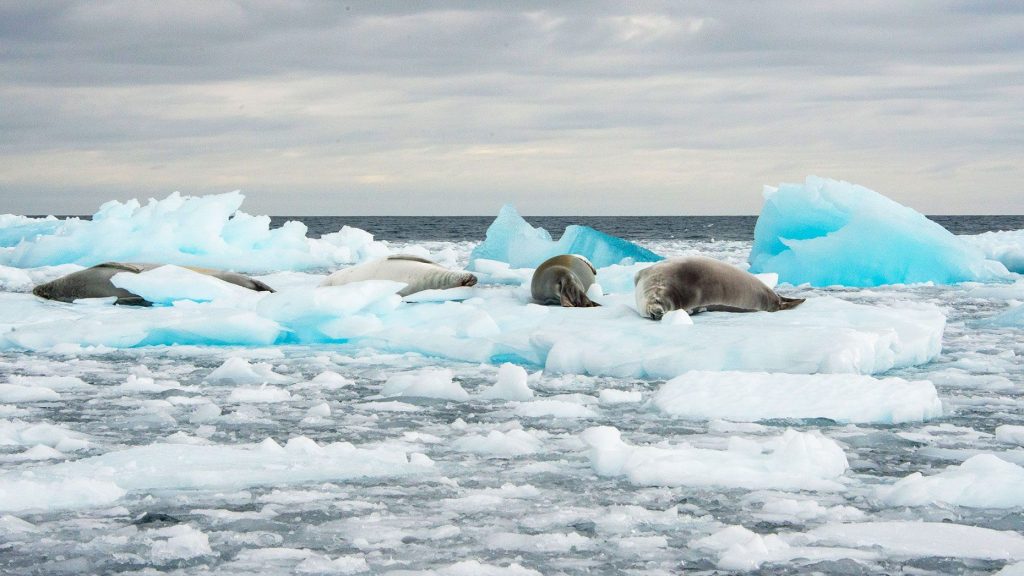
Glaciers, ice sheets, and sea ice are essential parts of Earth's climate system. These frozen ocean regions reflect incoming solar radiation, help stabilize global temperatures, and contain most of the planet's fresh water. Although they are located in remote areas, changes in polar ice can have significant global impacts, influencing sea-level rise, atmospheric conditions, and ocean circulation patterns.
Glaciers and ice sheets form on land from compacted snow over thousands of years and can flow slowly toward the sea. Sea ice, on the other hand, forms directly from ocean water, floating on the surface and expanding or shrinking with the seasons. Depending on its age and chemical makeup, sea ice may appear smooth or jagged, It supports life in polar regions.
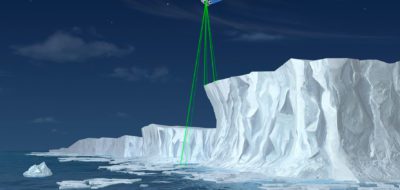
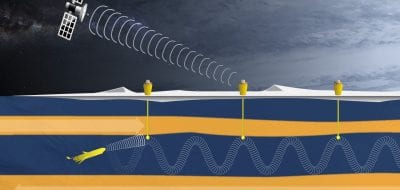
Researchers examine ice formations, movement, and melting to assess their responses to a warming climate using satellite data, field measurements, and under-ice technologies.
 Video
Video
The Frozen Ocean: Arctic & Antarctica
Earth’s fragile polar regions help regulate climate, support thriving marine ecosystems, and play a vital role in global environmental balance.
 Video
Video
Ocean Encounters: Ice!
Explore icy frontiers on Earth and beyond—discover how life survives, what ice reveals about our past, and where it might lead us next.
 Video
Video
Ocean Encounters: The Arctic
Learn how climate change in the Arctic—melting ice and warming seas—impacts life across our entire planet.
 Video
Video
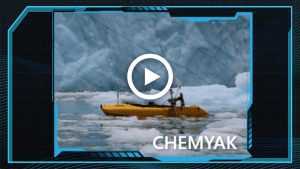
Ocean: Impossible | Meet ChemYak
Meet ChemYak. The deep ocean is dark, cold, and risky for humans—so we rely on robots to explore and guide us in this vast frontier.
 Video
Video
Ocean Encounters: Antarctica!
Antarctica and the Southern Ocean make up the most remote part of our planet—one that few people have experienced.
 Video
Video
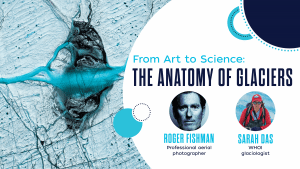
From Art to Science: the Anatomy of Glaciers
A visually exciting discussion about Greenland glacial photography and science, featuring WHOI glaciologist Sarah Das and professional aerial photographer Roger Fishman.
 Video
Video
Oases in Sea Ice Are Essential to Life in Antarctica
Researchers study Antarctic polynyas—ocean oases of life—to uncover how physical and biological processes shape and respond to environmental change.
 Video
Video
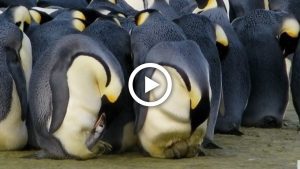
March of the Penguins
Emperor penguins may vanish by 2100 as climate change melts the sea ice they need to breed, feed, and raise their young, a WHOI study warns.
 Video
Video
Why is the Greenland Ice Sheet melting faster than ever?
Interview with WHOI senior scientist Claudia Cenedese.
 Video
Video
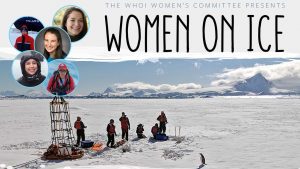
Breaking Ice: Science at the Top of the World
Embark on an Arctic journey with WHOI scientists and engineers aboard icebreaker Louis S. St. Laurent as they collect data on the Beaufort Gyre.
 Video
Video
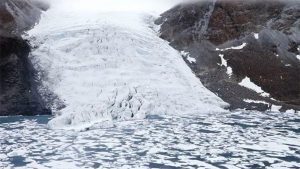
Women on Ice
Join us for a conversation with five women who work on, near, and under ice
 Video
Video
Where Glaciers Meet the Sea
How a warming ocean might speed the loss of Greenland's ice
 Video
Video
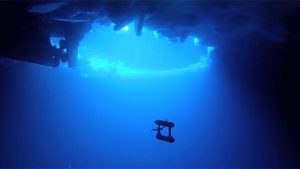
Ocean Robots: Sea Ice
Autonomous SeaBED vehicles map beneath sea ice, unlocking mysteries of this challenging and little-known ocean environment.
 Video
Video
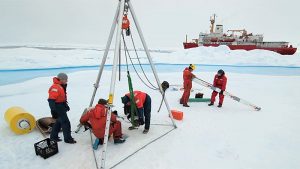
Ocean Robots: Arctic Ocean
Robotic tools like the Ice-Tethered Profiler reveal what's happening beneath Arctic ice, helping scientists track rapid changes in this fragile ocean region.
 Video
Video
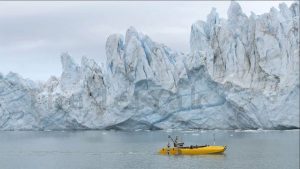
The Jetyak
WHOI engineers develop a new type of ocean robot.
 Video
Video
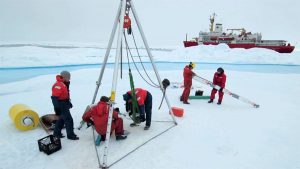
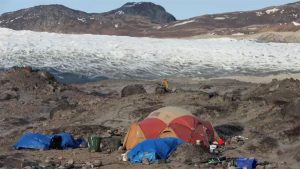
Studying the Arctic remotely
How WHOI is using ice-tethered profilers to repeatedly sample the properties of the Arctic Ocean.
 Video
Video
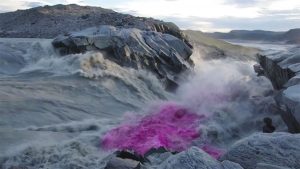
80 Days in Greenland
Follow MIT/WHOI graduate student Ben Linhoff as he spends the 2012 field season camped at the foot of the Leverett Glacier in western Greenland
 Video
Video
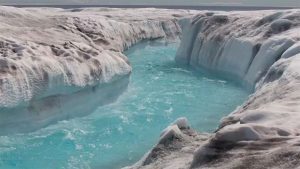
Following the Ice 2012
In 2012, researchers camped at Greenland's Leverett Glacier to study melting—and witnessed one of the most intense melt seasons ever recorded.
 Video
Video
The Changing Face of Greenland
Interview with WHOI glaciologist Sarah Das.
 Video
Video
Into the Dark and Ice
Carin Ashjian leads a team of scientists on an expedition into the Chukchi Sea.
More topics like this
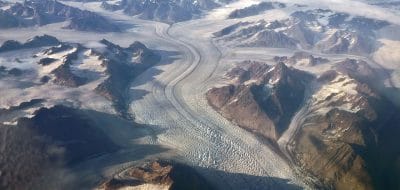
Glaciers & ice sheets
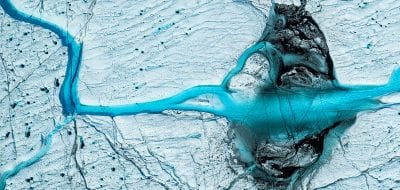
Glaciers are large ice masses created by snowfall that has transformed into ice and compressed over the course of many years. An ice sheet is a mass of glacial land ice extending more than 20,000 square miles.
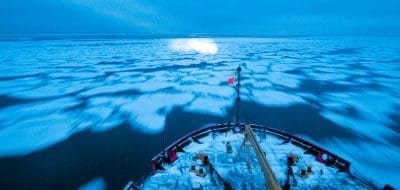
Sea ice
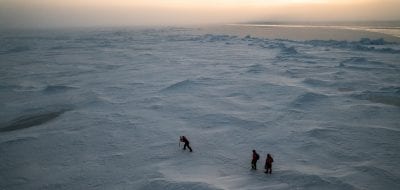
Sea ice is frozen seawater floating on the surface of the ocean. Sea ice is formed entirely in the ocean, unlike icebergs, which originate from land-based sources like glaciers and ice sheets.
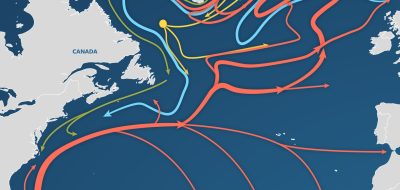
AMOC—The Atlantic Ocean’s conveyor belt
The ocean's conveyor-like global circulation influences today's climate system.
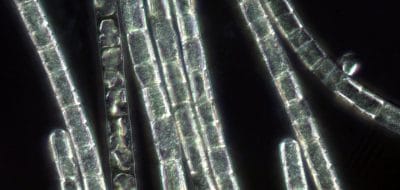
Biogeochemistry
Biogeochemistry studies the cycles of crucial elements, such as carbon and nitrogen, and their interactions with other substances and organisms as they move through Earth's atmosphere, hydrosphere, biosphere, and lithosphere.
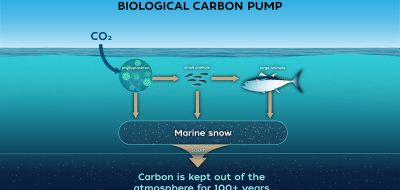
Biological carbon pump
Every day, microscopic phytoplankton pull carbon dioxide from surface waters and send it sinking into the deep sea—where the ocean's biological carbon pump can lock it away for hundreds to thousands of years, quietly shaping Earth's climate.
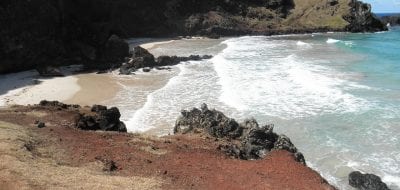
Changing shorelines & erosion
Waves, currents, wind, storms, and tides form complex interactions over time to cause erosion along some stretches of shoreline and growth in others.
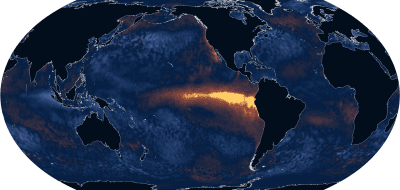
El Niño
El Niño is a natural climate pattern that occurs every two to seven years, when unusually warm Pacific Ocean waters alter global weather, causing floods, droughts, and marine ecosystem disruptions.
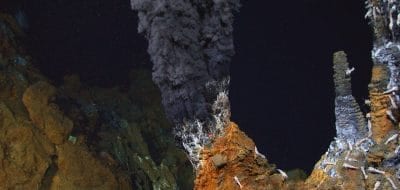
Hydrothermal vents
In the sunless deep, hydrothermal vents gush superheated, mineral-rich fluid from the seafloor, building towering mineral chimneys. Around them thrives one of Earth's strangest ecosystems—tubeworms, shrimp, and microbes that live on chemistry instead of sunlight, powered by the planet's inner heat.
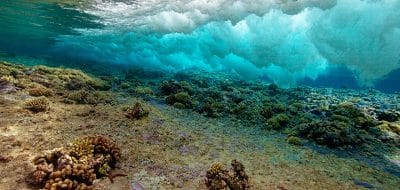
Sunlit zone
The upper layer of the ocean is known as the sunlit, or euphotic, zone. Because water strongly absorbs light, sunlight penetrates only to depths of about 200 meters (656 feet).
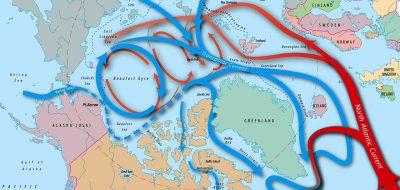
Arctic ocean circulation
The complex ocean circulation system in the Arctic — which impacts the entire food web — is in a delicate balance.
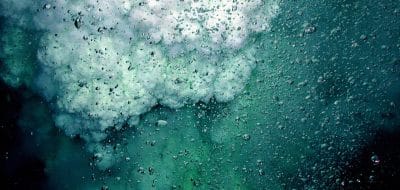
Carbon cycle
Carbon is the building block of life on Earth and has a powerful impact on the planet’s climate.
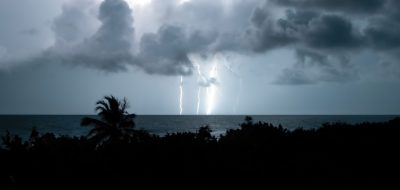
Cycles
Oceanic cycles — chemical, physical, and biological — are related to cyclic processes in the Earth's atmosphere, such as the seasons, El Niño events, and long-term climate changes.
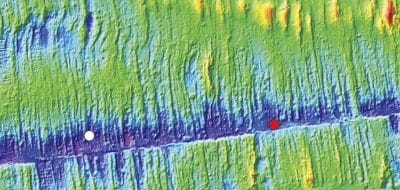
Mid-ocean ridges
The mid-ocean ridge occurs along boundaries where plates are spreading apart.
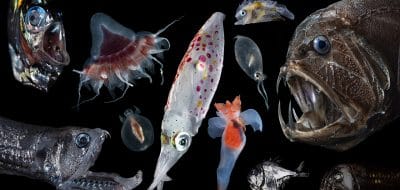
Twilight zone
The ocean twilight zone is a layer of water that stretches around the globe. It lies 200 to 1,000 meters below the ocean surface, just beyond the reach of sunlight.
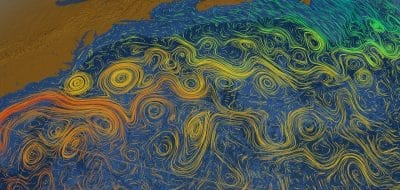
Currents, gyres, & eddies
At the surface and beneath, currents, gyres and eddies physically shape the coasts and ocean bottom.
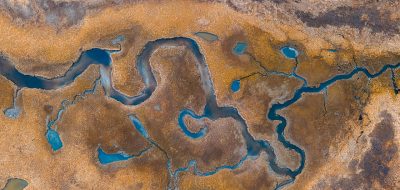
Groundwater
Groundwater is water that exists underground in the spaces between grains of sand or gravel or in the cracks and fractures in solid rock—part of the global water cycle.
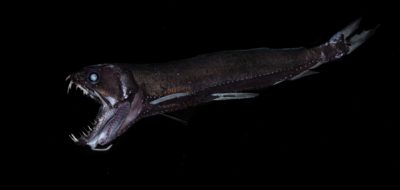
Midnight zone
The midnight zone, or bathypelagic, extends to about 4,000 meters (about 13,100 feet), which reaches the ocean floor in many places is in perpetual darkness.
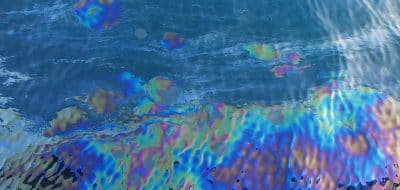
Natural oil seeps
As much as one half of the oil that enters the coastal environment comes from natural seeps of oil and natural gas.
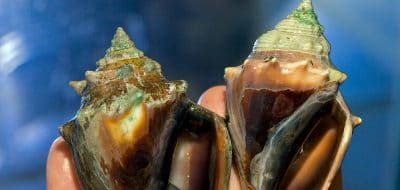
Ocean acidification
Ocean acidification is a reduction in the pH of the ocean over an extended period of time, caused primarily by an increase of carbon dioxide from the atmosphere.
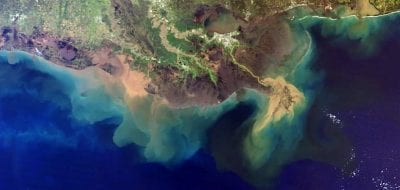
Oxygen dead zones
Dead zones occur when the water lacks oxygen. Like us, marine animals require oxygen to breathe, and when oxygen levels drop too low they can suffocate.
Oceanus magazine
[ ALL ]In-depth research on Frozen ocean
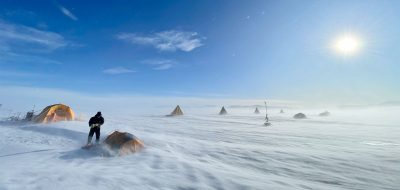
A scientist’s quest to find Earth’s oldest ice
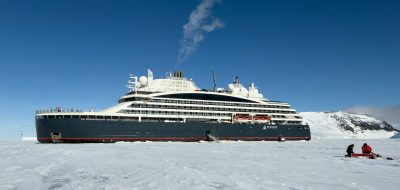
Luxury cruises with a side of climate science
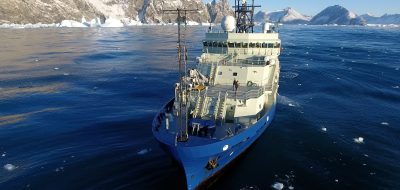
Following the Polar Code

A gift for ocean research




WHOI News Room
[ ALL ]Press releases
Global survey sheds light on the forces shaping ice-sheet stability
Get the ocean in your inbox
Fresh discoveries, research, and stories from WHOI — free, every week.