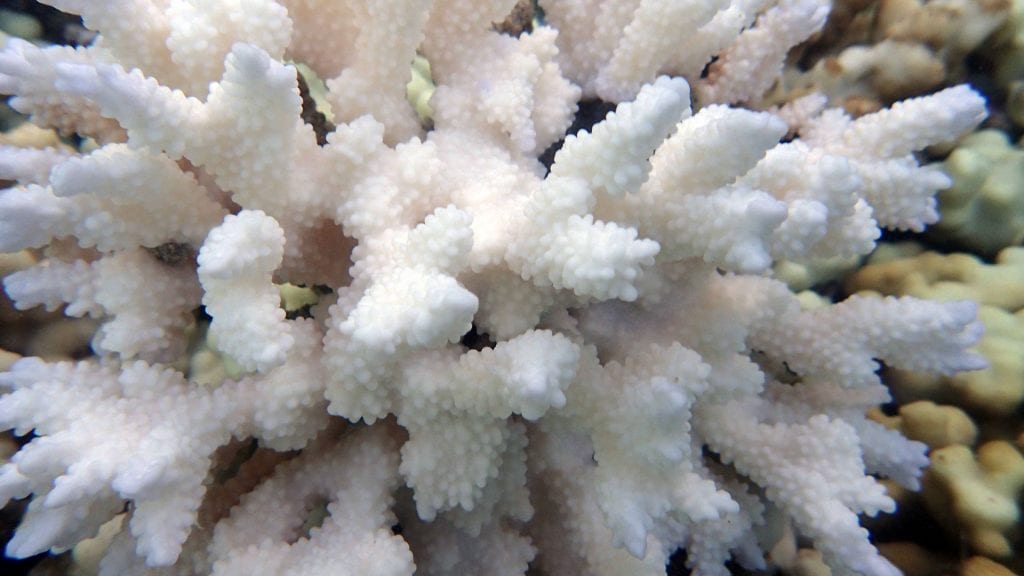
Ocean chemistry is the study of the elements and compounds that make up seawater and the chemical processes that shape life in the ocean. It explores how key elements — such as carbon, nitrogen, and oxygen — move through the ocean and interact with the atmosphere, marine life, the seafloor, and even the planet's geology.
These chemical processes help regulate Earth's climate, fuel marine ecosystems, and influence the health of our planet. For example, the ocean absorbs large amounts of carbon dioxide from the atmosphere. But as more carbon dioxide enters the sea, it changes the water's chemistry - a phenomenon known as ocean acidification — which can harm corals, shellfish, and other marine organisms. In some areas, excess nutrients cause algal blooms that can exhaust oxygen levels in the water, leading to "dead zones" where few animals can survive.
Oceanographers study ocean chemistry to understand how the ocean works, how it's changing, and what those changes mean for the environment and people.
More topics like this
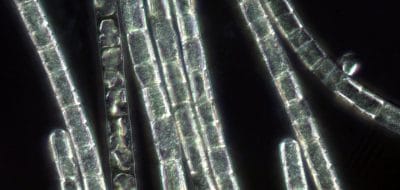
Biogeochemistry
Biogeochemistry studies the cycles of crucial elements, such as carbon and nitrogen, and their interactions with other substances and organisms as they move through Earth's atmosphere, hydrosphere, biosphere, and lithosphere.

Ocean acidification
Ocean acidification is a reduction in the pH of the ocean over an extended period of time, caused primarily by an increase of carbon dioxide from the atmosphere.
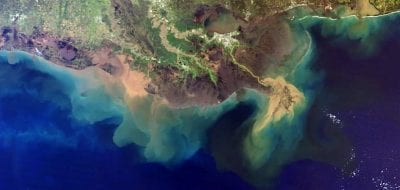
Oxygen dead zones
Dead zones occur when the water lacks oxygen. Like us, marine animals require oxygen to breathe, and when oxygen levels drop too low they can suffocate.
Oceanus magazine
[ ALL ]In-depth research on Ocean chemistry

Our eyes on the seafloor

4 Potential Solutions for Corals in Crisis

The hypoxic reef

WHOI scientists discuss the chemistry behind Sri Lanka’s flaming plastic spill

An ocean of opportunity

The ocean has heartburn. Is relief on the way?

Science RoCS Initiative responds to need for increased ocean monitoring

A new ocean soundscape

Putting the ‘nuclear coffin’ in perspective

Tracking Radium in the Arctic

Meet the ChemYak!
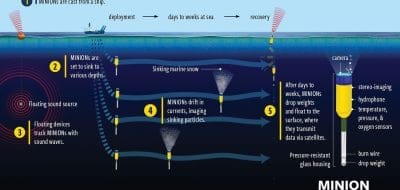
Chasing Ocean ‘Snowflakes’






WHOI News Room
[ ALL ]Press releases
A new study reveals how oxygen first reached Earth’s oceans
Get the ocean in your inbox
Fresh discoveries, research, and stories from WHOI — free, every week.