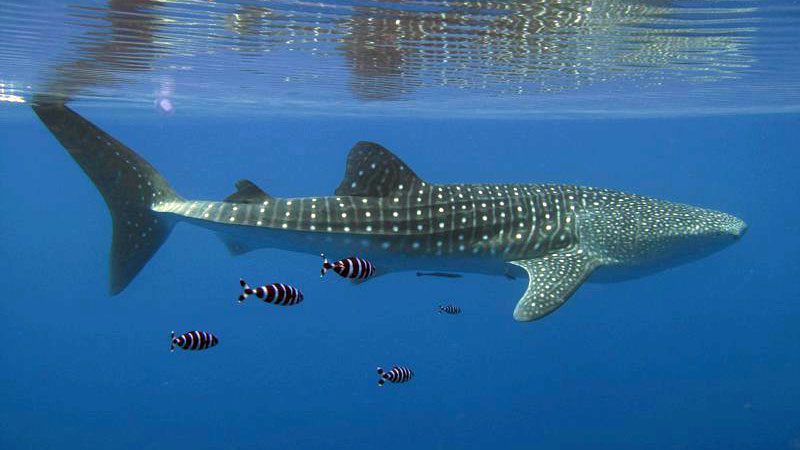
Every drop of ocean water holds living things.
Across Earth's history, the ocean has nurtured nearly every form of life that has ever existed. Immerse yourself in the diverse ecosystems around coral reefs, the surprising homes of marine microbes, the migrations of giant marine mammals, and the clues embedded in Environmental DNA.
Ocean Encounters: Becoming a Marine Biologist
Ever dreamed of exploring the ocean and studying amazing marine animals? Discover what it takes to become a marine biologist and what the career looks like.
More topics like this
Benthic life
Benthic animals live on the sea floor and are typically invertebrates, such as sea anemones, sponges, corals, sea stars, sea urchins, worms, mussels, crabs, and more.
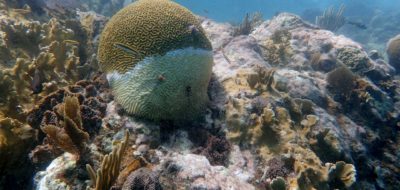
Coral stressors
Stressors can affect organisms living on the reef or they can affect the corals, themselves. When corals die, other organisms must relocate or struggle to survive.
Corals
Many people think of coral as hard, rock-like formations that attract abundant, diverse marine life. In fact, corals are tiny marine animals called polyps that live together in colonies.
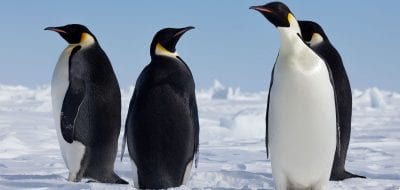
Emperor penguins
The emperor penguin is the largest living penguin species standing around 115 centimeters tall. Once they have found a partner, they work together to keep their young fed and safe.
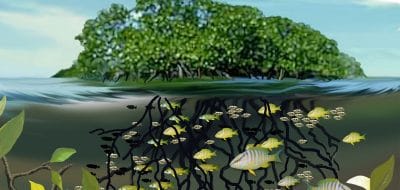
Coastal ecosystems
The narrow region where land and ocean meet includes salt marshes, mangroves, wetlands, estuaries, reefs, and bays often linked in a network of physical, chemical, and biological interchanges.
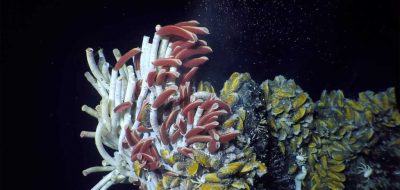
Ecosystems
Ocean ecosystems are found in polar regions, coastal waters, coral reefs, hydrothermal vents, the abyssal plain, and at the bottom of the sea.
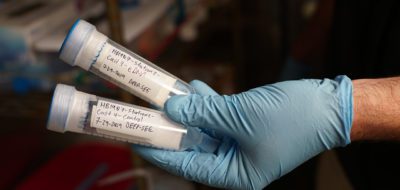
Environmental DNA (eDNA)
Environmental DNA (eDNA) is essentially DNA collected from the environment. As animals swim through the ocean, they're constantly releasing DNA as they shed skin or scales into the water column.
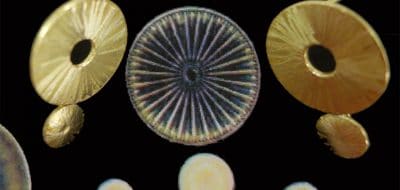
Phytoplankton
Phytoplankton are primary producers of the ocean—the organisms that form the base of the food chain. WHOI explores the microscopic, single-celled organisms.
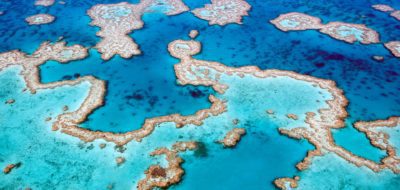
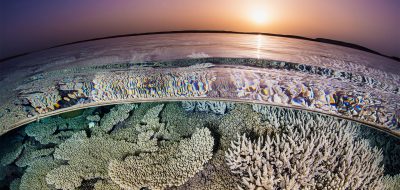
Reef ecosystems
A healthy reef protects coastlines from wave damage, plays a critical role in providing food, boosts the economy, and provides materials for pharmaceuticals.
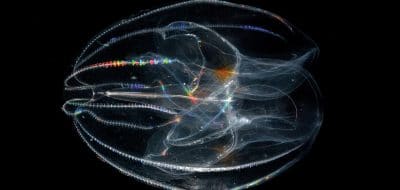
Jellyfish & other zooplankton
These animals live all or part of their life suspended and drifting in fresh or salt water, rarely come in contact with hard surfaces.
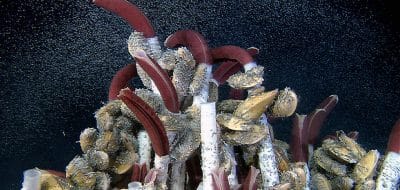
Life at vents & seeps
Hydrothermal vents and cold seeps are places where chemical-rich fluids emanate from the seafloor, often providing the energy to sustain lush communities of life in some very harsh environments.
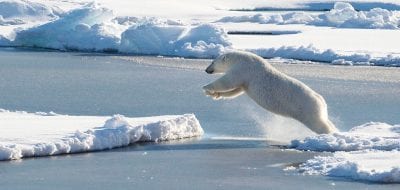
Polar life
By human standards, they are extreme environments. Yet life not only persists in the poles...it thrives.
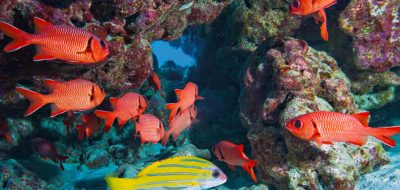
Reef fish
Fish that inhabit a coral reef play essential roles in the reef ecosystem, and reefs without fish struggle to recover from bleaching or other events that damage the coral.
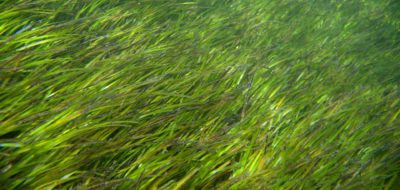
Seagrass meadows
Seagrass meadows are plants adapted to live a completely submerged life in the salty shallows.
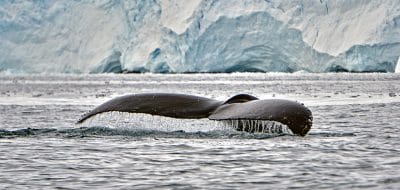
Marine mammals
Marine mammals are warm-blooded vertebrates that bear live young and nourish them with milk as land mammals do, but that spend most or all of their lives in the ocean.
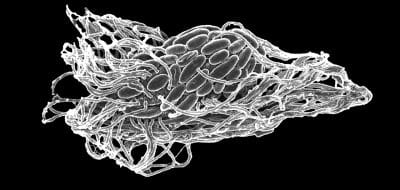
Marine microbes
Microbial life can be found throughout the ocean, from rocks and sediments beneath the seafloor, across the vast stretches of open water, to intertidal and surf zones.
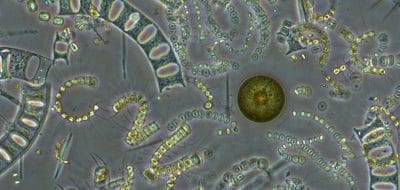
Ocean plants
Ocean plants are critical to marine life—they are an important food source, they provide oxygen to surrounding marine life, and they supply refuge and nursery grounds.
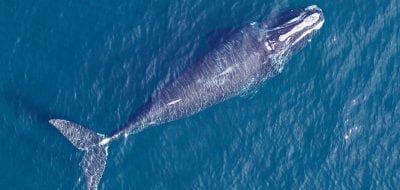
Right whales
The North Atlantic right whale is one of the ocean's most endangered large animals, with only a few hundred left. Slow-moving and often near the surface, these baleen whales are especially vulnerable to ship strikes and entanglement in fishing gear.
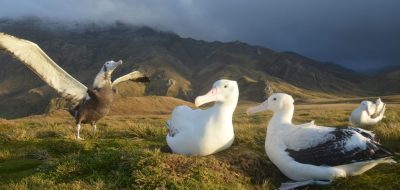
Seabirds
Seabirds have adapted to life in an ocean environment. There are many species of seabirds, and they vary greatly in behavior and physiology
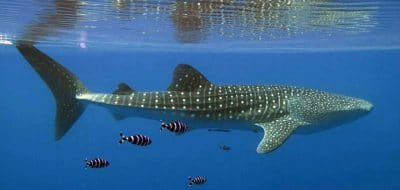
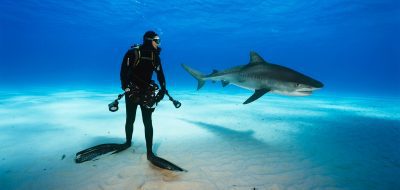
Sharks & other fish
Fish are vital to healthy ecosystems and economies, serving as predators and prey while maintaining balanced food webs and protecting habitats like coral reefs and mangroves.
Oceanus magazine
[ ALL ]In-depth research on Ocean life

Sampling Gulf Stream plankton, one teaspoon at a time

These seabirds fly toward cyclones, not away from them

Ships in the Strait of Hormuz are becoming invasive species breeding grounds
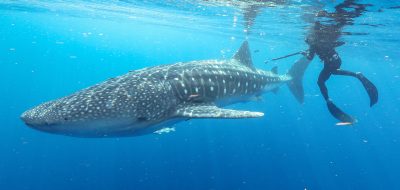
3 questions with Cam Braun
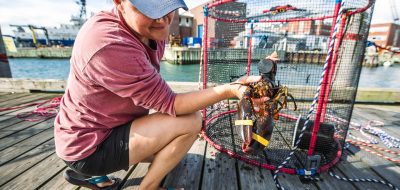
Is underwater noise from construction affecting the American Lobster?
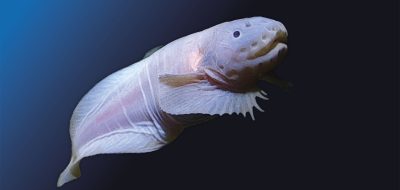
Squishy survivor
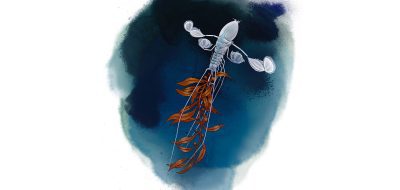
A hadal zone mystery solved
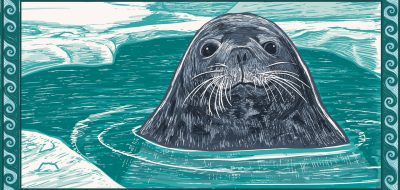
A mother seal dives
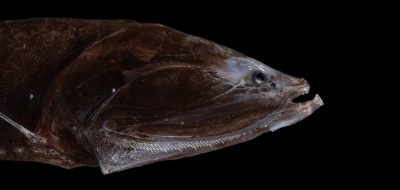
The world’s most abundant fish once thrived in an extreme climate

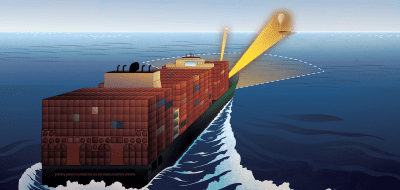
How a cargo ship is tracking hidden ocean life in the Atlantic
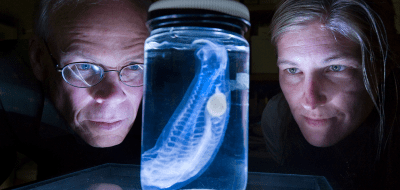
Tiny drifters, massive impact
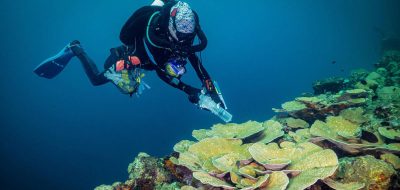
From ruin to reef

One researcher, 15,000 whistles: Inside the effort to decode dolphin communication

As the ocean warms, a science writer looks for coral solutions
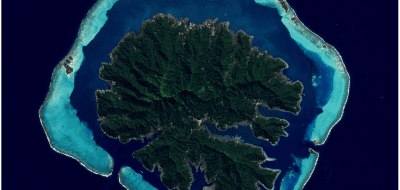
How an MIT-WHOI student used Google Earth to uncover a river–coral reef connection
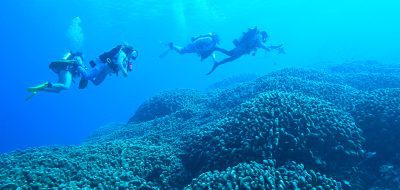
Inside the Solomon Islands’ hidden mega coral — a 300-year-old ocean giant
Get the ocean in your inbox
Fresh discoveries, research, and stories from WHOI — free, every week.