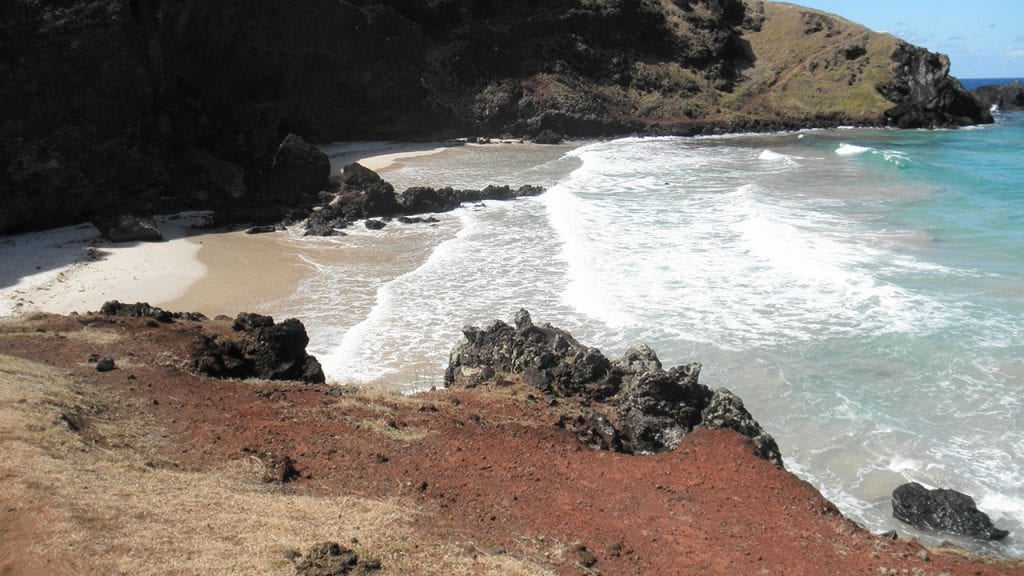
Spend just a few minutes on almost any beach, and the ocean will soon demonstrate a few of the many ways it can transform the narrow strip of shallow water and adjacent land that makes up the shoreline. With every wave, sediments are deposited and withdrawn in complex ways. On a much larger scale, waves, currents, wind, and tides form complex interactions over time to cause erosion along some stretches of shoreline and accretion (growth) in others.
This is just the beginning, however. Add storms, coastal development, and sea level rise to the mix and the fact of our constantly changing shoreline becomes a far more complex and serious issue.
In the U.S. alone, billions of dollars are spent each year in housing, businesses, and recreation, national security, and infrastructure along our dynamic coasts. While beach erosion threatens property near the shoreline, it also profoundly influences natural systems that regulate the exchanges of water, nutrients and organisms with the open ocean. As a result, billions more are used to protect wetlands, maintain beaches and waterways, and rebuild damaged or aging infrastructure.
Salt marshes, estuaries, and mangroves, for example, are a critical component of our coastal ecosystem and are particularly vulnerable to human activity and accelerated sea-level rise. Tidal marshes, the dominant estuarine habitat along the East Coast of the U.S., are ecologically and economically important as they filter and absorb terrestrial nutrients and pollutants, buffer coastlines from waves and storm surges, and provide nurseries for fish and other marine animals.
Linking diverse coastal processes and the impacts of natural and human-induced change requires a systems-oriented, multidisciplinary approach to tackling basic science questions that can have real and lasting impacts. Scientists are working to identify areas subject to both long- and short-term coastline change, and understand the many factors influencing these changes, in order to help individuals and governments make better decisions regarding management of important coastal resources.
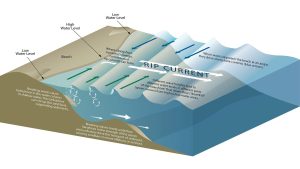 Illustration
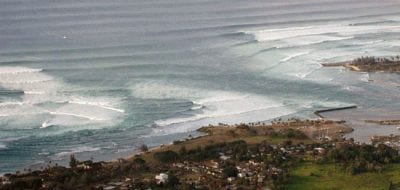
Development of a rip current along a coastal beach
Waves, currents, and seafloor shape interact in coastal surf zones, moving sand and water up, down, and along the shore, constantly reshaping the coastline.
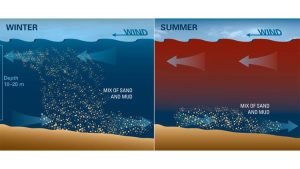 Illustration
Between the beach and the deep sea
The shallow inner shelf connects beach and ocean, where waves, tides, and seasonal changes mix sand, water, and nutrients, shaping coastal transport.
References
Coastal Systems Group
Scientific insight into real-world problems such as rising sea level, storm activity, and climate change
PVLab
Understanding and modelling waves, currents, and sand movement in the nearshore, surf, and swash.
Where Land & Sea Meet : Managing Shoreline Change Over the Next 100 Years
How fast could sea level rise? How would rising sea level affect our coastline? These questions, and many others, were the subject of this Morss Colloquium.
More topics like this
Groundwater
Groundwater is water that exists underground in the spaces between grains of sand or gravel or in the cracks and fractures in solid rock—part of the global water cycle.
Rivers, estuaries, & deltas
Rivers, estuaries, and deltas are key to understanding the chemical structure of seawater, and are home to some of the world's most diverse ecosystems.
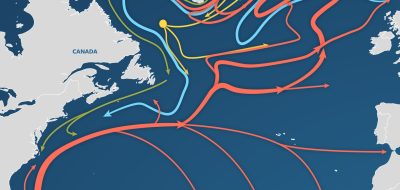
AMOC—The Atlantic Ocean’s conveyor belt
The ocean's conveyor-like global circulation influences today's climate system.
Biogeochemistry
Biogeochemistry studies the cycles of crucial elements, such as carbon and nitrogen, and their interactions with other substances and organisms as they move through Earth's atmosphere, hydrosphere, biosphere, and lithosphere.
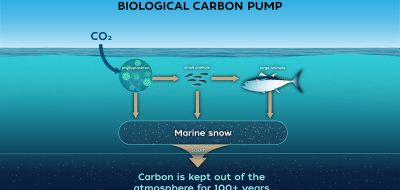
Biological carbon pump
Every day, microscopic phytoplankton pull carbon dioxide from surface waters and send it sinking into the deep sea—where the ocean's biological carbon pump can lock it away for hundreds to thousands of years, quietly shaping Earth's climate.
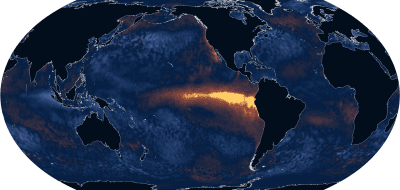
El Niño
El Niño is a natural climate pattern that occurs every two to seven years, when unusually warm Pacific Ocean waters alter global weather, causing floods, droughts, and marine ecosystem disruptions.
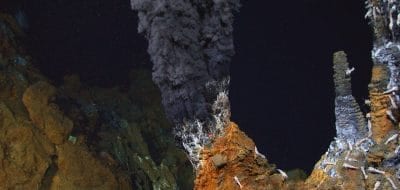
Hydrothermal vents
In the sunless deep, hydrothermal vents gush superheated, mineral-rich fluid from the seafloor, building towering mineral chimneys. Around them thrives one of Earth's strangest ecosystems—tubeworms, shrimp, and microbes that live on chemistry instead of sunlight, powered by the planet's inner heat.
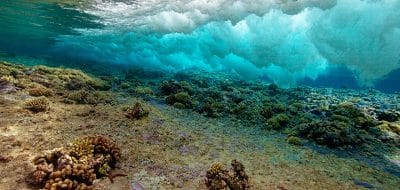
Sunlit zone
The upper layer of the ocean is known as the sunlit, or euphotic, zone. Because water strongly absorbs light, sunlight penetrates only to depths of about 200 meters (656 feet).
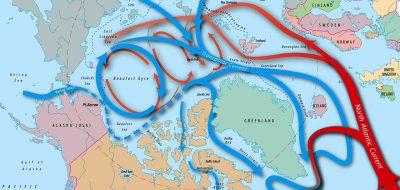
Arctic ocean circulation
The complex ocean circulation system in the Arctic — which impacts the entire food web — is in a delicate balance.
Carbon cycle
Carbon is the building block of life on Earth and has a powerful impact on the planet’s climate.
Cycles
Oceanic cycles — chemical, physical, and biological — are related to cyclic processes in the Earth's atmosphere, such as the seasons, El Niño events, and long-term climate changes.
Glaciers & ice sheets
Glaciers are large ice masses created by snowfall that has transformed into ice and compressed over the course of many years. An ice sheet is a mass of glacial land ice extending more than 20,000 square miles.
Mid-ocean ridges
The mid-ocean ridge occurs along boundaries where plates are spreading apart.
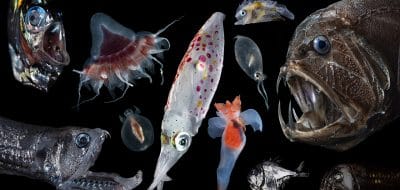
Twilight zone
The ocean twilight zone is a layer of water that stretches around the globe. It lies 200 to 1,000 meters below the ocean surface, just beyond the reach of sunlight.
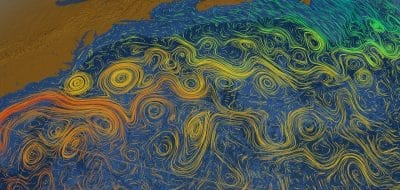
Currents, gyres, & eddies
At the surface and beneath, currents, gyres and eddies physically shape the coasts and ocean bottom.
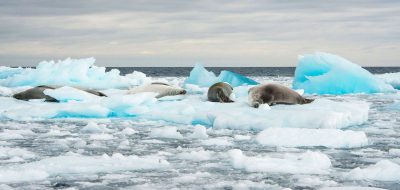
Frozen ocean
The polar regions are experiencing unprecedented environmental changes that have significant potential impacts on global climate, ecosystems, and society.
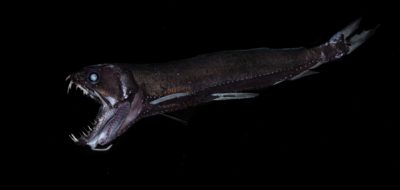
Midnight zone
The midnight zone, or bathypelagic, extends to about 4,000 meters (about 13,100 feet), which reaches the ocean floor in many places is in perpetual darkness.
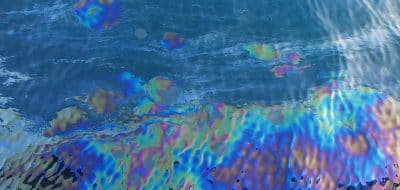
Natural oil seeps
As much as one half of the oil that enters the coastal environment comes from natural seeps of oil and natural gas.
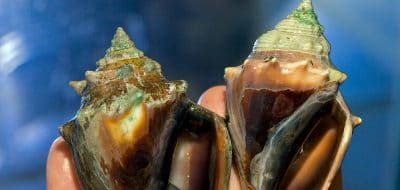
Ocean acidification
Ocean acidification is a reduction in the pH of the ocean over an extended period of time, caused primarily by an increase of carbon dioxide from the atmosphere.
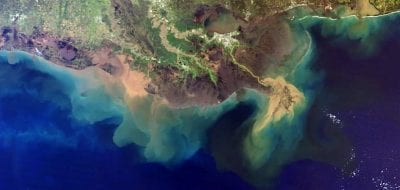
Oxygen dead zones
Dead zones occur when the water lacks oxygen. Like us, marine animals require oxygen to breathe, and when oxygen levels drop too low they can suffocate.
Oceanus magazine
[ ALL ]In-depth research on Changing shorelines & erosion
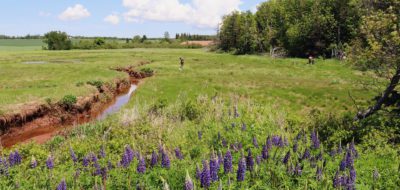
An introduction to marsh bothering
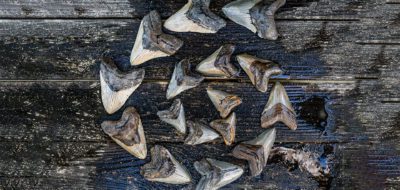
Wilmington’s shark tooth divers can thank the last ice age for their treasure trove
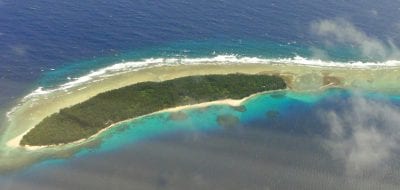
Novel tool sheds light on coral reef erosion
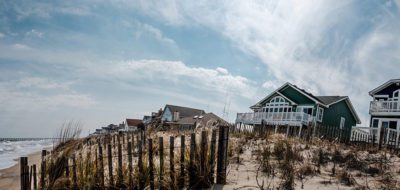
With worsening storms, can the Outer Banks protect its shoreline?

Dune buggies and diving:

Adapt or retreat:
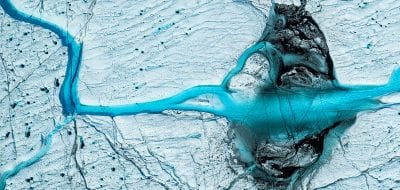
The ocean science-art connection
Marshes, Mosquitoes, and Sea Level Rise
More Floods & Higher Sea Levels
From Lab to Sea
To Catch a Hurricane
Shifting Sands and Bacteria on the Beach

WHOI News Room
[ ALL ]Press releases
New federal funding to accelerate ocean-climate resilience
Interactive Climate Tour Opens in Woods Hole
Get the ocean in your inbox
Fresh discoveries, research, and stories from WHOI — free, every week.