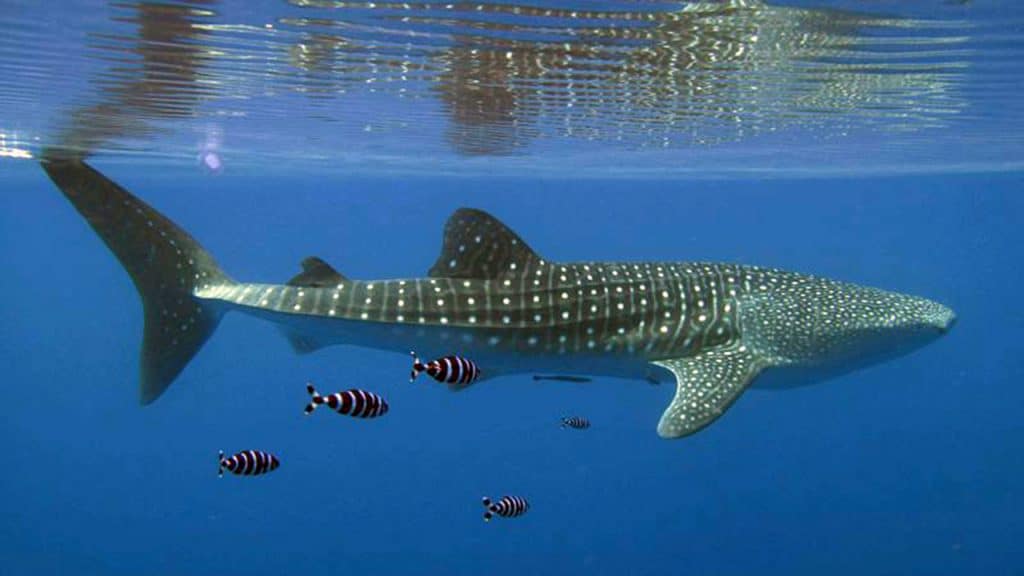
What are they?
Fish are aquatic animals that were among the first vertebrates (animals with a backbone) to evolve on Earth. They are divided into two broad groups: teleosts, which have a bony skeleton and symmetrical tail and include most familiar fish species, and elasmobranchs, which have a skeleton made of cartilage and include sharks, rays and skates. There are about 30,000 species in the two groups combined (equal to the number of all other vertebrate species combined) in existence today.
 Video
Video
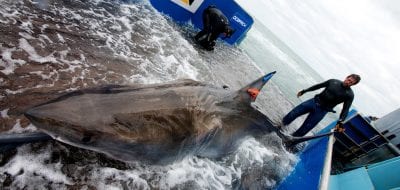
WHOI researcher tags a whale shark!
Jaida Elcock shows us her tags—and how she puts them on these majestic fish to learn more about their behavior.
 Video
Video
Top predator loss of habitat?
Climate change may force sharks, tuna, and billfish out of up to 70% of their current habitat.
 Video
Video
Ocean Encounters: Sharks!
Discover the world of sharks and their behavior and role in a healthy ocean with experts Greg Skomal and Simon Thorrold.
 Video
Video
Tagging Sharks to Study the Twilight Zone
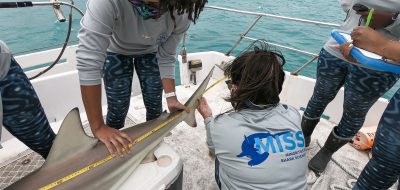
Researchers and fishermen tag two porbeagles, a relative of the goblin shark.
 Video
Video
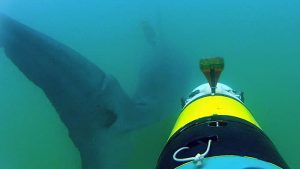
Basking sharks filmed by an AUV for the first time
Discover the underwater behavior of basking sharks, the world's second-largest fish, captured by WHOI's SharkCam
 Video
Video
TOTEM Project
Tagging Ocean Teleost and Elasmobranch Megafauna.
 Video
Video
SharkCam Lost and Found
After losing SharkCam in deep waters off Guadalupe Island, the team worked to recover their newest vehicle.
 Video
Video
Return of SharkCam: Into the Dark
SharkCam returned to follow great white sharks deeper and into the night to give researchers never-before-seen views of the ocean's top predator in the wild.
 Video
Video
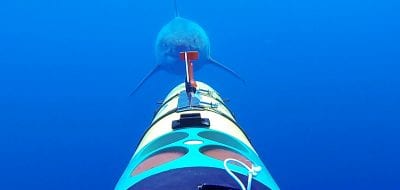
Inside SharkCam
Learn how REMUS SharkCam is able to take you into the world of the great white shark to give you an up-close look at the ocean's top predator.
 Video
Video
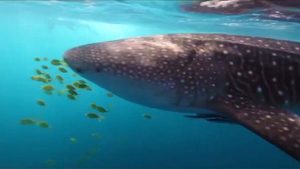
A Haven for Whale Sharks
Juvenile whale sharks gather off Saudi Arabia's coast, offering rare insights into their early lives and highlighting the need to protect vital habitats.
 Video
Video
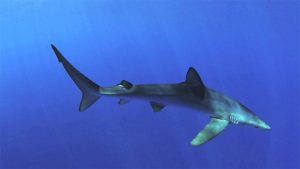
The Ocean’s Hidden Predators: Revealed
SharkCam helps scientists study sharks up close, revealing their role in the ocean.
 Video
Video
The TOTEM Project
Presentation by Simon Thorrold on the TOTEM Project.
 Video
Video
5 Questions about Sharks
WHOI biologist and senior scientist Simon Thorrold discusses sharks and why they are important to a healthy ocean.
 Video
Video
REMUS SharkCam: The Hunter and the Hunted
In 2013, WHOI's REMUS SharkCam filmed great white sharks off Guadalupe Island—and captured surprising footage of their underwater behavior.
 Video
Video
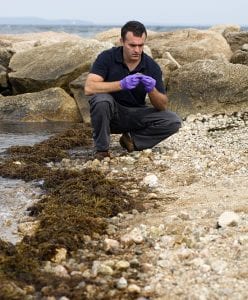
Tagging a Basking Shark
Watch how researchers tag sharks.
 Video
Video
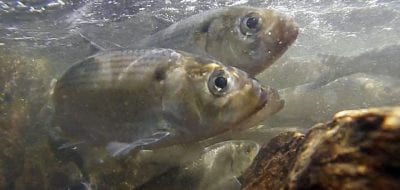
No Stone Unturned
Joel Llopiz is trying to understand why New England river herring are making a slow comeback by examining a tiny stone in their head.
Bony Fish (Teleosts)
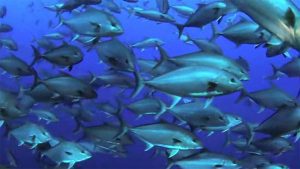
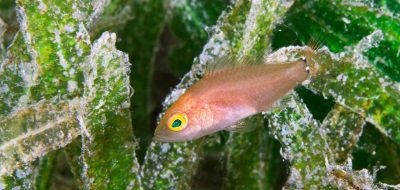
Bony fish are found around the world in both salt and fresh water, from the tropics to the Arctic and Antarctic, and from the coasts to the deepest parts of the ocean. They range in size from the pygmy goby, at one-third of an inch (9 millimeters), to the marlin, which can grow to nearly 12 feet (3.5 meters).
The behaviors and life cycle strategies of fish is almost as varied as the number of species. Some fish can survive being frozen for long periods, while others have adapted to life near hydrothermal vents. Some fish have even evolved mechanisms to deal with high levels of pollution.
Cartilaginous Fish (Elasmobranchs)
Sharks, skates, and rays are also found around the world and, unlike bony fishes, have a skeleton made of cartilage. They also lack the swim bladder found in other fish species, often relying instead on a large, oily liver to control their buoyancy.
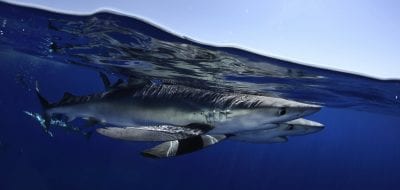
There are about 500 species of sharks, several of which are among the most recognizable fish species on Earth, including the white shark, one of the ocean's largest predators, and the whale shark, which is the largest fish in the ocean. Because they are wide-ranging animals, many basic questions about sharks remain unanswered, including where many species migrate, when and where they mate and give birth, and what they eat. This lack of information has made it difficult to estimate shark populations and challenging to design conservation measures for even the most threatened species.
Sharks are generally slow to mature—white sharks likely take at least 20 years to reach reproductive age—and only produce two to ten pups per litter. This means shark populations are especially vulnerable to human activities such as fishing. Each year, between 50 and 100 million sharks are killed, mainly for their fins, which are used to make a traditional Chinese soup. This level of harvesting is unsustainable and has dramatically reduced populations of many shark species around the world.
 Illustration
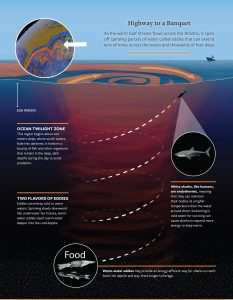
Sharks ride eddies to the depths
White sharks in the open ocean seem to seek out eddies for a surprising reason: The eddies offer a beeline to a banquet of food.
 Illustration
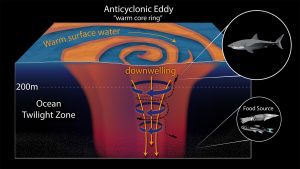
Cross-section of an anticyclonic eddy, warm core ring used for food sourcing
White sharks use warm, swirling anticyclonic eddies from the Gulf Stream to dive deeper and hunt efficiently in the ocean twilight zone, saving energy.
Why are they important?
Fish serve important ecological and economic functions. Ecologically, they are both predator and prey, providing food for other animals (including birds and land mammals), and serve to keep the numbers of prey species in check, many of which could destroy important ecosystems such as coral reefs and mangroves if their numbers are allowed to grow. At the same time, fish move nutrients through aquatic food webs and provide a link between ocean and terrestrial ecosystems.
The incredible diversity of fish species provides an important insurance policy for the ocean against changing conditions. This diversity means that fish as a group have evolved a wide range of behaviors and characteristics, from migratory behaviors to reproductive strategies. Many fish species have adapted the potential to survive a changing climate, varying levels of food availability, or even sudden pollution spills. Resilient ocean ecosystems in turn are able to provide critical services to humans, including storm and flood protection, nutrient and sediment cycling, carbon storage, and oxygen production.
Economically, fish are an important source of food for people around the world. An average of 20 percent of global protein demand is met by fish and shellfish, a number that has been rising faster than population growth in recent years. As a result, many parts of the ocean are over-fished, leading to localized collapses of marine ecosystems and a rising reliance on aquaculture and farm-raised fish. Fishing is also in important recreational and cultural activity that provides income to inland and coastal communities around the world.
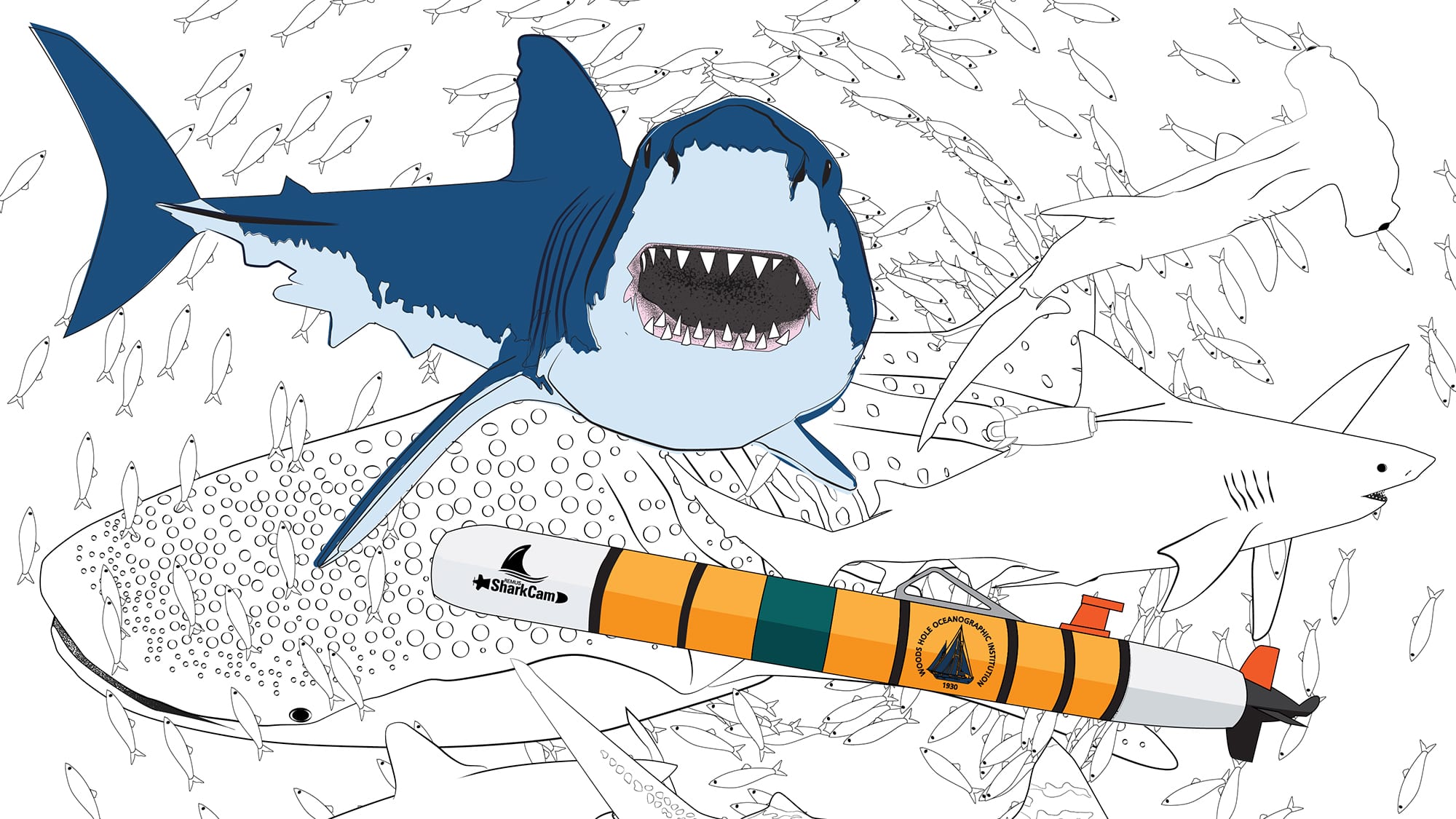
SharkCam Coloring Page
SharkCam autonomously tracks and films tagged sharks, capturing their natural behavior without disturbing their environment.
More topics like this
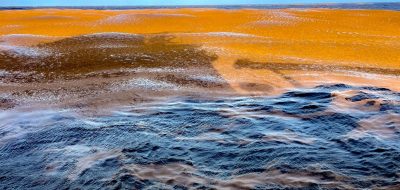
Sargassum
Sargassum sustains ocean life, but massive blooms increasingly threaten coastal ecosystems, economies, and human health.
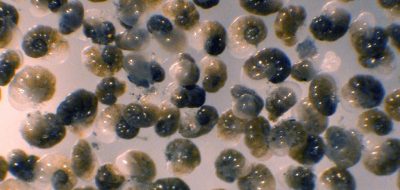
Benthic life
Benthic animals live on the sea floor and are typically invertebrates, such as sea anemones, sponges, corals, sea stars, sea urchins, worms, mussels, crabs, and more.

Coral stressors
Stressors can affect organisms living on the reef or they can affect the corals, themselves. When corals die, other organisms must relocate or struggle to survive.
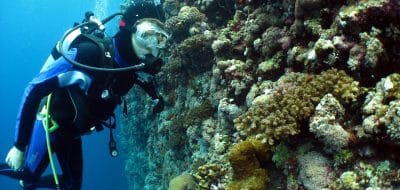
Corals
Many people think of coral as hard, rock-like formations that attract abundant, diverse marine life. In fact, corals are tiny marine animals called polyps that live together in colonies.
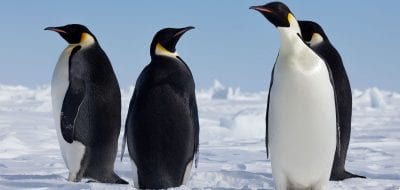
Emperor penguins
The emperor penguin is the largest living penguin species standing around 115 centimeters tall. Once they have found a partner, they work together to keep their young fed and safe.
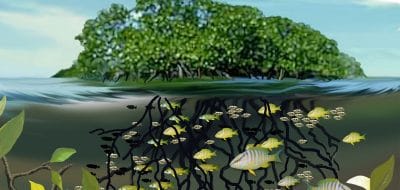
Coastal ecosystems
The narrow region where land and ocean meet includes salt marshes, mangroves, wetlands, estuaries, reefs, and bays often linked in a network of physical, chemical, and biological interchanges.
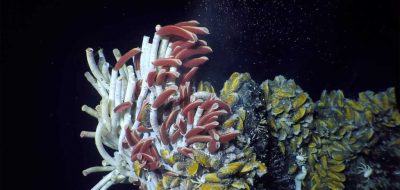
Ecosystems
Ocean ecosystems are found in polar regions, coastal waters, coral reefs, hydrothermal vents, the abyssal plain, and at the bottom of the sea.

Environmental DNA (eDNA)
Environmental DNA (eDNA) is essentially DNA collected from the environment. As animals swim through the ocean, they're constantly releasing DNA as they shed skin or scales into the water column.

Phytoplankton
Phytoplankton are primary producers of the ocean—the organisms that form the base of the food chain. WHOI explores the microscopic, single-celled organisms.

Reef ecosystems
A healthy reef protects coastlines from wave damage, plays a critical role in providing food, boosts the economy, and provides materials for pharmaceuticals.

Jellyfish & other zooplankton
These animals live all or part of their life suspended and drifting in fresh or salt water, rarely come in contact with hard surfaces.
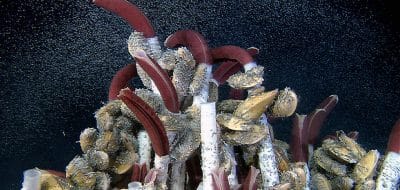
Life at vents & seeps
Hydrothermal vents and cold seeps are places where chemical-rich fluids emanate from the seafloor, often providing the energy to sustain lush communities of life in some very harsh environments.

Polar life
By human standards, they are extreme environments. Yet life not only persists in the poles...it thrives.
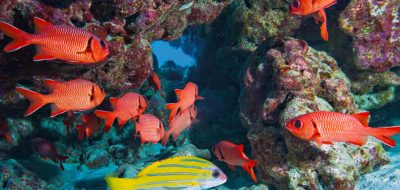
Reef fish
Fish that inhabit a coral reef play essential roles in the reef ecosystem, and reefs without fish struggle to recover from bleaching or other events that damage the coral.
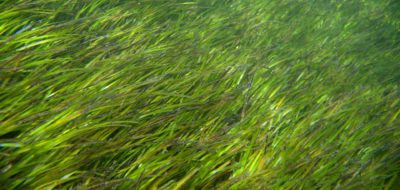
Seagrass meadows
Seagrass meadows are plants adapted to live a completely submerged life in the salty shallows.
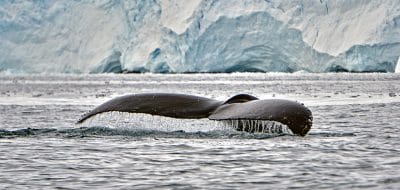
Marine mammals
Marine mammals are warm-blooded vertebrates that bear live young and nourish them with milk as land mammals do, but that spend most or all of their lives in the ocean.

Marine microbes
Microbial life can be found throughout the ocean, from rocks and sediments beneath the seafloor, across the vast stretches of open water, to intertidal and surf zones.
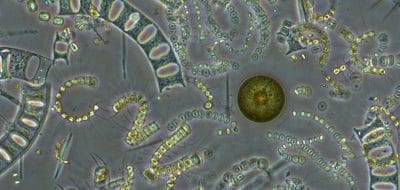
Ocean plants
Ocean plants are critical to marine life—they are an important food source, they provide oxygen to surrounding marine life, and they supply refuge and nursery grounds.
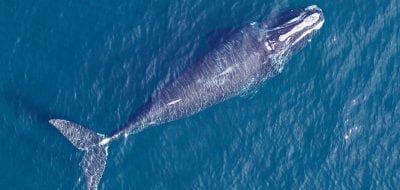
Right whales
The North Atlantic right whale is one of the ocean's most endangered large animals, with only a few hundred left. Slow-moving and often near the surface, these baleen whales are especially vulnerable to ship strikes and entanglement in fishing gear.

Seabirds
Seabirds have adapted to life in an ocean environment. There are many species of seabirds, and they vary greatly in behavior and physiology
Oceanus magazine
[ ALL ]In-depth research on Sharks & other fish
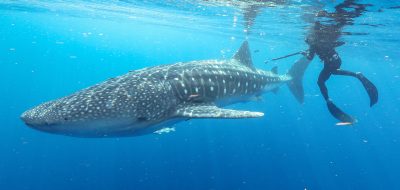
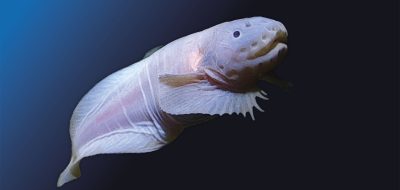

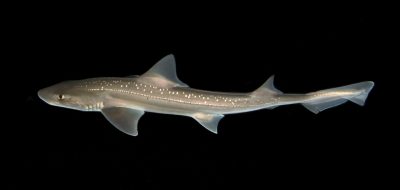

Tracking big fish at fine scales

Hope in fossilized fish bits

A cascade of life
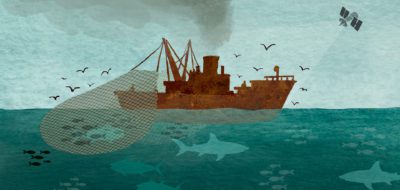
As illegal fishing rages on, is there any hope on the horizon?

Casting a (long) line to the twilight zone food web
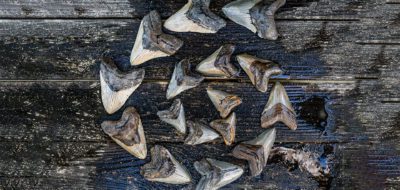
Wilmington’s shark tooth divers can thank the last ice age for their treasure trove

Edie Widder: A light in the darkness

Partly cloudy with a chance of sharks
WHOI News Room
[ ALL ]Press releases
Endangered basking sharks rely on the ocean twilight zone during long-distance migrations
UN-backed global research shows benefits of tracking ocean giants for marine conservation
A new tagging method for fragile marine species
New Study Sheds Light on Why Some Animals Dive to The Dark, Deep Sea
Get the ocean in your inbox
Fresh discoveries, research, and stories from WHOI — free, every week.