Radiation in the ocean comes from both natural and human-made sources. Naturally occurring radioactive elements have been present in seawater since the formation of Earth. But events like nuclear weapons testing and nuclear power plant accidents have added additional radioactive materials to the marine environment.
A well-known example is the 2011 Fukushima Daiichi nuclear disaster in Japan. After a powerful earthquake and tsunami damaged the power plant, radioactive substances like cesium-137 were released into the Pacific Ocean. Since then, scientists have worked to monitor, study, and explain the effects of this release on ocean ecosystems and human health. Their research helps us better understand how radioactive materials move through and break down in the ocean.
More to know
Fukushima radiation
On March 11, 2011, a magnitude 9.0 earthquake 80 miles off the northeast coast of Japan triggered a series of tsunamis that struck nearby shorelines and the Fukushima Daiichi nuclear power plant.
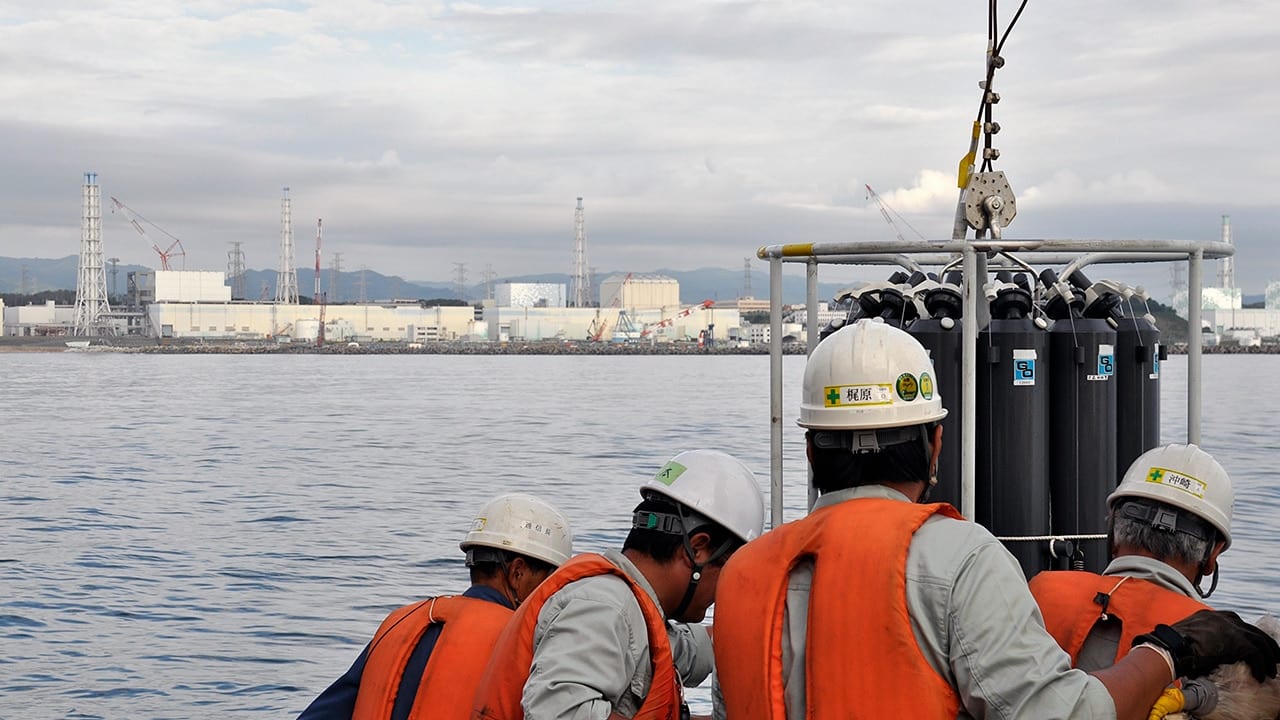
Scientists also investigate areas affected by older sources of contamination, such as the Cold War-era nuclear tests at Bikini Atoll in the Marshall Islands. This work is crucial for long-term monitoring and assessing the health of ocean environments worldwide.
Radiation in seawater is typically measured in becquerels (Bq) per cubic meter. This unit indicates the rate at which radioactive atoms decay. Understanding these measurements helps scientists determine what levels are safe for marine life and for people who depend on the ocean for food and economic activities.
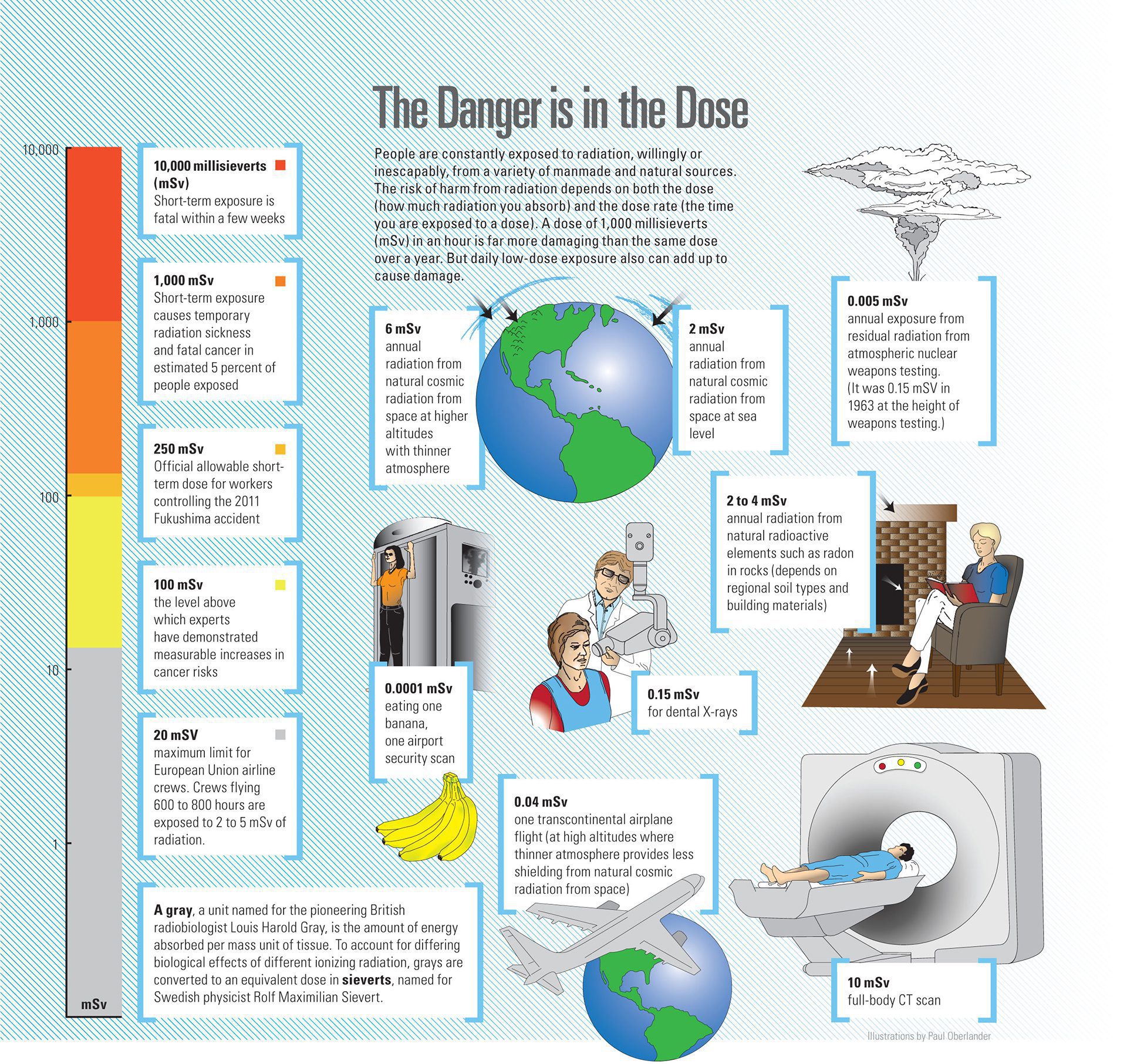
Infographic showing different levels of radiation doses
People are constantly exposed to radiation from a variety of manmade and natural sources. The risk of harm from the radiation depends on both the dose and the dose rate. (Illustration by E. Paul Oberlander, © Woods Hole Oceanographic Institution)
More topics like this
Fukushima radiation
On March 11, 2011, a magnitude 9.0 earthquake 80 miles off the northeast coast of Japan triggered a series of tsunamis that struck nearby shorelines and the Fukushima Daiichi nuclear power plant.
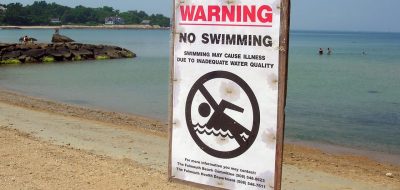
Beach closures
Hundreds of beaches nationwide are closed each year due to the presence of potentially harmful bacteria, viruses, and parasites in the water.
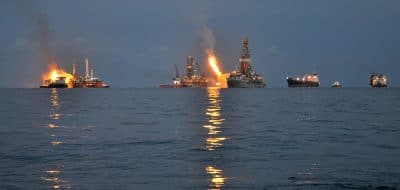
Oil spills
The systematic study of oil in the ocean is relatively new to science, but since the late 1960s it has grown to encompass almost every area of oceanography.
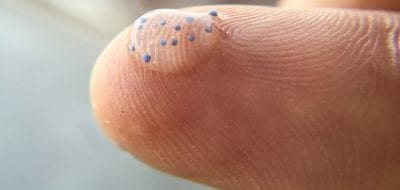
Marine microplastics
Marine microplastics are small fragments of plastic debris that are less than five millimeters long. Some microplastics, known as primary microplastics, are "micro by design
Oceanus magazine
[ ALL ]In-depth research on Radiation






WHOI News Room
[ ALL ]Press releases
Mapping the potential path of nuclear wastewater
WHOI’s Ken Buesseler named Geochemistry Fellow
Get the ocean in your inbox
Fresh discoveries, research, and stories from WHOI — free, every week.