
News Releases
Retreating glaciers increase iceberg sightings and reshape deep-sea habitats
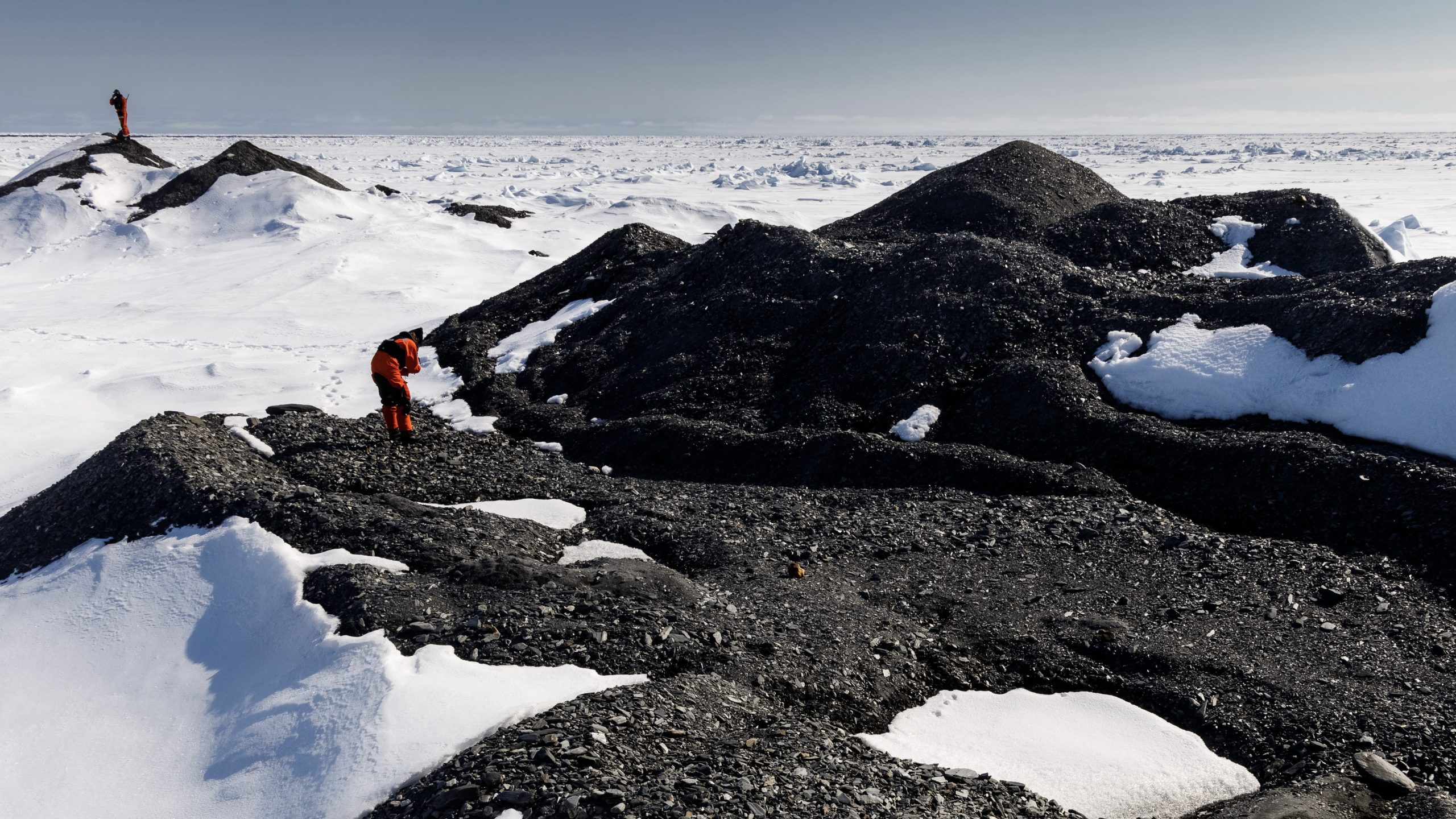
Stones rain down from the melting icebergs, forming new hard-substrate habitats for marine life on the soft seafloor.
Read MoreAutonomous underwater robot discovers hidden coral reef “hotspots”
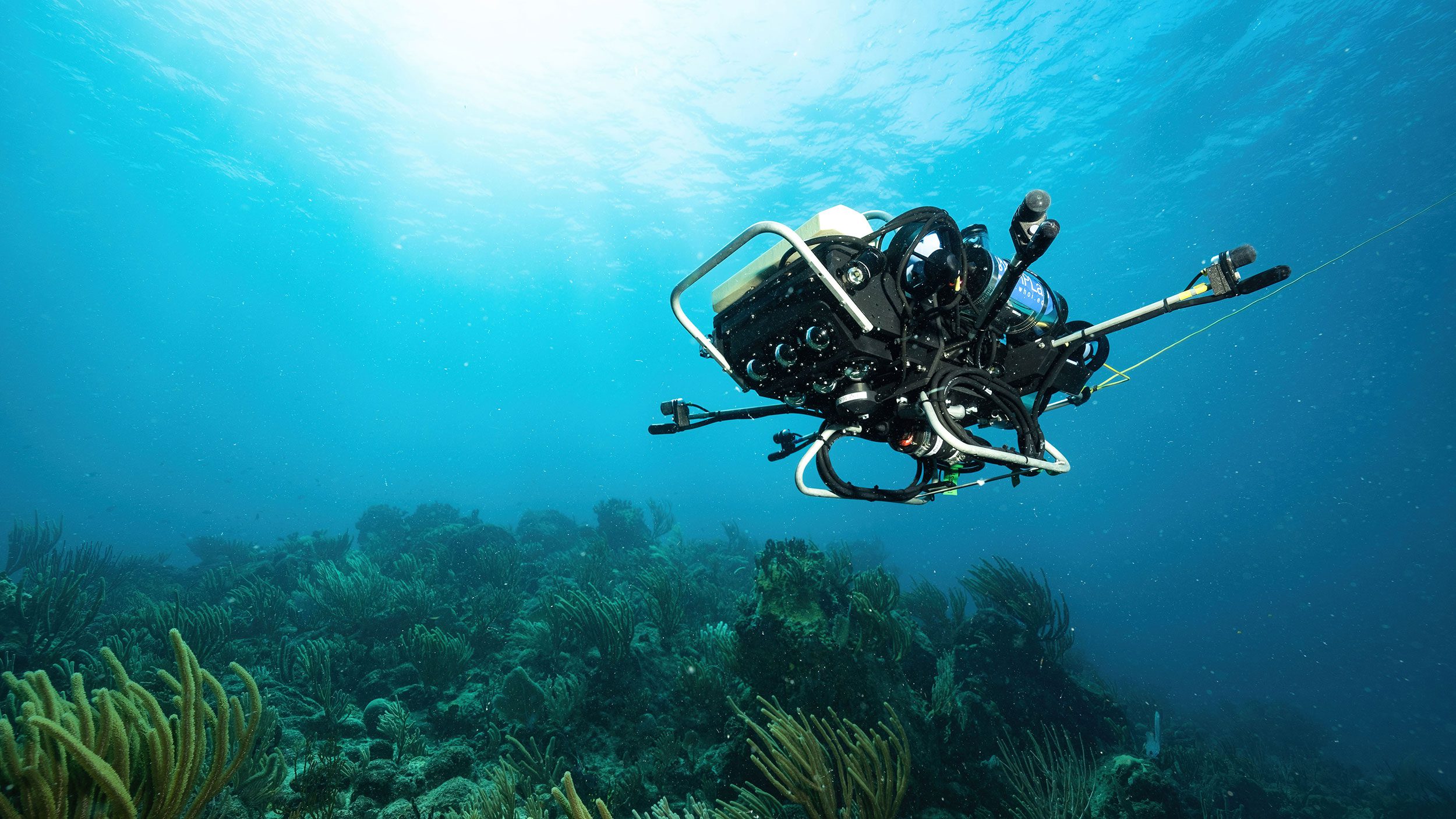
New underwater robot opens new possibilities in coral reef conservation by autonomously identifying biodiversity “hotspots”
Read MoreNew study provides insight into how some species thrive in dark, oxygen-free environments
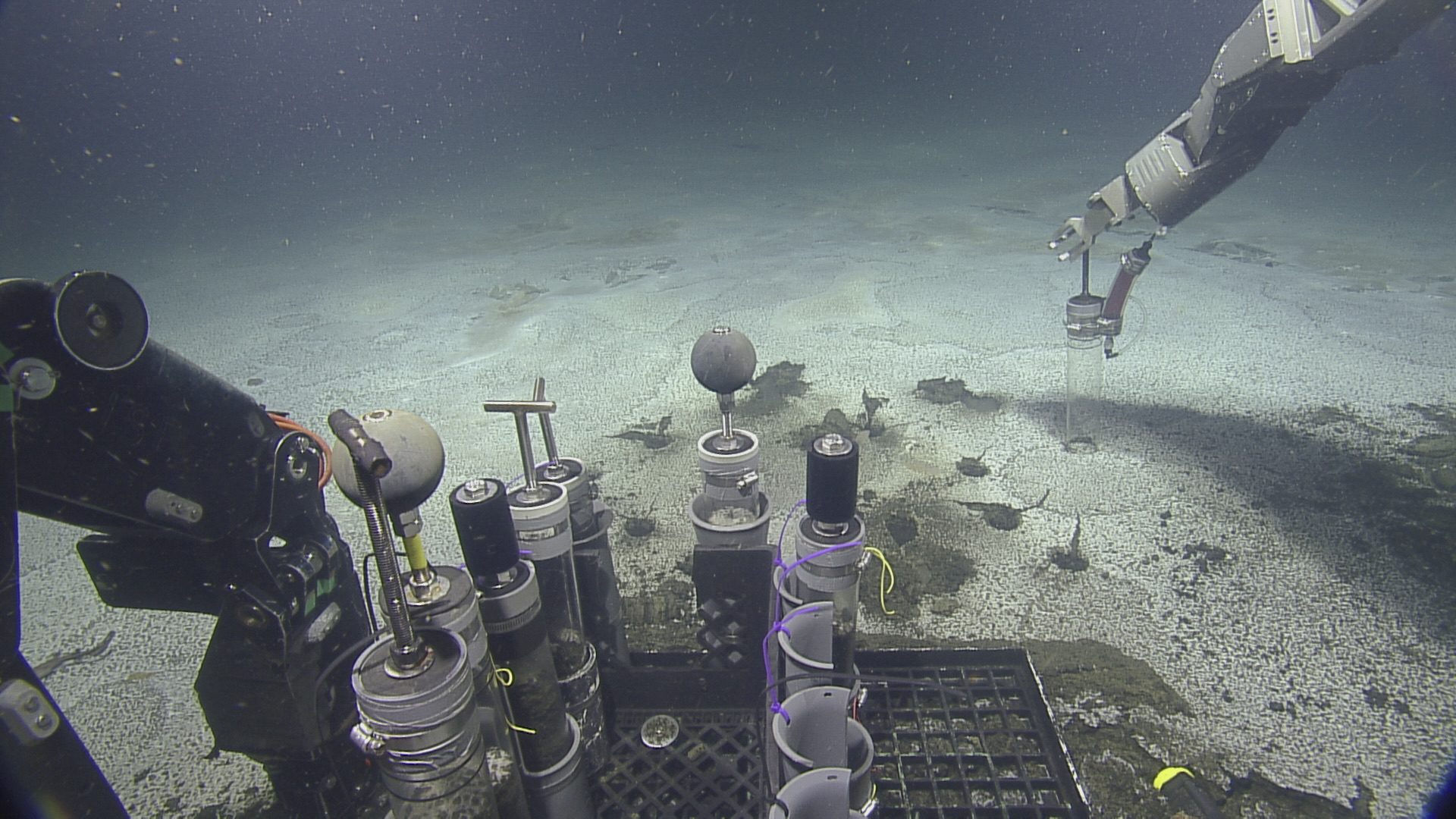
New research on single-celled organisms sheds light on deep-sea energy sources
Read MoreNew Technologies Revise Scientists’ Understanding of the Oxygen Minimum Zone
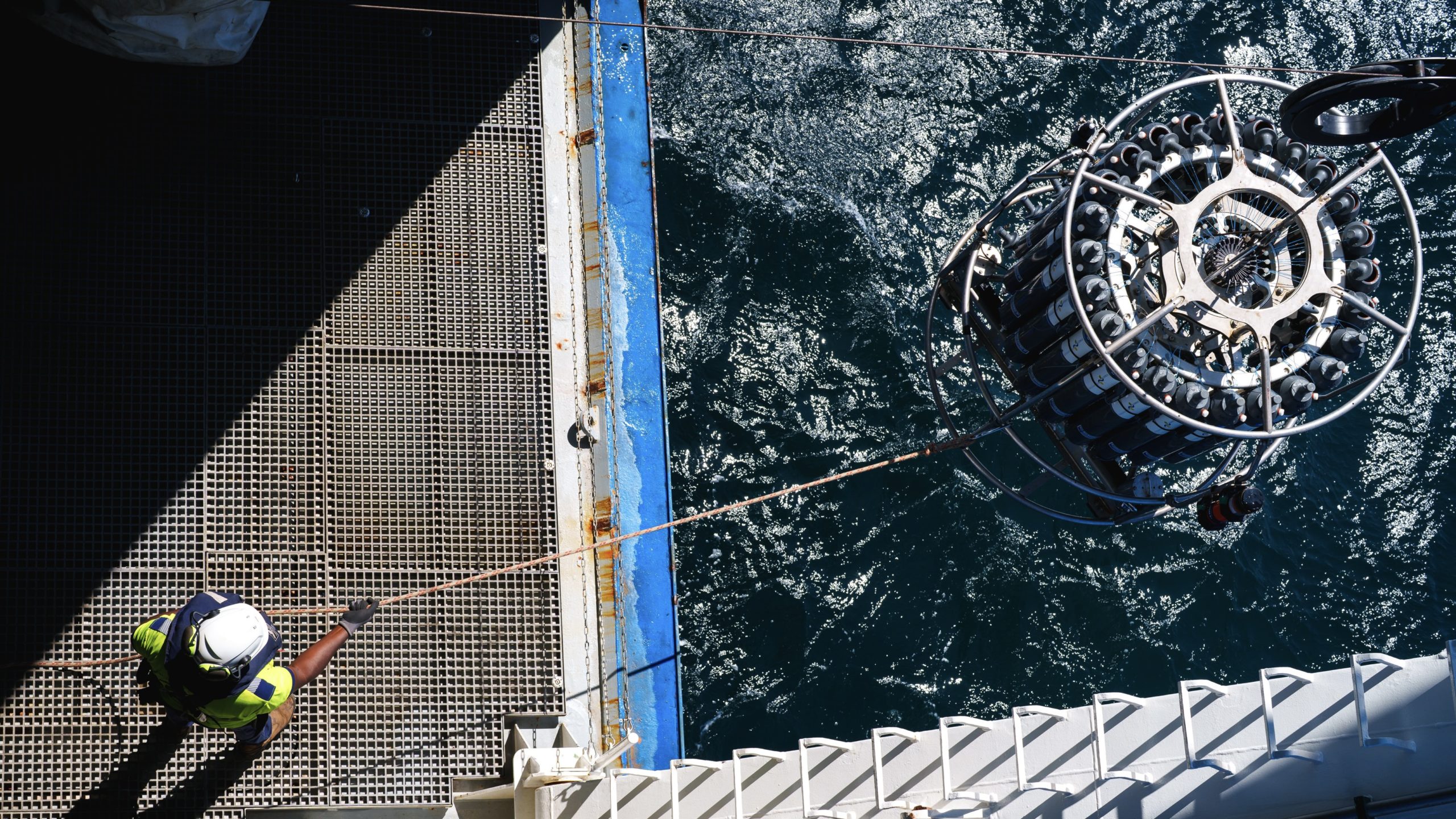
A new technology detects trace amounts of oxygen in an environment where previously these life-supporting molecules were below the limit of detection.
Read MoreNew Deep-Sea Worm Discovered at Methane Seep Off Costa Rica Named after Alvin Pilot Bruce Strickrott
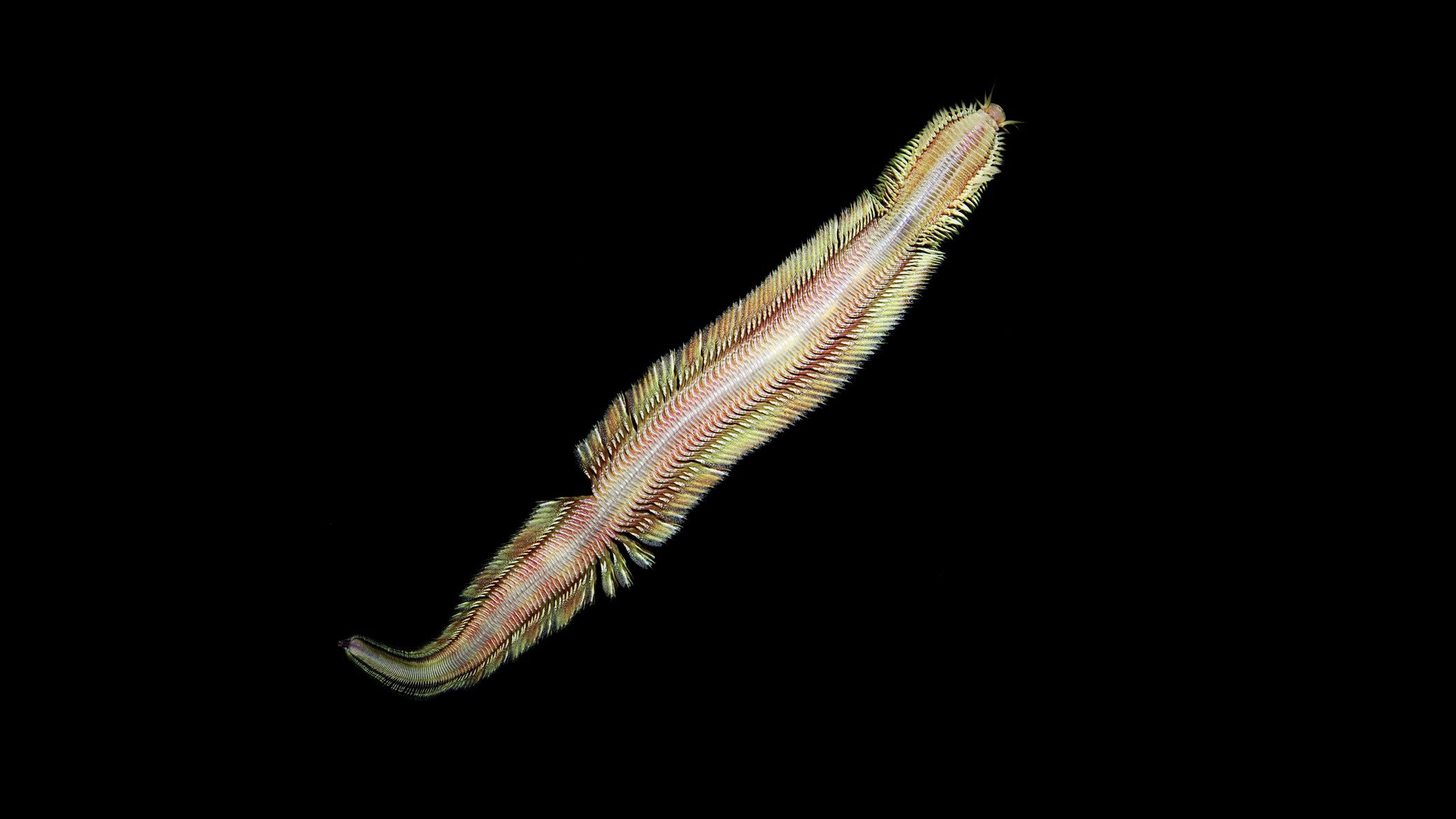
The creature raises the number of new species found by scientists studying these seemingly inhospitable ecosystems to 48 Woods Hole, Mass. — Woods Hole Oceanographic Institution (WHOI), along with…
Read MoreScientists Discover Additional Healthy Deep-sea Coral Reefs and New Seamounts in the Galápagos
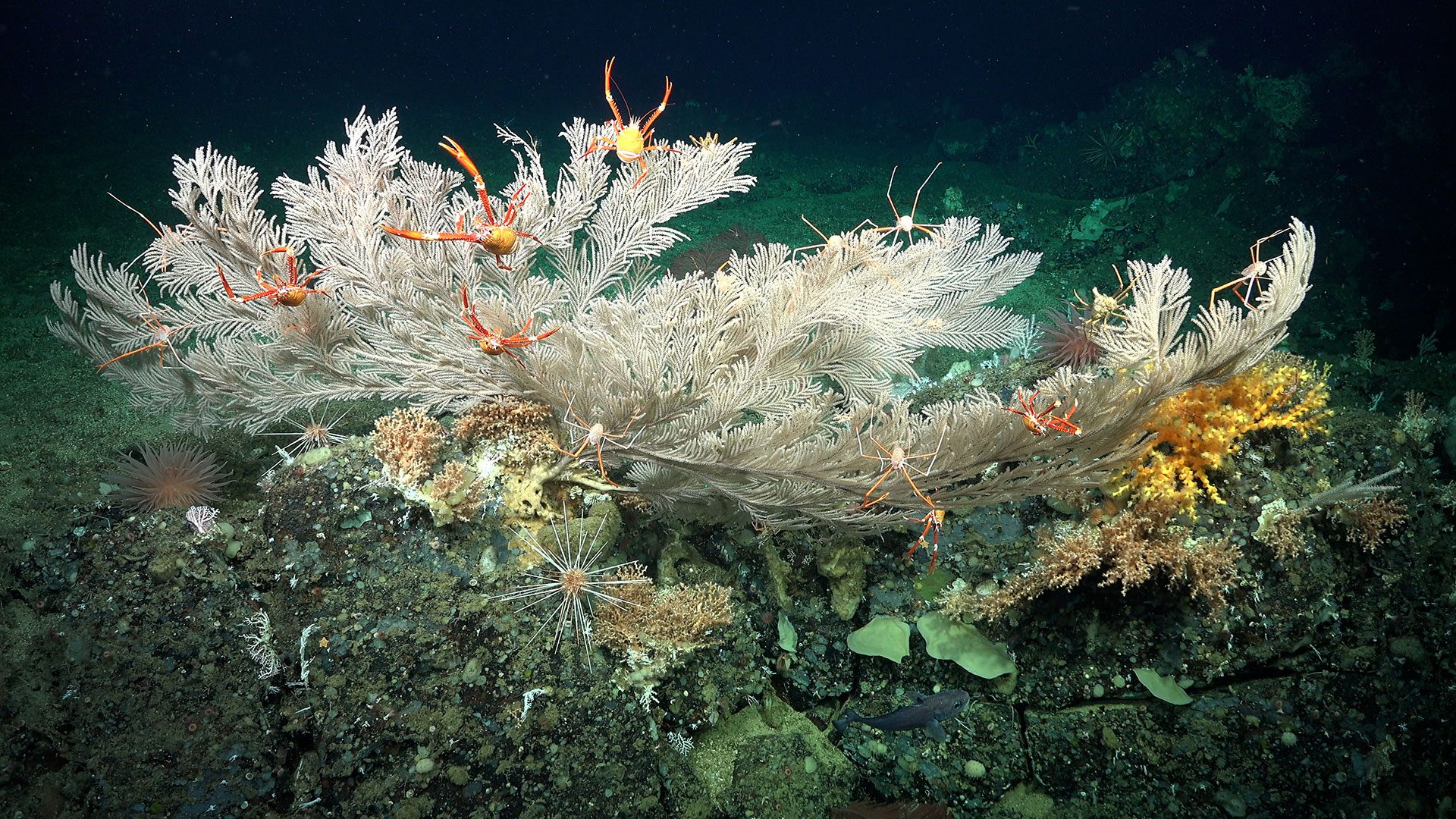
Stunning 800 meter-long coral reef discovered with Schmidt Ocean Institute’s underwater robot off Galápagos Islands Puerto Ayora, Ecuador– Scientists examining underwater cliff ecosystems onboard research vessel Falkor(too) using the 4,500…
Read MoreArctic Hydrothermal Vent Site Could Help in Search for Extraterrestrial Life
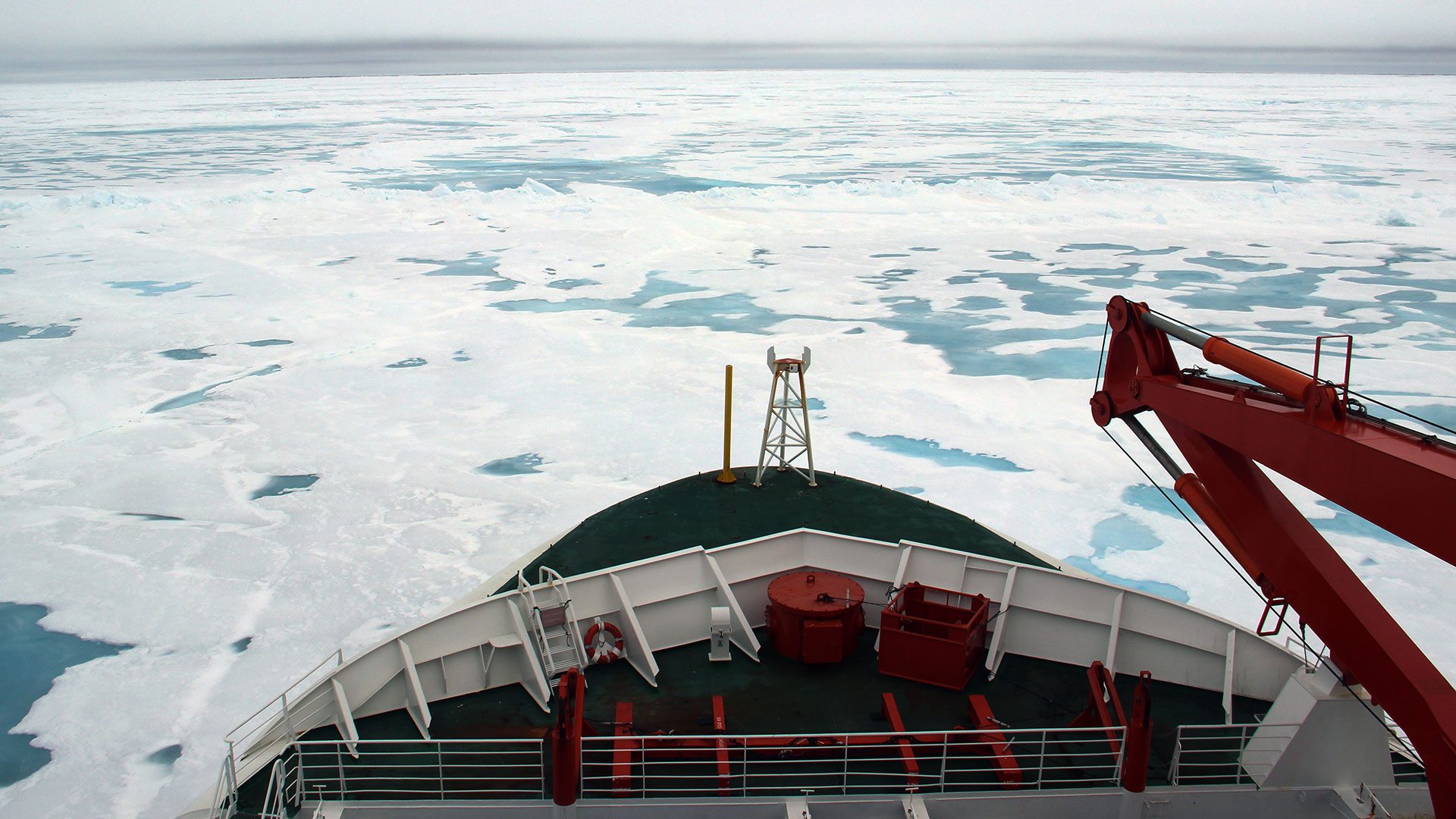
When scientists discovered a hydrothermal vent site in the Arctic Ocean’s Aurora hydrothermal system in 2014, they did not immediately realize just how exciting their discovery was.
Read MoreStudy Examines the Impact of Coral Chemical Compounds on Reef Composition and Health
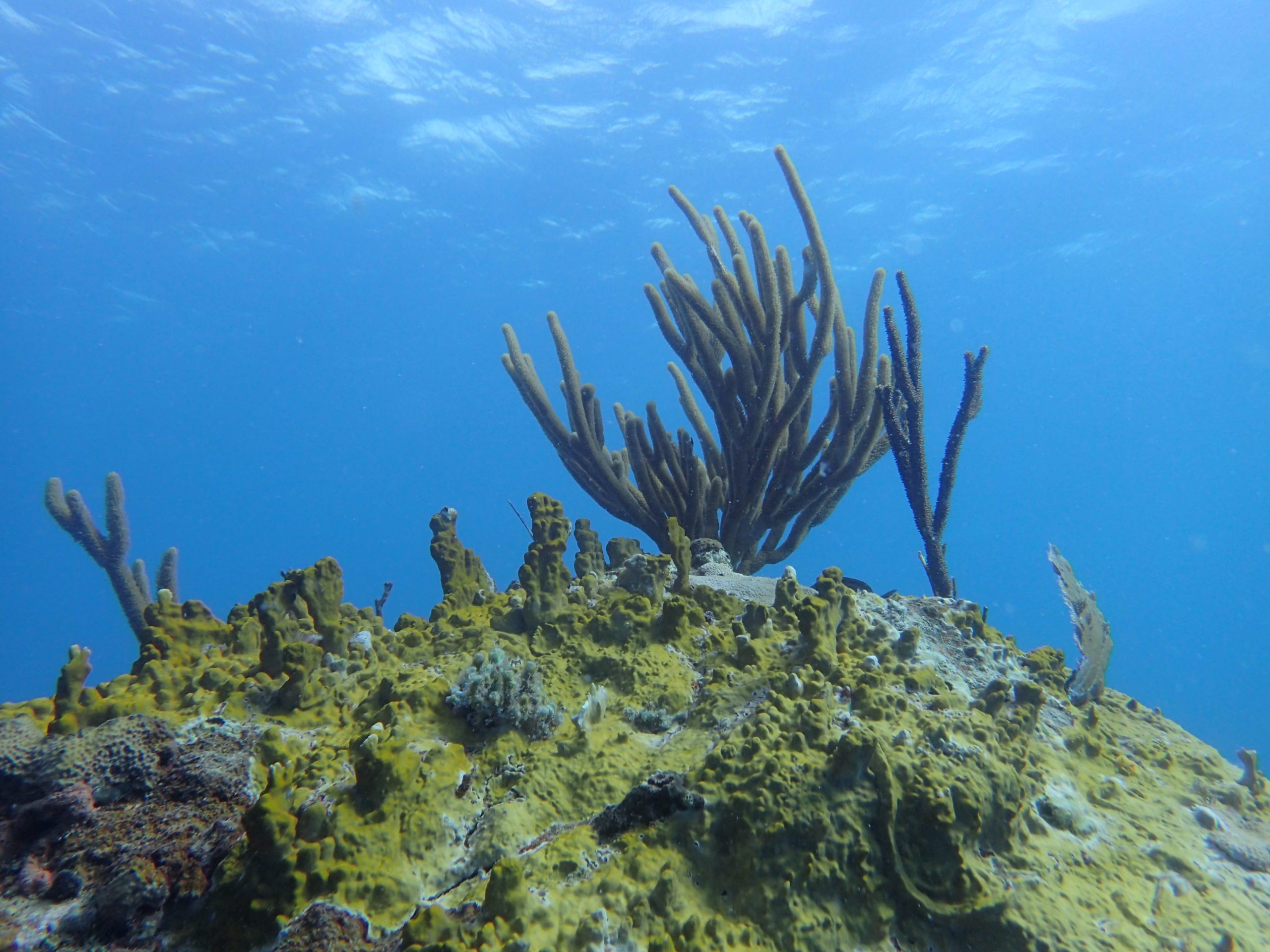
The study found that the organic chemical compounds produced through metabolism —known as metabolites or exudates—vary significantly by coral species and that the compounds impact the abundances and compositions of reef microorganisms differently.
Read MoreWoods Hole Oceanographic Institution-led study explores effects of noise on marine life
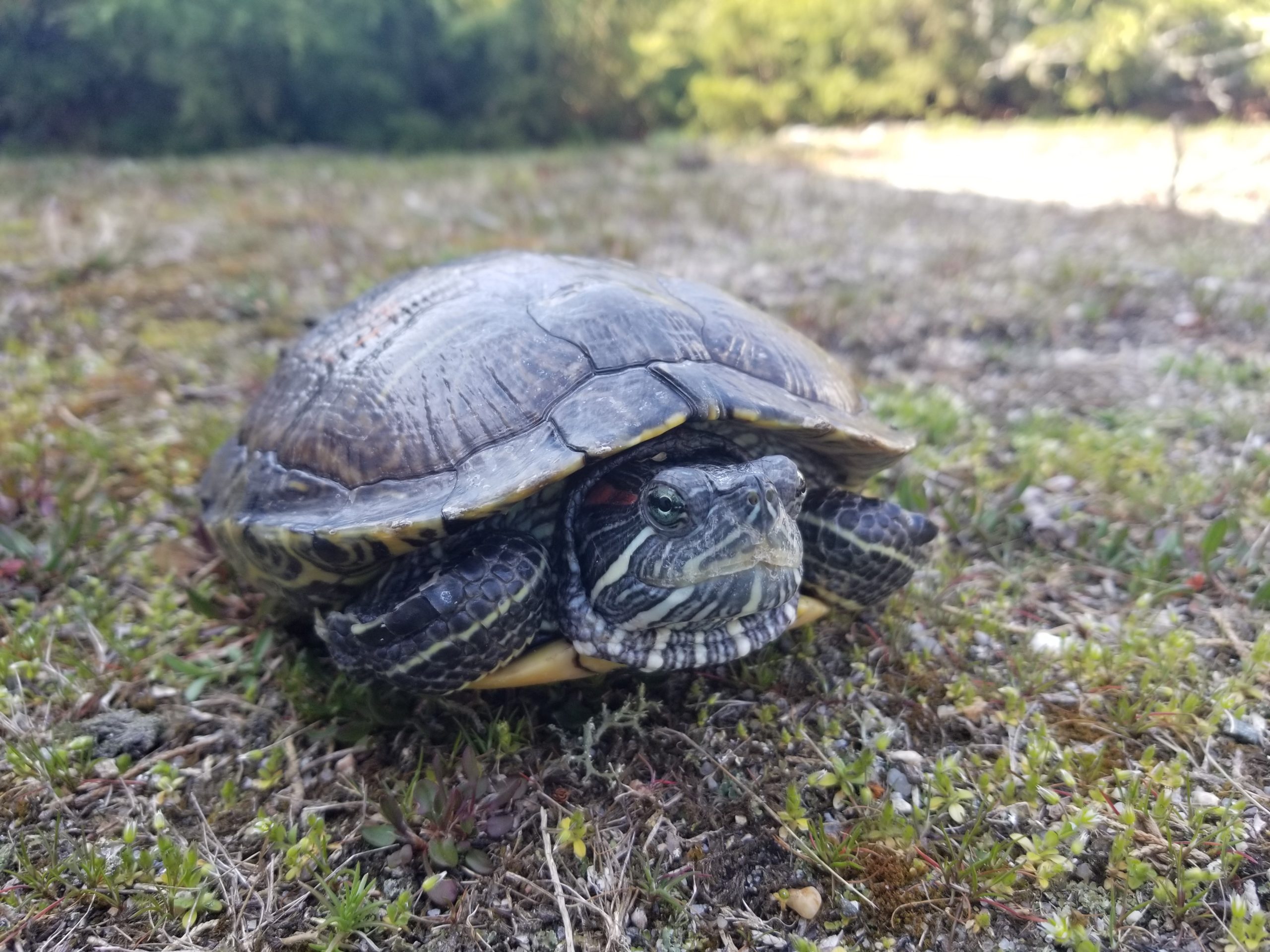
New research shows turtles can experience temporary hearing loss from an excess of underwater noise. This high volume of sound, referred to as underwater noise pollution, can be caused by passing ships and offshore construction. These preliminary findings were part of a Woods Hole Oceanographic Institution-led study that is being presented at the 2022 Ocean Sciences Meeting..
Read MoreWhat happens to marine life when oxygen is scarce?
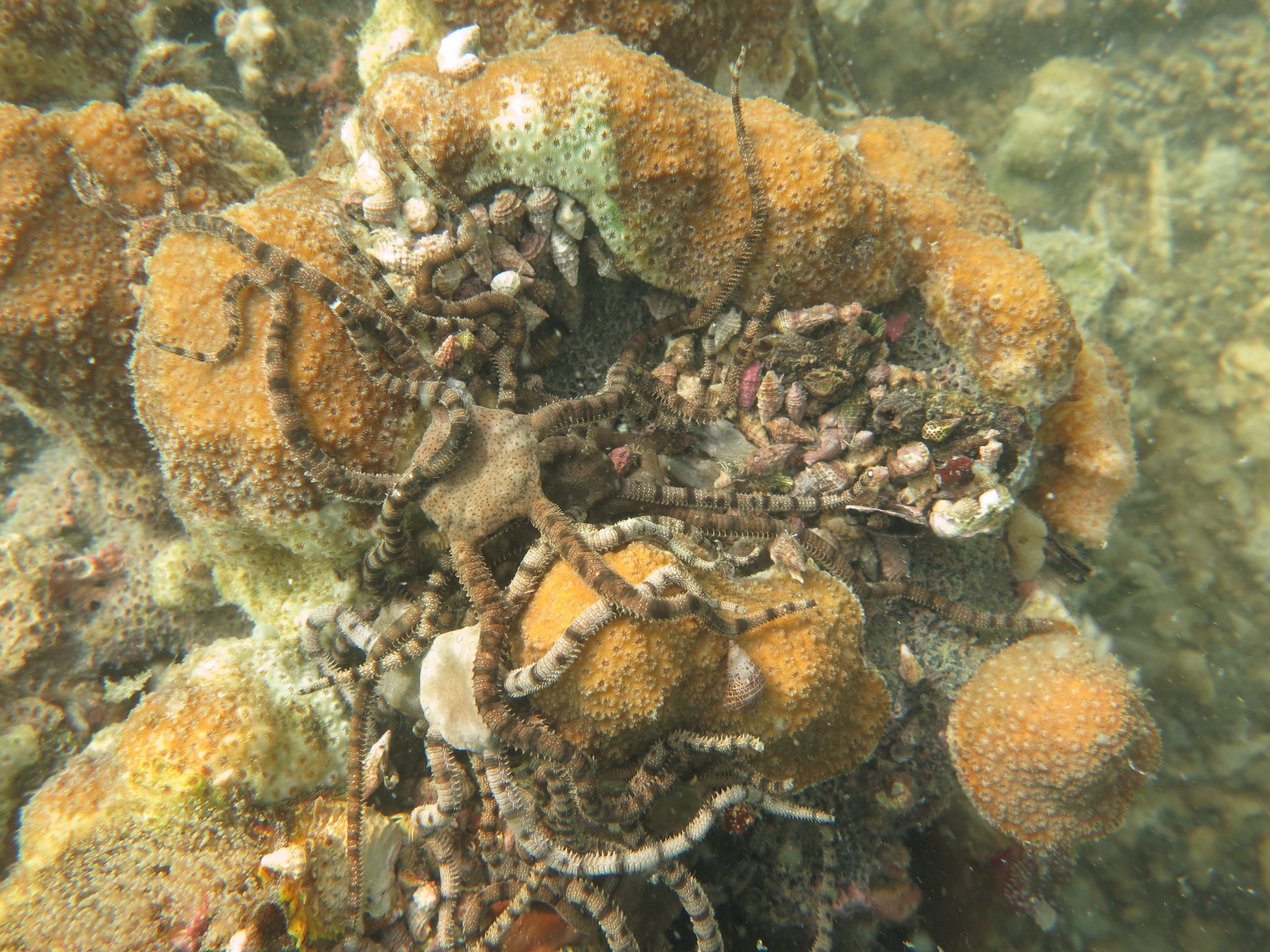
A new study co-led by WHOI postdoctoral scholar Maggie Johnson looks closely at the changes occurring in both coral reef and microbial communities near Bocas del Toro during sudden hypoxic events, which occur when there is little to no oxygen in a given area of water.
Read MoreEpic Arctic Mission Ends
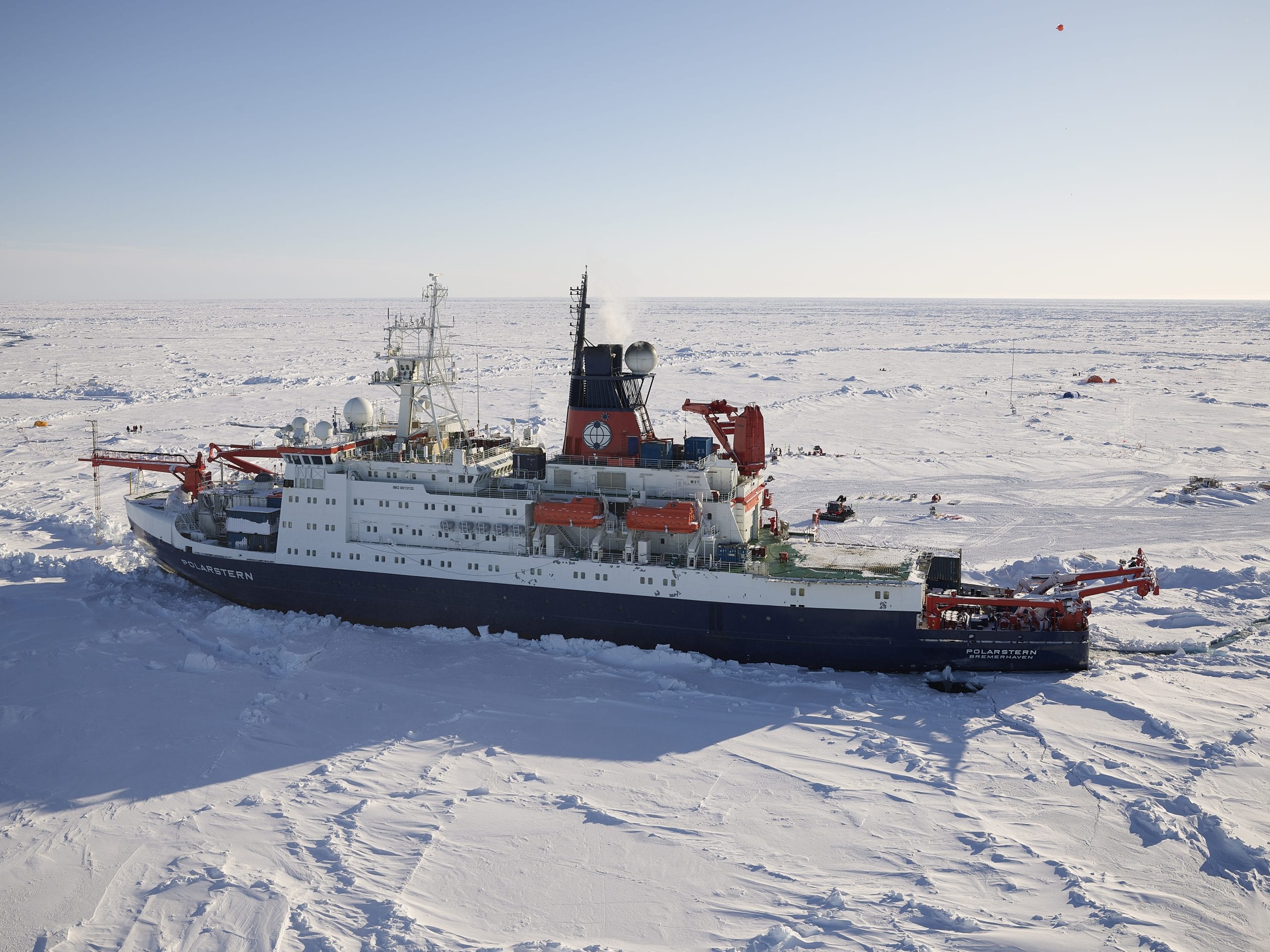
An epic mission ended as the German icebreaker Polarstern returned home Oct. 12, 2020, after being frozen near the top of the world for nearly a year to study all aspects of the Arctic system.
Read MoreEmperor Penguins’ First Journey to Sea
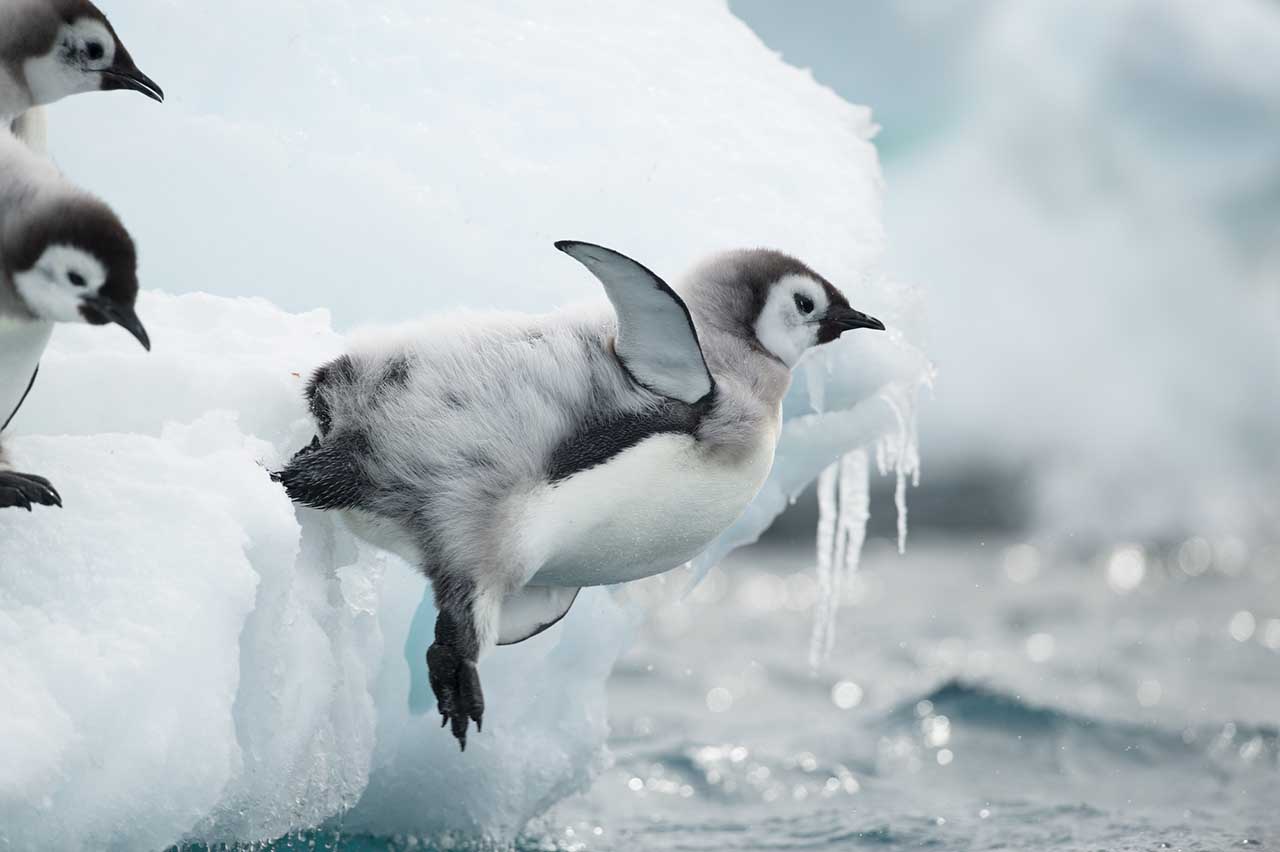
The paper, published Jan. 17, 2019, in the journal Marine Ecology Progress Series, also highlights the unique connection between juvenile diving behaviors and a layer of the ocean, known as the thermocline, where warmer surface waters meet cooler deep waters below and where their prey likely gather in groups.
Read MoreAre Emperor Penguins Eating Enough?
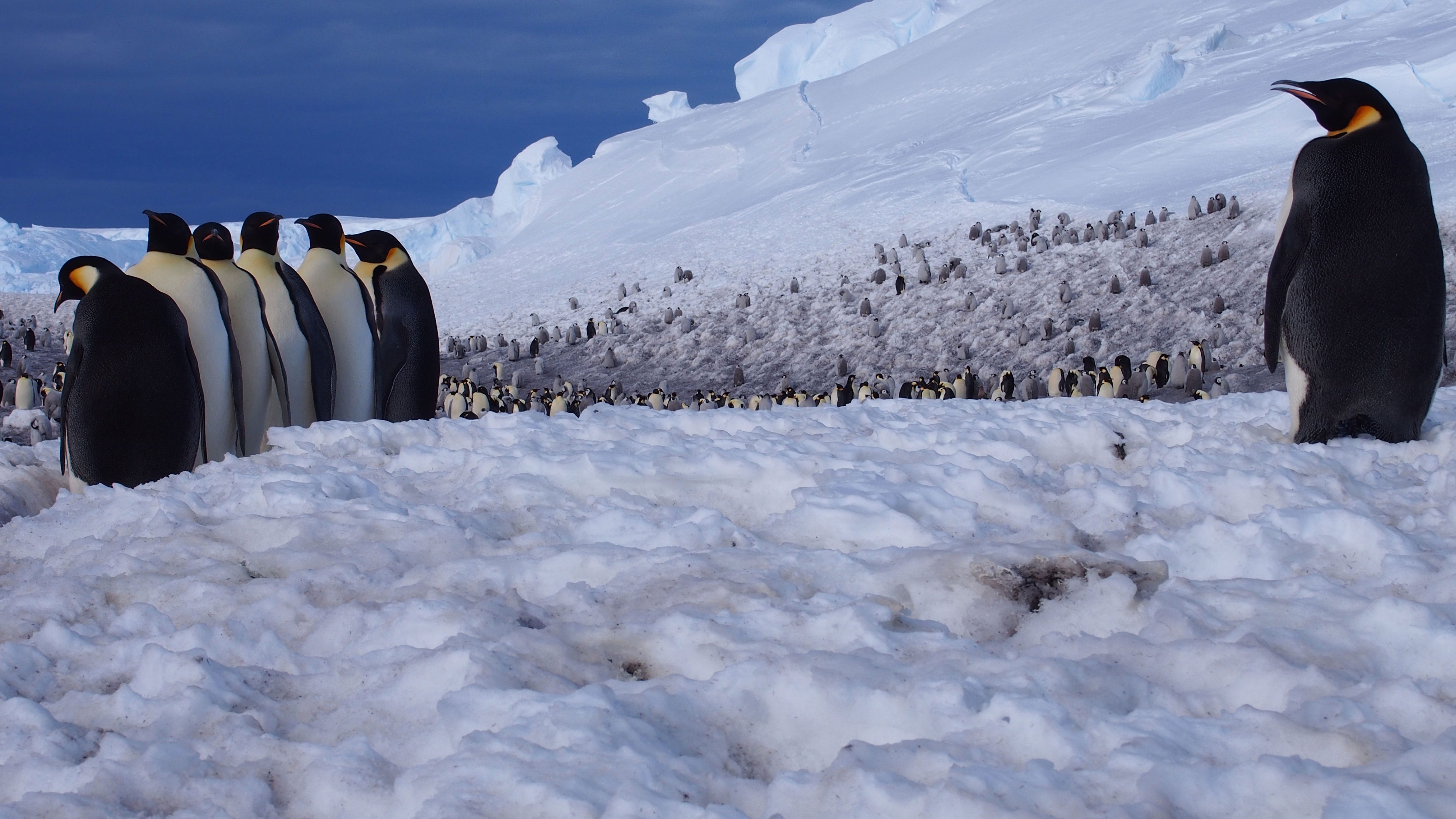
For Emperor penguins waddling around a warming Antarctic, diminishing sea ice means less fish to eat. How the diets of these tuxedoed birds will hold up in the face of…
Read MoreSunlight Reduces Effectiveness of Dispersants Used in Oil Spills
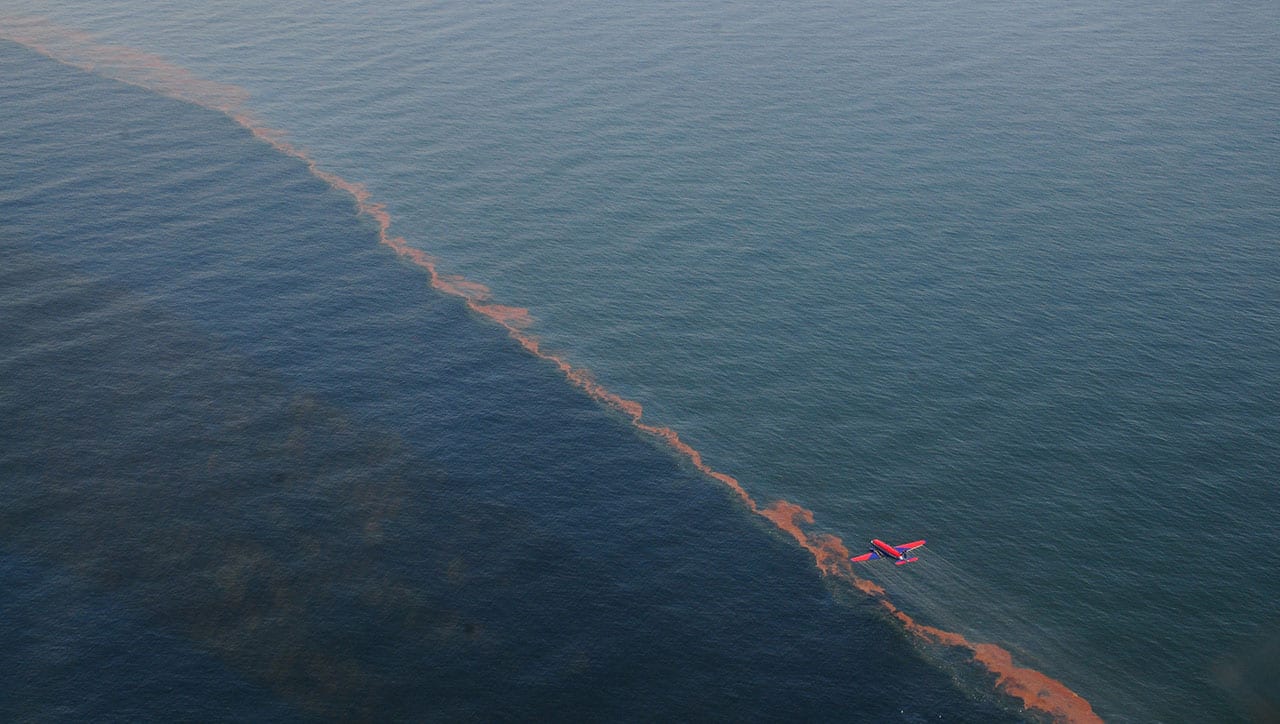
A research team led by Woods Hole Oceanographic Institution (WHOI) found that sunlight chemically alters crude oil floating on the sea surface within hours or days. In a follow-up study the team reported that sunlight changes oil into different compounds that dispersants cannot easily break up. The results of these two studies could affect how responders decide when, where, and how to use dispersants.
Read MoreMonitoring Bacteria on Whale Skin
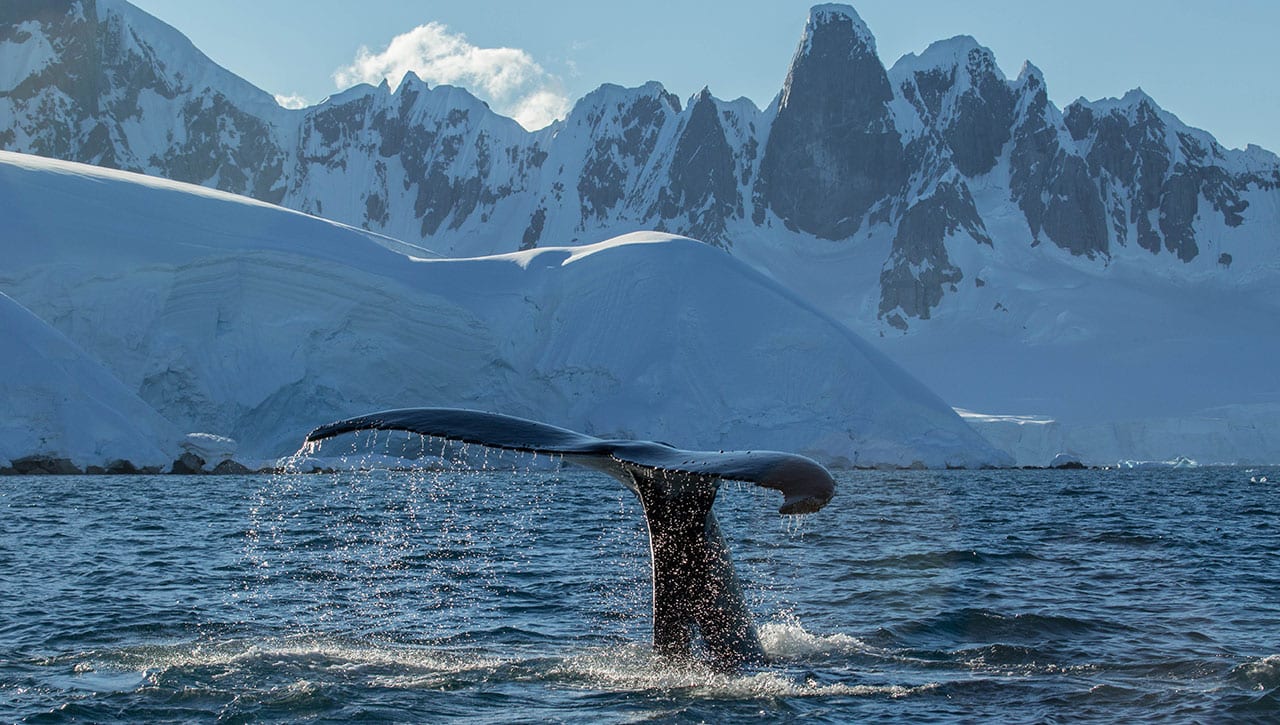
Just like with humans, the skin on marine mammals serves as an important line of defense against pathogens in their environment. A new study sheds light on the skin microbiome – a group of microorganisms that live on skin – in healthy humpback whales, which could aid in future efforts to monitor their health.
Read MoreSwarming Red Crabs Documented on Video
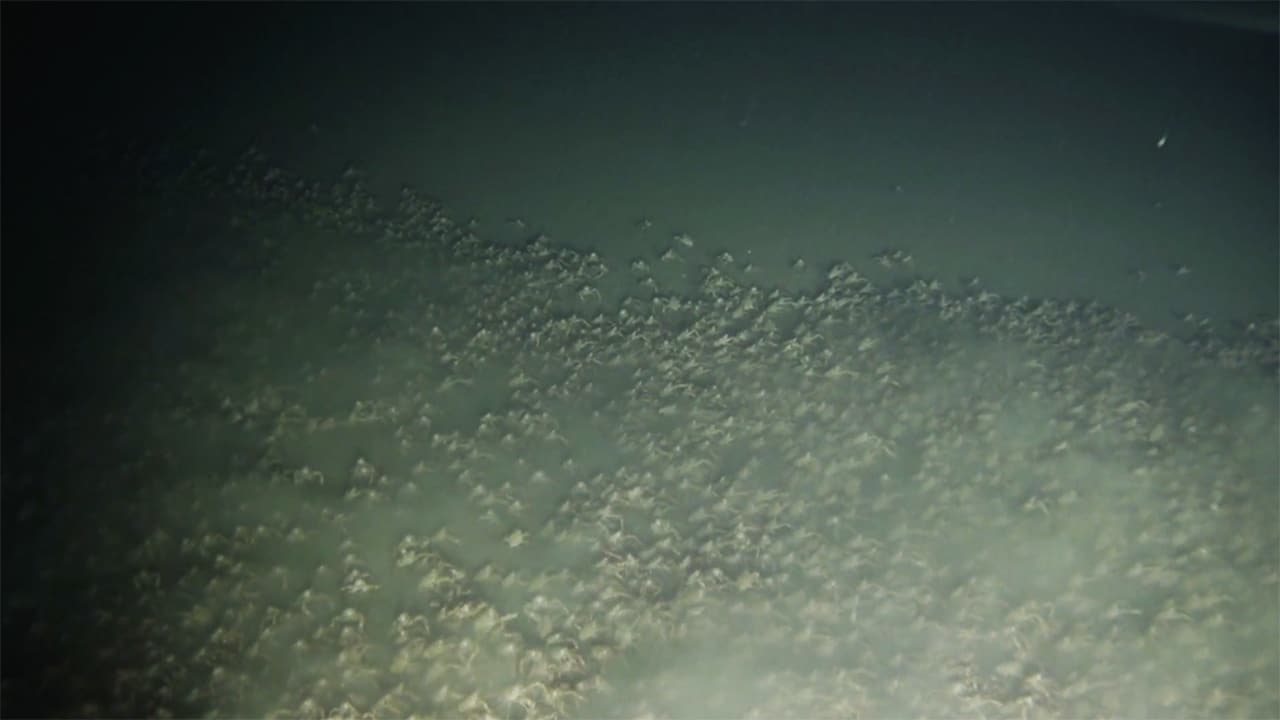
A research team studying biodiversity at the Hannibal Bank Seamount off the coast of Panama has captured unique video of thousands of red crabs swarming in low-oxygen waters just above the seafloor.
Read MoreStudy Reveals Climate Change Impacts on Buzzards Bay
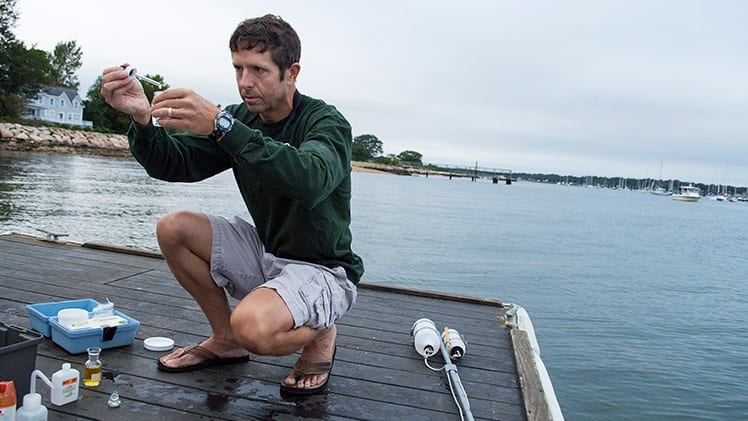
Utilizing 22 years of data collected by a network of citizen scientists, researchers from the Woods Hole Oceanographic Institution (WHOI) and their colleagues at the Buzzards Bay National Estuary Program, the Buzzards Bay Coalition, and the Marine Biological Laboratory found that average summertime temperatures in embayments throughout Buzzards Bay warmed by almost 2 degrees Celsius—roughly 4 degrees Fahrenheit.
Read MoreDeep-Sea Images Give New View of Arctic Ocean Methane Seeps
Working with colleagues from the Centre for Arctic Gas Hydrate, Environment and Climate (CAGE) in Norway, Dan Fornari from Woods Hole Oceanographic Institution’s (WHOI) Geology & Geophysics Department collected nearly 30,000 high definition images at known methane release sites in the Arctic Ocean north of Norway. The detailed images will provide new insights into the most remote areas of natural methane releases in the world.
Read MoreNereid Under Ice Vehicle: A Powerful New Tool for Polar Science
Scientists studying the harsh and rapidly changing Arctic environment now have a valuable new tool to advance their work—an innovative robot, designed and built at the Woods Hole Oceanographic Institution (WHOI) that is changing the way scientists can interact with and observe the polar environment.
Read MoreNew Museum Exhibit Explores Deep Ocean Environment
The Woods Hole Oceanographic Institution (WHOI) in collaboration with the Ocean Explorium in New Bedford, Mass., has created new digital content for museum-based spherical display systems that brings high-definition images and video of dynamic, deep ocean ecosystems to the public.
Read MoreOnline Science Expedition Brings Deep Sea Vents to the Computer Screen
Scientists and engineers using advanced technology and a unique robotic vehicle to study the deep sea will also be using their computers to interact with students, teachers, and the public about the research they are conducting.
Read MoreMelting Sea Ice Threatens Emperor Penguins, Study Finds
At nearly four feet tall, the Emperor penguin is Antarctica’s largest sea bird—and thanks to films like “March of the Penguins” and “Happy Feet,” it’s also one of the continent’s…
Read MoreWHOI Researchers, Collaborators Receive $1.4 Million to Study Life in Ocean’s Greatest Depths
Scientists from the Woods Hole Oceanographic Institution (WHOI), University of Hawaii, Whitman College and international colleagues will conduct the first systematic study of life in the deepest marine habitat on…
Read MoreNSF Announces Major Awards for Biodiversity Research, WHOI Scientists Selected
A WHOI-led project is one of several major awards recently announced by the National Science Foundation’s (NSF) Dimensions in Biodiversity research program. The multi-disciplinary, international collaborative effort will advance our understanding of deep-sea hydrothermal vent microbial communities and their global impact.
Read More