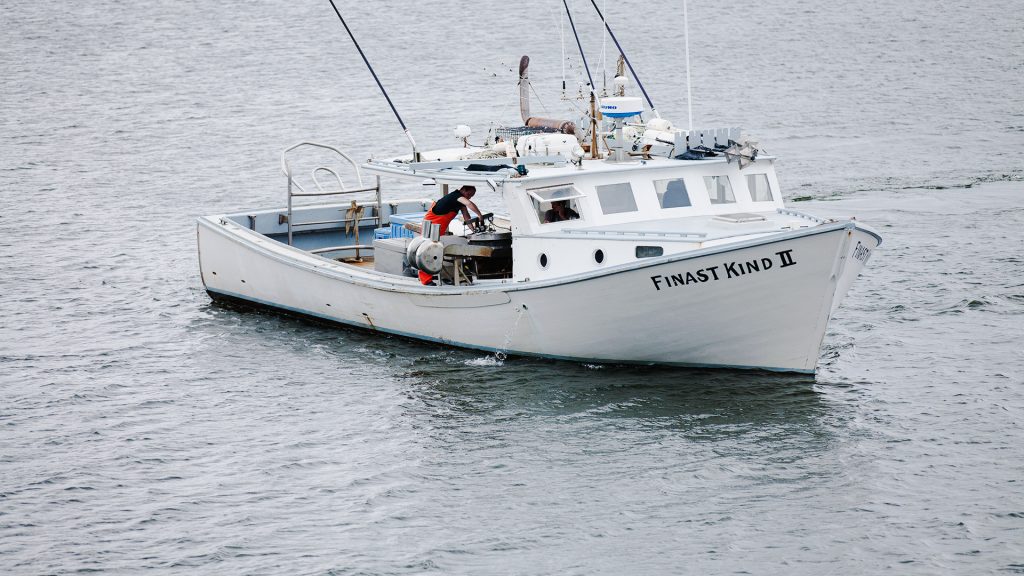
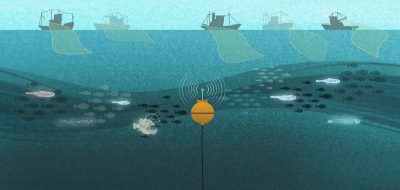
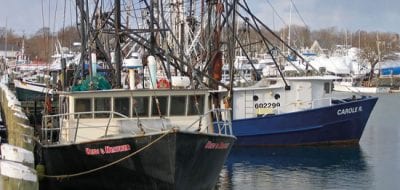
The ocean is a vital source of food and livelihood for millions worldwide. Fisheries - both industrial and small-scale - are essential to global food security, economies, and coastal communities. Researchers study fish populations, ecosystem dynamics, and the impact of fishing practices to support sustainable ocean use. Scientists and fishers often collaborate on this work, from tracking predator-prey relationships in the deep ocean twilight zone to exploring shifting squid populations to improving the accuracy of stock assessments.
Did you know?
How does ocean warming affect fisheries?
The ocean has absorbed 93% of excess heat from human activities, raising its temperature by 1.5°F since 1901. Warming oceans impact fish migration, leading to conflicts and overfishing.
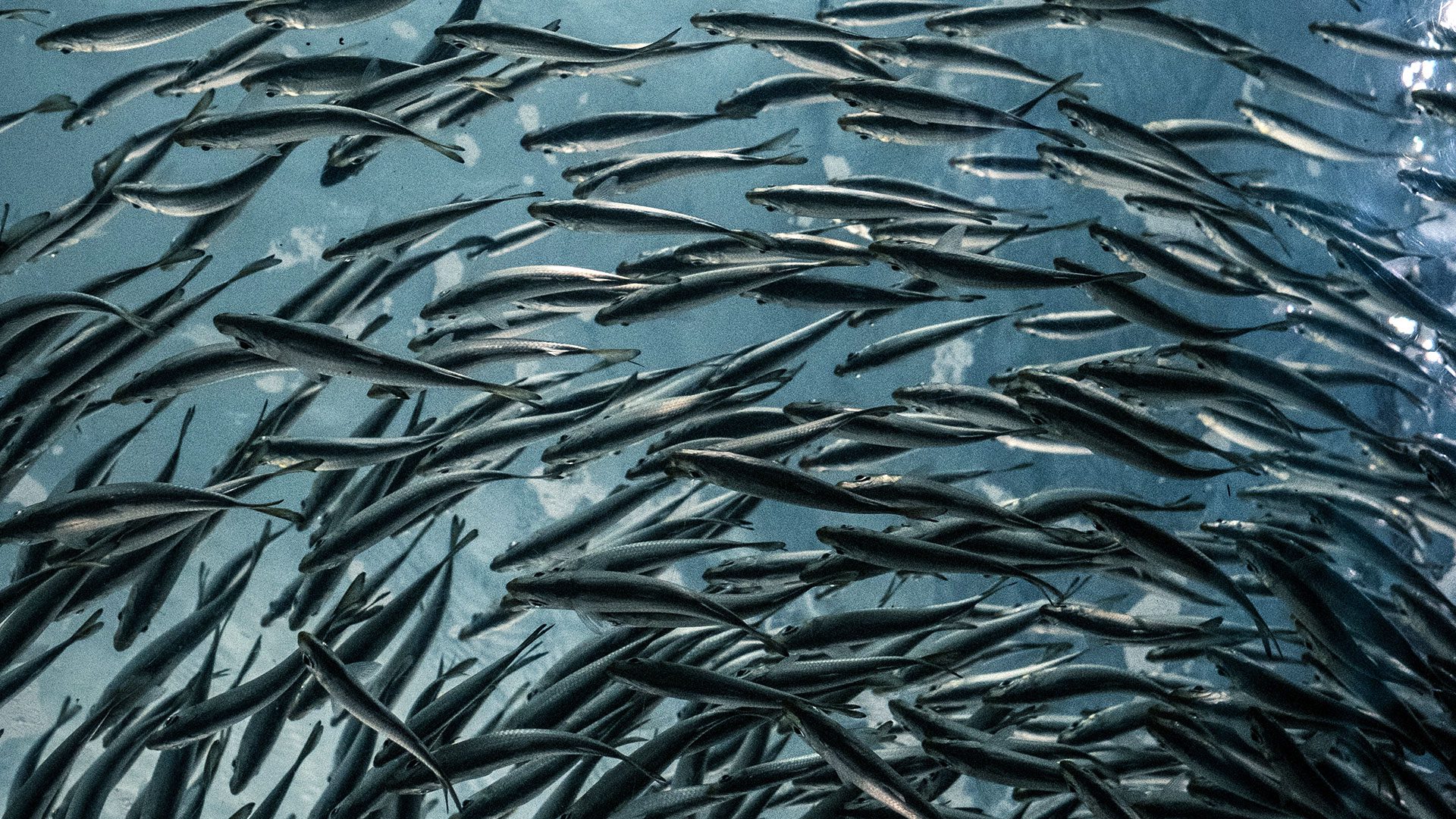
Ocean economists also investigate the broader challenges of global fisheries, including illegal, unreported, and unregulated fishing, which threatens marine biodiversity and undermines international conservation efforts. Researchers combine advanced technologies, such as autonomous vehicles and smart sensing tools, with local knowledge from fishing communities to develop effective solutions for protecting marine life and supporting the people who depend on it. Their work informs management decisions and promotes more sustainable approaches to ocean resource use in an ever-changing environment.
What fuels New England’s fisheries?
New England’s famous fisheries rely on tiny but mighty plankton.
References
More topics like this
Aquaculture
Aquaculture is the farming in fresh and saltwater environments of aquatic animals or plants principally for food. Fish, mollusks, crustaceans, and kelp are a few examples.

Marine protected areas
Marine protected areas refers to any part of the ocean that receives some level of protection under law, protecting about one percent of the global ocean.
Offshore wind
Offshore wind energy generates electricity through wind farms along inshore water areas such as lakes, fjords and sheltered coastal areas, as well as deeper-water areas.
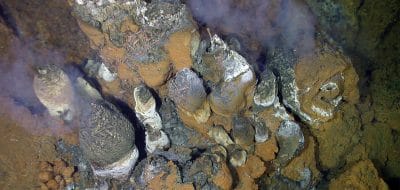
Seafloor mining
The ocean contains a complex combination of processes that sometimes result in commercially viable forms of a wide range of minerals.
Oceanus magazine
[ ALL ]In-depth research on Fisheries
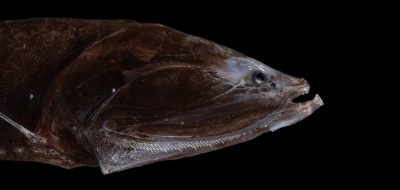
The world’s most abundant fish once thrived in an extreme climate
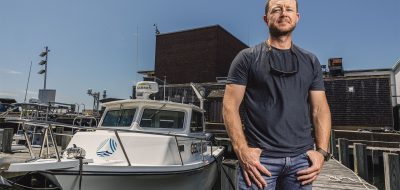
Hooked on change

Casting a wider net
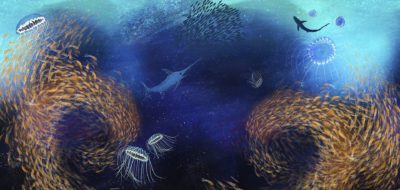
Can the twilight zone be fished responsibly?

An economist’s quest to “reel in” illegal fishing
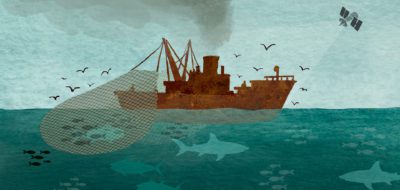
As illegal fishing rages on, is there any hope on the horizon?
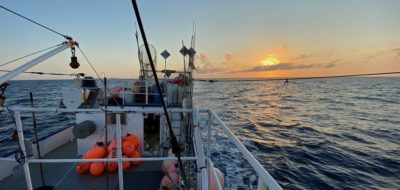
Casting a (long) line to the twilight zone food web
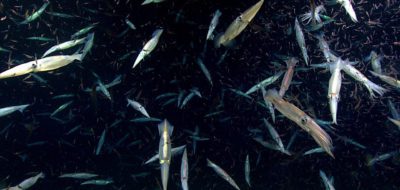
Squid Games
WHOI News Room
[ ALL ]Press releases
The NSF Seafood Engine in New England wins $15M U.S. National Science Foundation award to strengthen fisheries and aquaculture
Get the ocean in your inbox
Fresh discoveries, research, and stories from WHOI — free, every week.