What is sea ice?
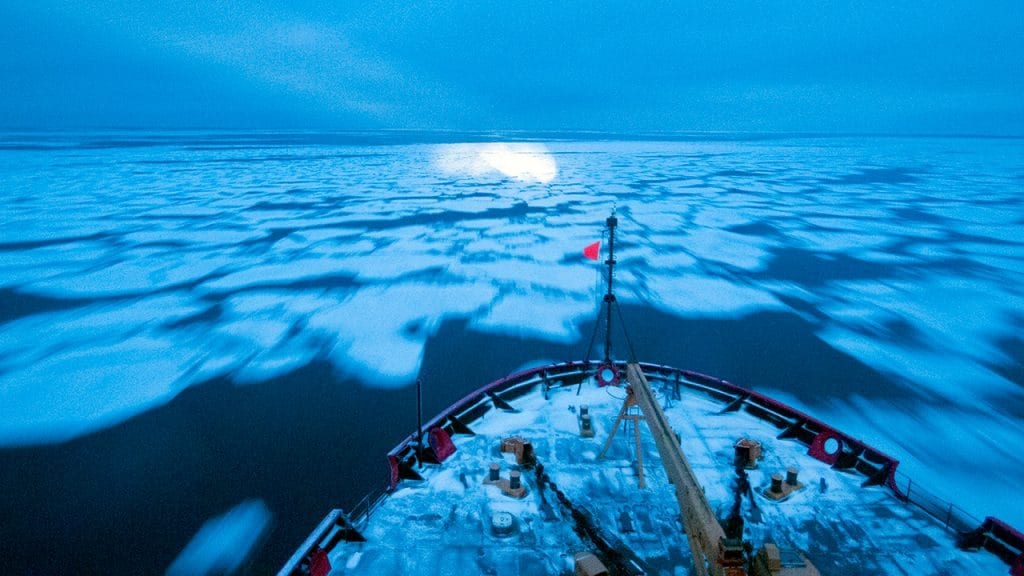
Below-freezing temperatures in the Arctic and Antarctic cause the ocean’s surface to freeze into ice crystals. When the water is calm, those crystals form wafer-thin sheets of ultra-smooth ice that slide over each other and freeze together into thick rafts. In choppy waters, ice crystals form slushy pancake-like chunks that can merge to create rough ice. Ridges form where wave action causes the pancakes to collide. Wind, waves, and currents move loose pieces of ice, called drift ice, across the water, creating openings where new ice can form or pile ice pancakes together. Some freezes to the coastline or ocean floor where it remains in place. Such ice is called fast ice.
Sea ice grows over the winter and recedes in summer. The thicker the ice, the more likely it is to last through the summer melt, leading to still thicker layers of sea ice the following year. Such multiyear ice hardens each year, leading to overall gains in local ice cover. First-year ice, on the other hand, tends to be thin and is more likely to melt during the summer.
Sea ice creates a barrier between the ocean and atmosphere, reducing movement of heat between the two environments. As the ice layer grows thicker, less heat is able to move across it. Once the ice reaches 3 to 4 meters (10 to 13 feet) thick, it effectively shuts down interactions between the air and water.
Why is it important
As seawater freezes, ice crystals expel salt, which creates freshwater ice that floats on the ocean’s surface and releases salt into the water below. The increase in salinity creates dense water that sinks to the ocean floor, where it begins a slow migration toward the equator, contributing to the global ocean conveyor belt, the Atlantic Meridional Overturning Circulation (AMOC). This massive current redistributes energy throughout the world’s oceans and contributes to global climate.
The surface of the ice plays a critical role in reducing incoming energy from sunlight. Ice is highly reflective; most incoming sunlight bounces off the surface and returns to space. This keeps temperatures near the poles relatively cool, even during summer months. As ice begins to melt, however, it forms pools of dark water that absorb sunlight. This warms the water, further melting the ice and creating larger pools of water that absorb more sunlight. This feedback loop can contribute to rapid collapses of sea ice, making polar regions especially vulnerable to climate change.
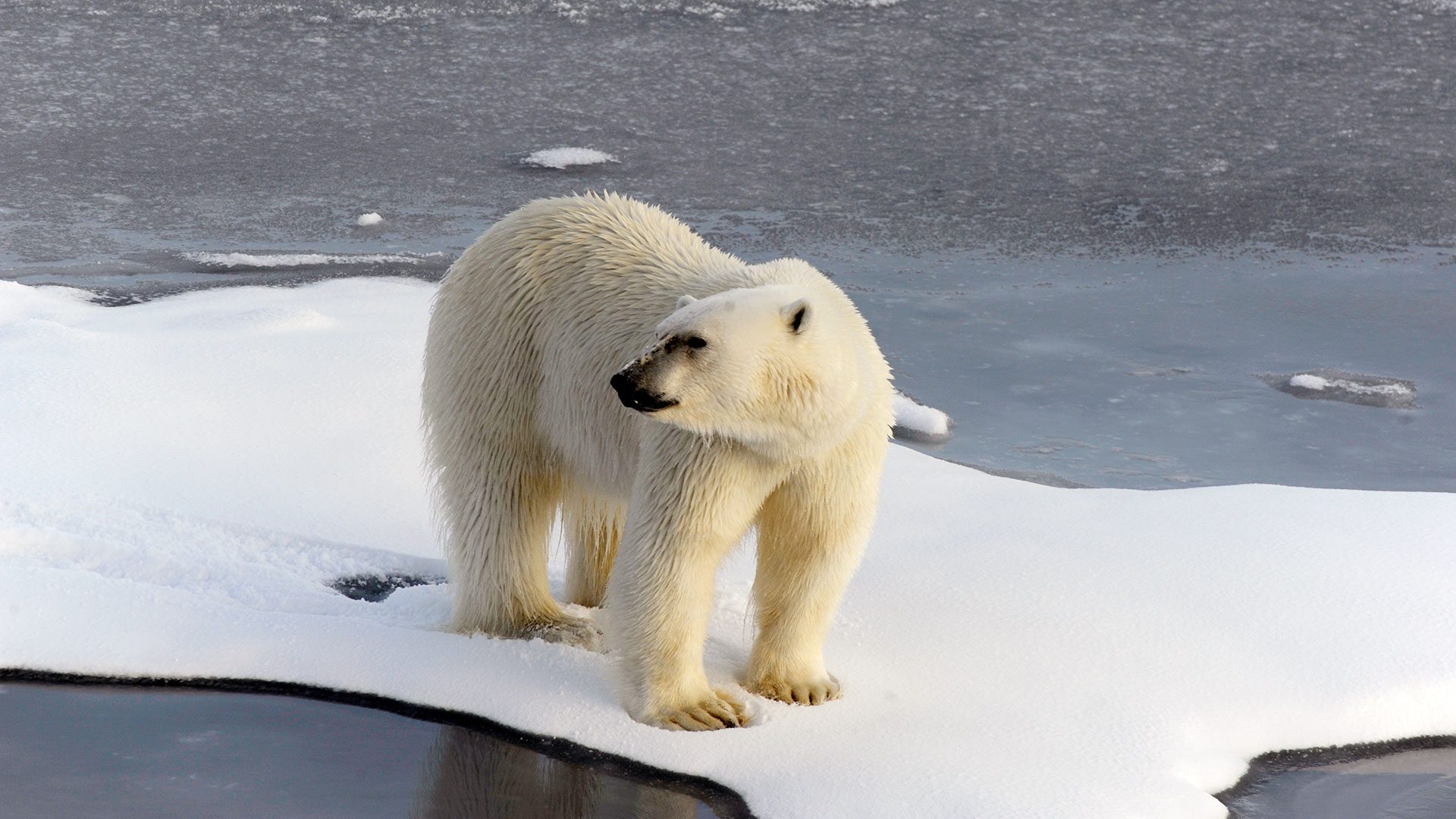
Summer melt along the sea ice edge releases trapped nutrients into the water, which leads to increases in phytoplankton—tiny photosynthetic organisms that form the base of the marine food web. This attracts a variety of marine life, including higher-level predators, such as fish and whales, to areas along the ice rim. The ice itself provides essential habitat for marine mammals, including polar bears, seals, and Arctic foxes. These animals use the ice for birthing, hunting, and nursing their young. As sea ice declines, polar bears, in particular, are struggling to survive, and in their efforts to find food, they are encountering humans more frequently.
Because sea ice is created from seawater, it does not contribute to rising sea levels when it melts.
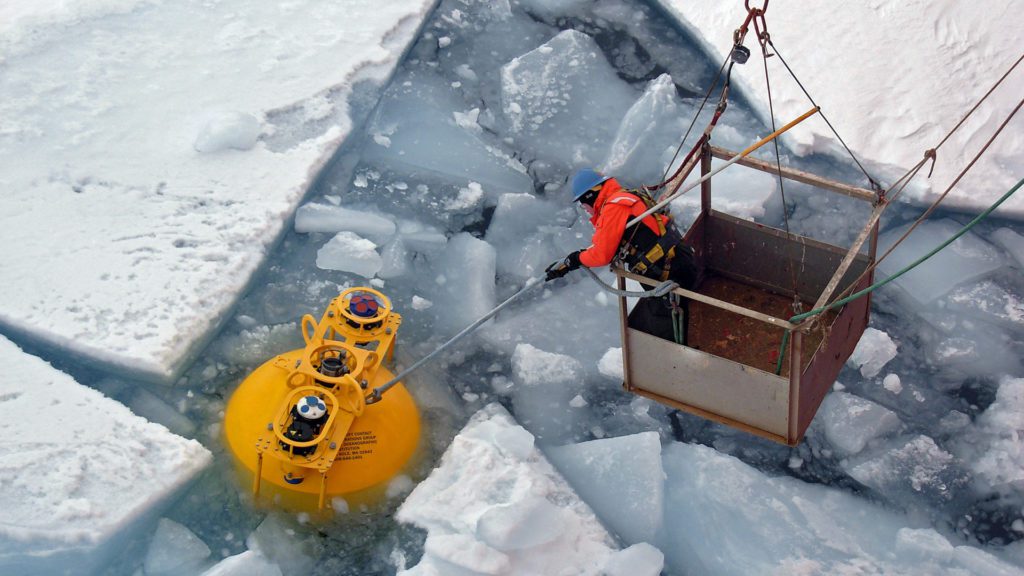
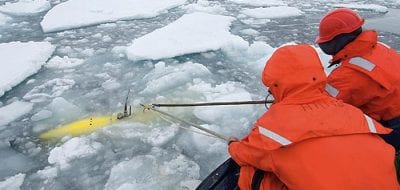
Group Operations Leader John Kemp uses a hook to recover a top float mooring in the Beaufort Sea of the Arctic Ocean to acquire vertical profiles of temperature salinity and velocity in the water column, measure ice draft, and obtain bottom pressure readings over the past year. (Photo by Rick Krishfield, © Woods Hole Oceanographic Institution)
How are scientists studying sea ice?
Since 1979, satellites have allowed for continuous measurements of sea ice extent—the total area covered by ice—as well as its overall depth. This has allowed researchers to track sea ice as it expands in winter and retreats in summer. These records show that sea ice is now covering less area in both summer and winter in most years, with the Arctic most strongly affected by changes in global climate. In the last two decades, summertime losses have exceeded those seen prior to the 1980s and 1990s, and the most extreme ice loss events have happened in the last 15 years. Models predict that by the year 2100, the Arctic will be completely free of ice in summer.
Scientists also rely on historical records, such as those kept by Vikings and European sailors that made note of Arctic ice at various locations and times. They also use records from Antarctic whalers, who recorded the location of every whale kill. Because whales tend to feed along the ice edge, these records can be used to estimate ice extent at the time of hunting. Scientists also examine ice cores for signs of phytoplankton, since their presence in a core similarly reflects the sea ice boundary.
Did you know?
Sea ice glossary
Mariners have adopted a number of different names for icebergs and pack ice. The following glossary of ice terms is from Bowditch's Glossary of Marine Navigation.
References
Meier, W.N. et al. Sea Ice. Arctic Report Card. NOAA Arctic Program. doi: 10.25923/y2wd-fn85.
National Snow & Ice Data Center. Arctic Sea Ice News & Analysis. https://nsidc.org/arcticseaicenews/ March 22, 2022.
NASA. Sea Ice. https://earthobservatory.nasa.gov/features/SeaIce
NOAA. How does sea ice affect global climate? https://oceanservice.noaa.gov/facts/sea-ice-climate.html
More topics like this
Glaciers & ice sheets
Glaciers are large ice masses created by snowfall that has transformed into ice and compressed over the course of many years. An ice sheet is a mass of glacial land ice extending more than 20,000 square miles.
AMOC—The Atlantic Ocean’s conveyor belt
The ocean's conveyor-like global circulation influences today's climate system.
Biogeochemistry
Biogeochemistry studies the cycles of crucial elements, such as carbon and nitrogen, and their interactions with other substances and organisms as they move through Earth's atmosphere, hydrosphere, biosphere, and lithosphere.
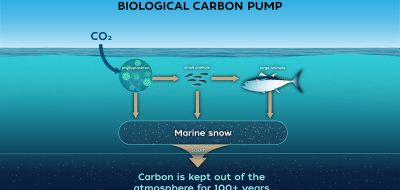
Biological carbon pump
Every day, microscopic phytoplankton pull carbon dioxide from surface waters and send it sinking into the deep sea—where the ocean's biological carbon pump can lock it away for hundreds to thousands of years, quietly shaping Earth's climate.
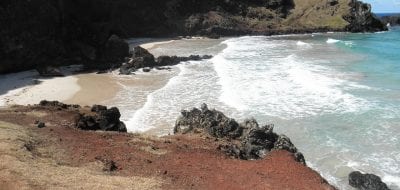
Changing shorelines & erosion
Waves, currents, wind, storms, and tides form complex interactions over time to cause erosion along some stretches of shoreline and growth in others.
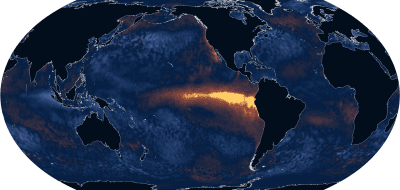
El Niño
El Niño is a natural climate pattern that occurs every two to seven years, when unusually warm Pacific Ocean waters alter global weather, causing floods, droughts, and marine ecosystem disruptions.
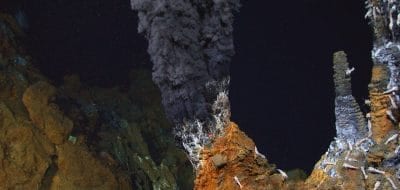
Hydrothermal vents
In the sunless deep, hydrothermal vents gush superheated, mineral-rich fluid from the seafloor, building towering mineral chimneys. Around them thrives one of Earth's strangest ecosystems—tubeworms, shrimp, and microbes that live on chemistry instead of sunlight, powered by the planet's inner heat.
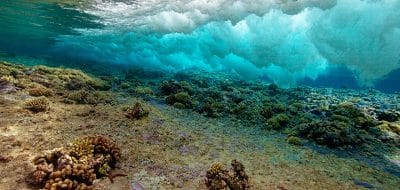
Sunlit zone
The upper layer of the ocean is known as the sunlit, or euphotic, zone. Because water strongly absorbs light, sunlight penetrates only to depths of about 200 meters (656 feet).
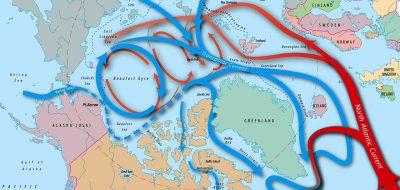
Arctic ocean circulation
The complex ocean circulation system in the Arctic — which impacts the entire food web — is in a delicate balance.
Carbon cycle
Carbon is the building block of life on Earth and has a powerful impact on the planet’s climate.
Cycles
Oceanic cycles — chemical, physical, and biological — are related to cyclic processes in the Earth's atmosphere, such as the seasons, El Niño events, and long-term climate changes.
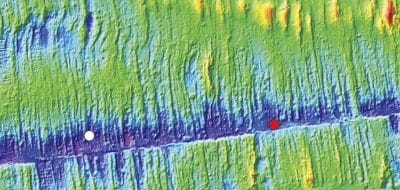
Mid-ocean ridges
The mid-ocean ridge occurs along boundaries where plates are spreading apart.
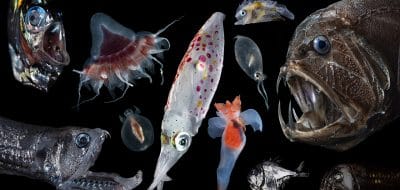
Twilight zone
The ocean twilight zone is a layer of water that stretches around the globe. It lies 200 to 1,000 meters below the ocean surface, just beyond the reach of sunlight.
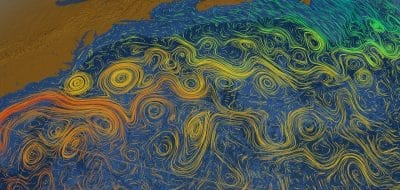
Currents, gyres, & eddies
At the surface and beneath, currents, gyres and eddies physically shape the coasts and ocean bottom.
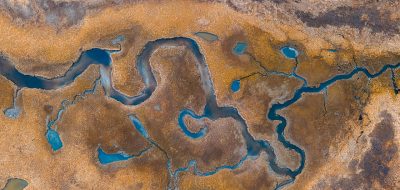
Groundwater
Groundwater is water that exists underground in the spaces between grains of sand or gravel or in the cracks and fractures in solid rock—part of the global water cycle.
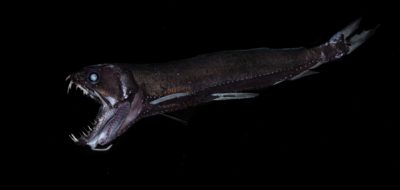
Midnight zone
The midnight zone, or bathypelagic, extends to about 4,000 meters (about 13,100 feet), which reaches the ocean floor in many places is in perpetual darkness.
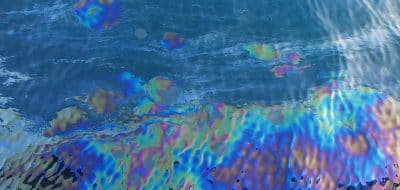
Natural oil seeps
As much as one half of the oil that enters the coastal environment comes from natural seeps of oil and natural gas.
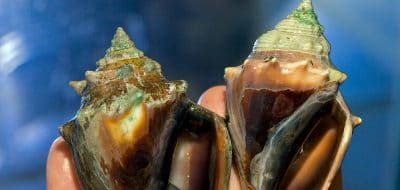
Ocean acidification
Ocean acidification is a reduction in the pH of the ocean over an extended period of time, caused primarily by an increase of carbon dioxide from the atmosphere.
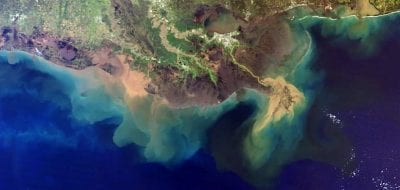
Oxygen dead zones
Dead zones occur when the water lacks oxygen. Like us, marine animals require oxygen to breathe, and when oxygen levels drop too low they can suffocate.
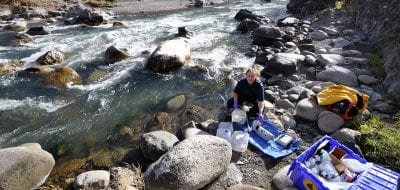
Rivers, estuaries, & deltas
Rivers, estuaries, and deltas are key to understanding the chemical structure of seawater, and are home to some of the world's most diverse ecosystems.
Oceanus magazine
[ ALL ]In-depth research on Sea ice
Luxury cruises with a side of climate science
Following the Polar Code
An open polar sea?

The pull of the poles
Communicating Under Sea Ice
A Buoy’s Long Strange Trip
Another Piece in the Arctic Puzzle
Exploring the Arctic in the Midst of Change
Get the ocean in your inbox
Fresh discoveries, research, and stories from WHOI — free, every week.