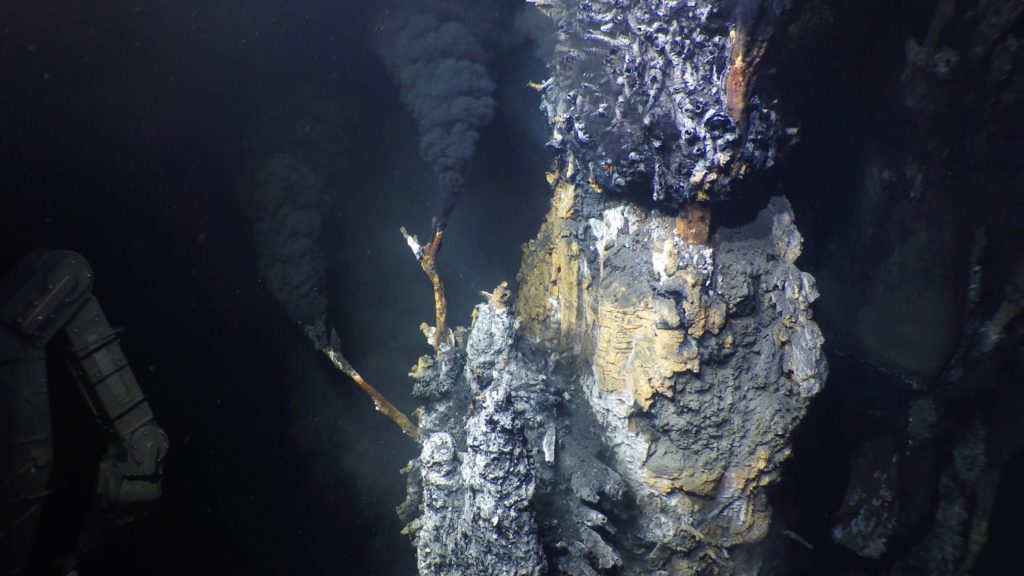
Beneath the waves lies a vast, dynamic world that shapes the ocean from the bottom up. The seafloor is not a flat expanse of mud, but a complex and geologically active landscape comprising towering mountains, deep trenches, erupting volcanoes, and vast underwater plains.
At mid-ocean ridges, tectonic plates pull apart and give rise to new seafloor through volcanic activity. These spreading centers are also home to hydrothermal vents — cracks in the Earth’s crust where hot, mineral-rich fluids gush into the ocean, supporting unique ecosystems that thrive without sunlight. In contrast, ocean trenches occur areas where tectonic plates collide, driving one plate deep beneath another in dramatic, deep-sea subduction zones.
Seamounts — underwater mountains that rise from the seafloor — are often biological hotspots that provide habitat for marine life. Natural oil that seeps from cracks in the seabed offers clues about Earth’s geologic processes.
Studying the seafloor helps scientists understand how Earth’s core, the ocean, and life on our planet are connected to each other.
More topics like this
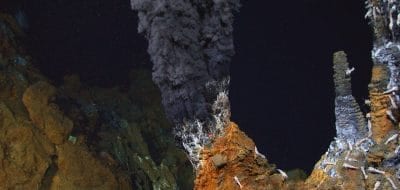
Hydrothermal vents
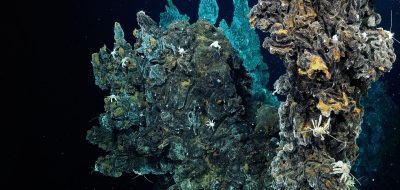
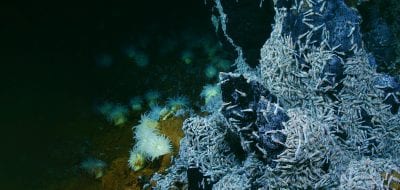
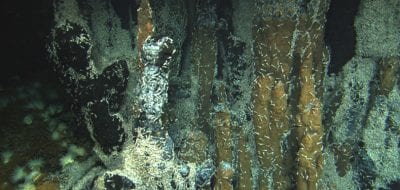
In the sunless deep, hydrothermal vents gush superheated, mineral-rich fluid from the seafloor, building towering mineral chimneys. Around them thrives one of Earth's strangest ecosystems—tubeworms, shrimp, and microbes that live on chemistry instead of sunlight, powered by the planet's inner heat.
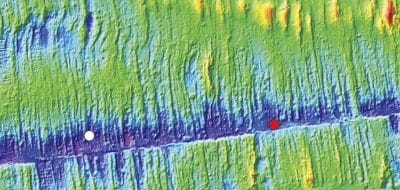
Mid-ocean ridges
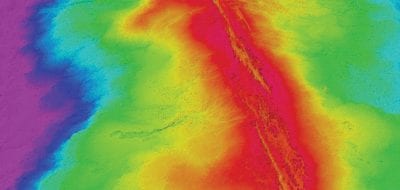
The mid-ocean ridge occurs along boundaries where plates are spreading apart.
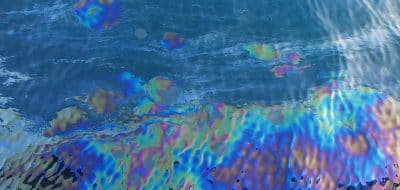
Natural oil seeps
As much as one half of the oil that enters the coastal environment comes from natural seeps of oil and natural gas.
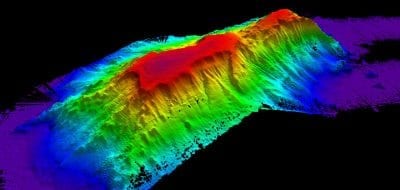
Seamounts
Mountains rising from the ocean seafloor that do not reach to the water's surface.
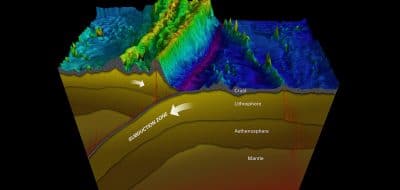
Ocean trenches
Ocean trenches are steep depressions exceeding 6,000 meters in depth, where old ocean crust from one tectonic plate is pushed beneath another plate.
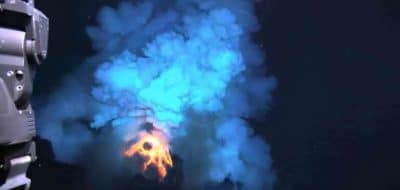
Underwater volcanoes
These eruptions of molten rock and ash can be destructive to human settlements, but vitally creative for the rest of the planet.
Oceanus magazine
[ ALL ]In-depth research on Seafloor & below
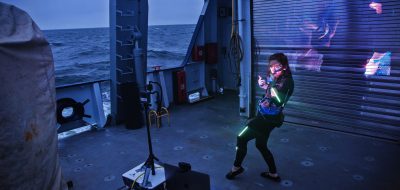
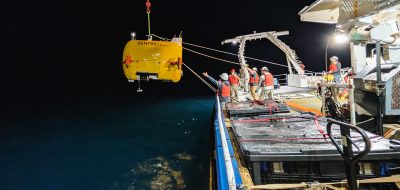
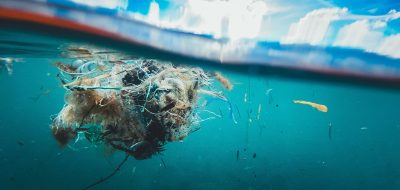
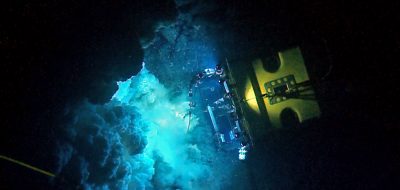
Three ocean robots that plunge into active volcanoes

Our eyes on the seafloor
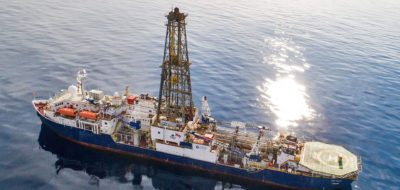
Unlocking the Earth’s time capsule

3 memorable Jason Dives
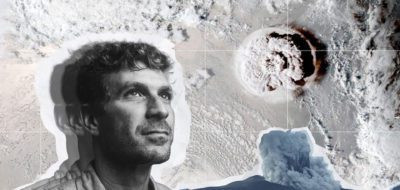
How did the ocean remain so quiet during Tonga’s eruption?
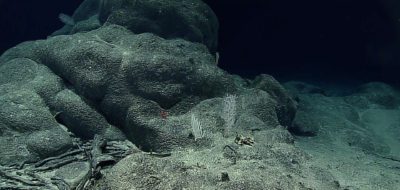
With deep-sea mining, do microbes stand a chance?

Coming full circle
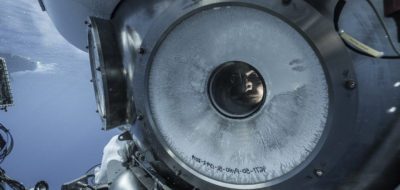
7 Places and Things Alvin Can Explore Now


WHOI News Room
[ ALL ]Press releases
Researchers help solve mystery of clockwork-like earthquake system deep beneath the Pacific
International research team discovers a potential source of abiotic methane in the Arctic Ocean
Get the ocean in your inbox
Fresh discoveries, research, and stories from WHOI — free, every week.