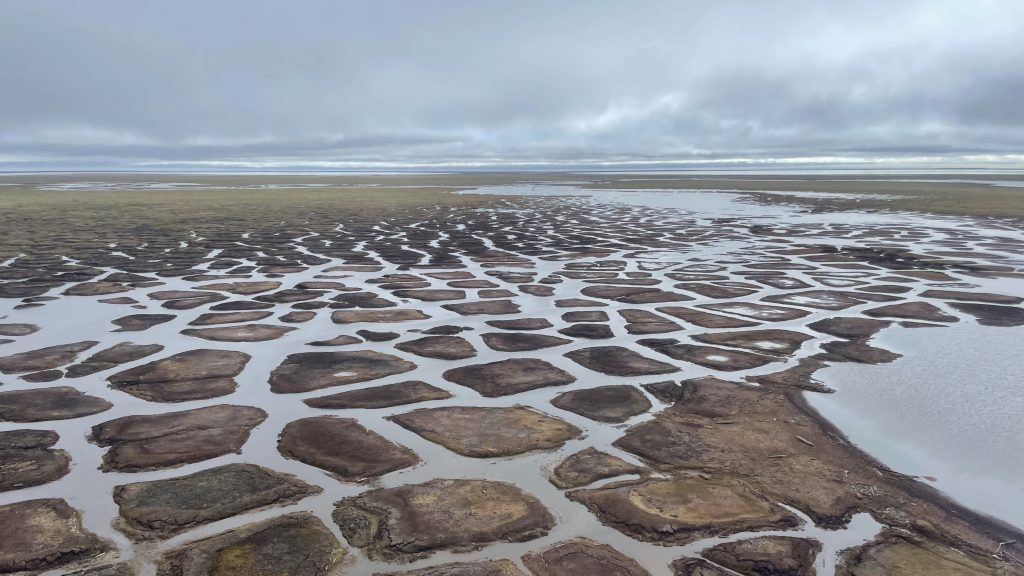
The ocean is a dynamic and interconnected system that governs Earth's climate, sustains countless ecosystems, and shapes the lives of all species, including humans. Covering over 70% of the planet's surface, it plays a critical role in regulating temperatures, cycling nutrients, and driving weather patterns. From the shallow coastal regions teeming with biodiversity to the mysterious depths of the seafloor, the ocean's vast expanse is a cornerstone of life on Earth.
Understanding how the ocean works involves exploring the intricate processes that define its structure and behavior. Its chemistry influences everything from the water's ability to support life to its role in carbon storage. Ocean circulation, powered by winds and temperature gradients, connects distant regions and redistributes heat. Additionally, the ocean's relationship with the atmosphere, frozen poles, and underlying seafloor reveals a complex web of interactions essential to maintaining the planet's balance.
Ocean Encounters
Vital Coasts
Salt marshes, kelp forests, and mangrove swamps are vibrant places, protecting coastlines, supporting diverse marine life, and helping regulate Earth’s climate. They also face a myriad of threats.
More topics like this
Changing shorelines & erosion
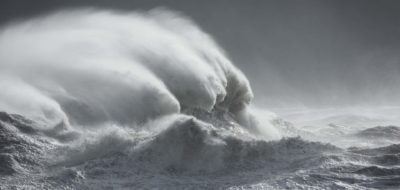
Waves, currents, wind, storms, and tides form complex interactions over time to cause erosion along some stretches of shoreline and growth in others.
Groundwater
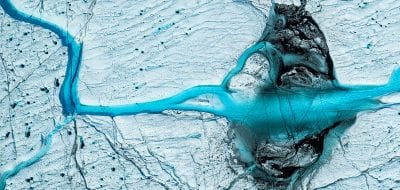
Groundwater is water that exists underground in the spaces between grains of sand or gravel or in the cracks and fractures in solid rock—part of the global water cycle.
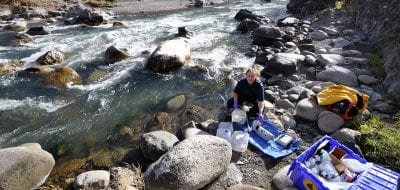
Rivers, estuaries, & deltas
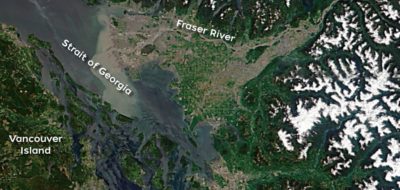
Rivers, estuaries, and deltas are key to understanding the chemical structure of seawater, and are home to some of the world's most diverse ecosystems.
Oceanus magazine
[ ALL ]In-depth research on Coastal science

Reclaiming knowledge from the sea
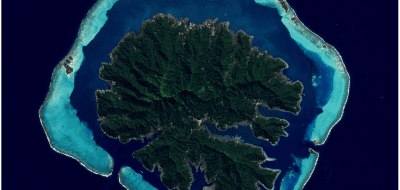
How an MIT-WHOI student used Google Earth to uncover a river–coral reef connection
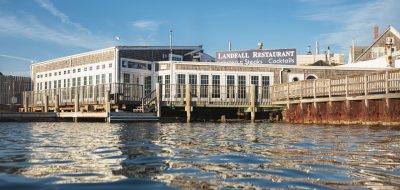
Rising tides, resilient spirits
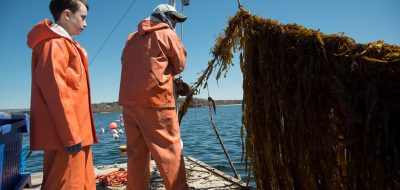
Seeding the future
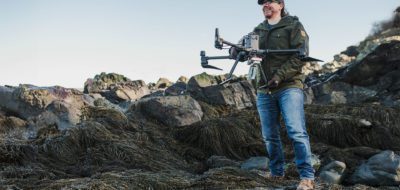
The 10,000-foot view

Happy Working in the Mud

The climate won’t wait

An introduction to marsh bothering
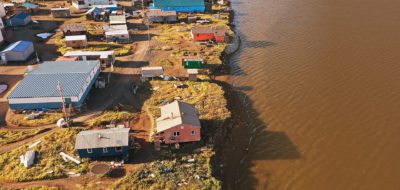
Living on the edge
The teetering balance of coastal CO2
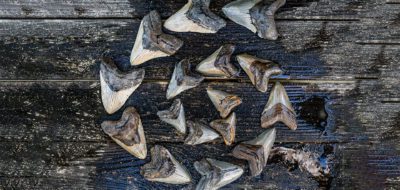
Wilmington’s shark tooth divers can thank the last ice age for their treasure trove
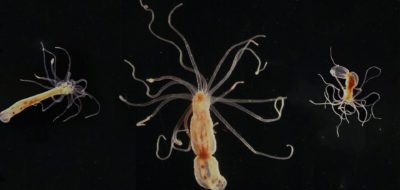
A toxic double whammy for sea anemones

WHOI News Room
[ ALL ]Press releases
New federal funding to accelerate ocean-climate resilience
Interactive Climate Tour Opens in Woods Hole
Get the ocean in your inbox
Fresh discoveries, research, and stories from WHOI — free, every week.