
Ocean Topics

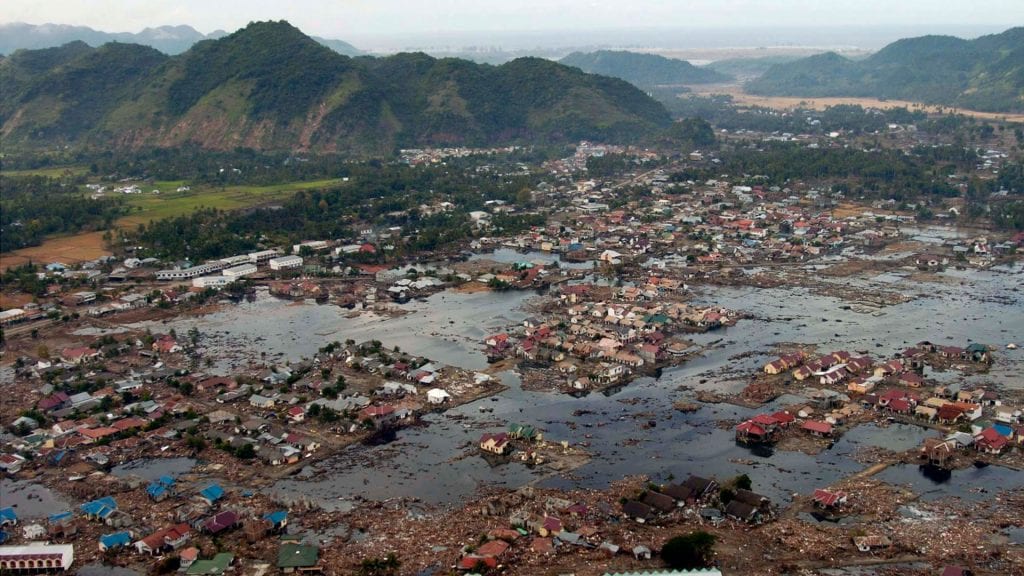
A village near the coast of Sumatra lays in ruin after the 2004 earthquake and tsunami that struck South East Asia. (U.S. Navy photo by Photographer's Mate 2nd Class Philip A. McDaniel (RELEASED)
The ocean is one of the forces shaping Earth’s environment — sometimes that power is unleashed in disastrous ways. From tsunamis and hurricanes to floods and undersea earthquakes, many of Earth’s most devastating natural disasters originate from or are strongly influenced by ocean processes. These powerful events can cause widespread damage affecting marine ecosystems, coastal populations, and even the planet’s weather and climate systems.
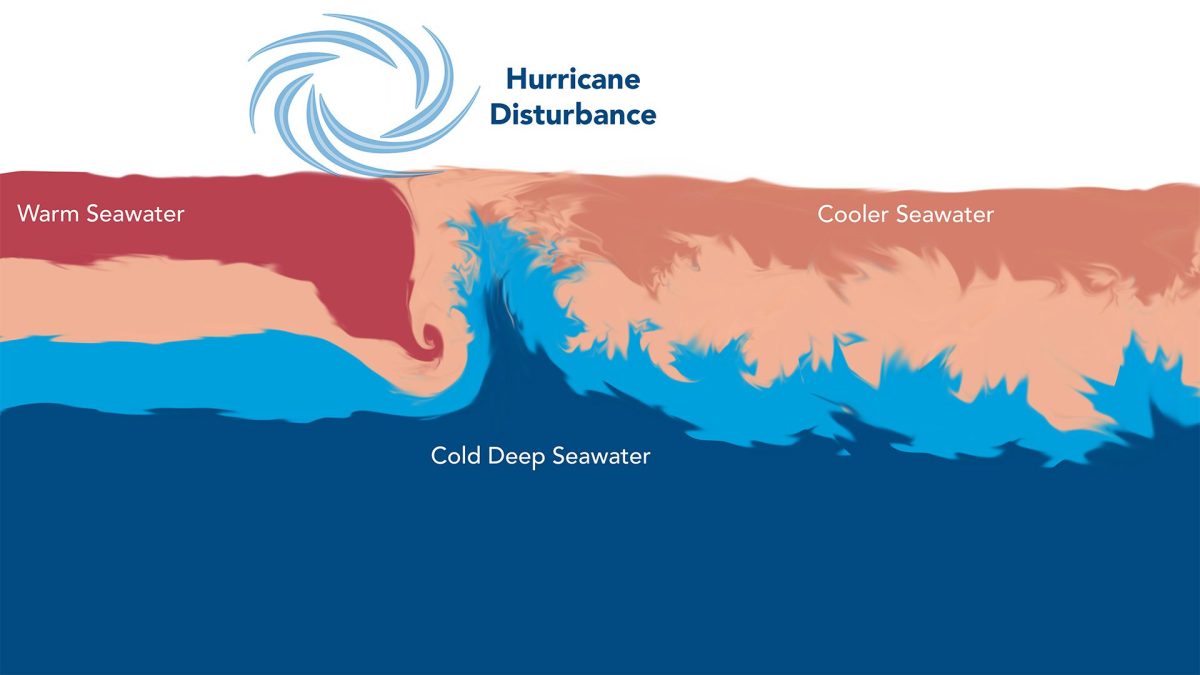
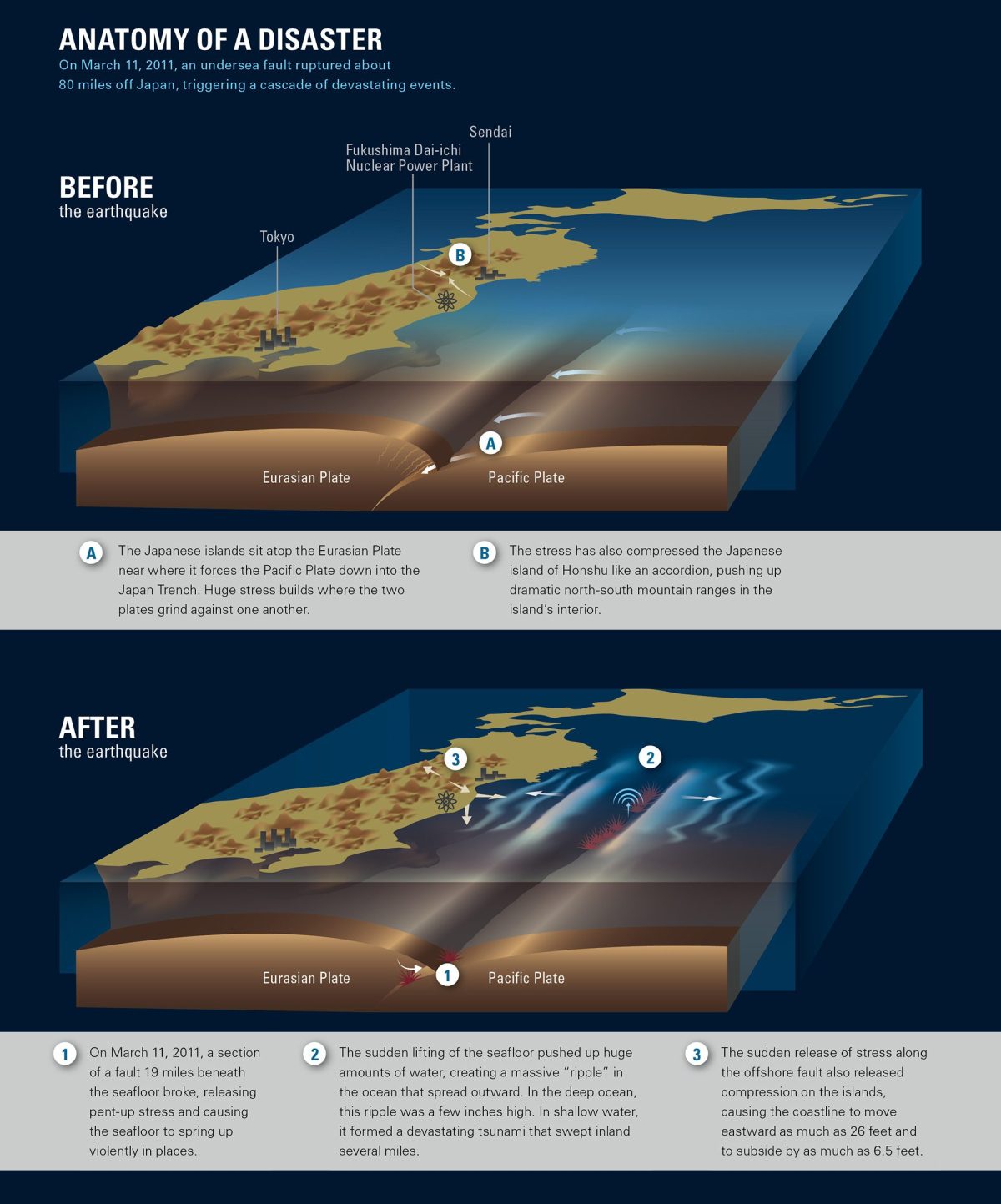
Earthquakes that occur beneath the seafloor can displace massive amounts of water, triggering tsunamis capable of traveling across entire ocean basins. Fueled by warm ocean waters, tropical storms and hurricanes bring heavy rain, high winds, and storm surges that can devastate coastlines.
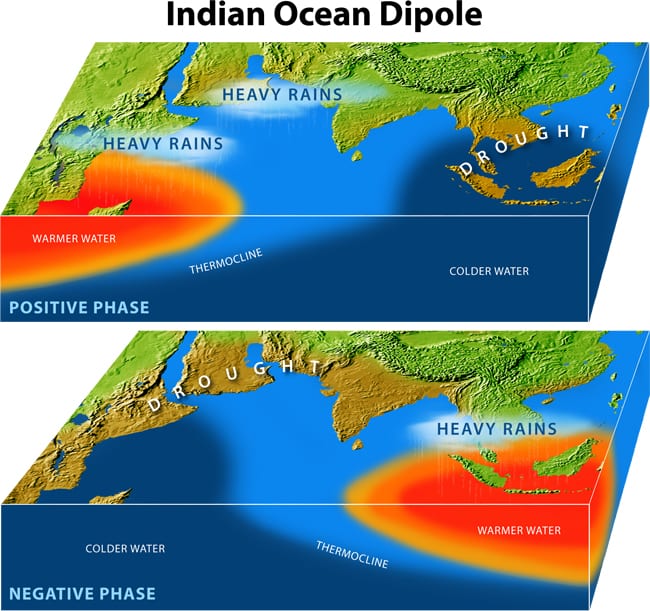
Because it plays such a crucial role in the global water cycle, the ocean can significantly impact both floods and droughts. Scientists study these processes to better understand their causes, improve the accuracy of forecasts, and develop methods to prepare for and respond to extreme weather and water-related events.
All Topics on Natural Disasters

Earthquakes
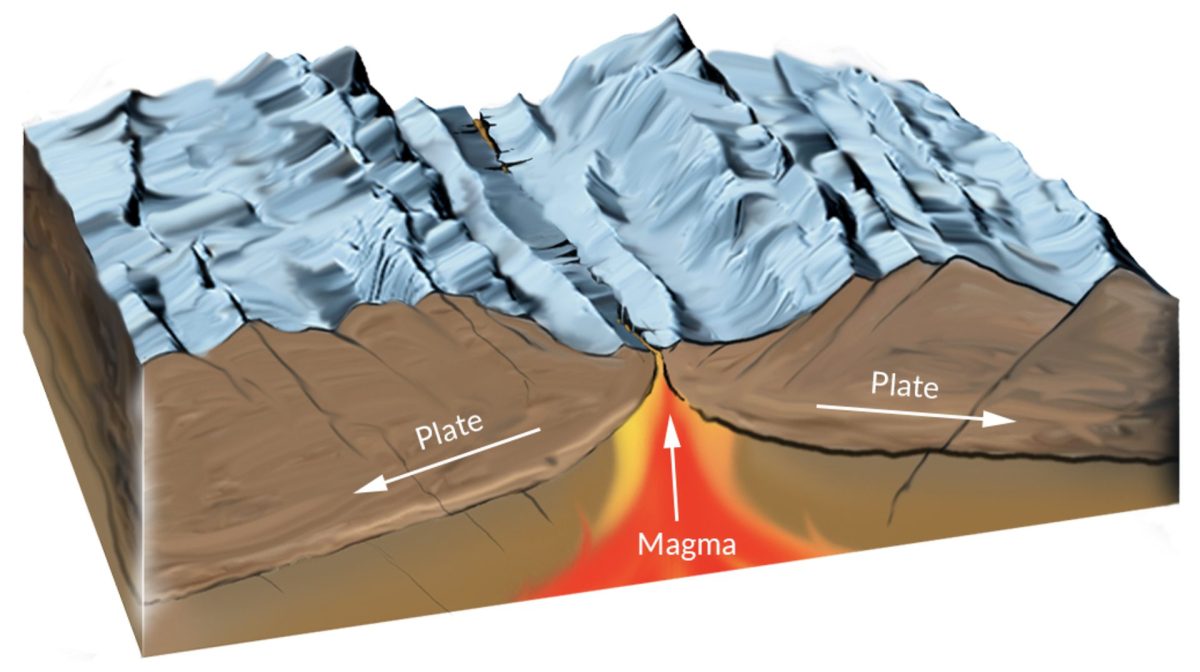
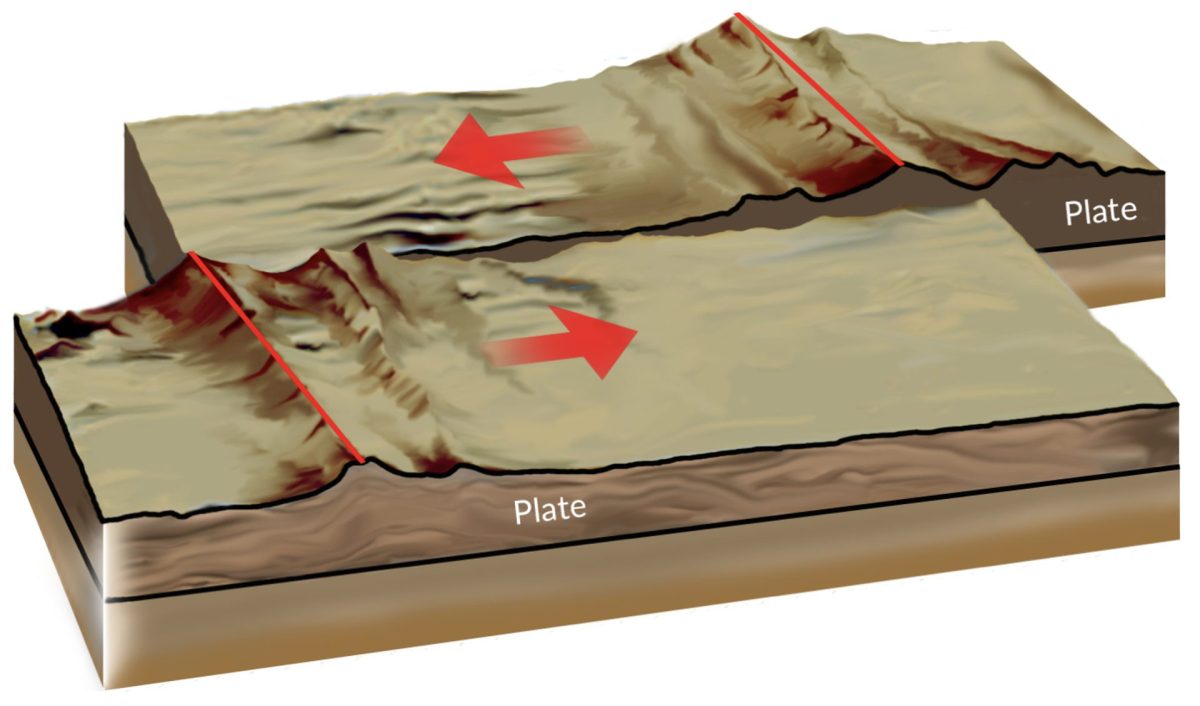
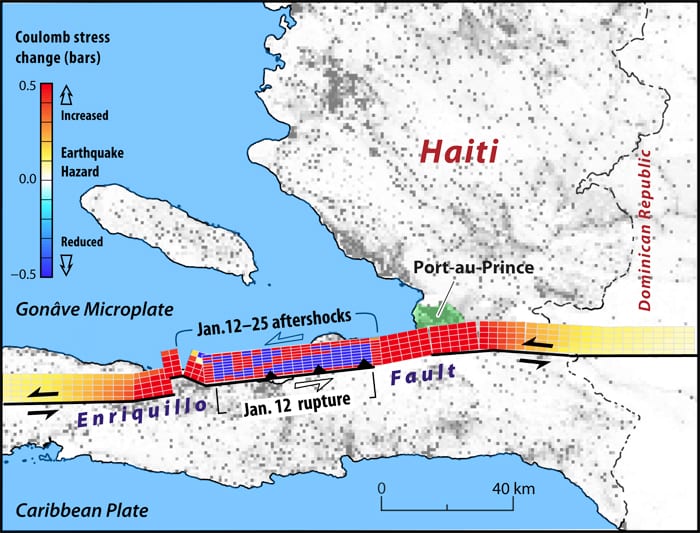
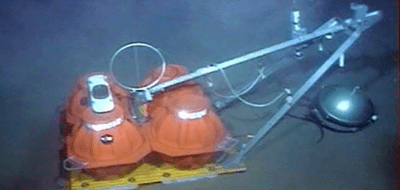
An earthquake is a shaking of the ground that occurs when two large blocks of Earth's crust slip suddenly past one another.
Hurricanes
Hurricanes are large rotating tropical storms with winds in excess of 119 kilometers per hour. They usually form in the Atlantic Ocean but can develop in other oceans as well.
Tsunamis
A tsunami is a massive, fast-moving wave created by an underwater earthquake or landslide. Displaced ocean water creates waves with speeds of up to 500 miles per hour.
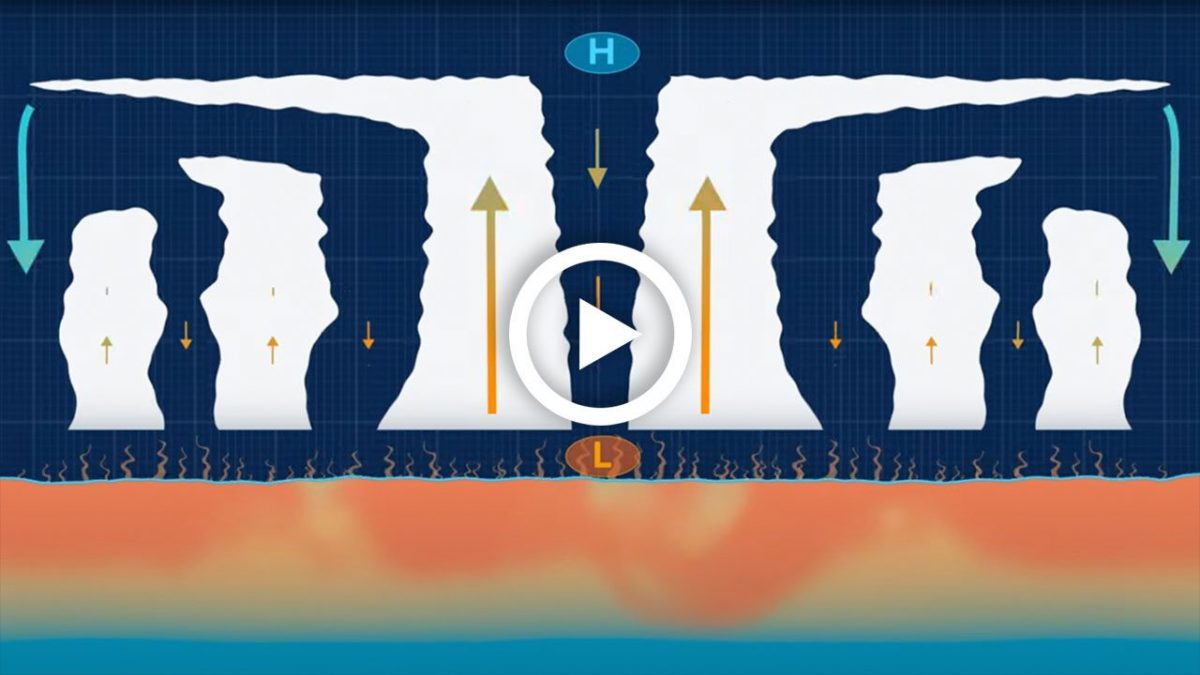

 Earthquakes
  Hurricanes
  Tsunamis