
News Releases
Ancient groundwater records reveal regional vulnerabilities to climate change
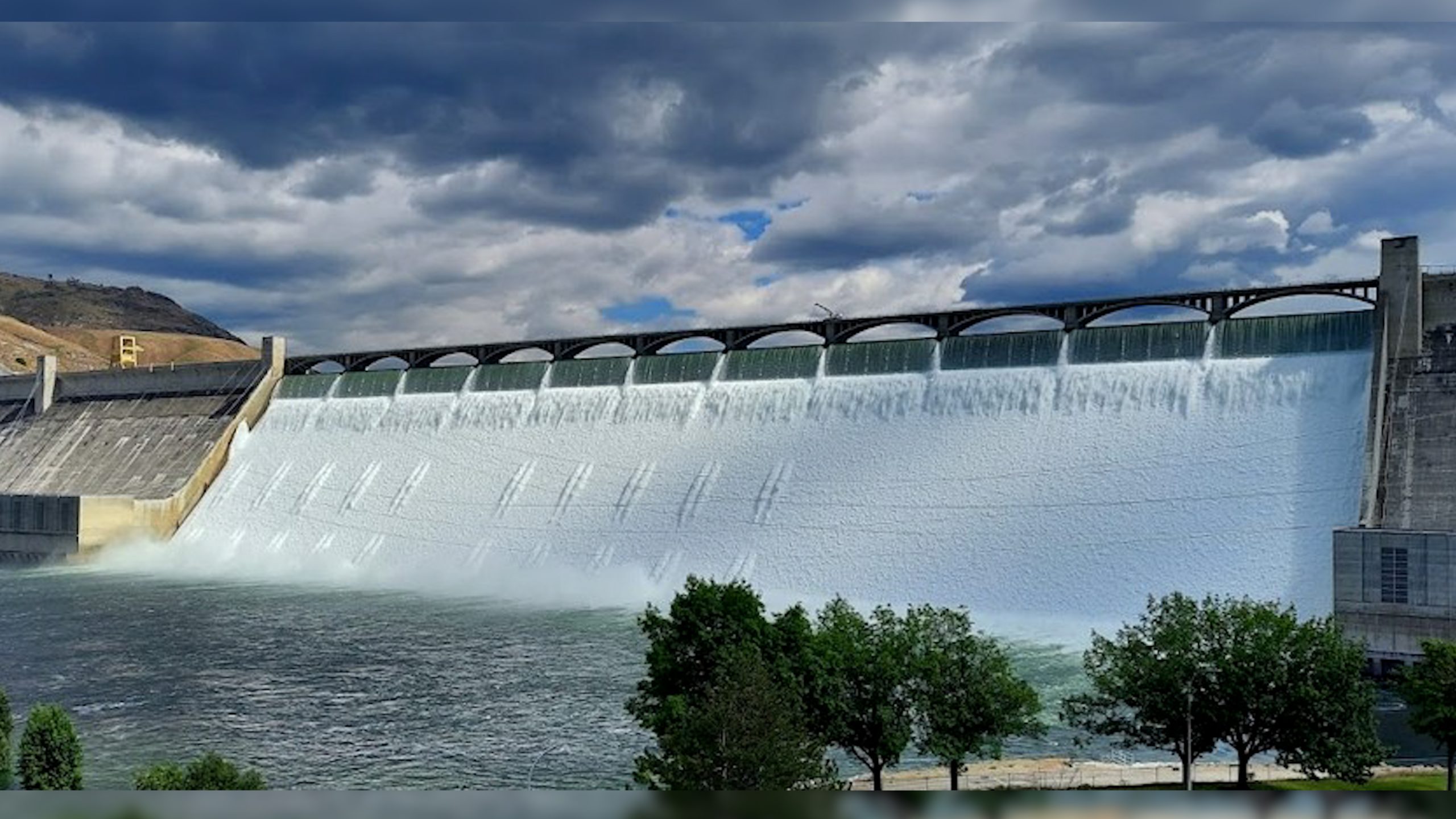
New WHOI-led study shows the Southwest may be more sensitive to drying than the Pacific Northwest
Read MoreWHOI to Receive Funding For Ocean Margins Initiative in West Africa
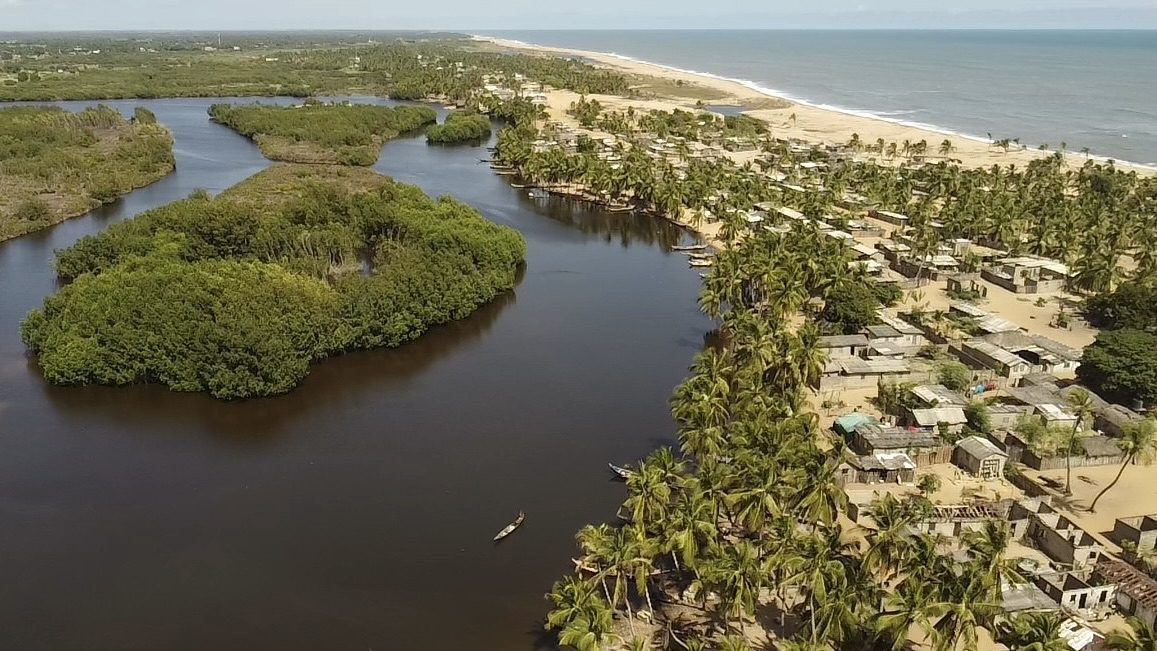
New program at Schmidt Sciences will refine details of ocean carbon cycling and ecosystem resilience
Read MoreNew federal funding to accelerate ocean-climate resilience
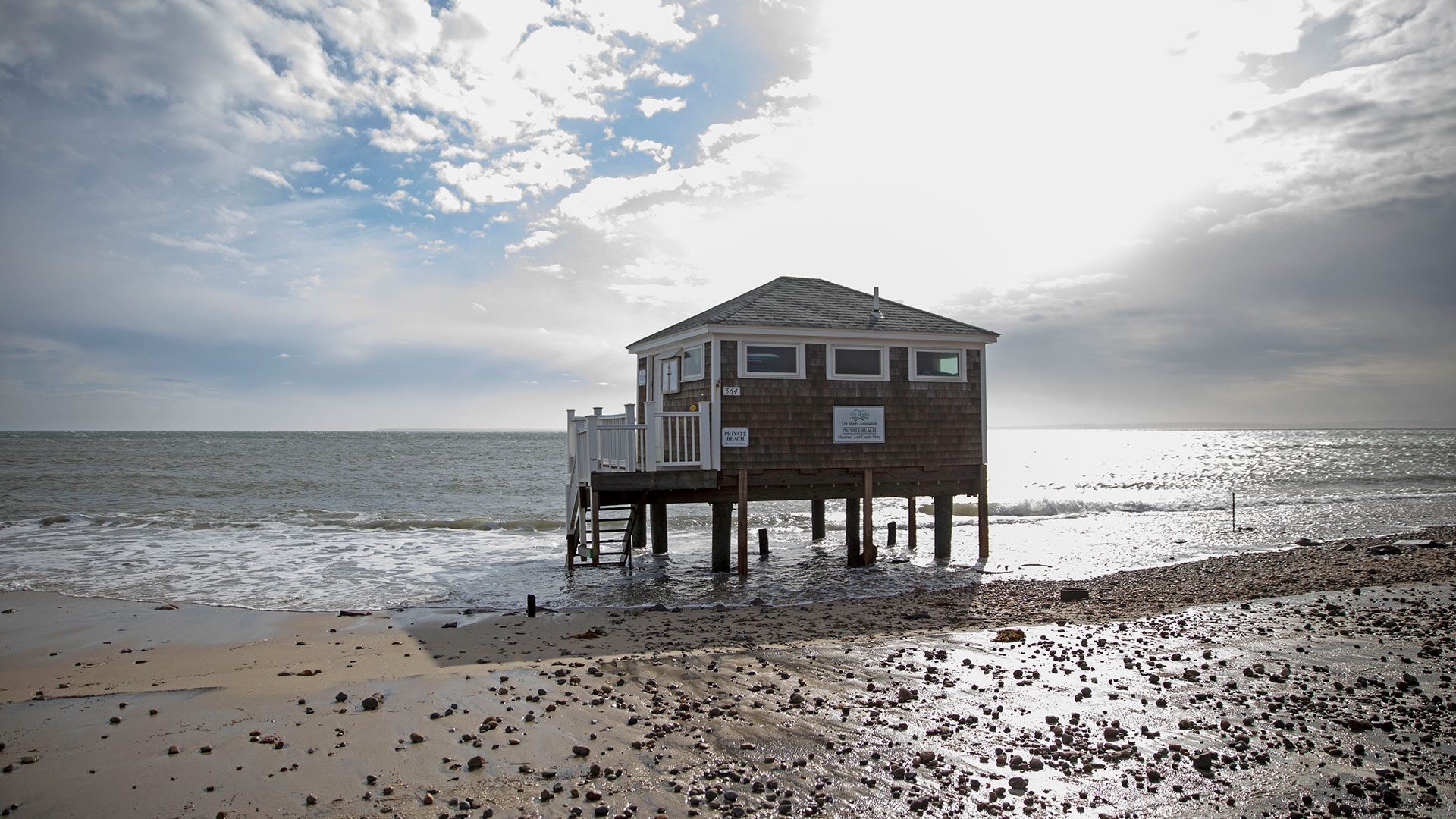
WHOI-led team receives funding to help small businesses prepare communities across the nation for climate change
Read MoreInteractive Climate Tour Opens in Woods Hole

A diverse group of community members, local businesses, government officials, and science institutions came together yesterday to officially launch a self-guided climate walking trail in the village of Woods Hole. The ResilientWoodsHole (RWH) Climate Walking Trail opened to the public with a ribbon cutting ceremony at the Woods Hole Waterfront Park.
Read MoreExcess Nutrients Lead to Dramatic Ecosystem Changes in Cape Cod’s Waquoit Bay
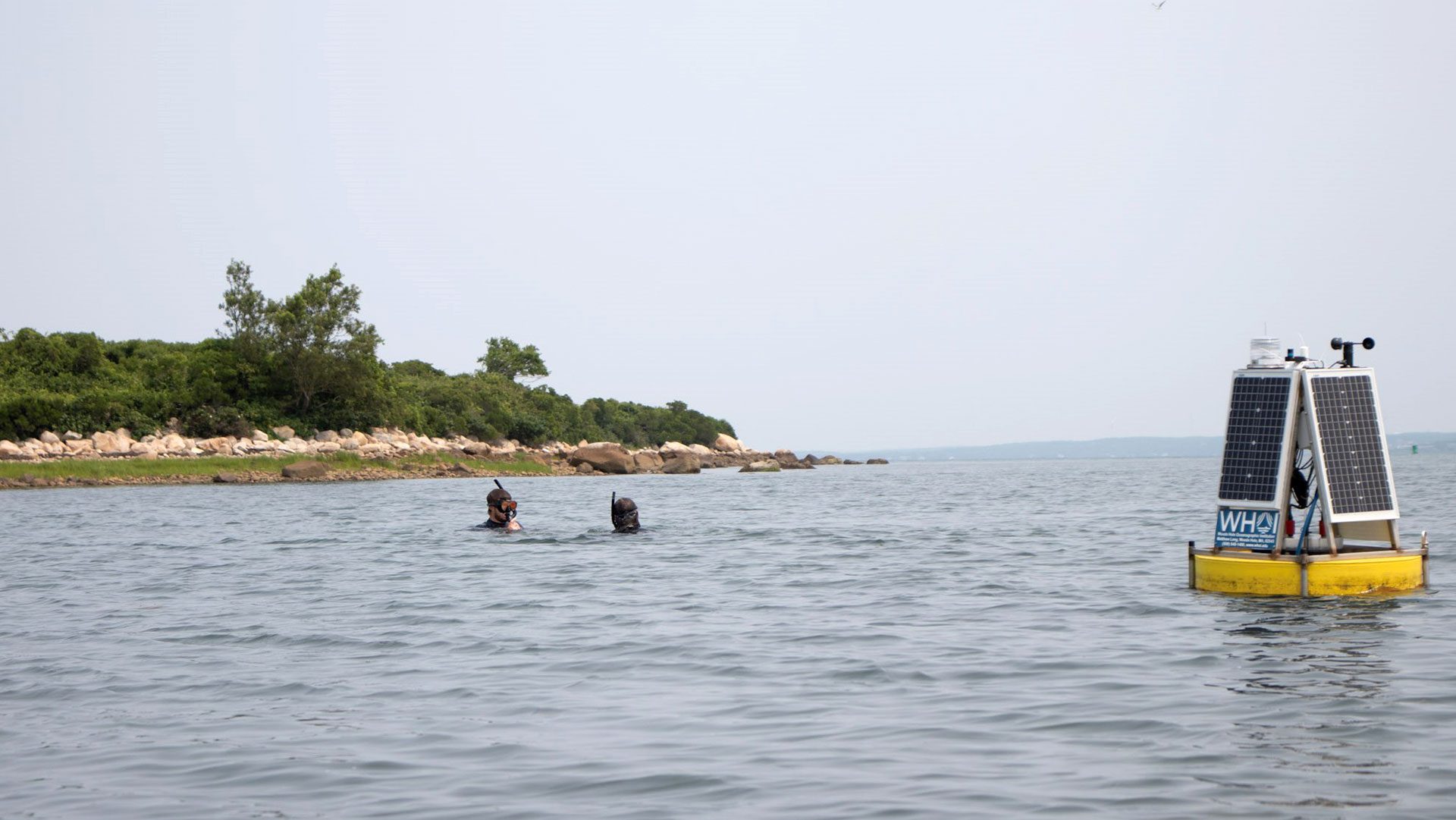
The Bay Is a harbinger for estuaries worldwide, say researchers
Read MoreResilient Woods Hole releases new, interactive tools to prepare for climate change
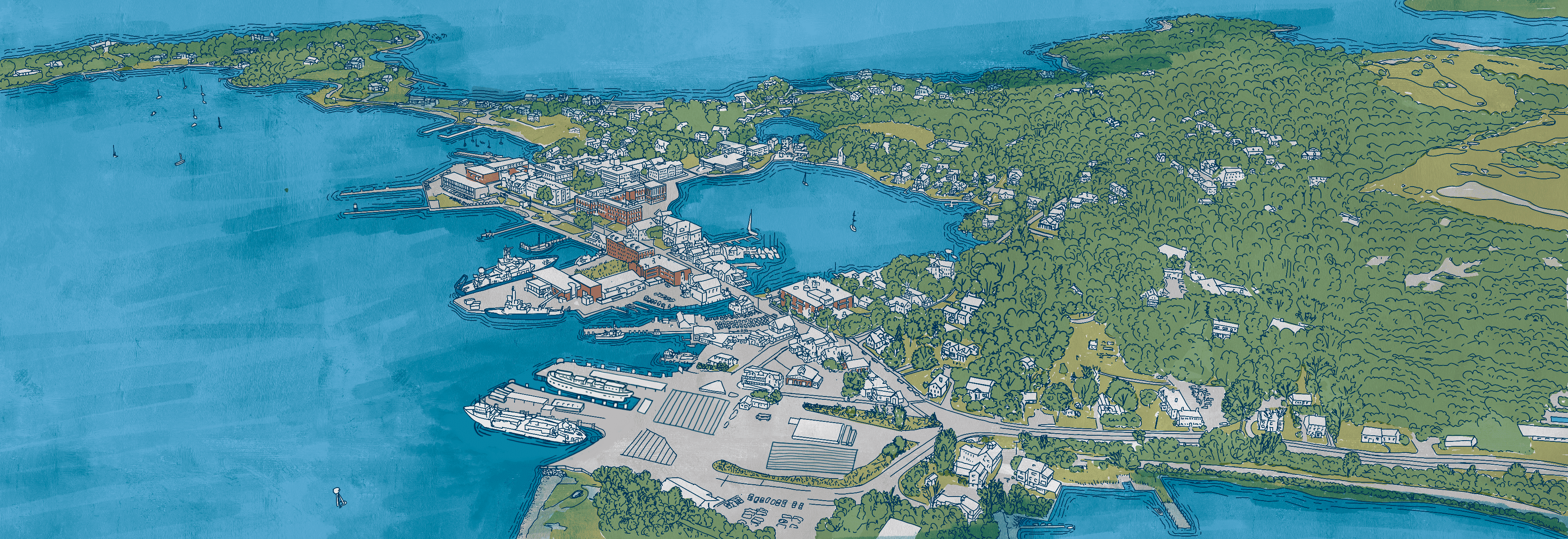
ResilientWoodsHole (RWH) initiative releases new interactive website tools to further engage the local community in its collective goal of securing a climate-resilient future for the coastal village of Woods Hole
Read MoreWoods Hole Oceanographic Institution selected as finalist for Governors Island Climate Solutions Center
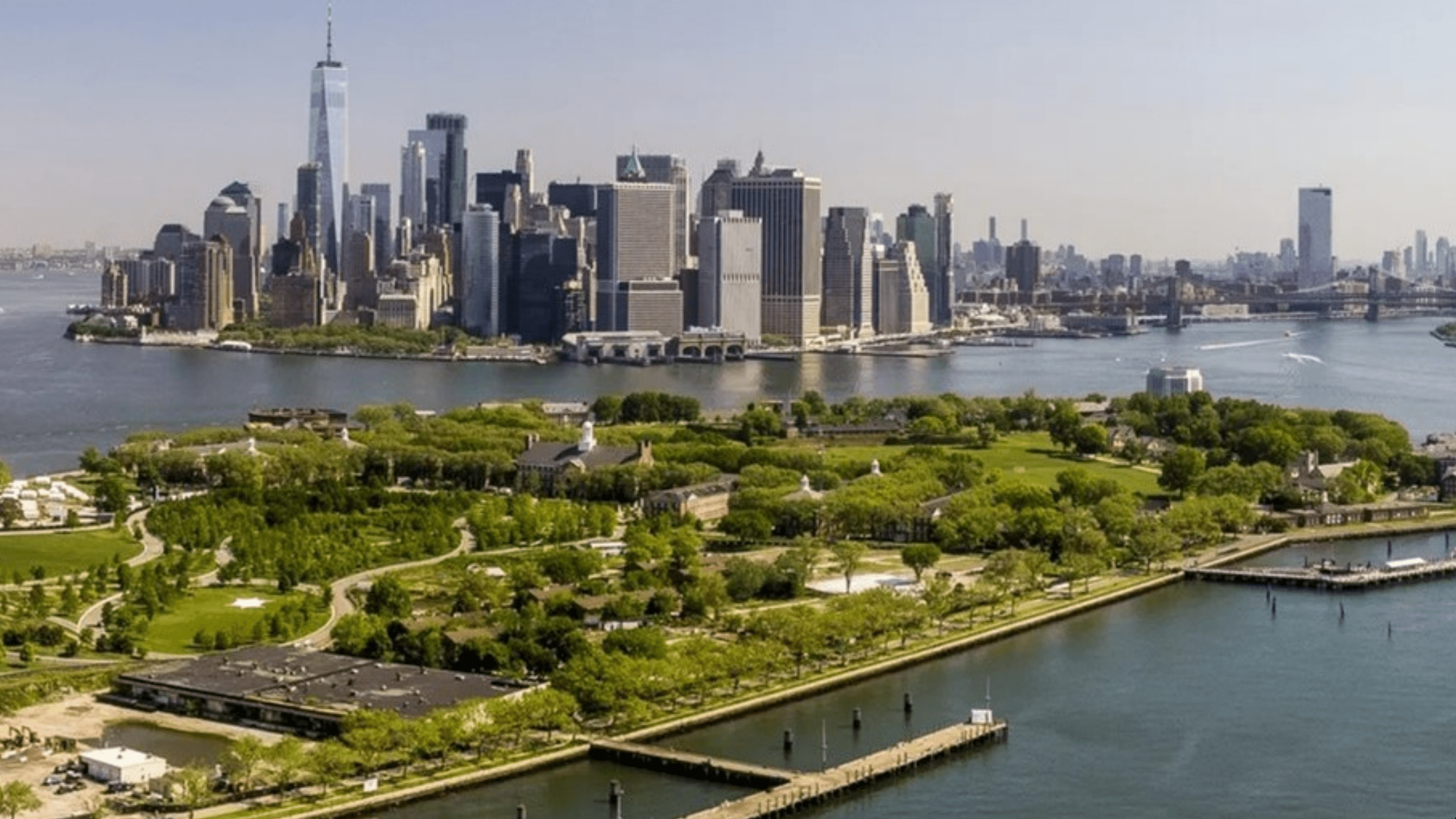
Woods Hole Oceanographic Institution (WHOI, a global leader in ocean research and exploration, is partnering with two teams selected as finalists in the development of the new Governors Island Climate Solutions Center in New York City. The announcement was recently made by former New York City Mayor Bill de Blasio and The Trust for Governors Island.
Read MoreClimate Change Can Destabilize the Global Soil Carbon Reservoir, New Study Finds
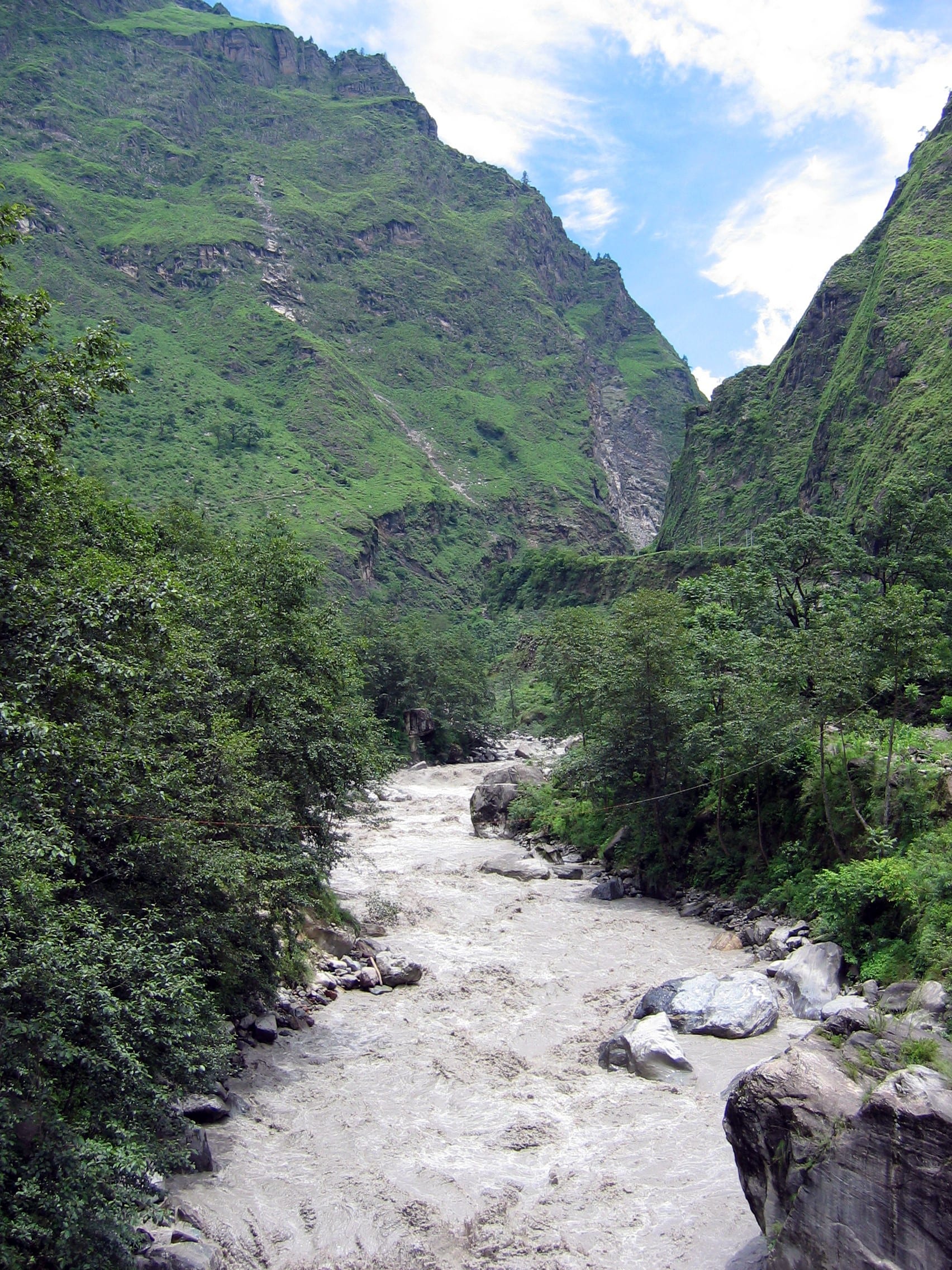
The vast reservoir of carbon that is stored in soils probably is more sensitive to destabilization from climate change than has previously been assumed, according to a new study by…
Read MoreStudy reconstructs ancient storms to predict changes in a cyclone hotspot
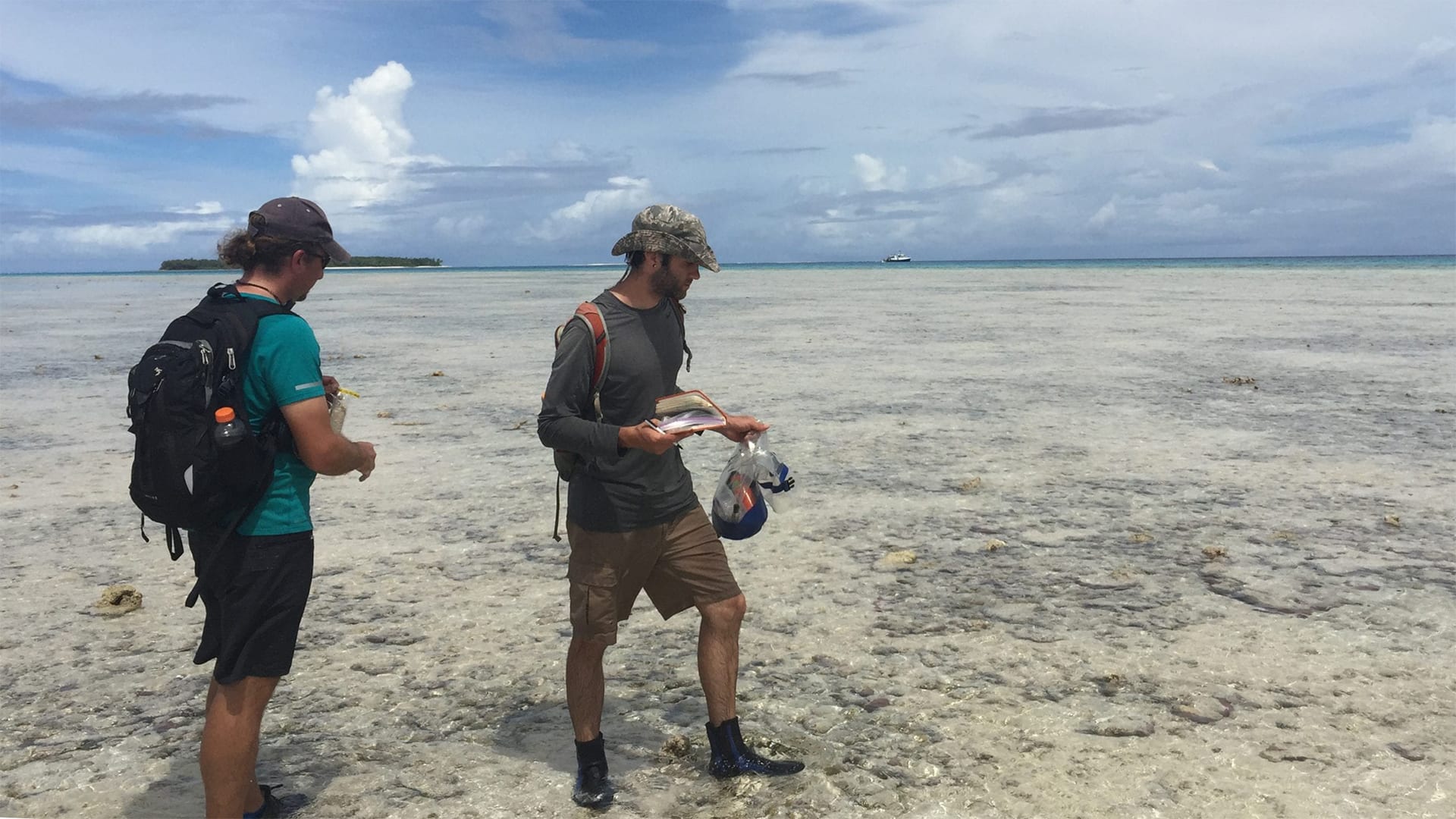
Intense tropical cyclones are expected to become more frequent as climate change increases temperatures in the Pacific Ocean. But not every area will experience storms of the same magnitude
Read MoreWHOI Scientists Make Woods Hole Film Festival Appearance
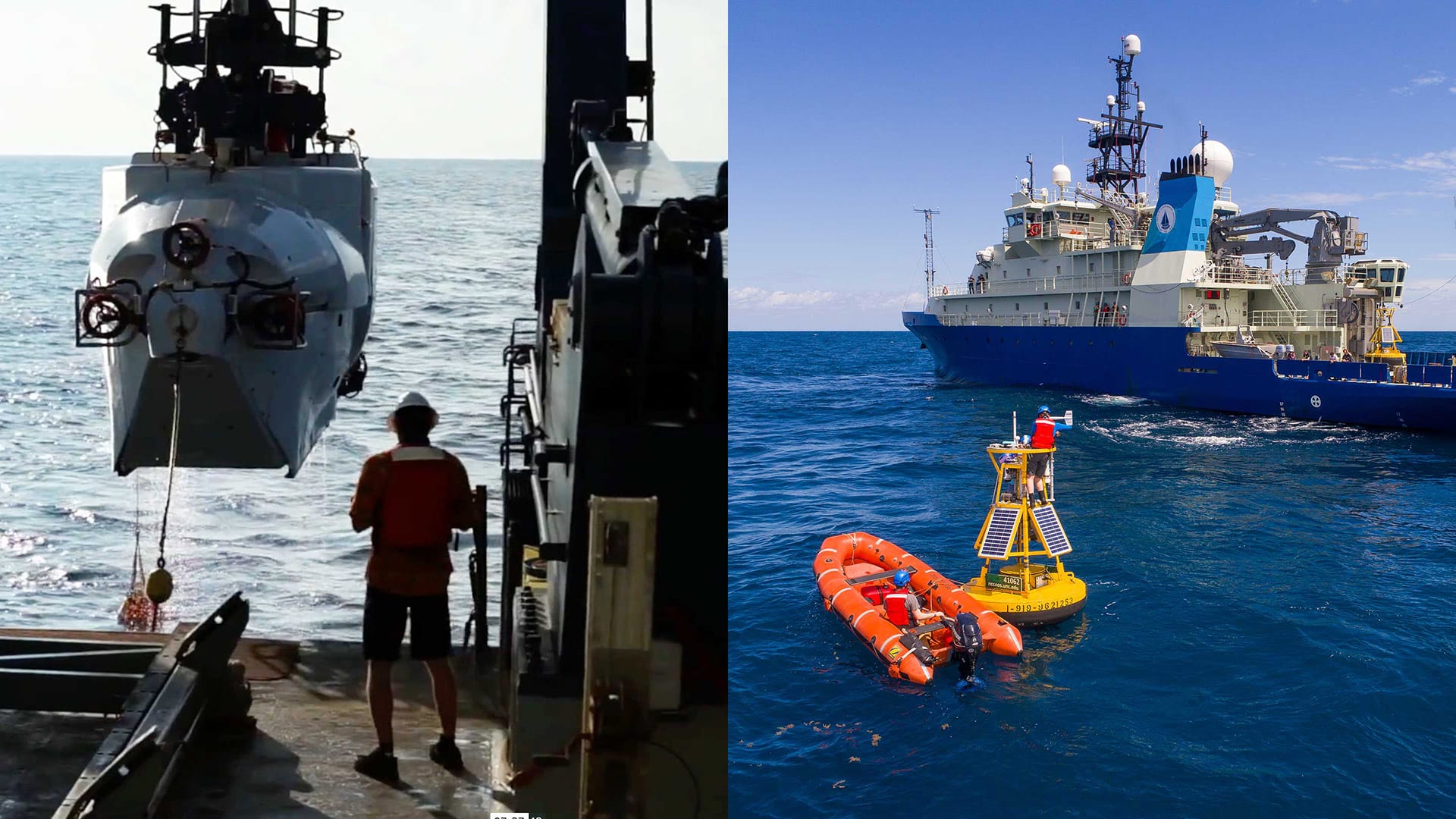
Woods Hole Oceanographic Institution (WHOI) scientists appear in two shorts and a feature film at this year’s Woods Hole Film Festival (WHFF). In addition, scientists will also participate in Q&A…
Read MoreA rapidly changing Arctic
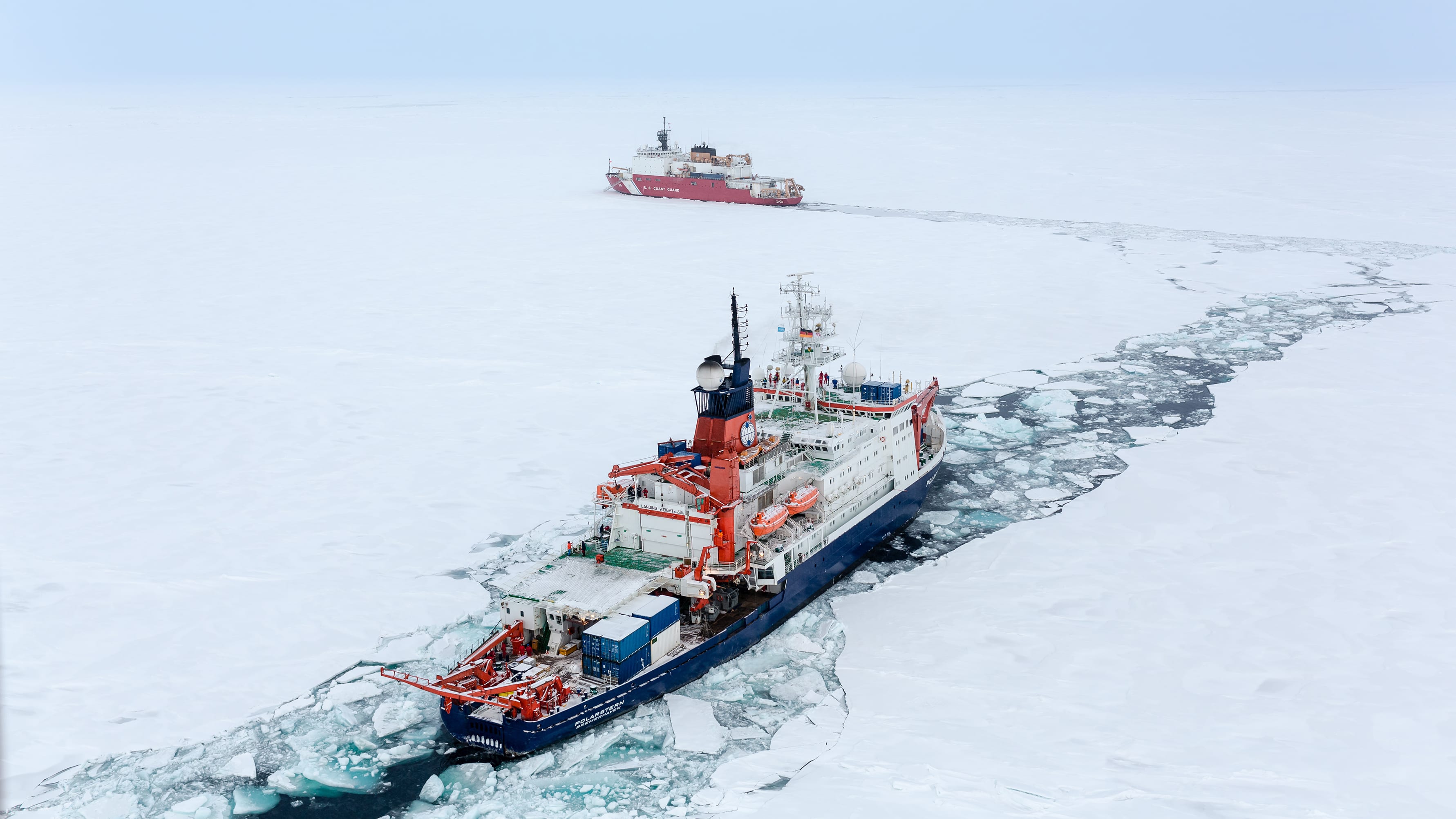
A new study by researchers at Woods Hole Oceanographic Institution (WHOI) and their international colleagues found that freshwater runoff from rivers and continental shelf sediments are bringing significant quantities of carbon and trace elements into parts of the Arctic Ocean via the Transpolar Drift—a major surface current that moves water from Siberia across the North Pole to the North Atlantic Ocean.
Read MoreStudy reveals rapid sea-level rise along U.S. Atlantic coast in 18th century
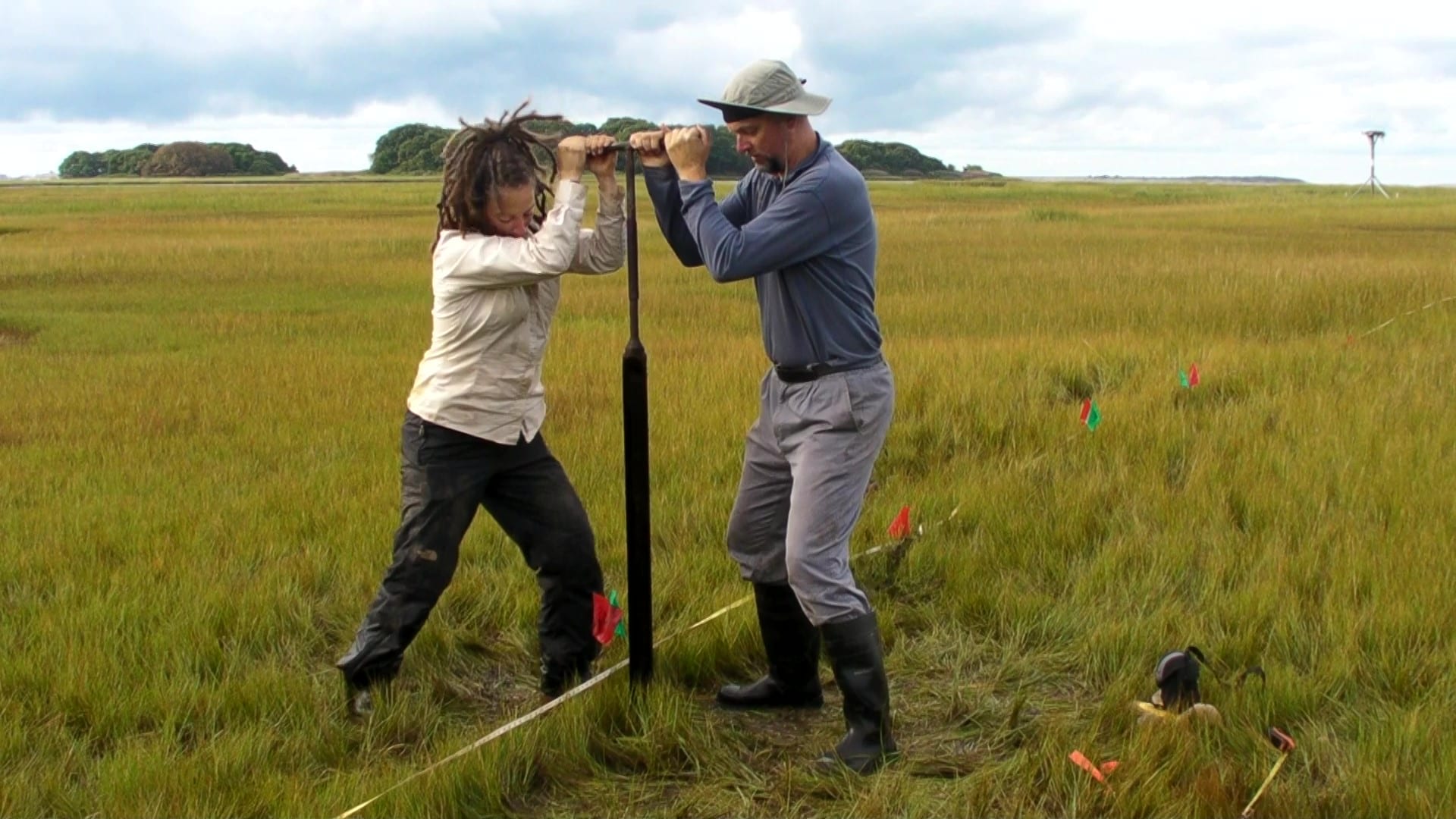
During the 18th century, sea levels along a stretch of the Atlantic coast of North America were rising almost as fast as they were during the 20th Century, reveals a new study.
Read MoreStudy reveals Missoula Floods impact on past abrupt climate changes
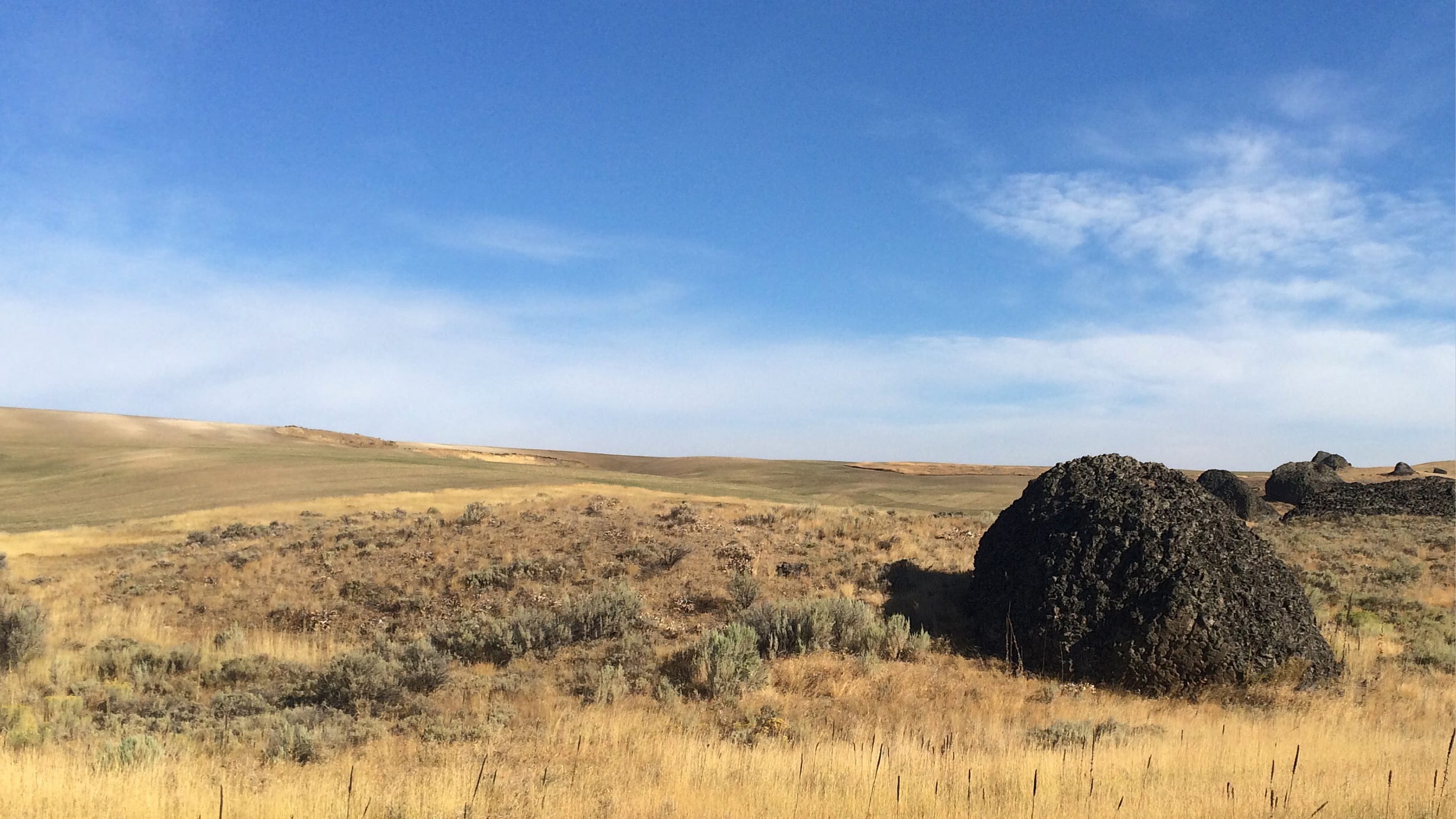
A new study shows for the first time how massive flood events in the eastern North Pacific Ocean—known as the Missoula Floods—may have in part triggered abrupt climate changes in the Northern Hemisphere during the last deglaciation (approximately 19,000–11,700 years ago).
Read MoreFor now, river deltas gain land worldwide
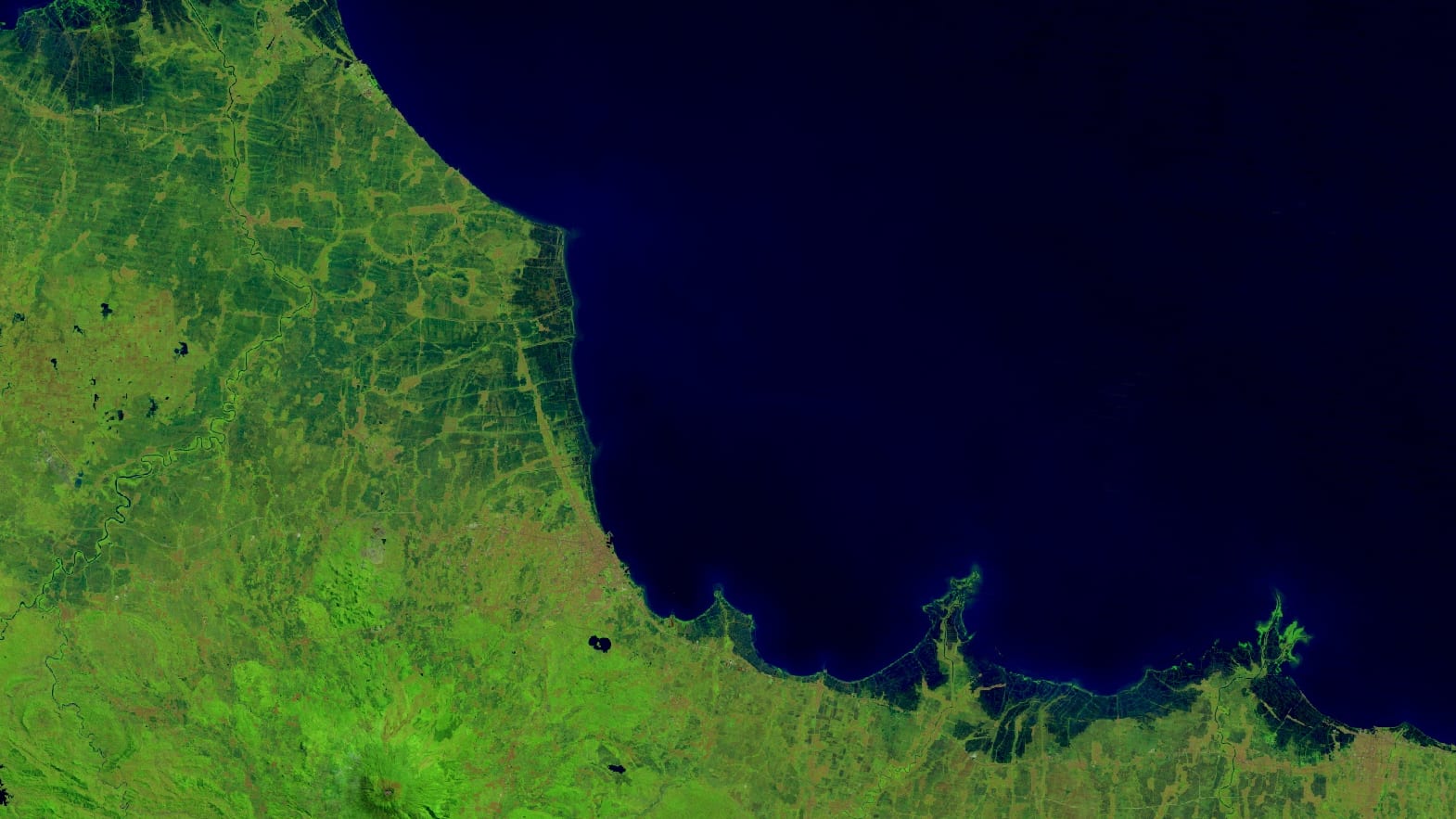
Delta areas worldwide have gained land in the past 30 years, despite river damming. However, recent land gains are unlikely to last throughout the 21st century due to expected, accelerated sea-level rise.
Read MoreStudy Finds No Direct Link Between North Atlantic Ocean Currents, Sea Level Along New England Coast
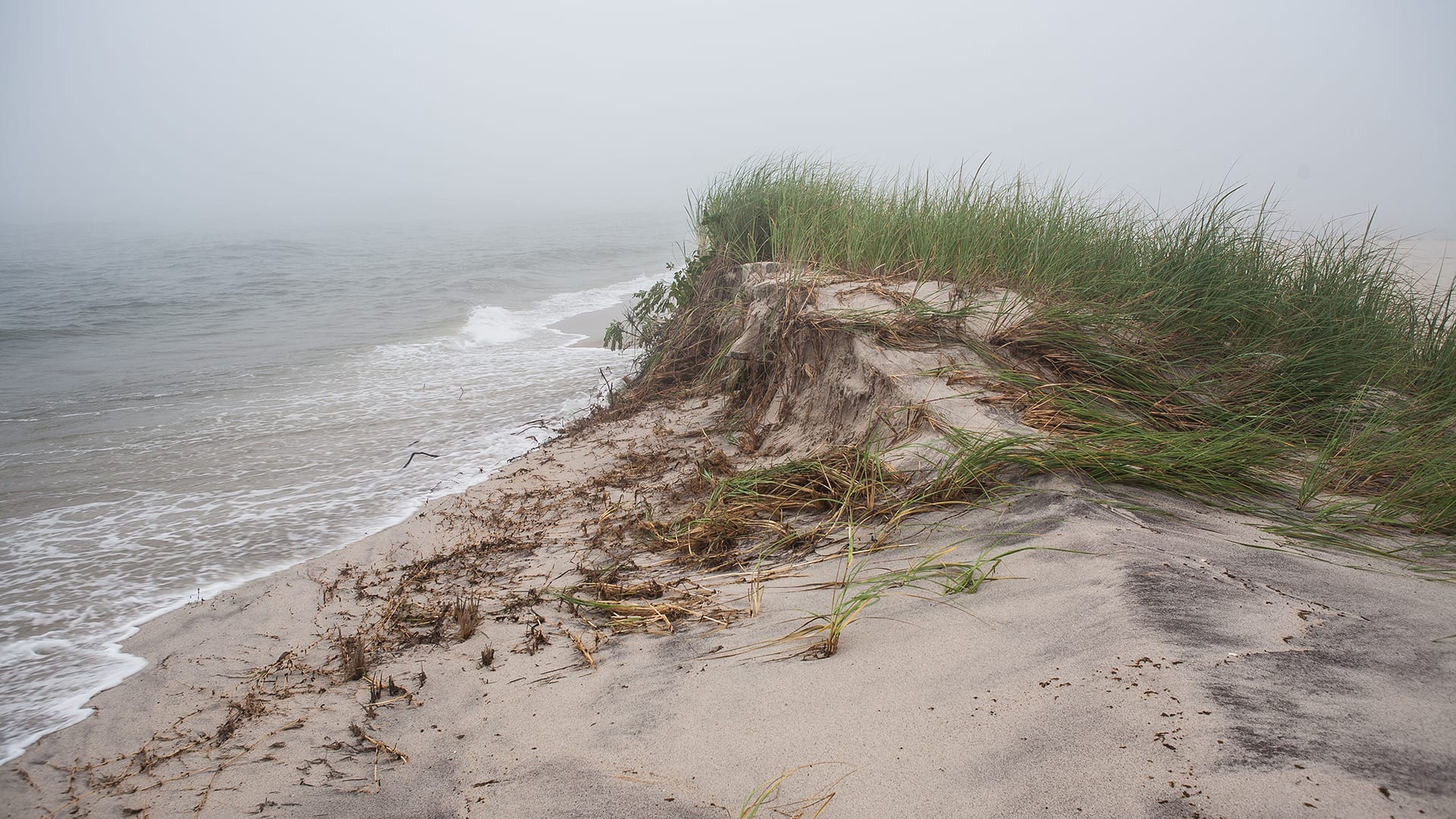
A new study by the Woods Hole Oceanographic Institution (WHOI) clarifies what influence major currents in the North Atlantic have on sea level along the northeastern United States. The study, published June 13 in the journal Geophysical Research Letters, examined both the strength of the Atlantic Meridional Overturning Circulation (AMOC)—a conveyor belt of currents that move warmer waters north and cooler waters south in the Atlantic—and historical records of sea level in coastal New England.
Read MoreOrganic Carbon Hides in Sediments, Keeping Oxygen in Atmosphere
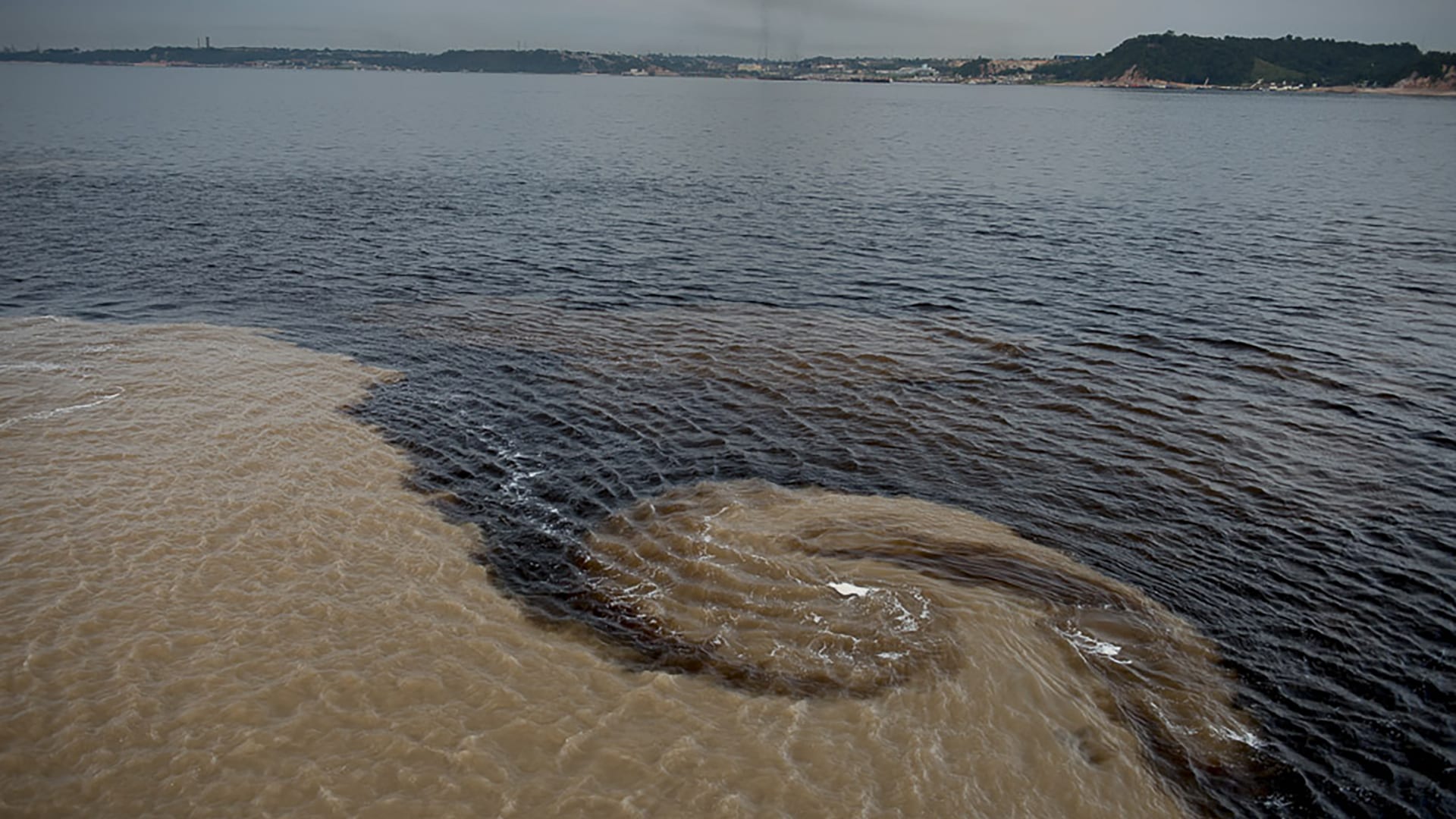
A new study from researchers at the Woods Hole Oceanographic Institution (WHOI) and Harvard University may help settle a long-standing question—how small amounts of organic carbon become locked away in…
Read MoreNOAA Names Woods Hole Oceanographic Institution to Host Cooperative Institute
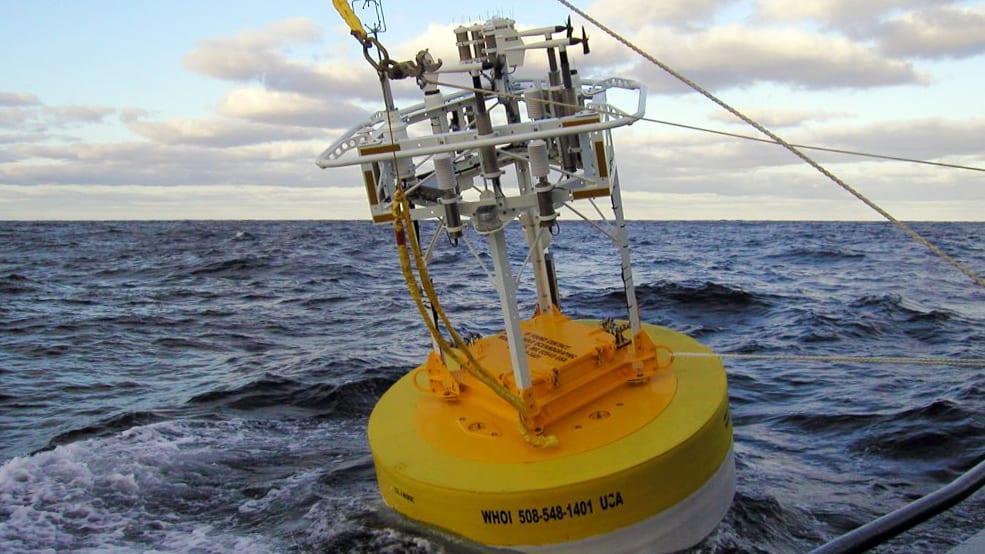
The National Oceanic and Atmospheric Administration (NOAA) selected Woods Hole Oceanographic Institution (WHOI) to host NOAA’s Cooperative Institute for the North Atlantic Region (CINAR). Cooperative Institutes are NOAA-supported, non-federal organizations…
Read MoreWhy Is Sea Level Rising Faster in Some Places Along the U.S. East Coast Than Others?
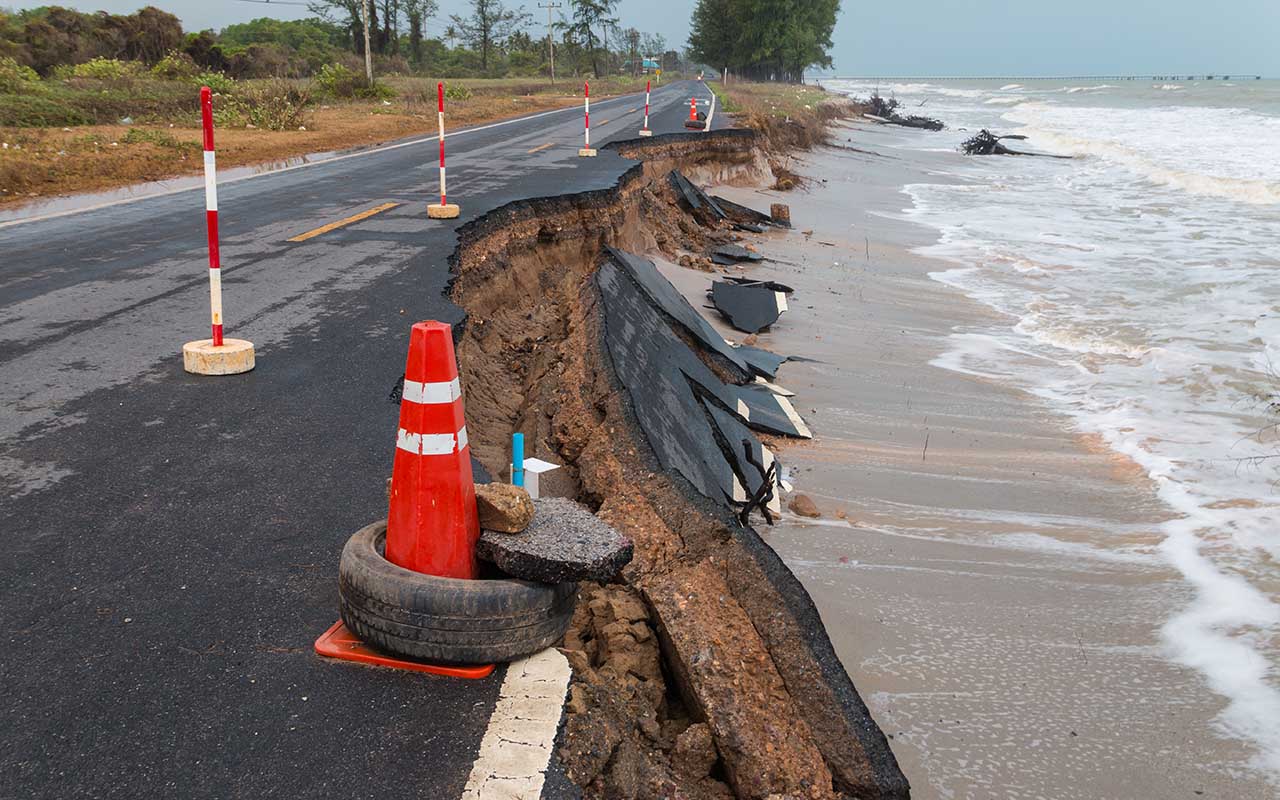
Sea levels are rising globally from ocean warming and melting of land ice, but the seas aren’t rising at the same rate everywhere. Sea levels have risen significantly higher in some U.S. East Coast regions compared to others. A new study led by the Woods Hole Oceanographic Institution (WHOI) reveals why.
Read MoreClimate Change Likely Caused Migration, Demise of Ancient Indus Valley Civilization
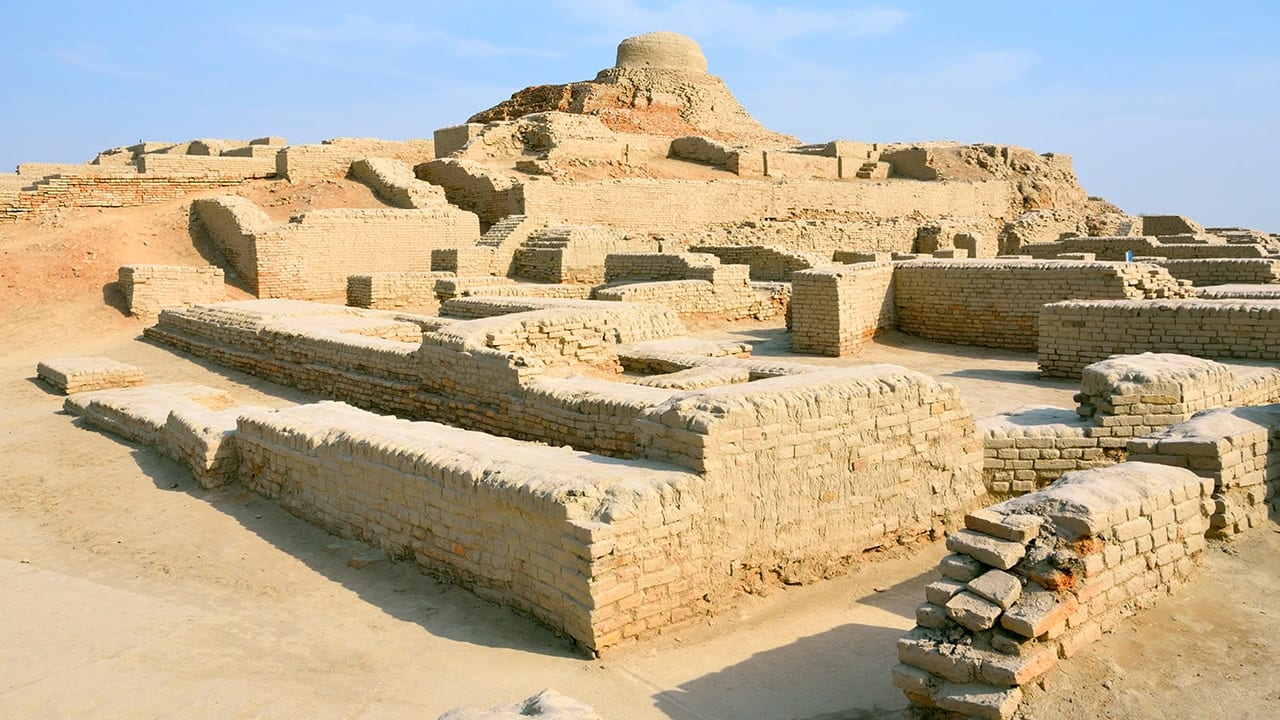
More than 4,000 years ago, the Harappa culture thrived in the Indus River Valley of what is now modern Pakistan and northwestern India, where they built sophisticated cities, invented sewage systems that predated ancient Rome’s, and engaged in long-distance trade with settlements in Mesopotamia. Yet by 1800 BCE, this advanced culture had abandoned their cities, moving instead to smaller villages in the Himalayan foothills. A new study from the Woods Hole Oceanographic Institution (WHOI) found evidence that climate change likely drove the Harappans to resettle far away from the floodplains of the Indus.
Read MoreStudy Finds Link Between River Outflow and Coastal Sea Level
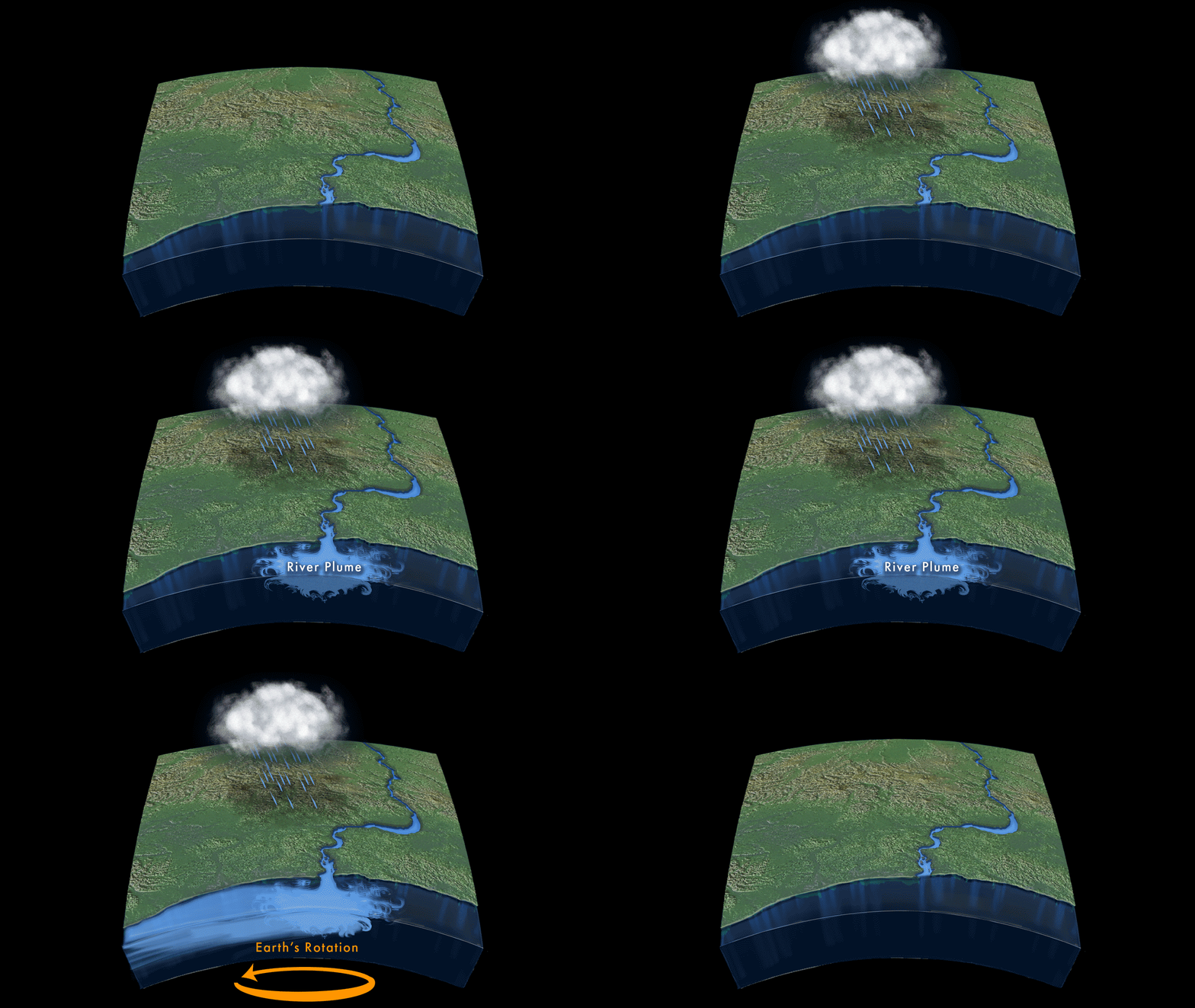
Sea levels in coastal areas can be affected by a number of factors: tides, winds, waves, and even barometric pressure all play a role in the ebb and flow of the ocean. For the first time, however, a new study led by the Woods Hole Oceanographic Institution (WHOI) has shown that river outflow could play a role in sea level change as well.
Read MoreGeologic History of Ayeyawady River Delta Mapped for the First Time
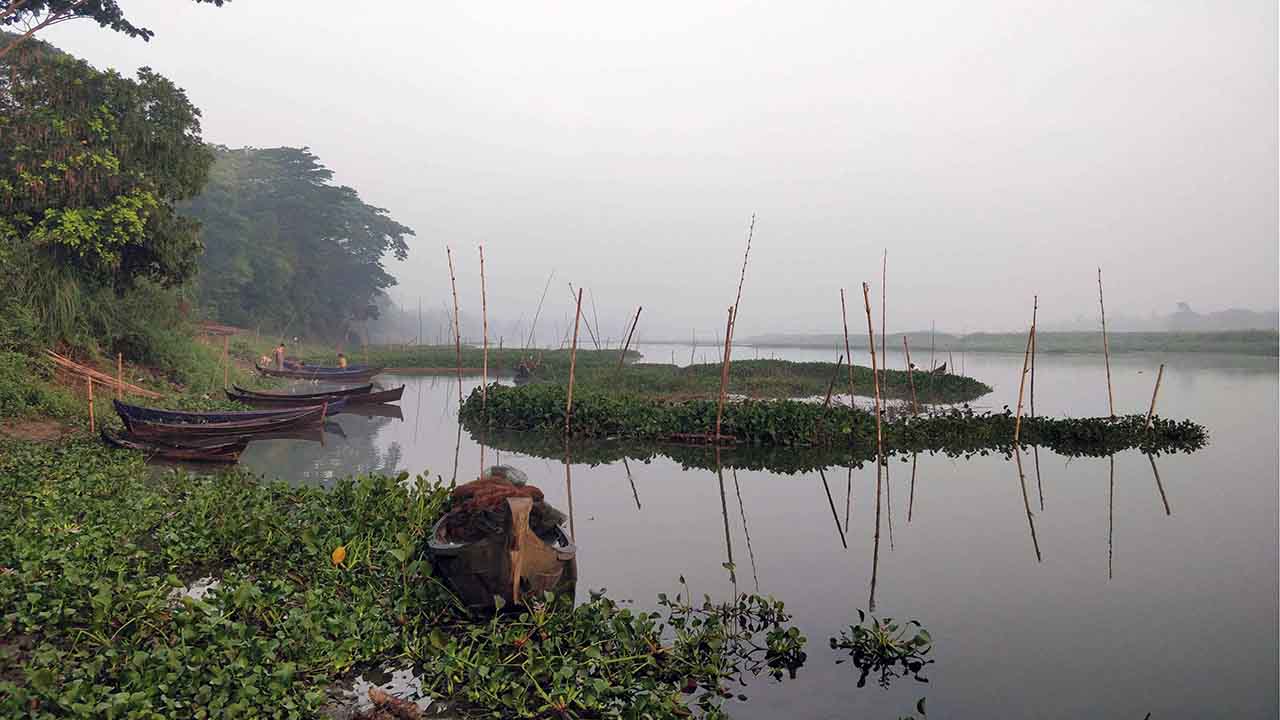
The Ayeyawady River delta in Myanmar is home to millions of people, and is a hub of agricultural activity. Unlike other large rivers across the world, however, the Ayeyawady has been relatively untouched by large infrastructure and dam projects for the past 50 years, and its geologic evolution has never previously been studied.
Read MoreSunlight Reduces Effectiveness of Dispersants Used in Oil Spills
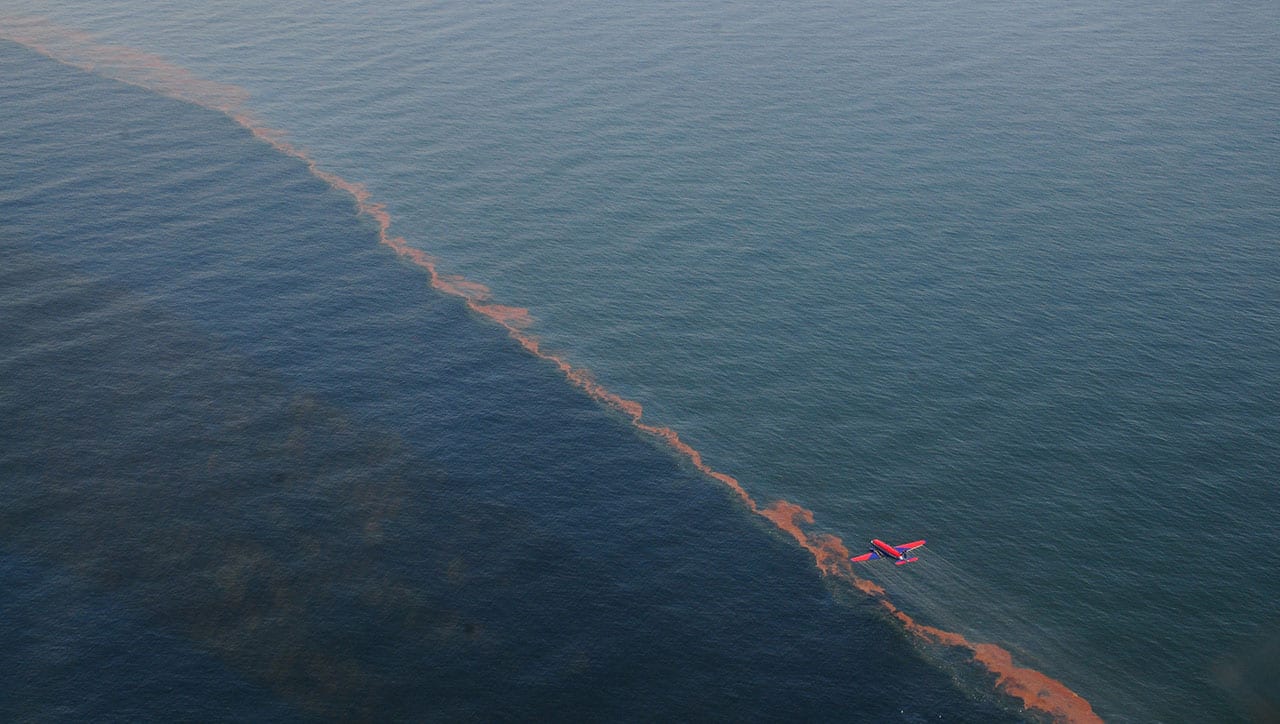
A research team led by Woods Hole Oceanographic Institution (WHOI) found that sunlight chemically alters crude oil floating on the sea surface within hours or days. In a follow-up study the team reported that sunlight changes oil into different compounds that dispersants cannot easily break up. The results of these two studies could affect how responders decide when, where, and how to use dispersants.
Read MoreMountain Erosion May Add Carbon Dioxide to Atmosphere
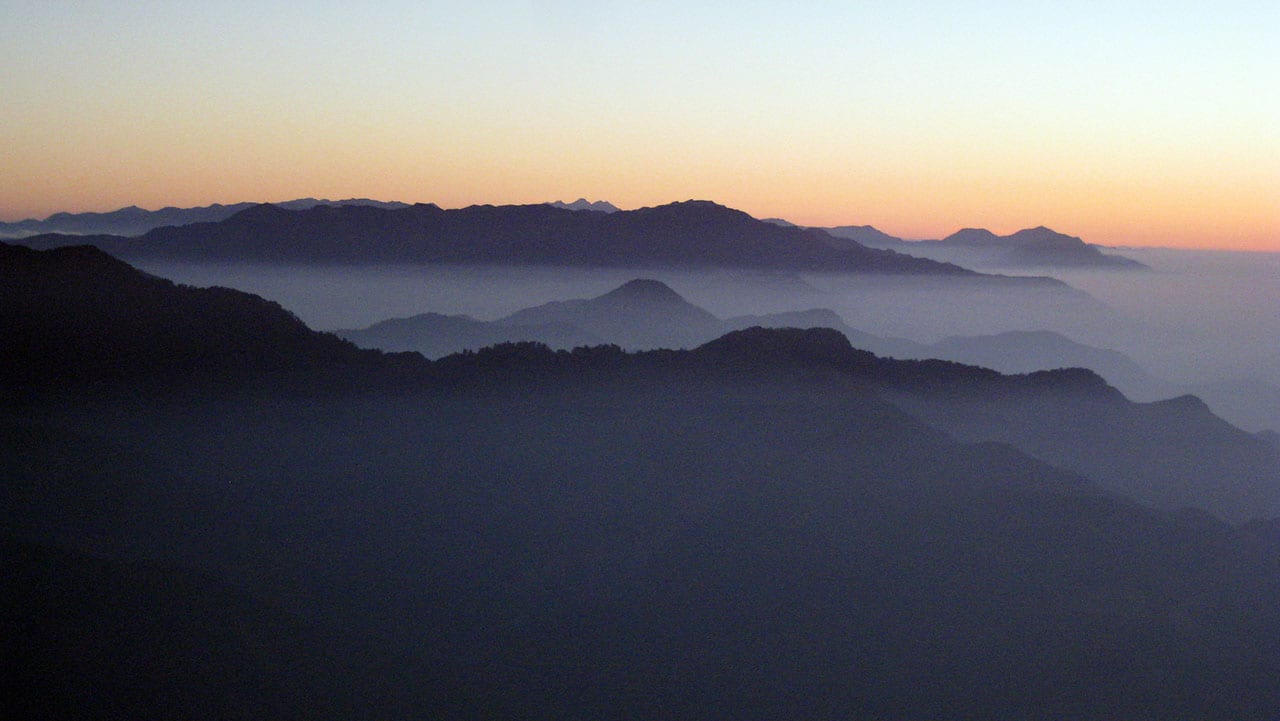
Scientists have long known that steep mountain ranges can draw carbon dioxide (CO2) out of the atmosphere as erosion exposes new rock, it also starts a chemical reaction between minerals on hill slopes and CO2 in the air, weathering the rock and using CO2 to produce carbonate minerals like calcite.
Read MoreHuman-Engineered Changes on Mississippi River Increased Extreme Floods
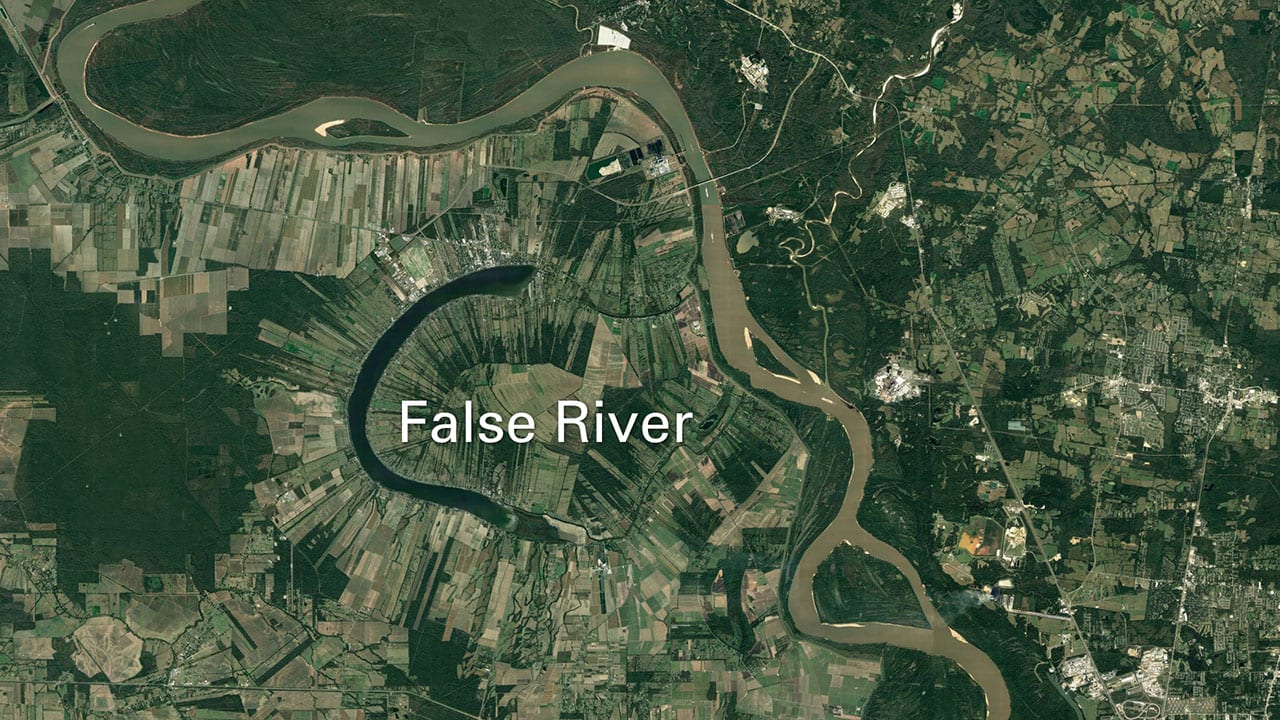
Over the last century, many of the world’s major rivers have been modified for the purposes of flood control, power generation, and commercial navigation. A new study out of Woods Hole Oceanographic Institution suggests that engineering modifications to the Mississippi River interact with the have increased the risk of extreme floods to unprecedented levels.
Read More