
In this section
Ocean Topics
- Climate & Weather
- How the Ocean Works
- Ocean & Human Lives
- Ocean Life
- Sustainable Ocean
- Ocean Tech

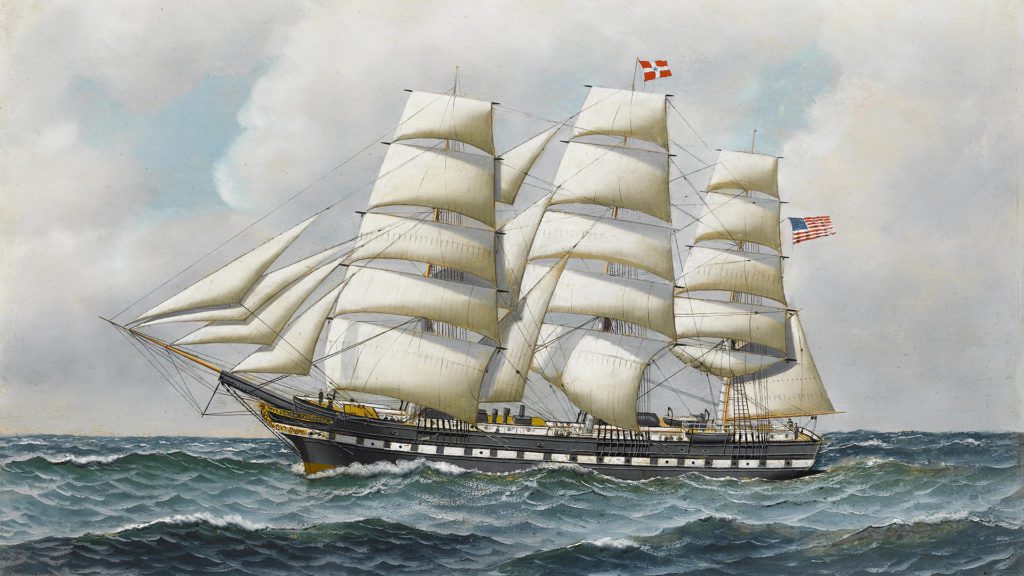
An example of a square-rigged tall ship that could be literally taken aback. "The American full-rigger Jeremiah Thompson' at sea," Antonio Jacobsen, 1910.
Ocean culture and history explore the many ways people have interacted with the sea over time. From ancient maritime traditions and early navigation to modern ocean exploration and conservation, the ocean has long influenced human societies, economies, and worldviews. Today, that relationship continues through scientific discovery, engineering innovation, and a growing understanding of the ocean's role in sustaining life on Earth.
The ocean is woven into language, literature, and belief systems. It also highlights the a variety of communities that have lived with, worked on, and studied the ocean - bringing forward voices from the past and present that help shape the vision of the future. Cultural reflections and creative expression reveal how people connect with the sea on an emotional and intellectual level, while scientific milestones track the evolving ways we observe and interact with the ocean.
The stories covered in this section examine the ocean's impact on human health, the environment, and global change. They address issues like pollution, climate-driven coastal shifts, and how technology and data can help monitor and protect ocean systems. They also shine a light on the individuals-past and present-who have advanced our understanding of the ocean and its role in human life.



Articles Related to Ocean Culture & History
From Oceanus Magazine
Healing on the High Seas
Music for the Ocean
Breakthroughs below the surface
An Oceanographer’s Atlas
A cozy crusade
5 WHOI women making waves in ocean science and engineering
Five idioms for ocean lovers
Accessible Oceans
Diverse Voices From Our Maritime Past
Five books WHOI researchers are reading right now
On the high seas
To sail, not to drift
Looking into the Future
News Releases
WHOI discovers the oldest known whale recordings, dating to 1949
USS Arizona provides blueprint for addressing oil leakage at thousands of WWII shipwrecks
A new look at an old pollutant
Forty years after the Titanic discovery, WHOI continues to advance ocean research and exploration
Research almost two decades in the making: What can cicadas tell us about the Earth’s metals?
Proposed Wastewater Release into Cape Cod Bay Likely to Remain in Bay for at Least One Month, Study Finds
Multi-disciplinary teams respond to recent hurricanes to measure real time impacts of storm surge, waves
WHOI Scientists Discover Fastest Degrading Bioplastic in Seawater
New harmful algal blooms report
News & Insights
What happens to natural gas in the ocean?
WHOI-assisted study finds ocean dumping of DDT waste was “sloppy”
Examining Connections Between the Ocean and Human Health
How Long Does Plastic Persist in the Ocean?
The many lifetimes of plastics
Forged in fire: WHOI recalls the Deepwater Horizon crisis
Summer’s coming: Will Cape Cod beaches be safe?
Fifty years later, the West Falmouth oil spill yields lasting contributions to remediation efforts
Rapid Response at Sea
Putting the ‘nuclear coffin’ in perspective
WHOI prepares for 2019 Atlantic Hurricane Season
Hurricane Clues from a Caribbean Blue Hole
WHOI in the News
Microplastics Targeted in Surge of Consumer Greenwashing Suits
It’s the Golden Age for shipwreck discoveries. Why?
Salt pond closed for a second time by red tide toxicity
California’s historic storms continue. Here’s how much scientists say it’s being driven by climate change
A simple way to get microplastics out of your water
It’s not just toxic chemicals. Radioactive waste was also dumped off Los Angeles coast
Paper or plastic? Cape Cod researchers say prototype plastic straw breaks down faster than paper
Some plastic straws degrade faster than others
Winter storm barrage likely to continue
Second storm whacks Vineyard
South-facing beaches hit hard by Monday’s storm
Features
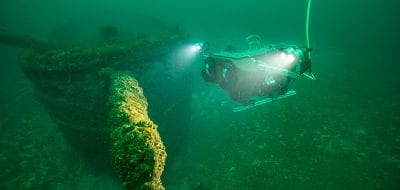
The shallow waters of the Stellwagen Bank create treacherous conditions that change unexpectedly and have led to numerous shipwrecks that…
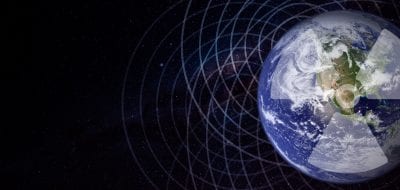
The background level of radiation in oceans and seas varies around the globe. Measured in atomic disintegrations per second (Becquerels)…
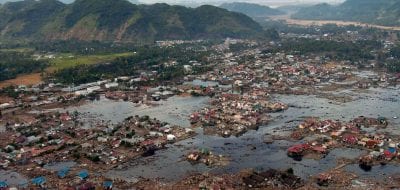
Our ocean planet is dynamic and constantly changing, sometimes resulting in dramatic threats to humans.
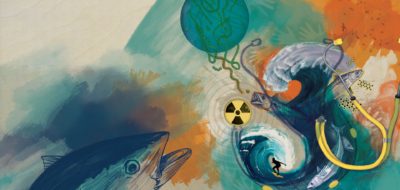
The oceans are critical to human life, and ocean scientists are working to investigate the untapped potential of the sea…
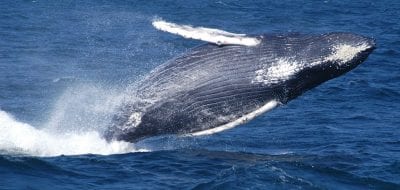
Stellwagen Bank, an underwater plateau off Boston, is a biological hotspot and key fishing ground. It's a prime whale-watching spot…
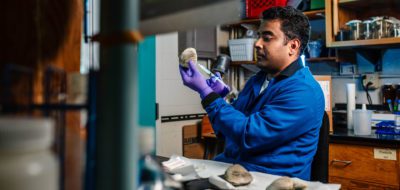
Harmful algal blooms can taint seafood with toxins, causing illness or even death. Learn how blooms affect human health through…
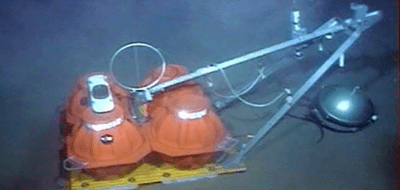
Earthquakes release energy as seismic waves, revealing Earth's interior and helping locate quake sources to understand tectonic processes and earthquake…
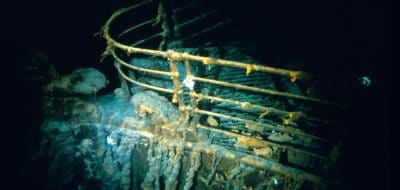
The RMS Titanic was a passenger and mail ship that hit an iceberg on its maiden voyage on April 14,…
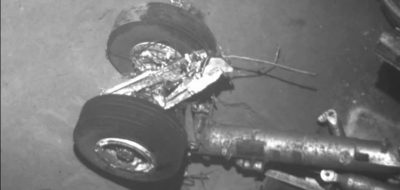
On April 4, 2011, a search team led by the Woods Hole Oceanographic Institution (WHOI) located the wreckage of the…
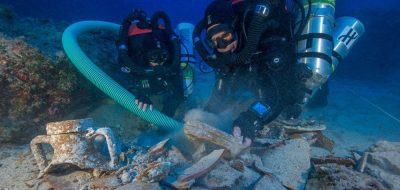
The site of the Antikythera Wreck holds the remains of a Greek trading or cargo ship dating from the First…
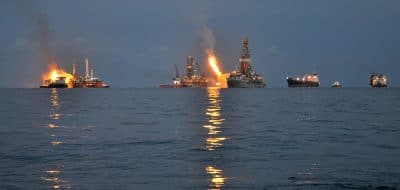
The systematic study of oil in the ocean is relatively new to science, but since the late 1960s it has…
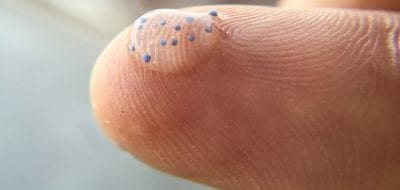
Marine microplastics are small fragments of plastic debris that are less than five millimeters long. Some microplastics, known as primary…
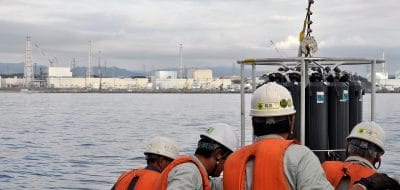
On March 11, 2011, a magnitude 9.0 earthquake 80 miles off the northeast coast of Japan triggered a series of…