
News Releases
Researchers help solve mystery of clockwork-like earthquake system deep beneath the Pacific
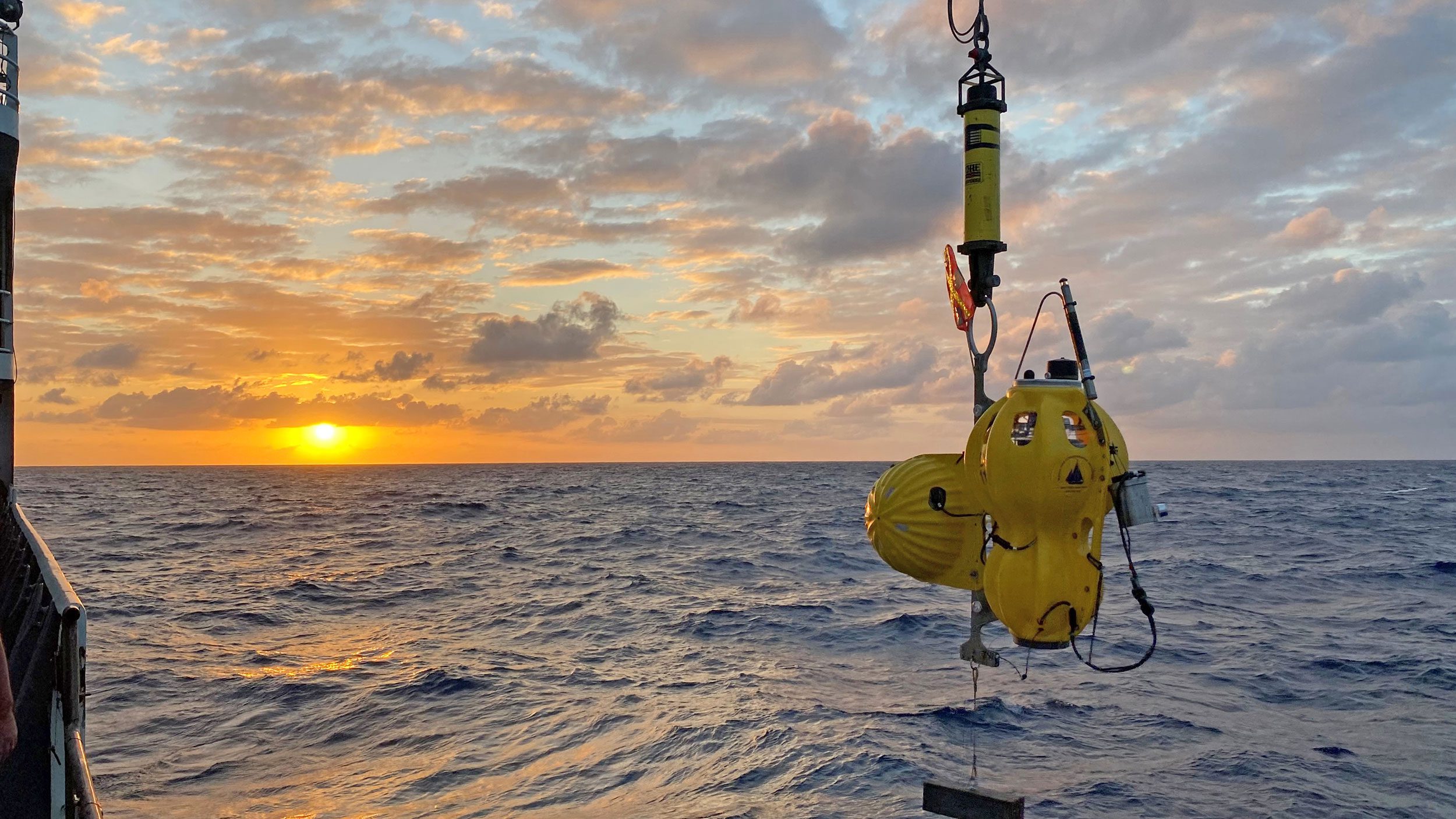
Study of Gofar transform fault on the Pacific seafloor points to mitigating effects of “barrier zones” that keep ruptures from spreading.
Read MoreInternational research team discovers a potential source of abiotic methane in the Arctic Ocean
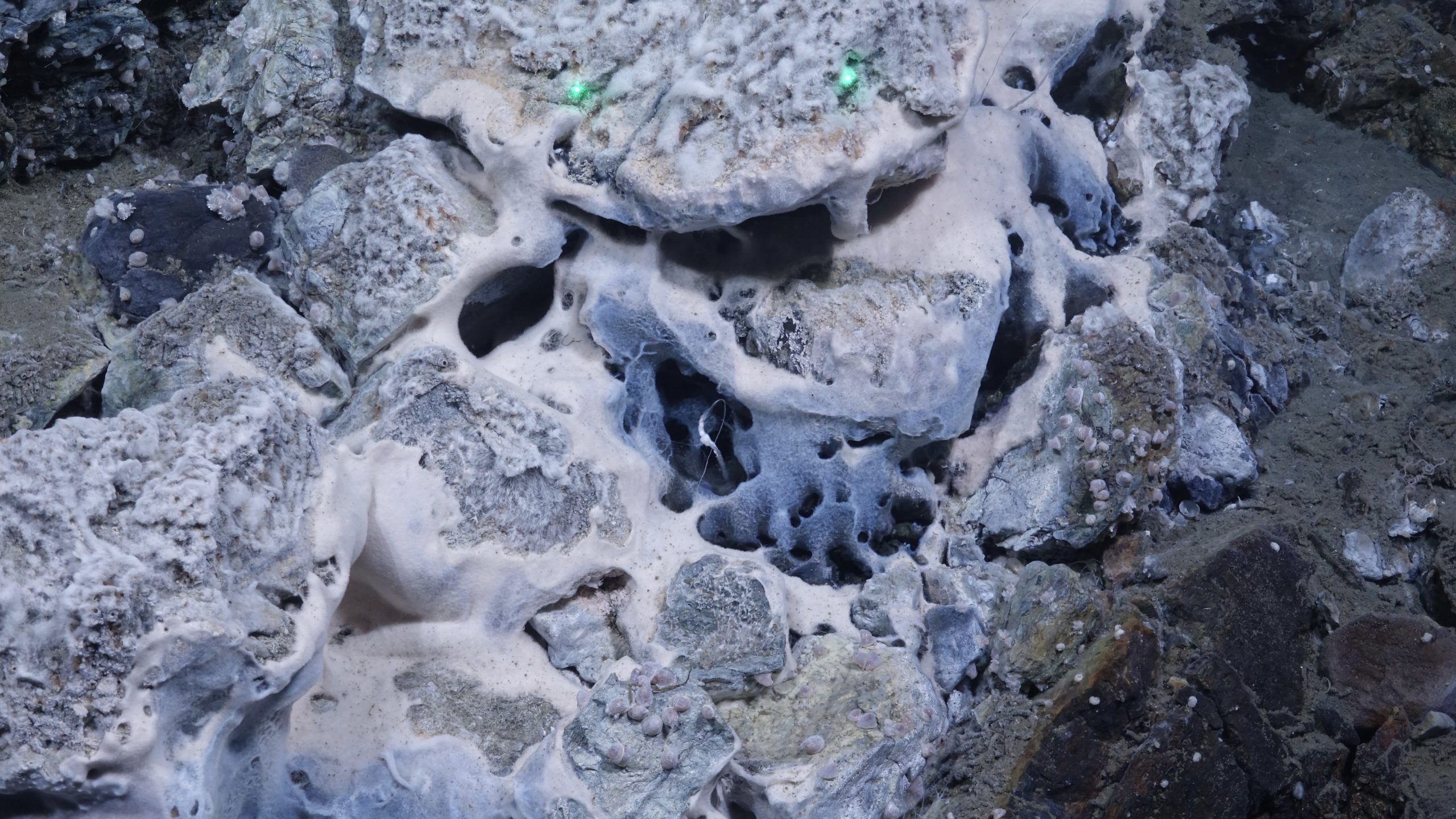
A distinctive oceanic core complex releasing hot fluids has been identified at a depth of 2,700 meters on the Arctic Ocean’s floor.
Read MoreScientists uncover a new way to forecast eruptions at mid-ocean ridges through hydrothermal vent temperatures
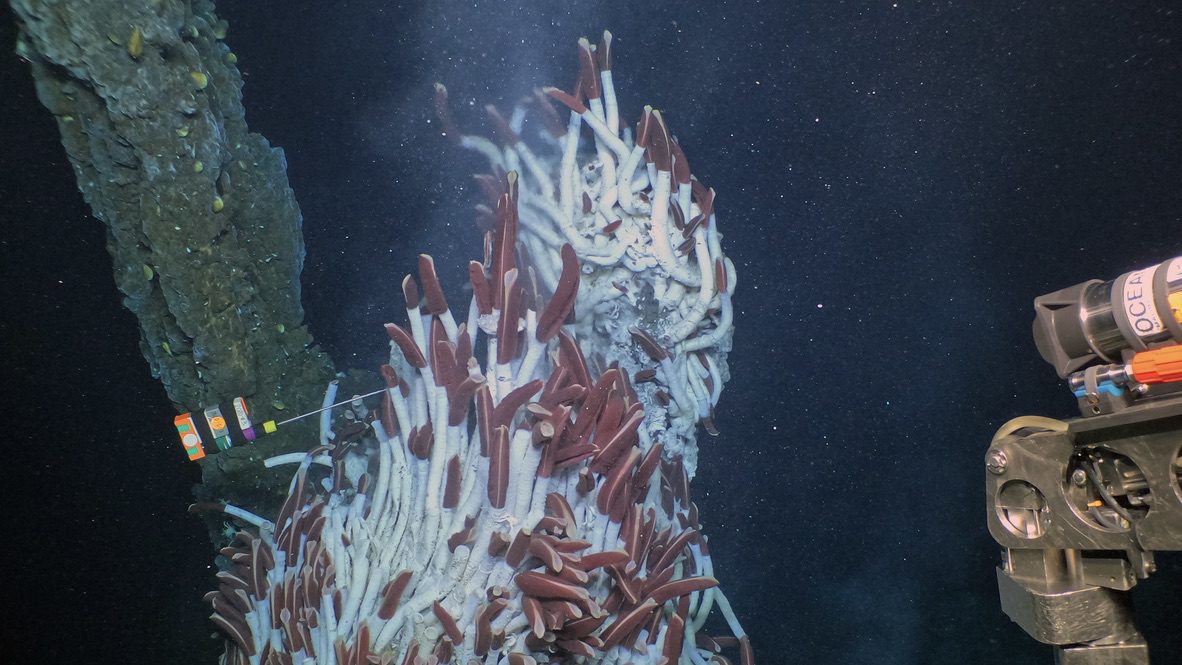
A new study reveals fluctuations in temperature of fluids from hydrothermal vents indicate the effects of magmatic and tectonic processes that occur miles beneath the seafloor.
Read MoreNewly published study reveals diversity of novel hydrothermal vent styles on the Arctic Ocean floor
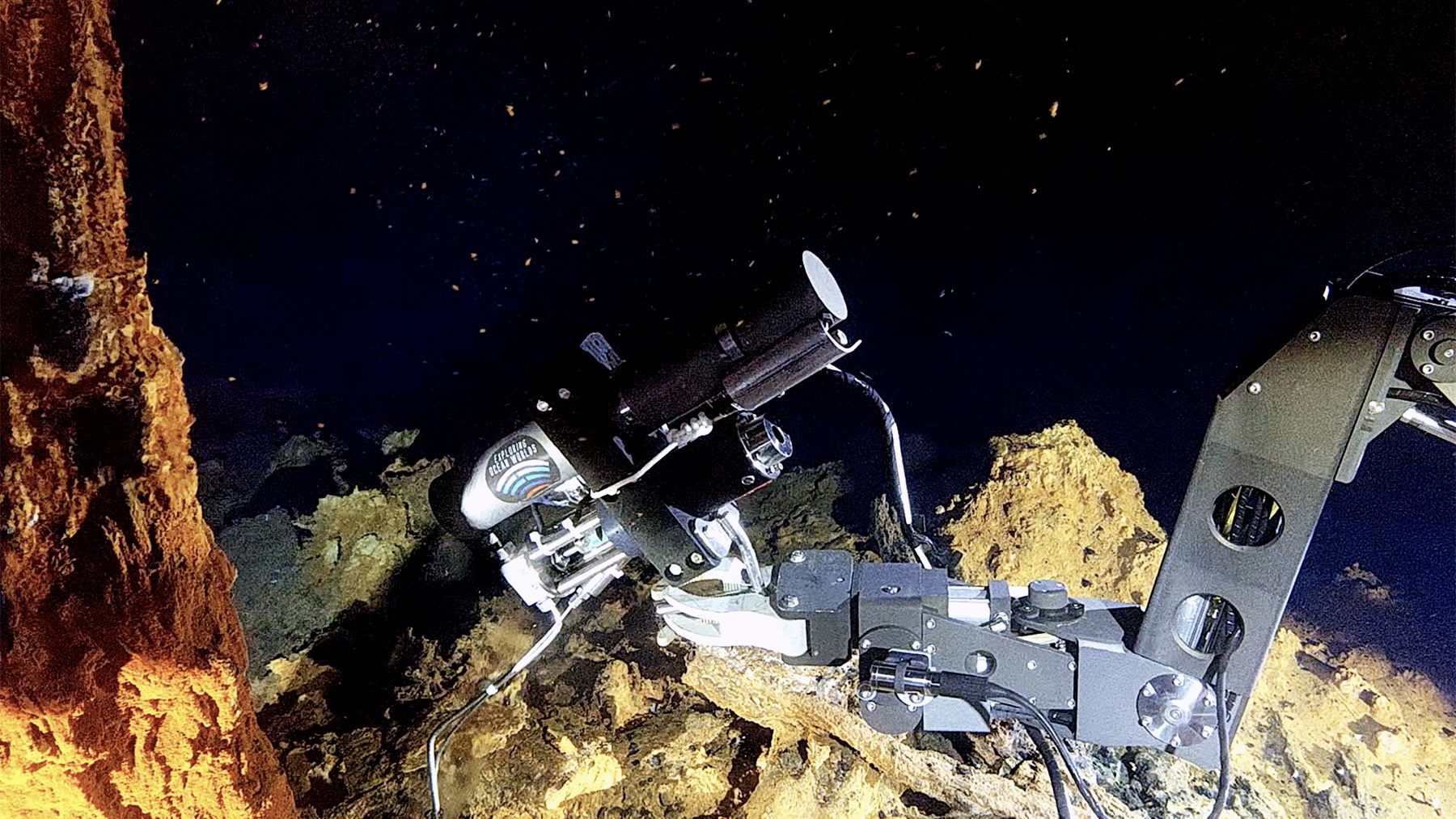
Research offers potential understanding of habitability on ocean worlds in the outer solar system
Read MoreSwimming crustacean eats unlikely food source in the deep ocean
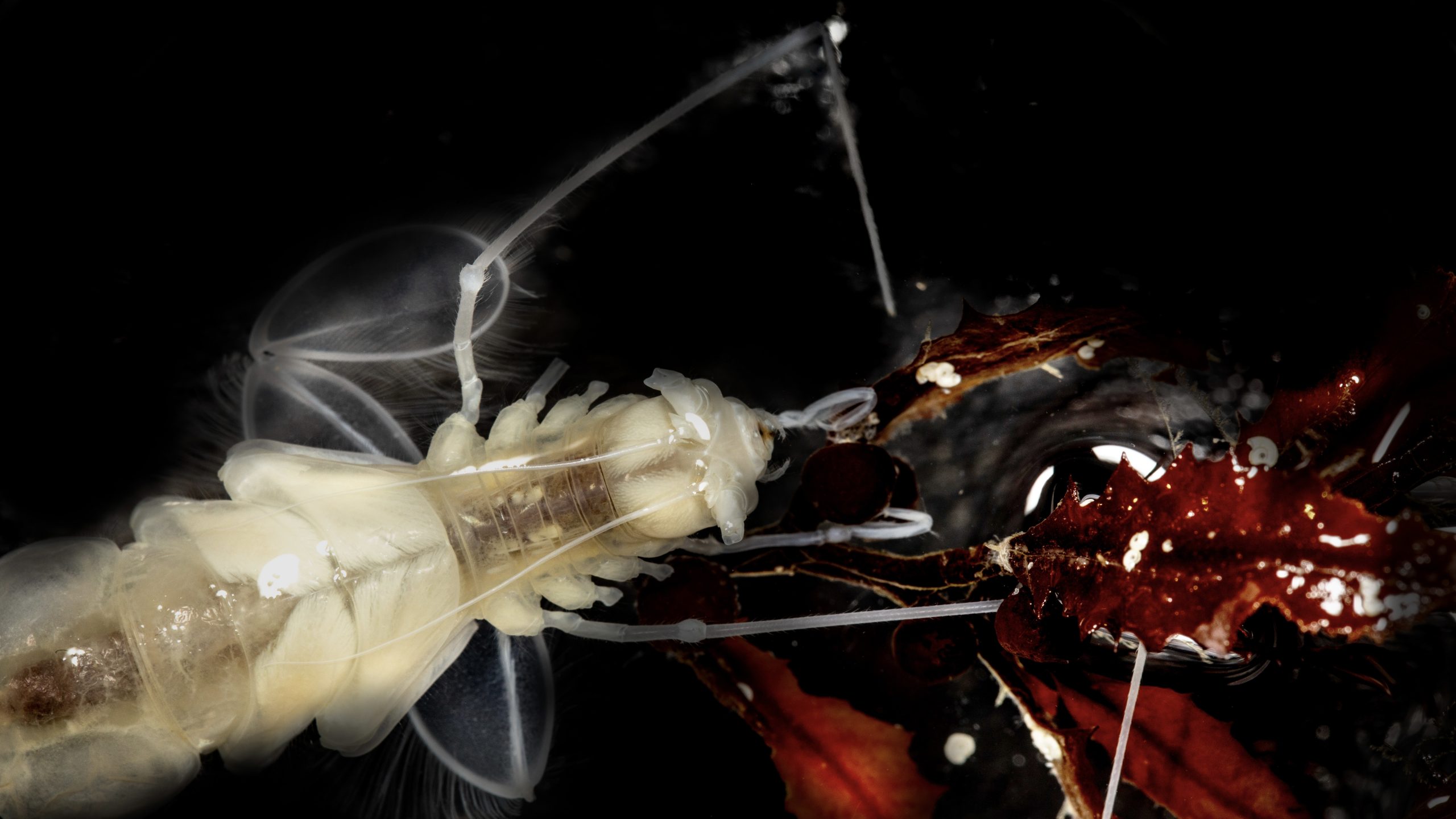
Increased capabilities in the human occupied submersible Alvin open a window on a rarely seen behavior.
Read MoreMantle rock recovery may reveal secrets of Earth’s history
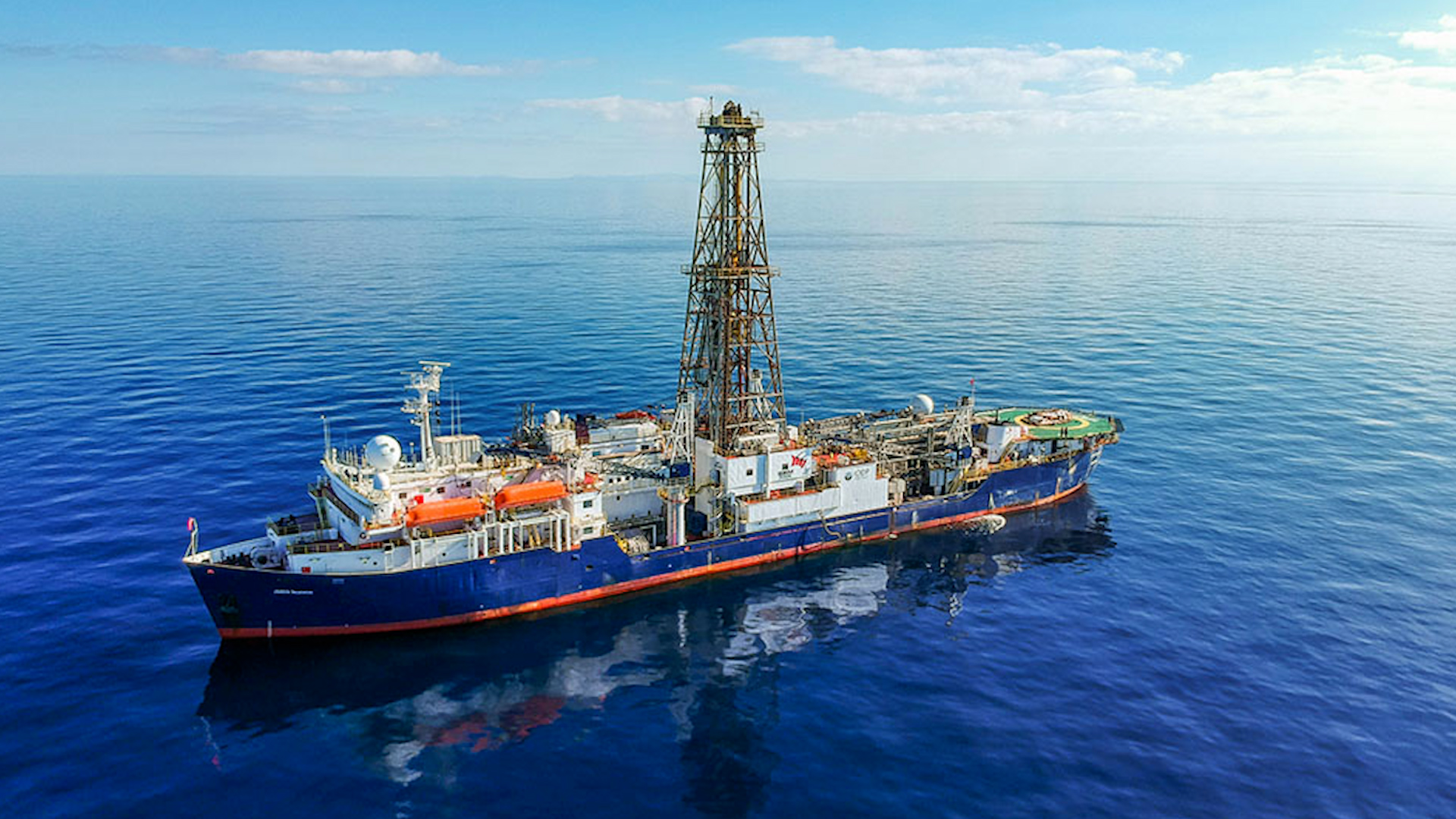
Scientists unravel the role of our planet’s mantle in volcanism and global cycles
Read MoreFive new hydrothermal vents discovered in the eastern tropical Pacific Ocean
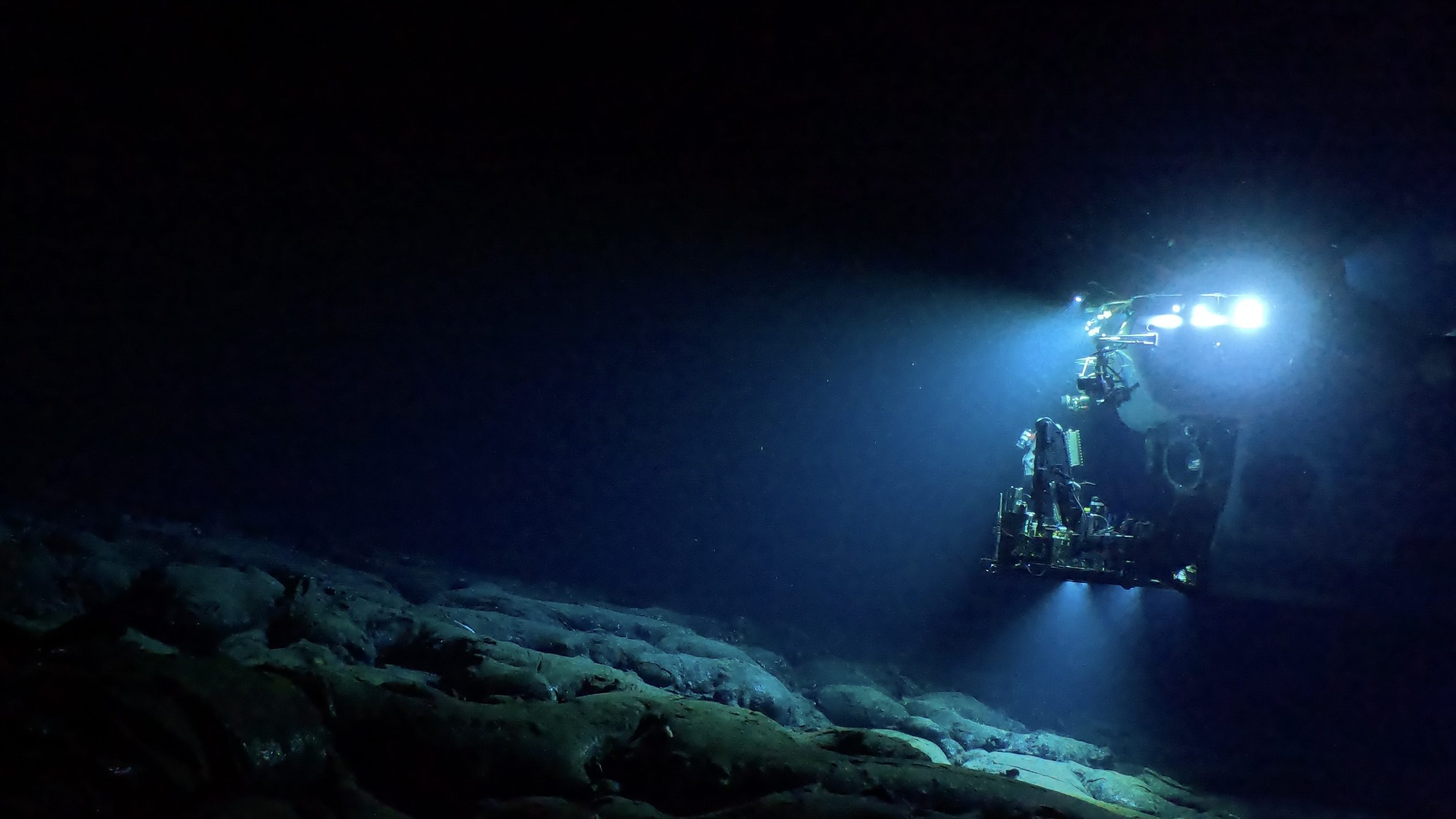
Ocean scientists discovered the new deep-sea hydrothermal vent sites on the seafloor at 2,550 meters (8366 feet, or 1.6 miles) depth.
Read MoreResearchers Studying Ocean Transform Faults, Describe a Previously Unknown Part of the Geological Carbon Cycle

Woods Hole, Mass. – Studying a rock is like reading a book. The rock has a story to tell, says Frieder Klein, an associate scientist in the Marine Chemistry &…
Read MoreScientists Aboard R/V Atlantis Discover Deep-Sea Coral Reefs in the Galápagos
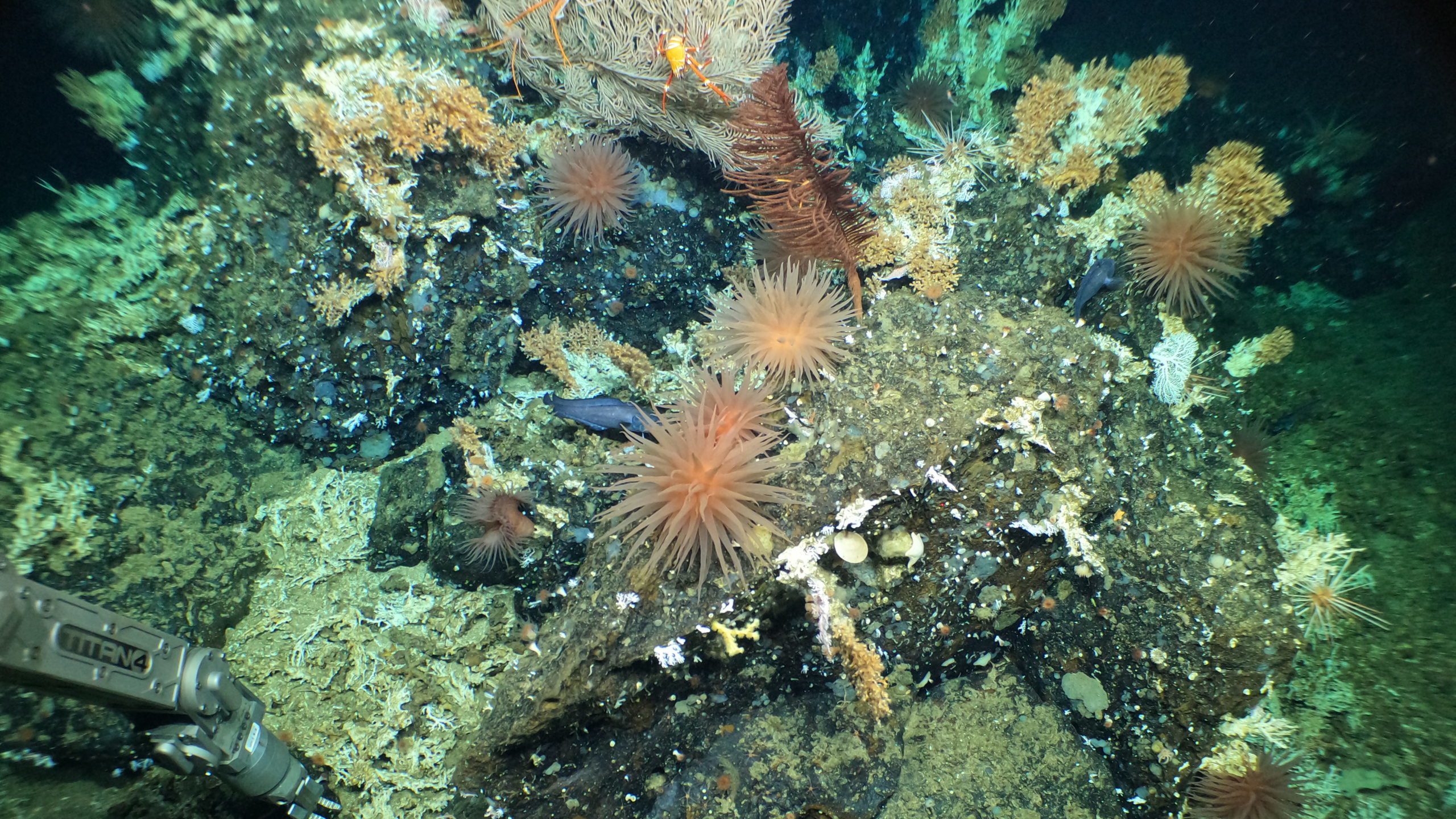
Observations using the newly upgraded human-occupied vehicle Alvin are the first of a deep-water coral reef in the Galápagos Marine Reserve.
The reefs are located at depths between 400-600 m, atop previously unmapped seamounts.
Building Blocks of Life on the Atlantis Massif
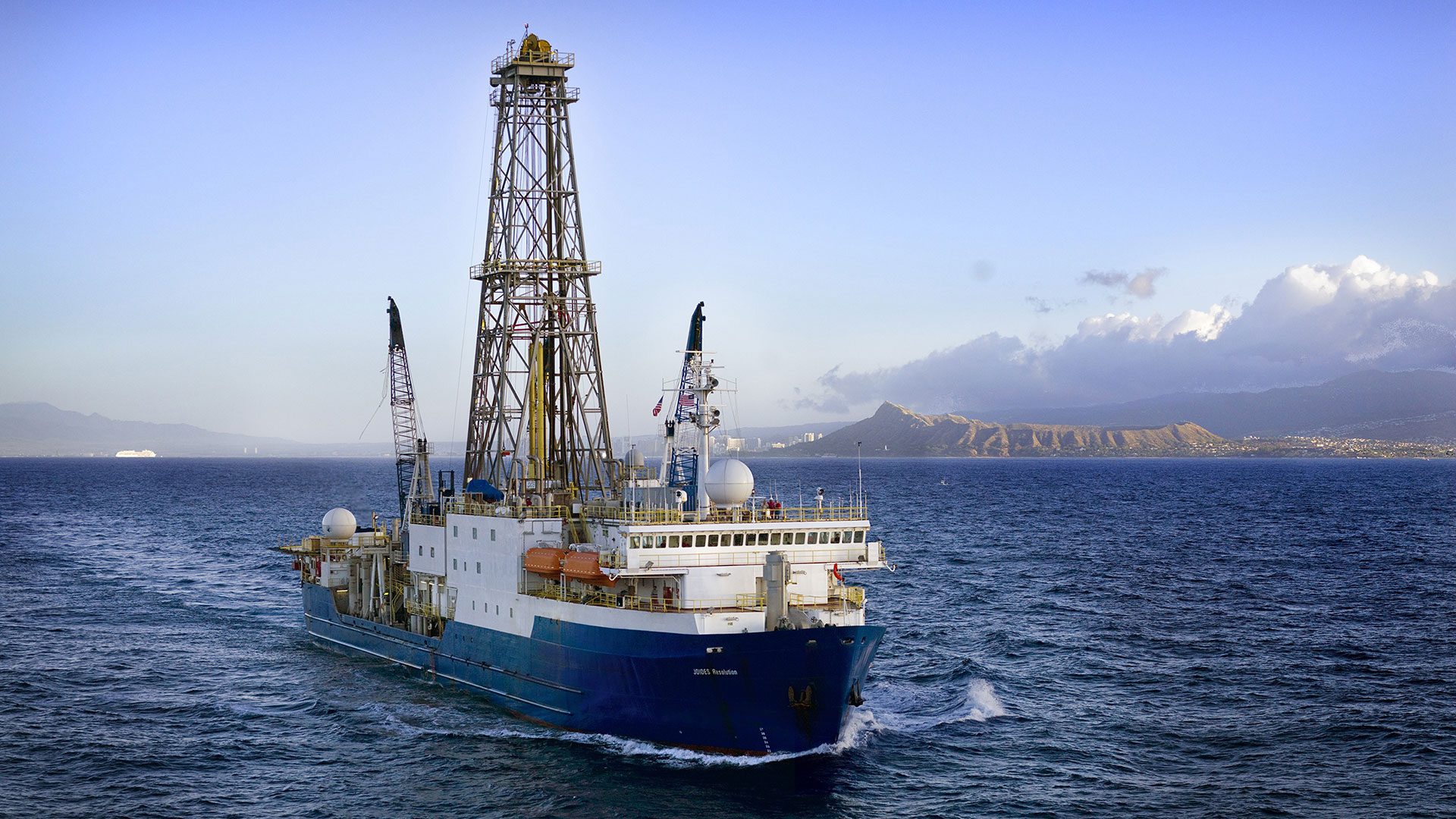
An upcoming expedition aboard the US ocean drilling ship JOIDES Resolution co-led by Susan Q. Lang, a geochemist at WHOI and director NOSAMS Facility, will attempt to shed new light on the processes that likely helped jumpstart the formation of life early in Earth’s history.
Read MoreArctic Hydrothermal Vent Site Could Help in Search for Extraterrestrial Life
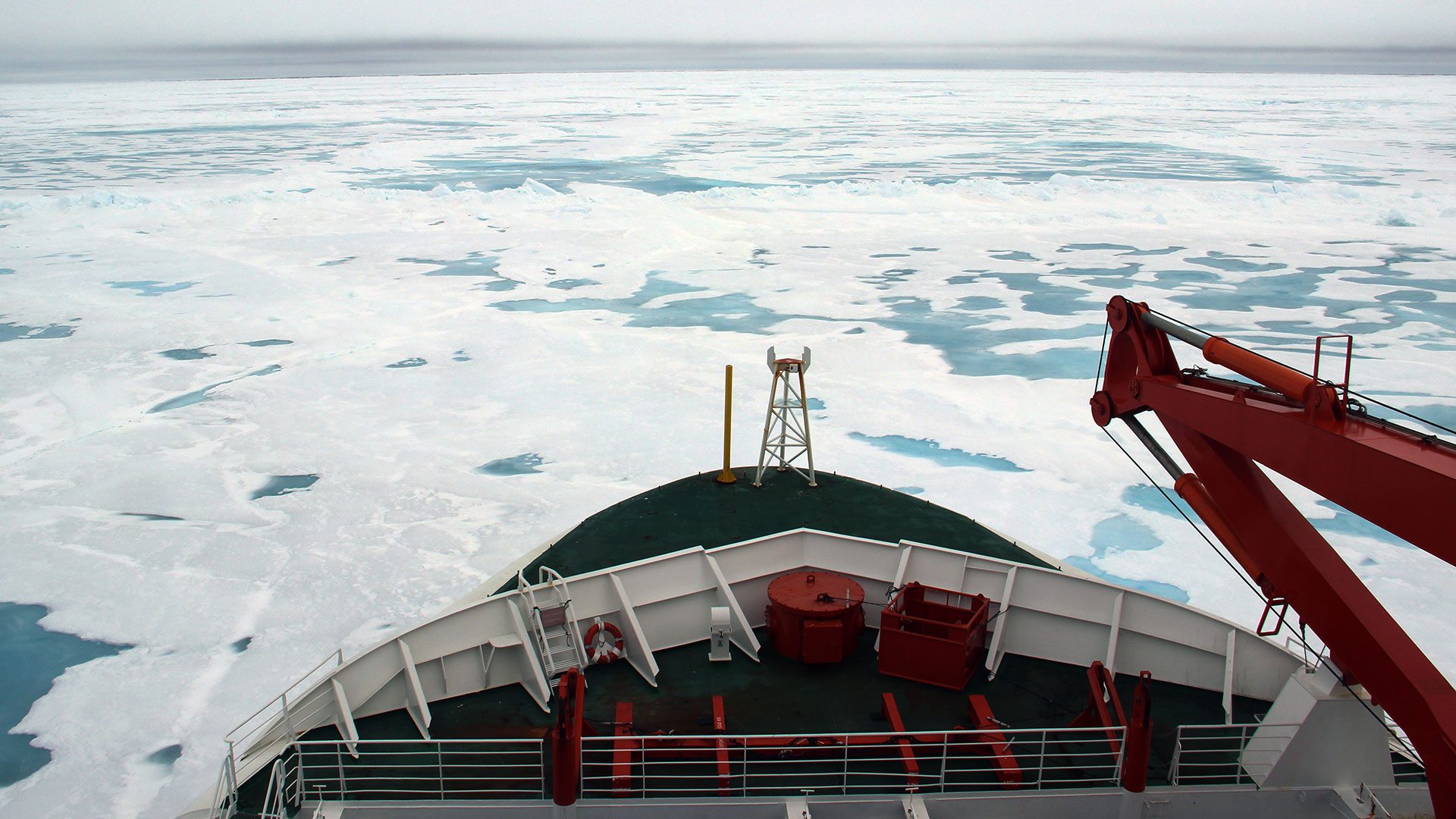
When scientists discovered a hydrothermal vent site in the Arctic Ocean’s Aurora hydrothermal system in 2014, they did not immediately realize just how exciting their discovery was.
Read MoreHuman-occupied submersible Alvin makes historic dive
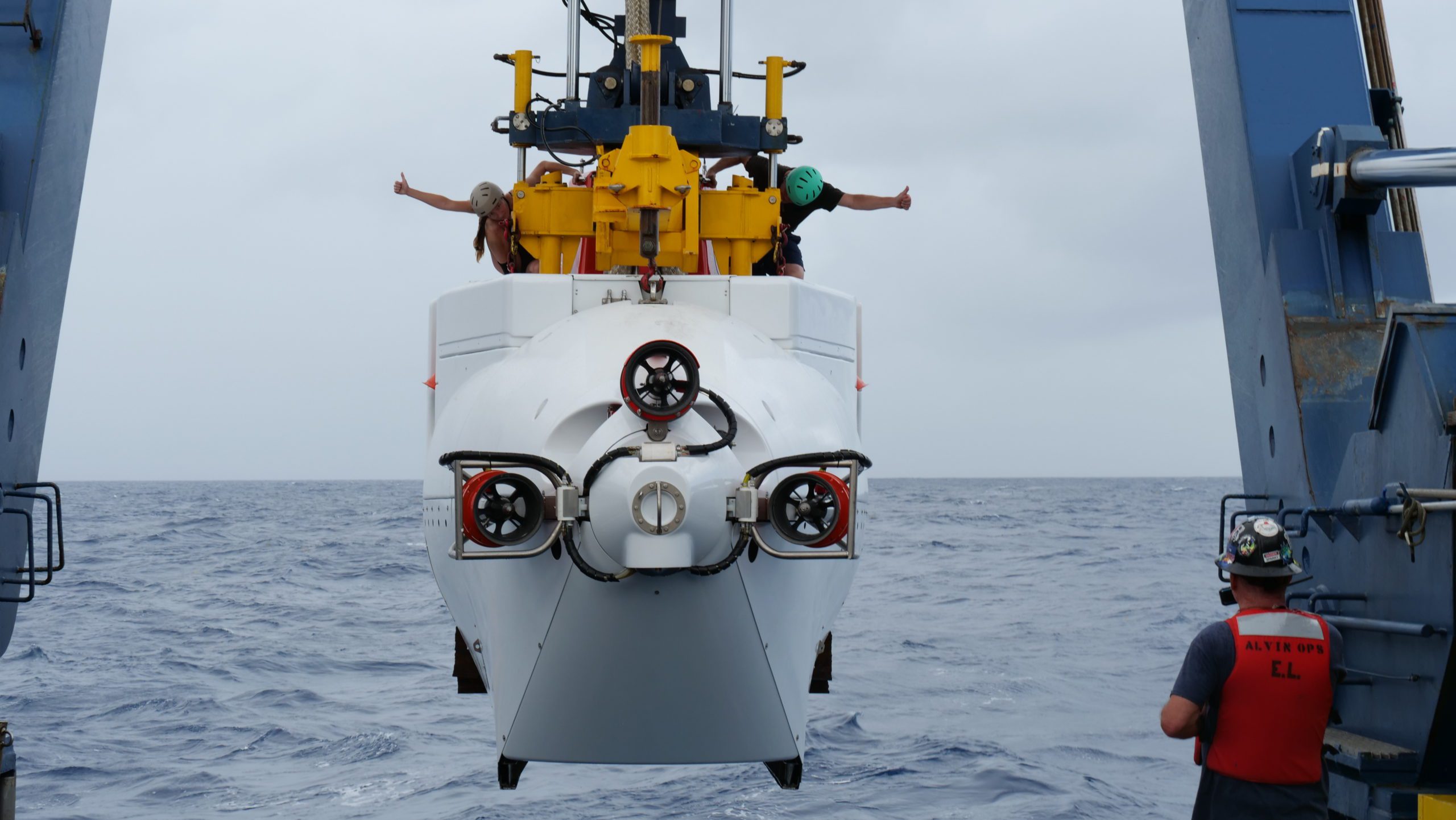
World’s most successful research submersible reaches 6,453 meters, its deepest dive ever Woods Hole, MA — Today, the human-occupied submersible Alvin made history when it successfully reached a depth of…
Read MoreHydrothermal field discovered at the East Pacific Rise 9°54’N
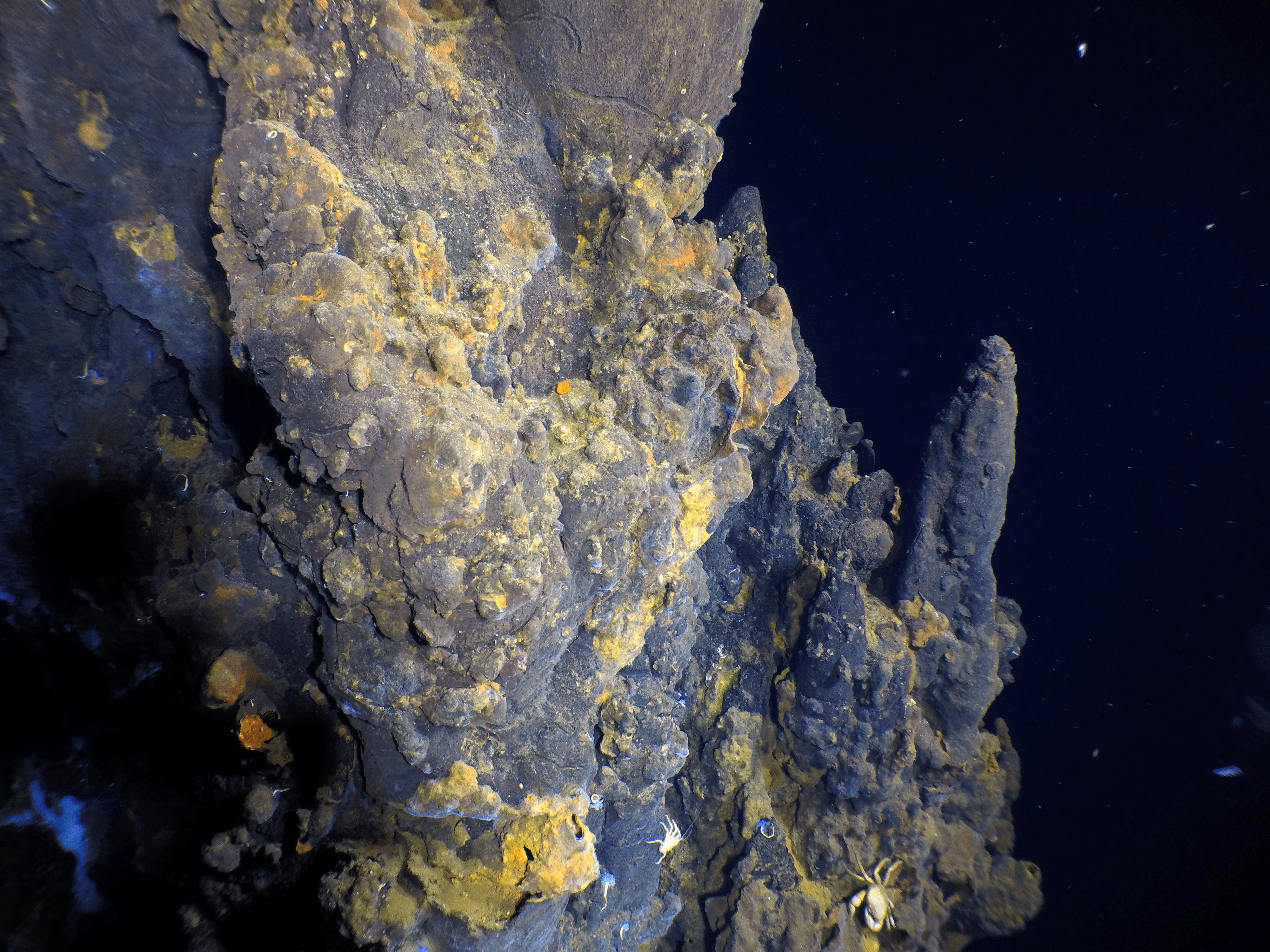
A new high-temperature, off-axis hydrothermal vent field on Pacific seafloor at 2550 meters depth was discovered in 2021 by a team that included researchers from Lehigh University; Scripps Institution of Oceanography (SIO); the University of Bergen Norway; and Woods Hole Oceanographic Institution (WHOI).
Read MoreArc volcanoes are wetter than previously thought, with scientific and economic implications
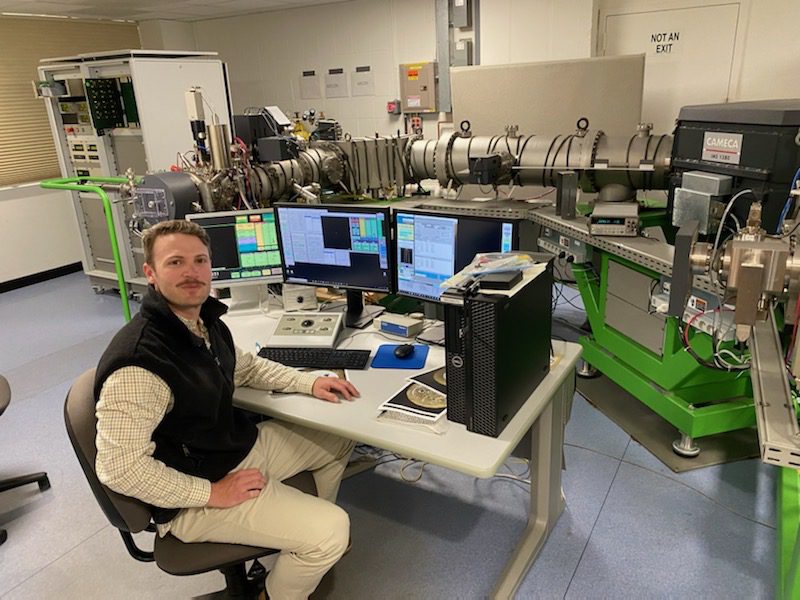
This increased amount of water has broad implications for understanding how Earth’s lower crust forms, how magma erupts through the crust, and how economically important mineral ore deposits form, according to a new paper led by authors from the Woods Hole Oceanographic Institution (WHOI).
Read MoreFluid Flow Stimulates Chemosynthesis in a Greek Salad of Hydrothermal Microbes
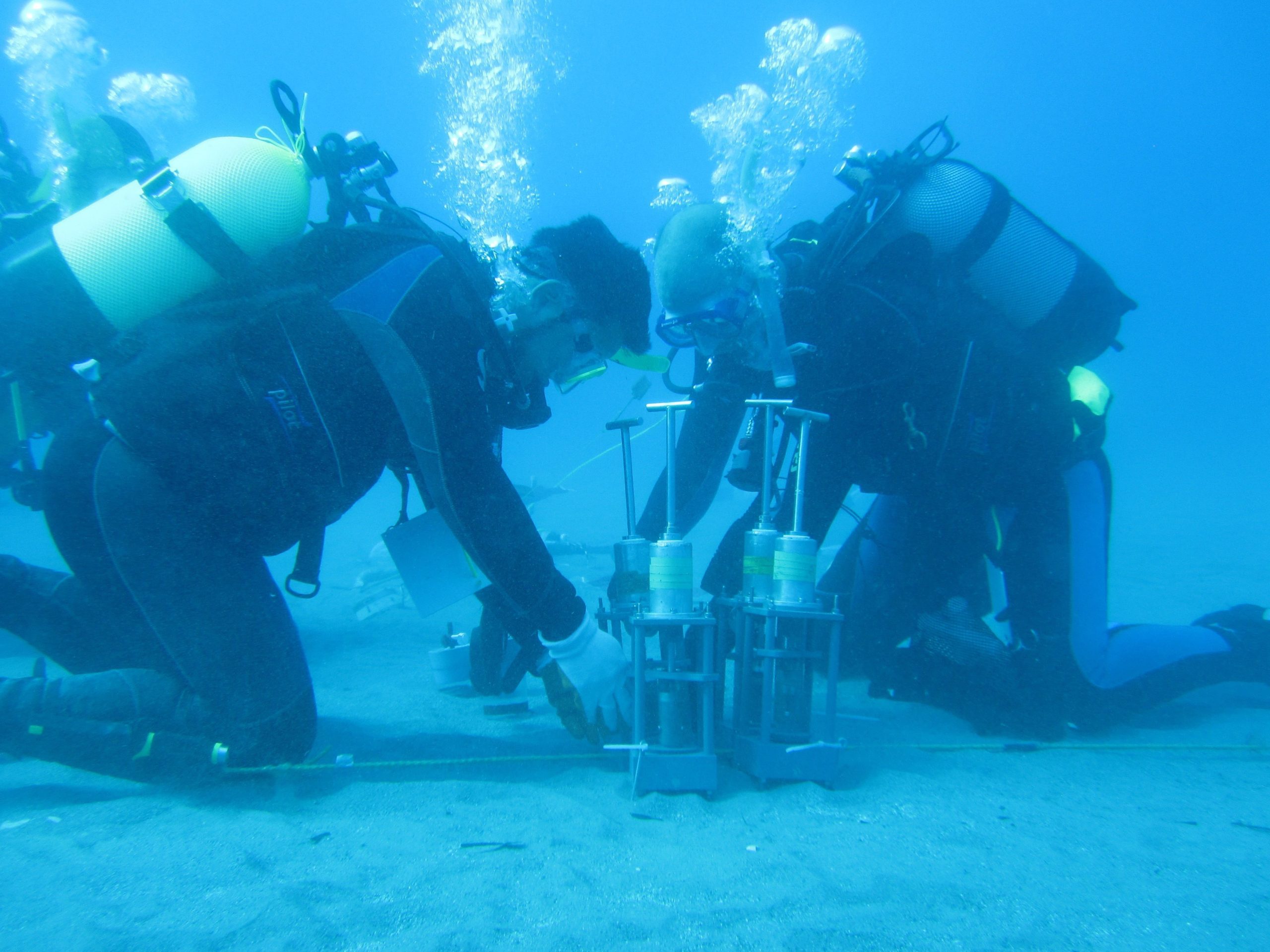
A new study uses an innovative approach to examine the bay’s shallow-water hydrothermal system and the production of microbes there in situ and near natural conditions as a model to assess the importance of hydrothermal fluid circulation on chemosynthesis.
Read MoreDeepest sediment core collected in the Atlantic Ocean
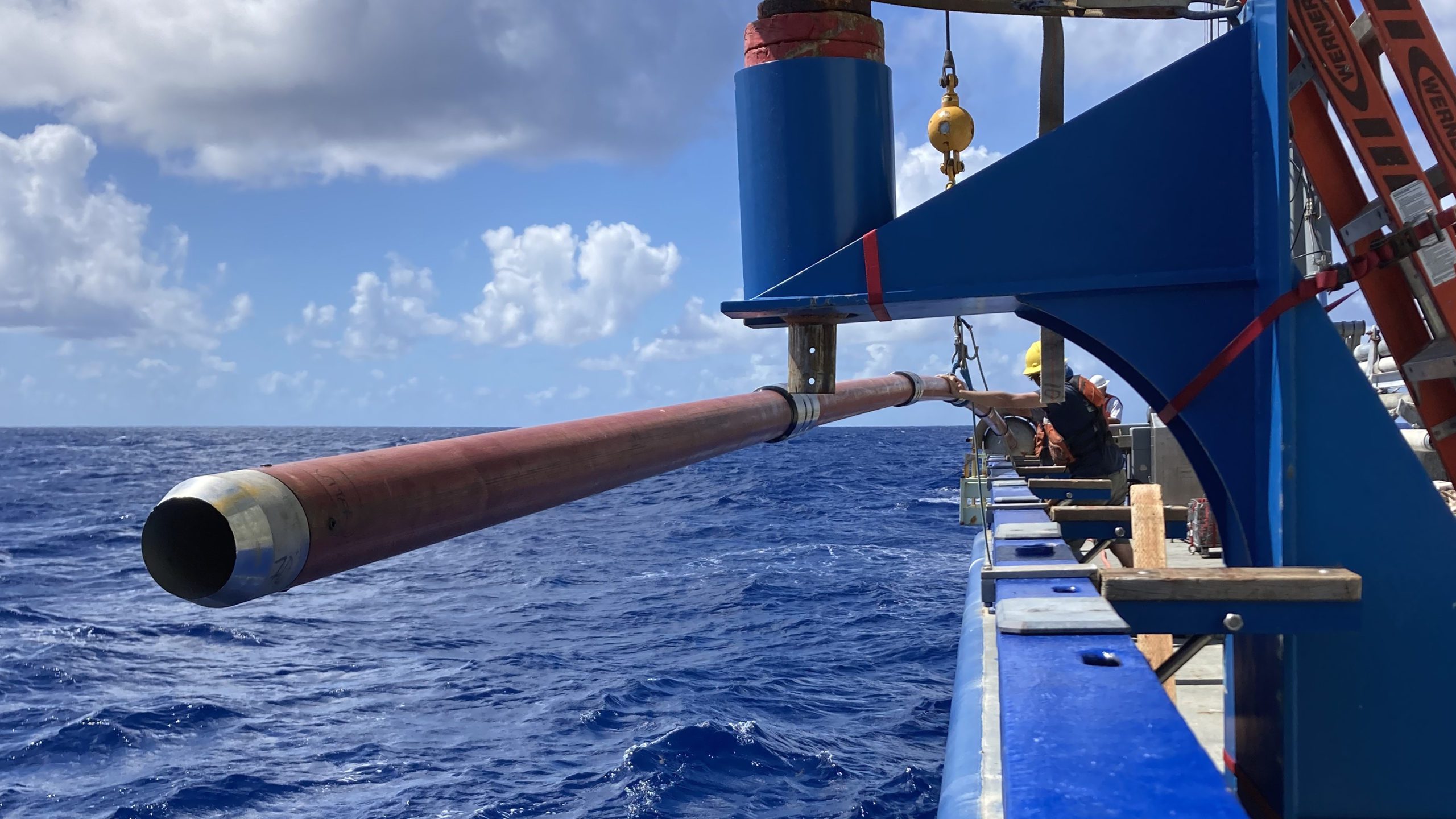
A team of scientists, engineers, and ship’s crew on the research vessel Neil Armstrong operated by the Woods Hole Oceanographic Institution (WHOI) recently collected a 38-foot-long cylindrical sediment sample from the deepest part of the Puerto Rico Trench, nearly 5 miles below the surface.
Read MoreEarth BioGenome Project begins genome sequencing in earnest
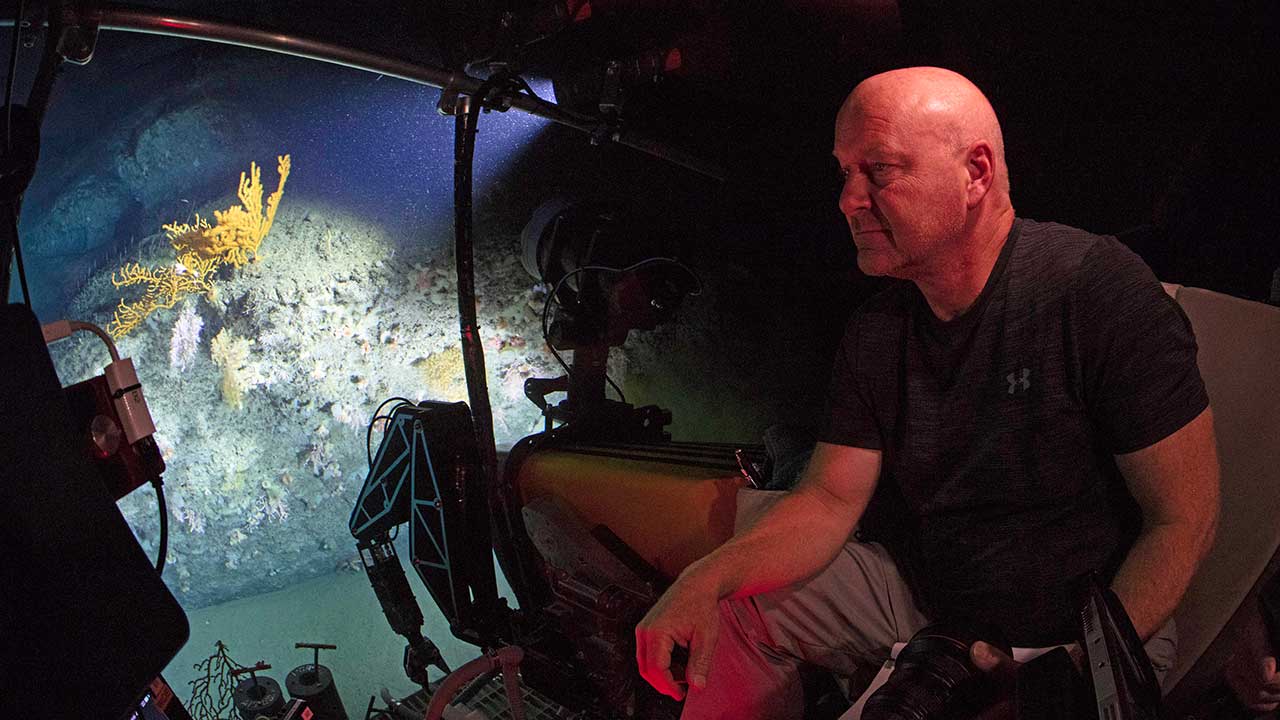
The Deep-Ocean Genomes Project is an ambitious effort co-led by WHOI and the University of Connecticut (UConn) to obtain fundamental new knowledge of the organization, evolution, functions, and interactions of life in one of Earth’s least-understood regions: the deep ocean.
Read More“Mantle wind” blows through slab window beneath Panama
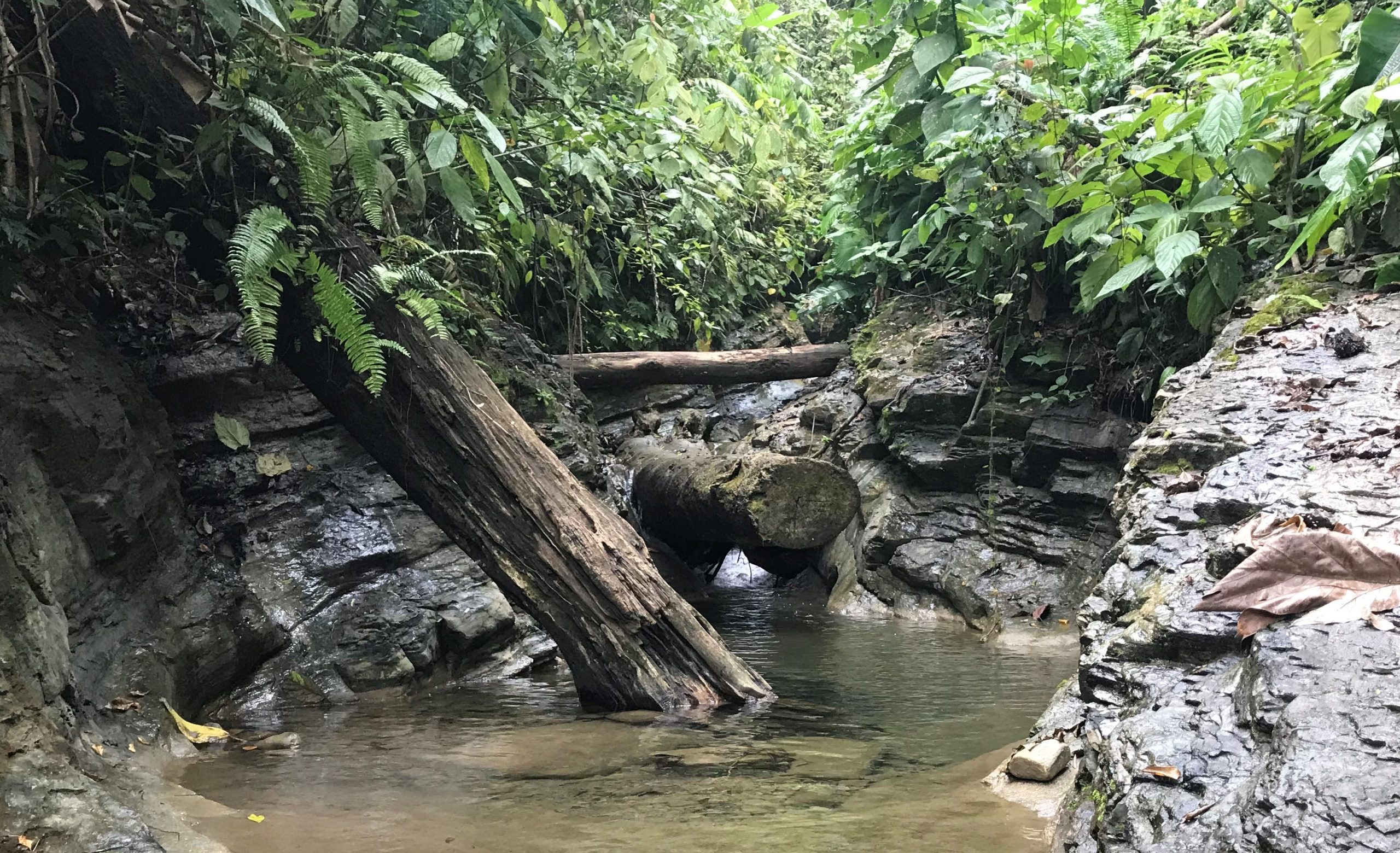
A Woods Hole Oceanographic Institution-led team unravels the existence of a 900-mile-long mantle conduit between the Galapagos and Central America Woods Hole, MA — Volcanic gases are helping researchers track…
Read MoreStudy Examines the Role of Deep-Sea Microbial Predators at Hydrothermal Vents
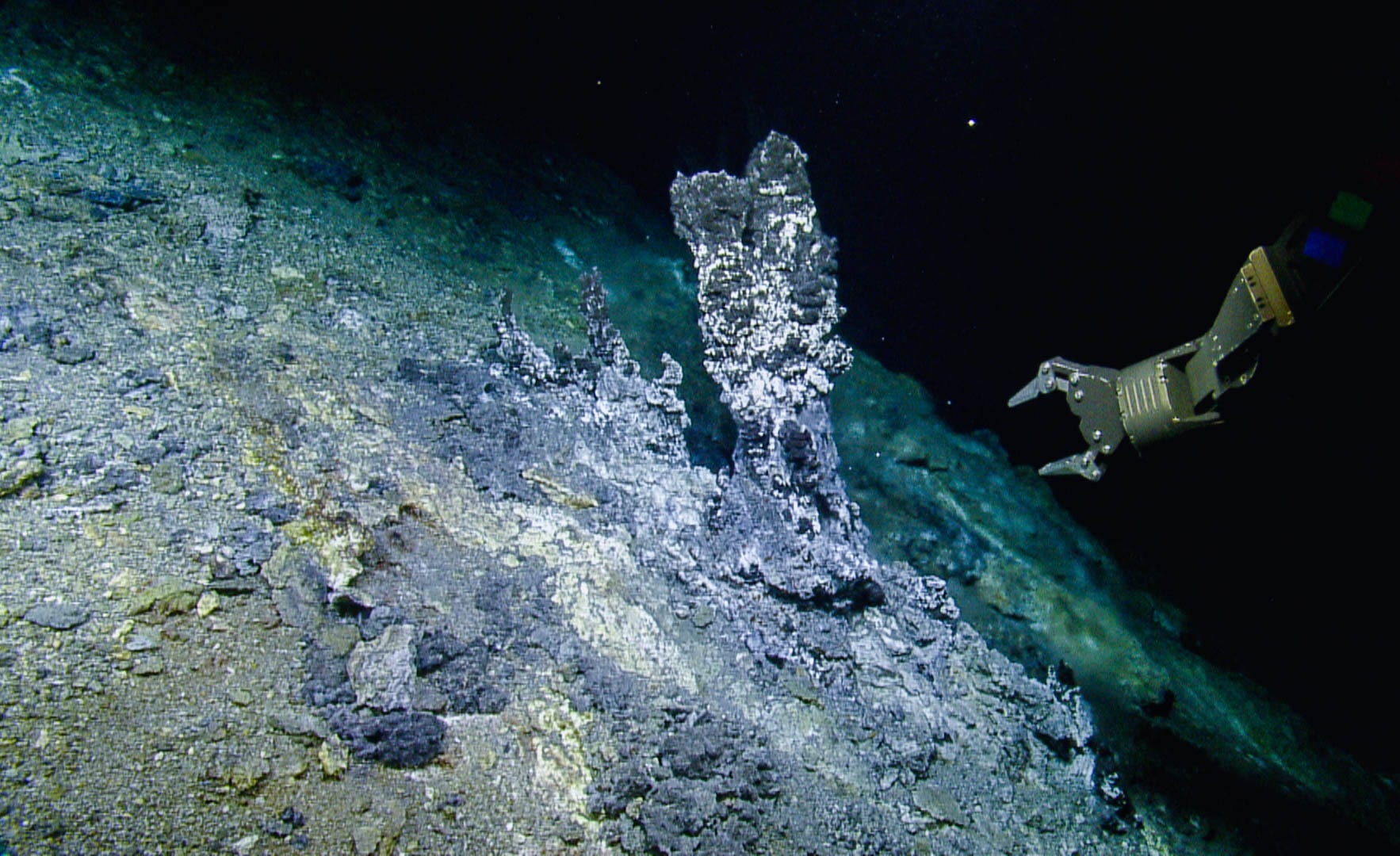
Researchers Emphasize the Need for Baseline Information of Microbial Food Webs The hydrothermal vent fluids from the Gorda Ridge spreading center in the northeast Pacific Ocean create a biological hub…
Read MoreWHOI Scientists Make Woods Hole Film Festival Appearance
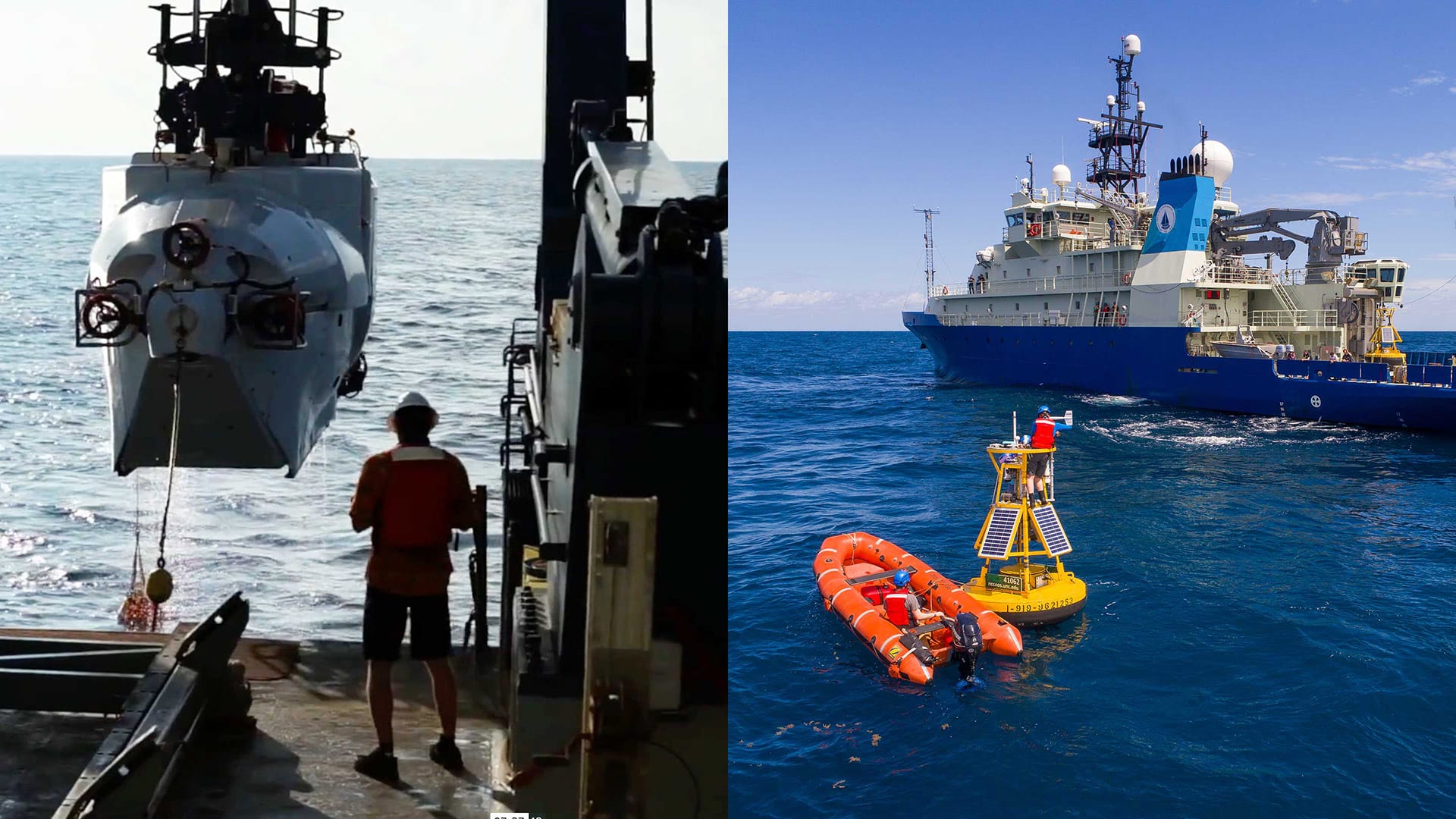
Woods Hole Oceanographic Institution (WHOI) scientists appear in two shorts and a feature film at this year’s Woods Hole Film Festival (WHFF). In addition, scientists will also participate in Q&A…
Read MoreNew geochemical tool reveals origin of Earth’s nitrogen
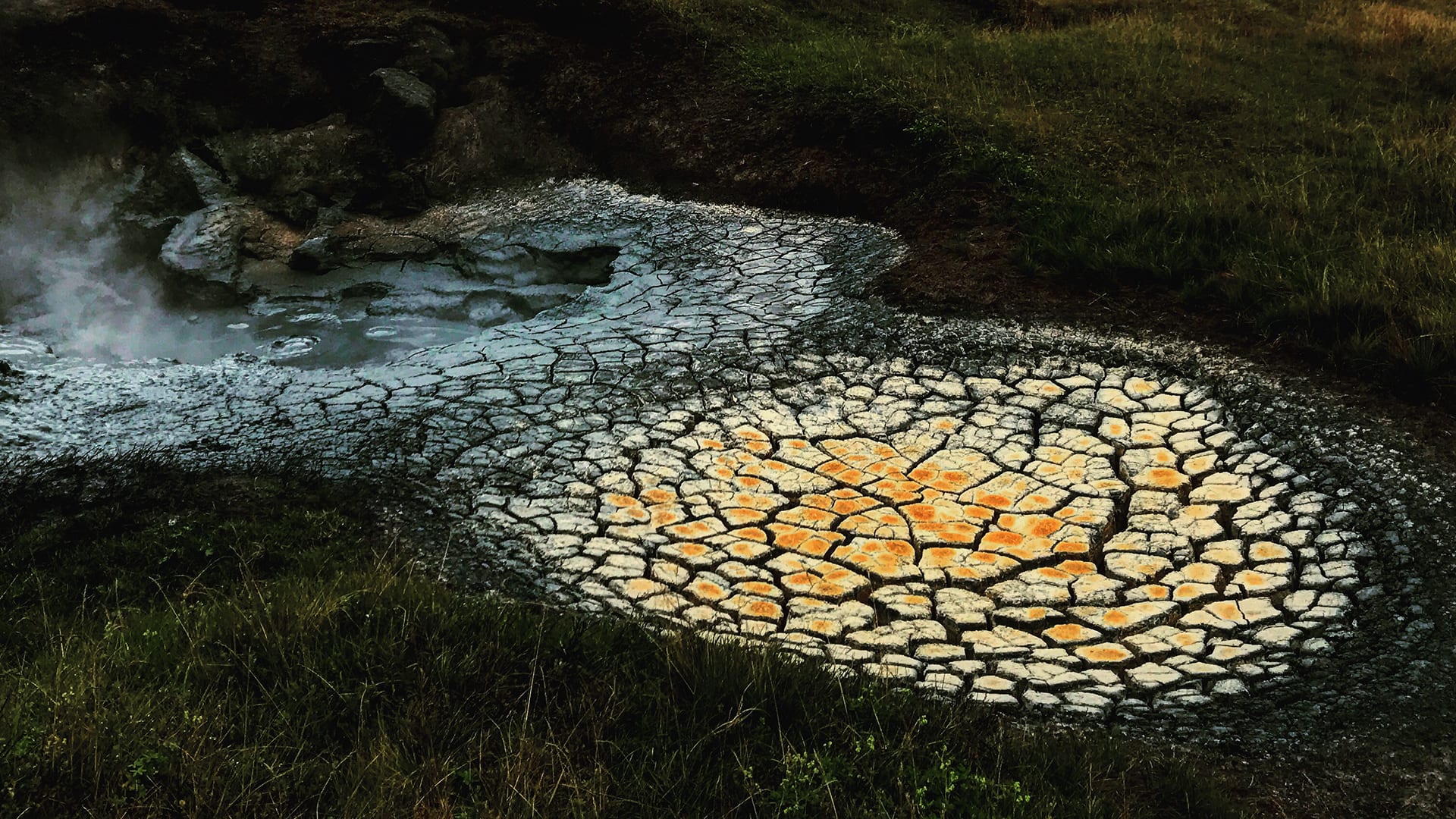
A new geochemical tool sheds light on the origin of nitrogen and other volatile elements on Earth, which may also prove useful as a way to monitor the activity of volcanoes
Read MoreMicrobes far beneath the seafloor rely on recycling to survive
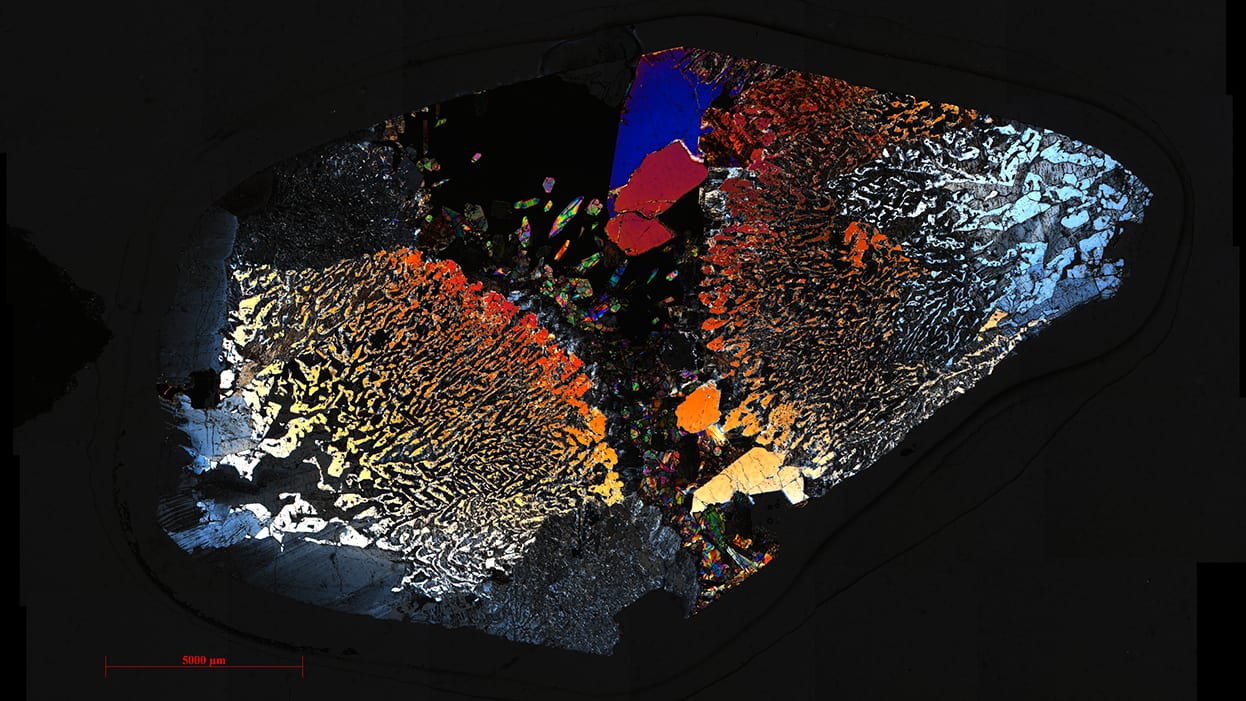
Scientists from Woods Hole Oceanographic Institution and colleagues reveal how microorganisms could survive in rocks nestled thousands of feet beneath the ocean floor in the lower oceanic crust.
Read MoreOrigin of Massive Methane Reservoir Identified
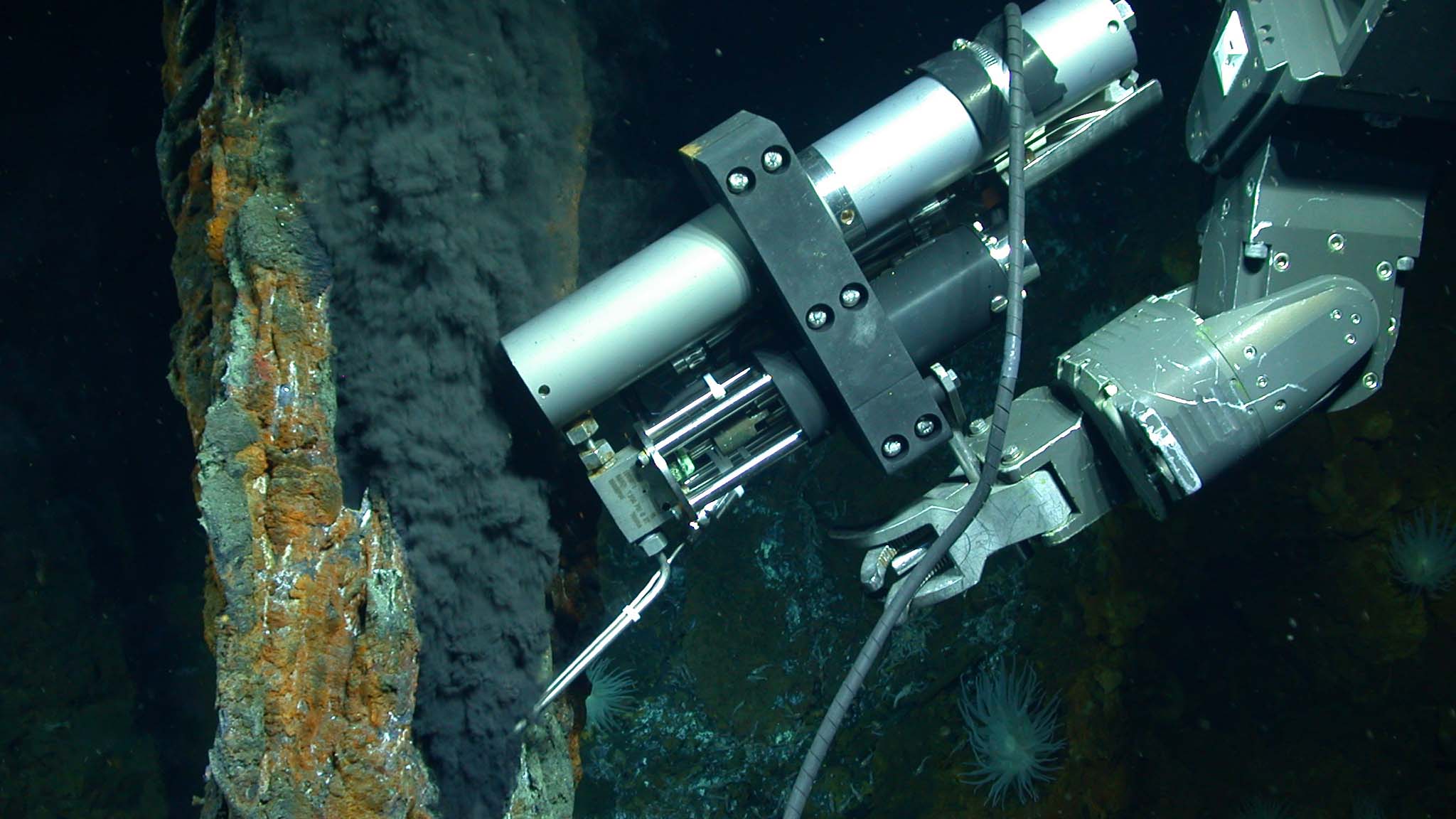
New research provides evidence of the formation and abundance of abiotic methane—methane formed by chemical reactions that don’t involve organic matter—on Earth and shows how the gases could have a similar origin on other planets and moons, even those no longer home to liquid water.
Read MoreWHOI to Join $94 Million Cooperative Institute
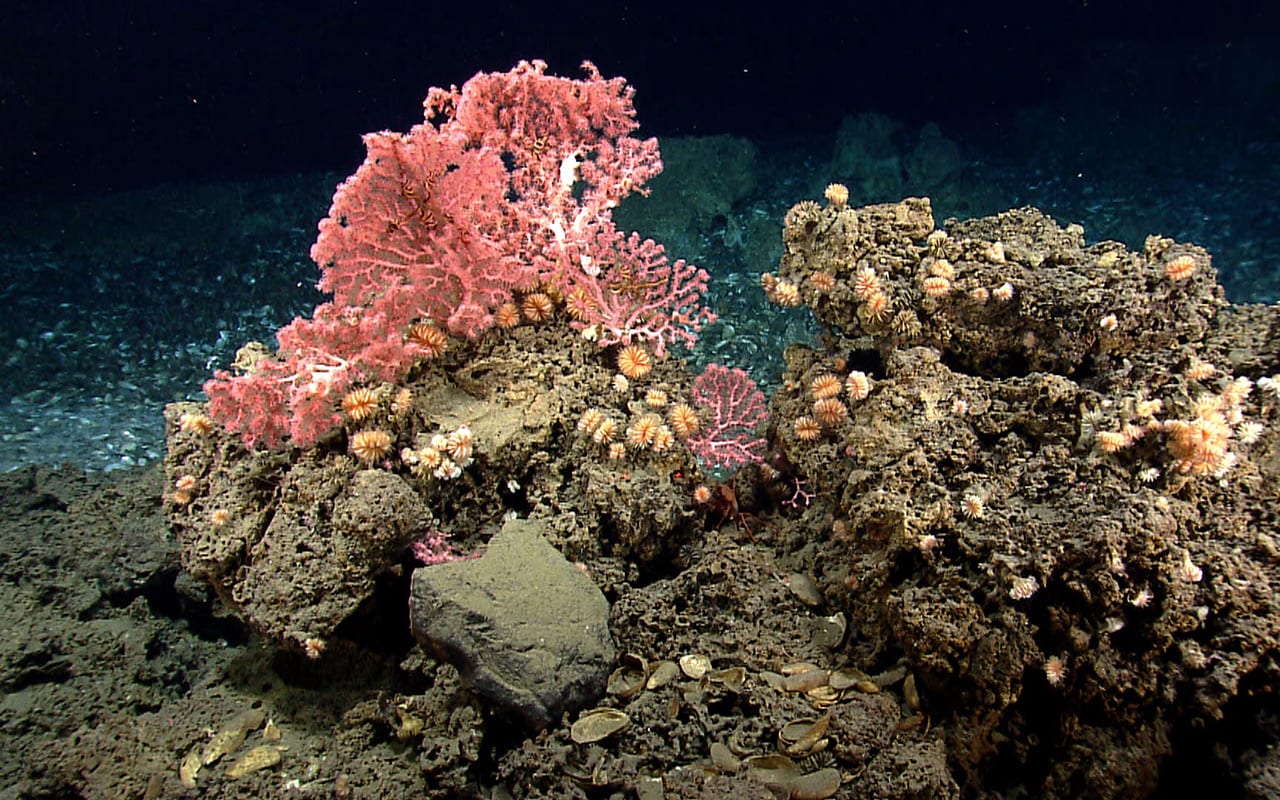
WHOI will join a new consortium led by the University of Rhode Island Graduate School of Oceanography to support ocean exploration.
Read More