Deep-sea Dustbins
The marine debris concentrating in the Northwest Atlantic’s underwater canyons
By Daniel Hentz | JUNE 12, 2026
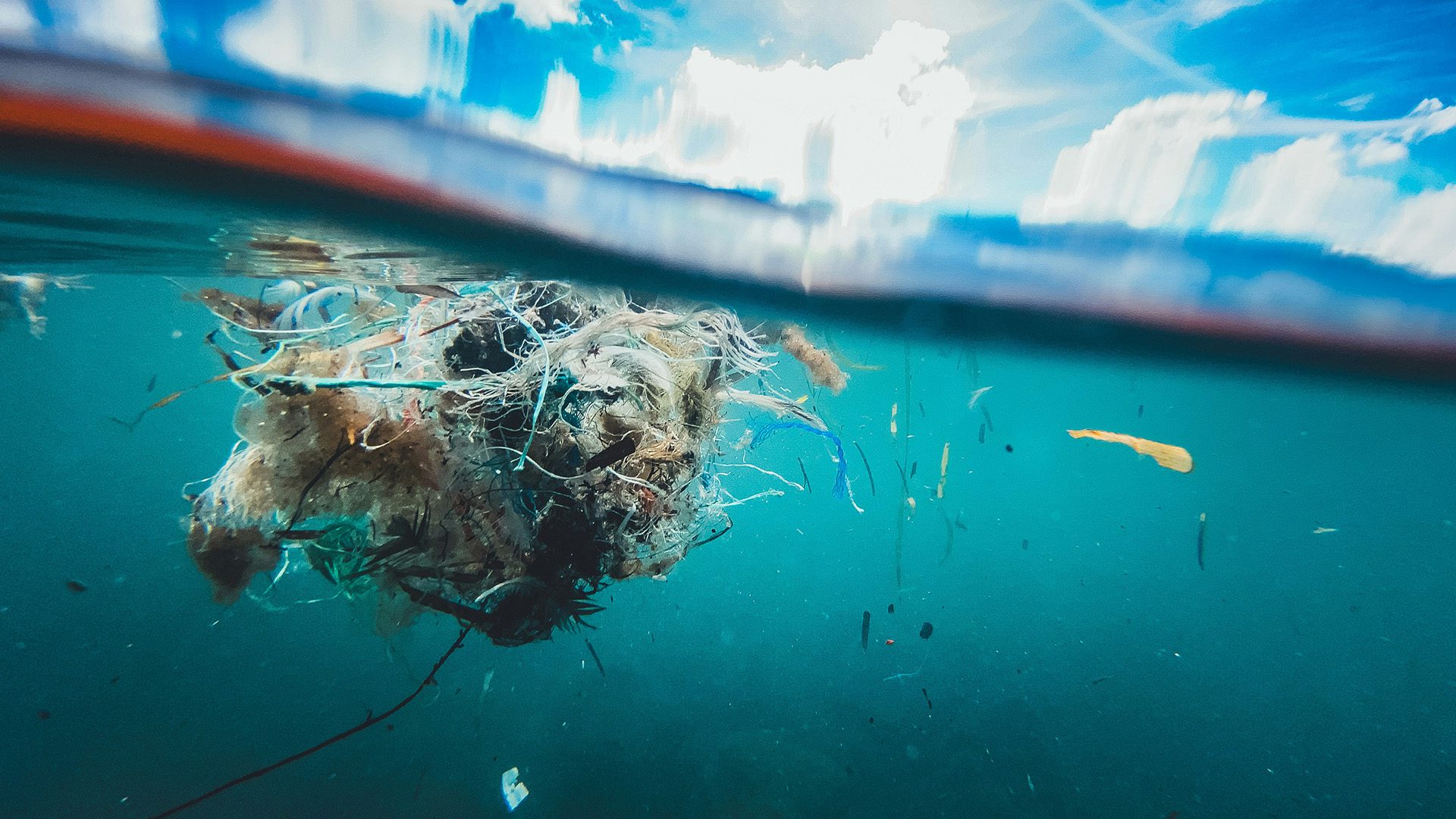
Submarine canyons, some of the most biodiverse places in the global ocean, are now some of the deepest places plagued by marine debris.
These chasms, carved into our continental shelf over millennia by ancient glacial rivers, funnel nutrient-rich waters that sustain a wide array of marine organisms, including rare species of cold-water corals and sponges. These same deep-sea forces—known as thermohaline currents—also sweep trash across the seafloor and over the canyon head. Over time, a debris field has begun to accumulate below.
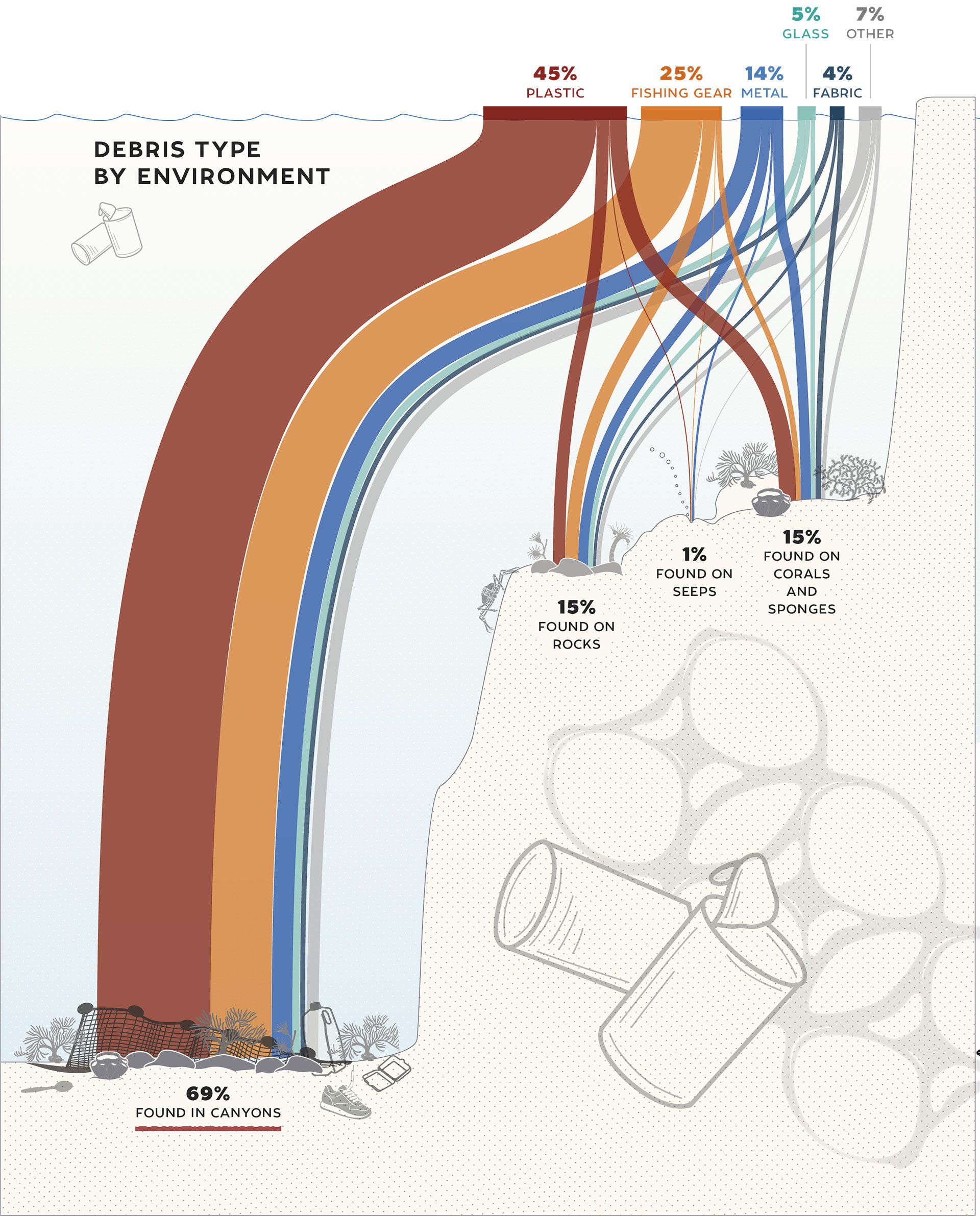
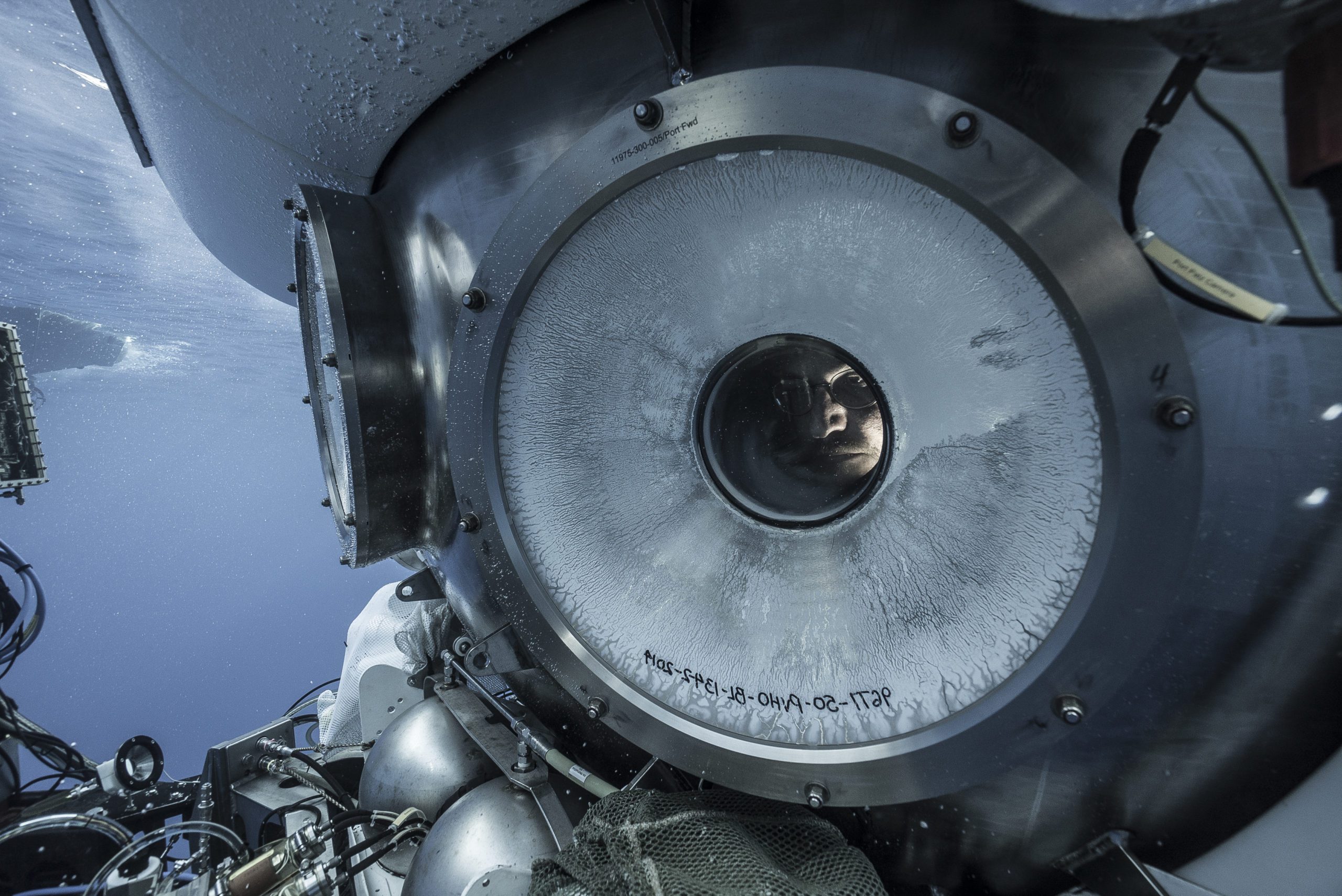
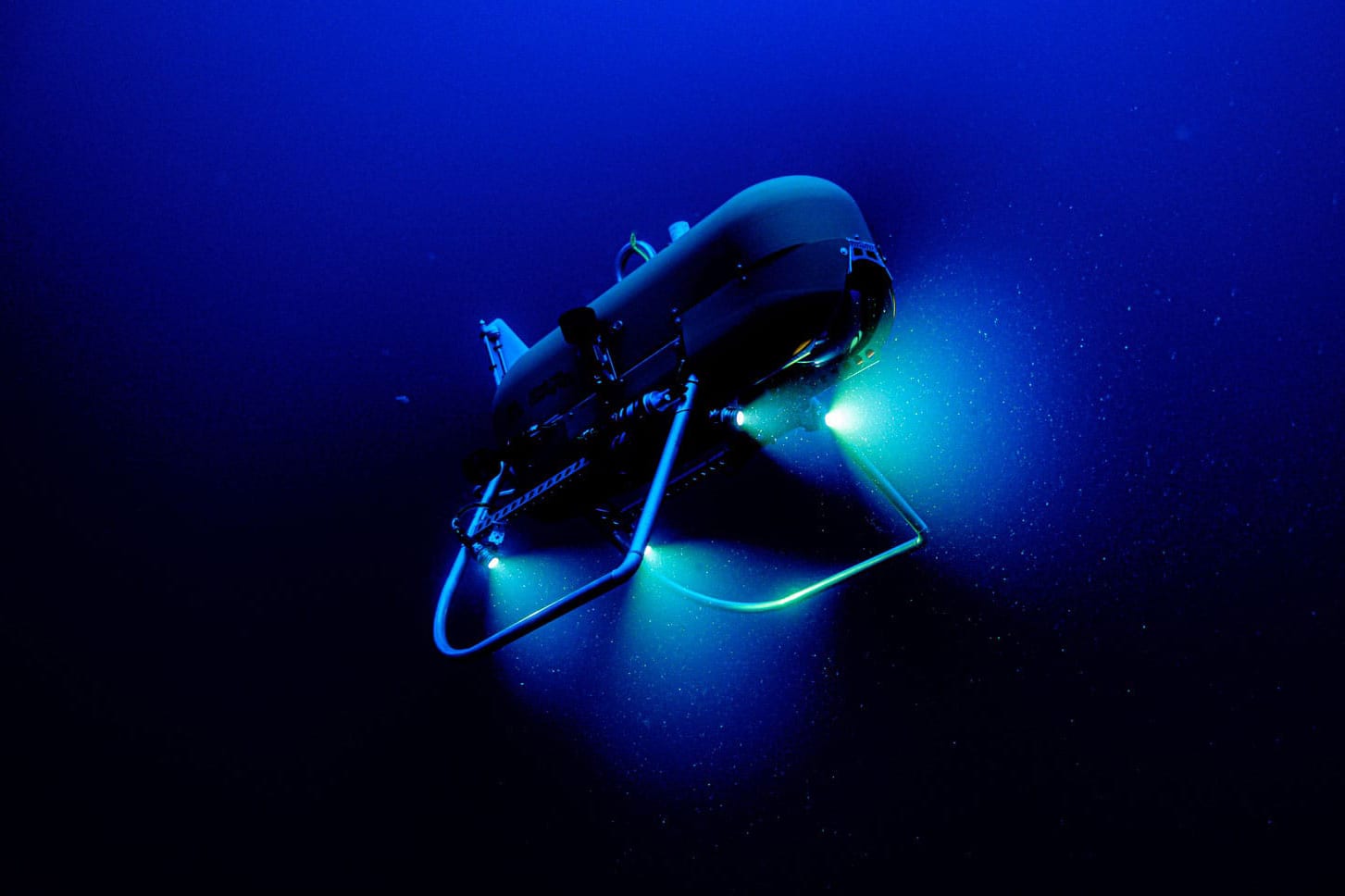
It’s a problem that hasn’t gone unnoticed by deep-sea biologists—especially WHOI researcher Taylor Heyl, who’s seen everything from derelict fishing gear to porcelain toilets while exploring deep-sea canyons—sometimes miles deep. In 2012, she decided to document this growing debris problem. Using human-operated submersibles, remotely operated vehicles, and towed camera systems, Heyl and partners at the National Oceanic and Atmospheric Administration and Florida State University have since logged over 90,000 images and 1,700 hours of video footage, sighting debris in 44 of the 55 canyons explored along the Atlantic continental margin between Canada and the Gulf of Mexico. Here, we visualize the composition of the waste found inside and outside of the canyon, and illustrate some of the sensitive deep-sea ecosystems it may be smothering.
Heyl’s work marks the first comprehensive study of benthic debris along the Atlantic continental margin, inviting the public to ponder our relationship with these seemingly distant ecosystems, which have become humanity's unwitting deep-sea dustbins.
Funding for this project came through NOAA: NOAA Fisheries via the Northeast Fisheries Science Center, Office of Habitat Conservation, the Office of Science and Technology; NOAA Research (OAR); Ocean Exploration; Office of Marine and Aviation Operations (OMAO); National Ocean Service: Office of Coast Survey, National Centers for Coastal Ocean Science, and Center for Coastal Monitoring and Assessment’s Biogeography Branch. Department of Fisheries and Oceans, Canada; Natural Sciences and Engineering Research, Canada.