
News Releases
Retreating glaciers increase iceberg sightings and reshape deep-sea habitats
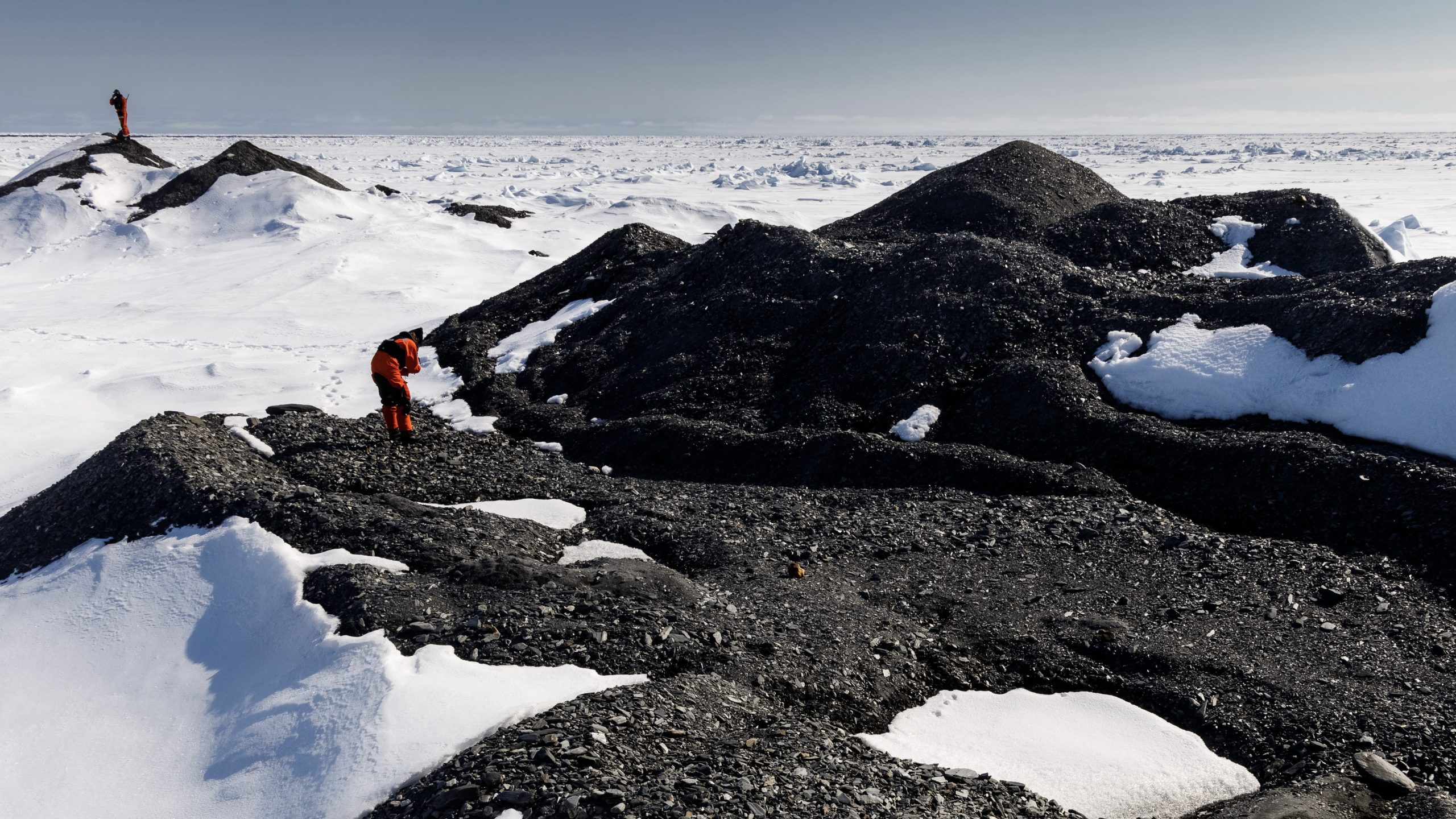
Stones rain down from the melting icebergs, forming new hard-substrate habitats for marine life on the soft seafloor.
Read MoreWHOI receives $1.6 Million to build revolutionary Antarctic ice shelf monitoring system
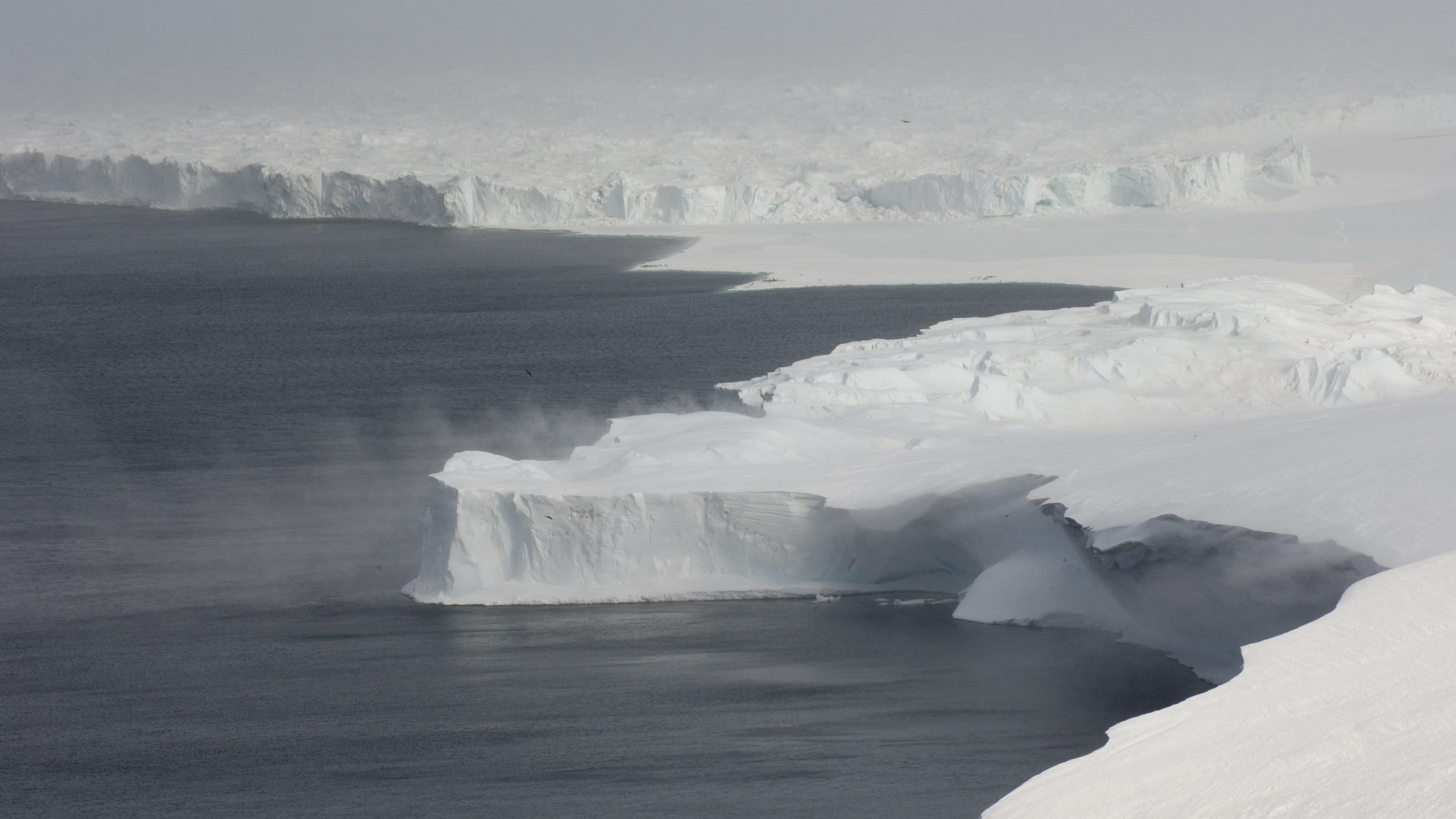
SAMS will operate autonomously for years in hostile, difficult-to-reach locations that are Ground Zero for global sea-level rise
Read MoreStudy says ice age could help predict oceans’ response to global warming
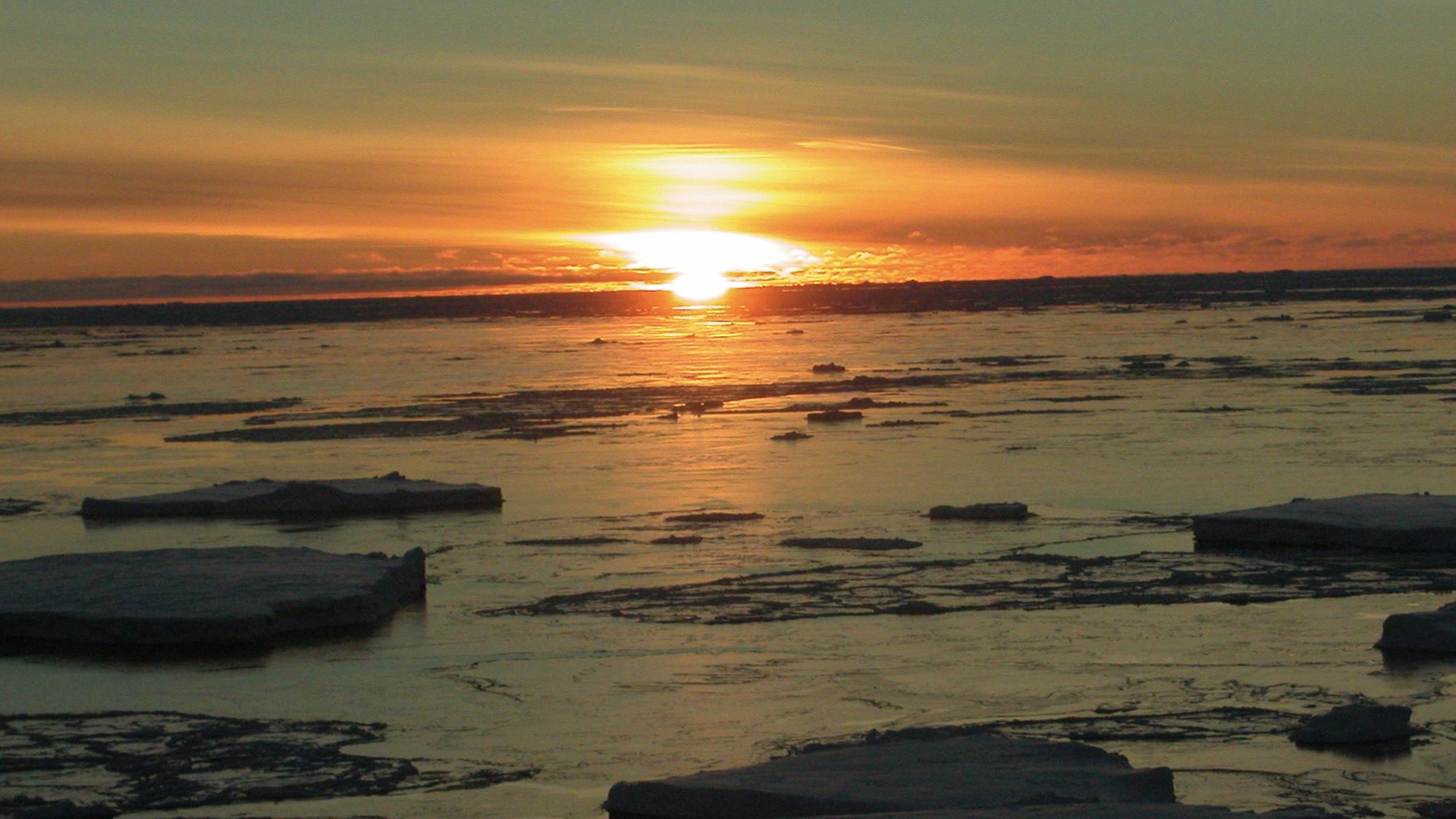
Woods Hole, MA – A team of scientists led by a Tulane University oceanographer and the Woods Hole Oceanographic Institution (WHOI) has found that deposits deep under the ocean floor…
Read MoreEmperor penguins granted protections under Endangered Species Act
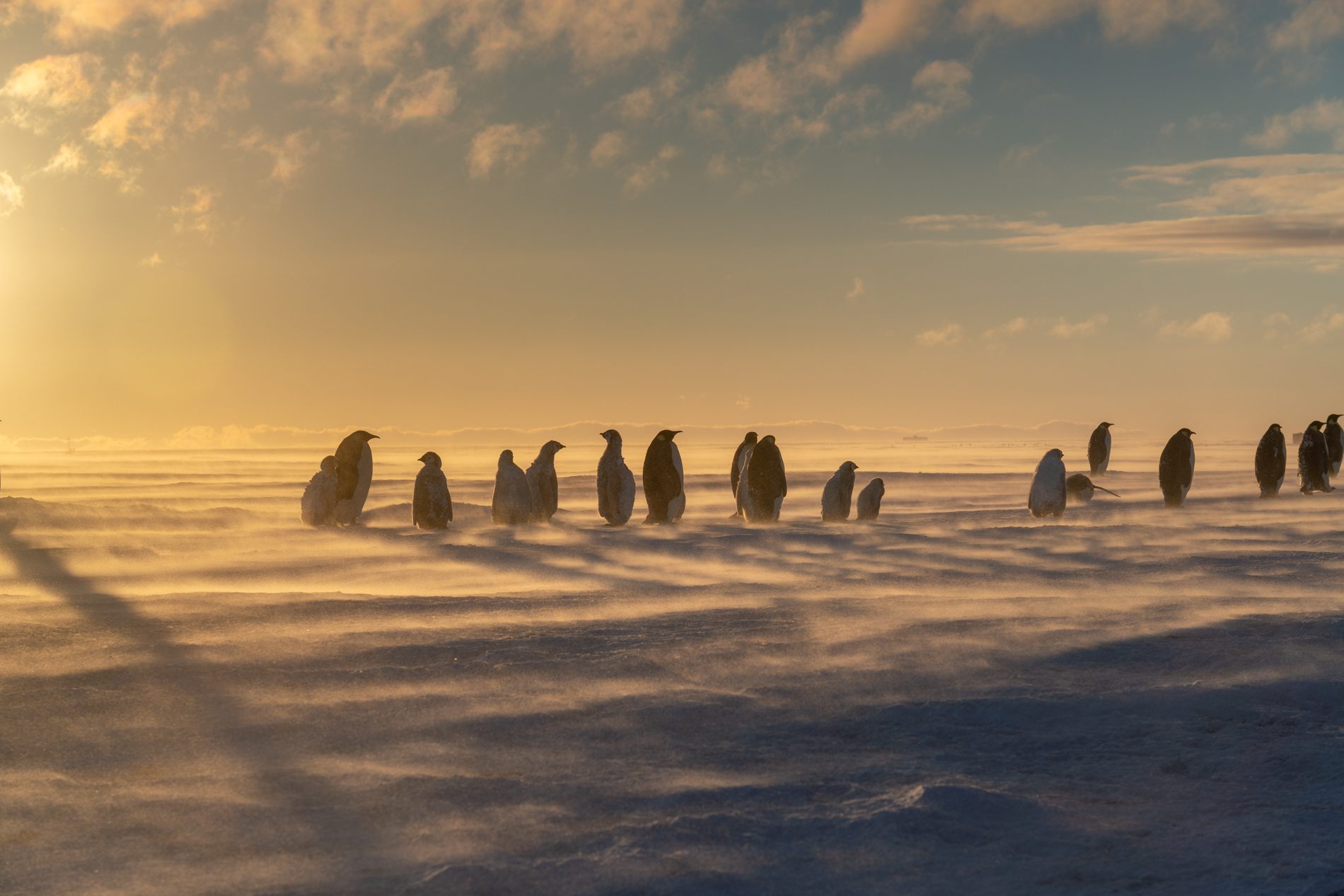
Woods Hole Oceanographic Institution among research groups that offer key findings to support federal protection of species, increasingly under siege by climate change
Read MoreMarine Protected Areas in Antarctica should include young emperor penguins, scientists say
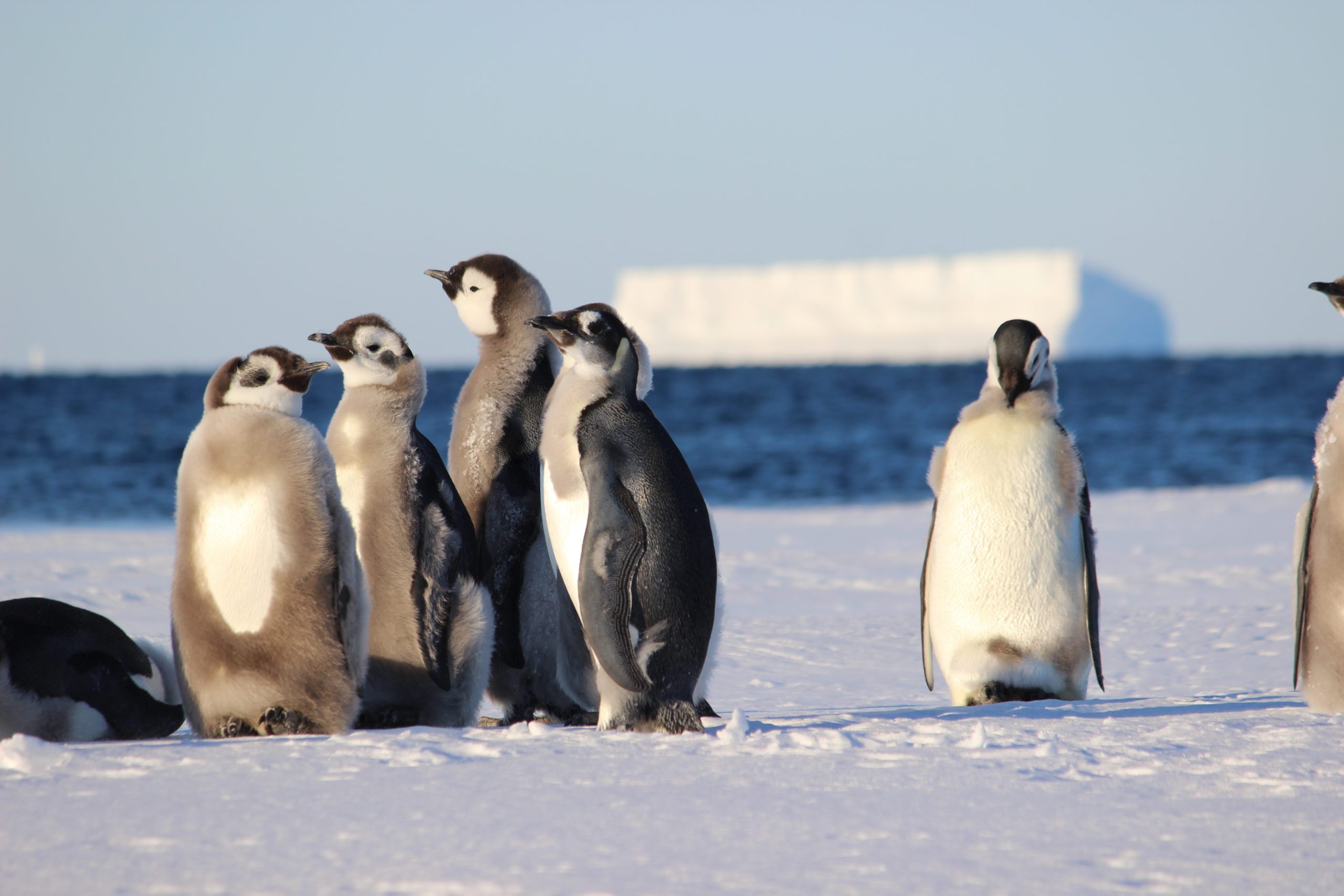
Scientists at the Woods Hole Oceanographic Institution (WHOI) and European research institutions are calling for better protections for juvenile emperor penguins, as the U.S. Fish and Wildlife Service considers listing the species under the Endangered Species Act and the Commission for the Conservation of Antarctic Marine Living Resources (CCAMLR) considers expanding the network of Marine Protected Areas (MPAs) in the Southern Ocean.
Read MoreScientists report complete collapse of East Antarctica’s Conger Ice Shelf
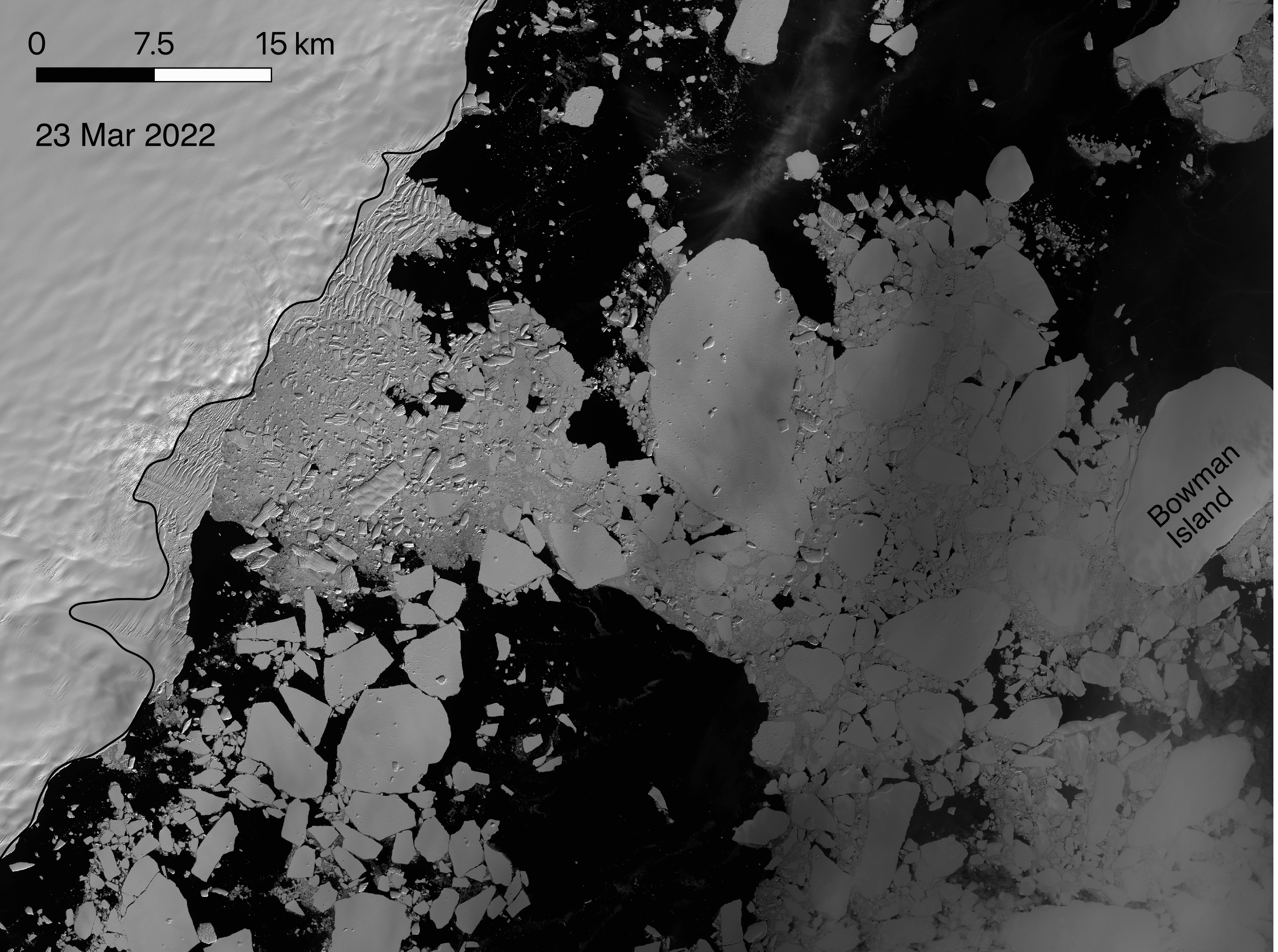
Satellite data has confirmed that an ice shelf about the size of Manhattan has completely collapsed in East Antarctica within days of record high temperatures. The Conger ice shelf, which had an approximate surface area of 1,200 sq km, collapsed around 15 March, scientists confirmed today.
Read MoreWHOI Arctic experts present at international climate conference overseas
Experts from WHOI and Woodwell Climate Research Center are on the ground at COP26 in Glasgow, Scotland, sharing critical perspective on the implications of a warming Arctic
Read MoreA recent reversal in the response of western Greenland’s ice caps to climate change
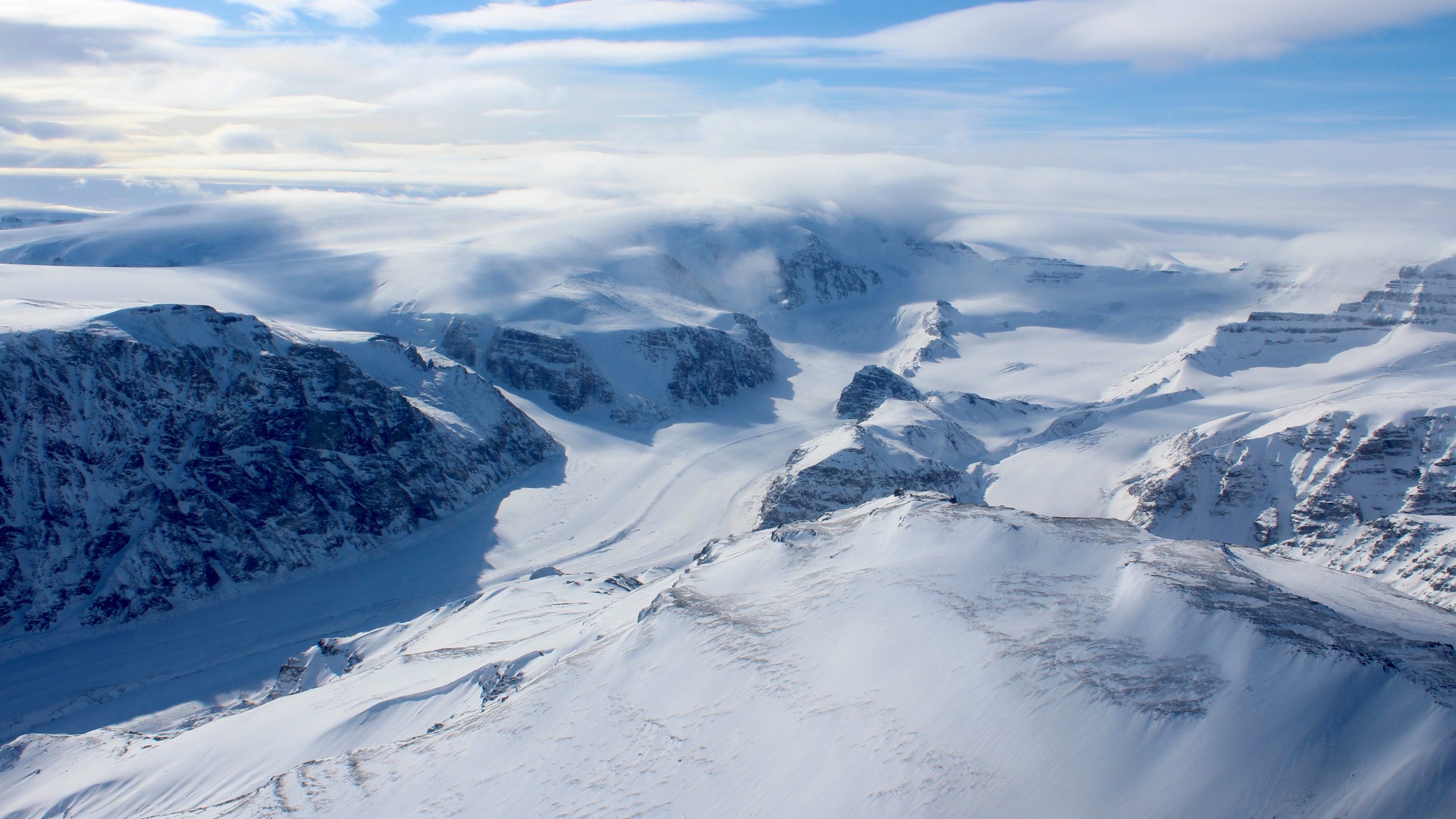
New collaborative research from the WHOI and five partner institutions published today in Nature Geoscience, reveals that during past periods glaciers and ice caps in coastal west Greenland experienced climate conditions much different than the interior of Greenland. Over the past 2,000 years, these ice caps endured periods of warming during which they grew larger rather than shrinking.
Read MoreEmperor penguins, recommended as threatened species under Endangered Species Act
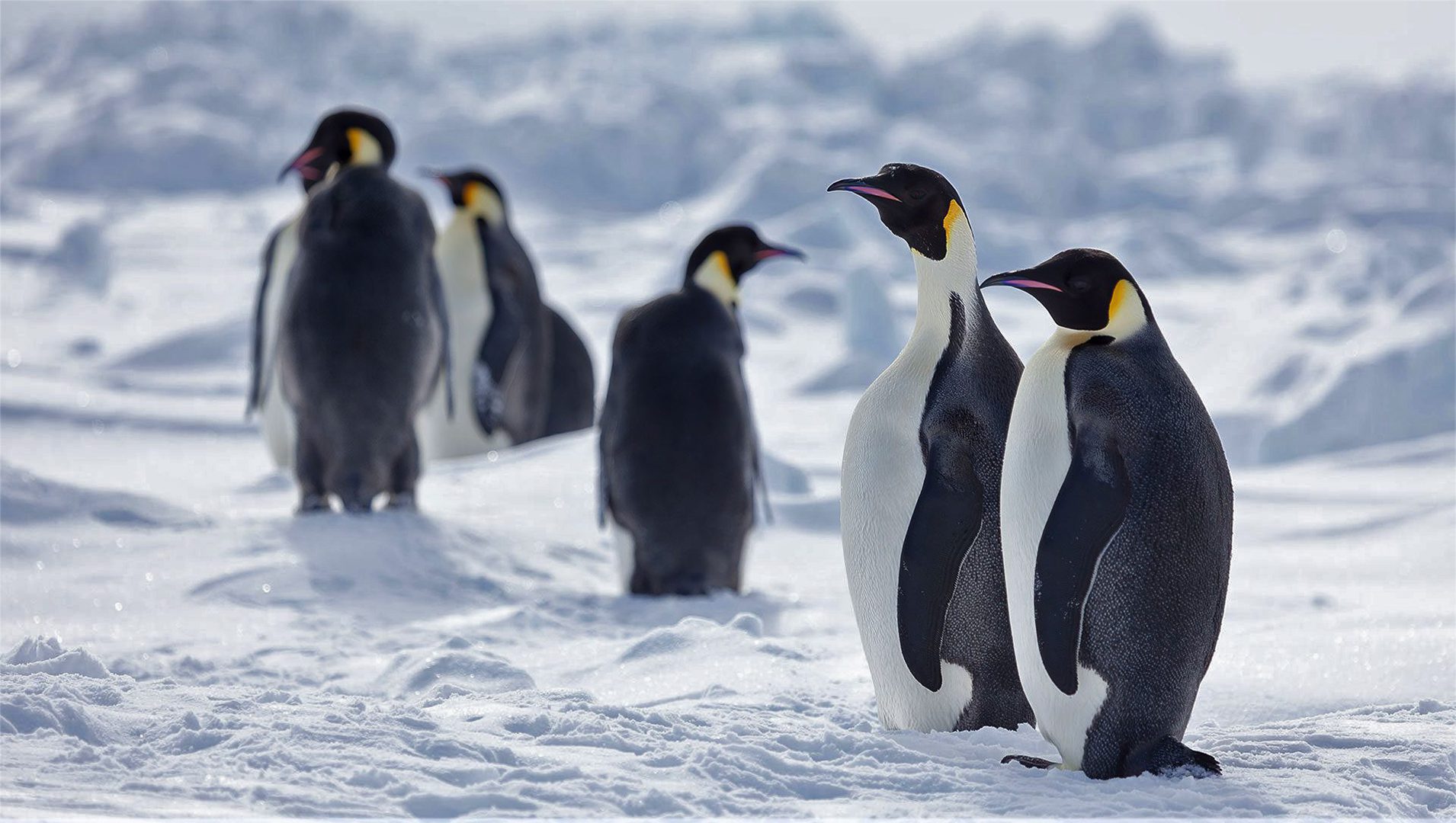
Today, the U.S. Fish and Wildlife Service (USFWS) announced a proposal to list the emperor penguin as a threatened species under the Endangered Species Act.
Read MoreNew Study Finds Emperor Penguins Increasingly Threatened by Climate Change
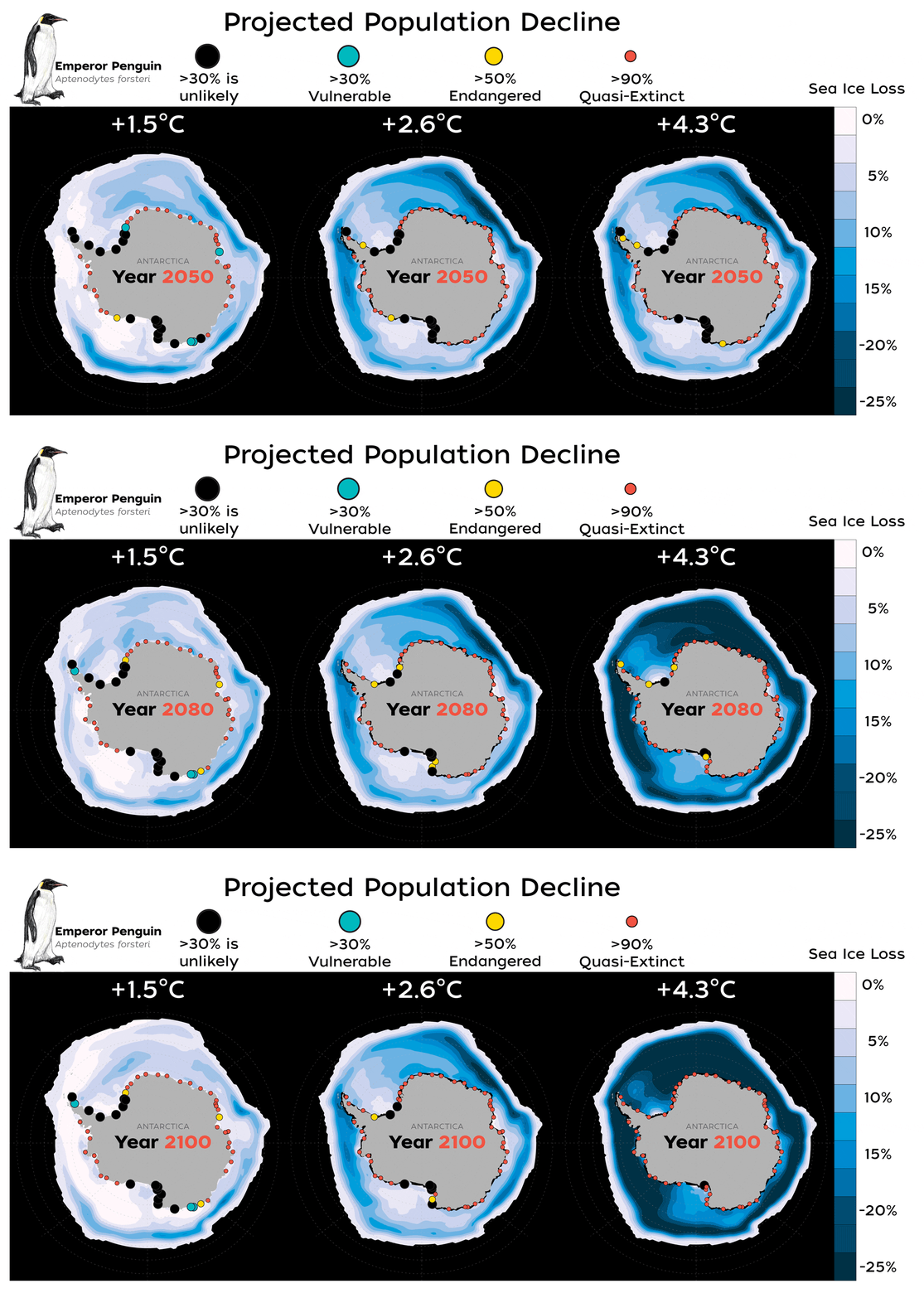
A new study published today in Global Change Biology provides valuable new data that highlights how species extinction risk is accelerating due to rapid climate change and an increase in extreme climate events, such as glacial calving and sea ice loss.
Read MoreEpic Arctic Mission Ends
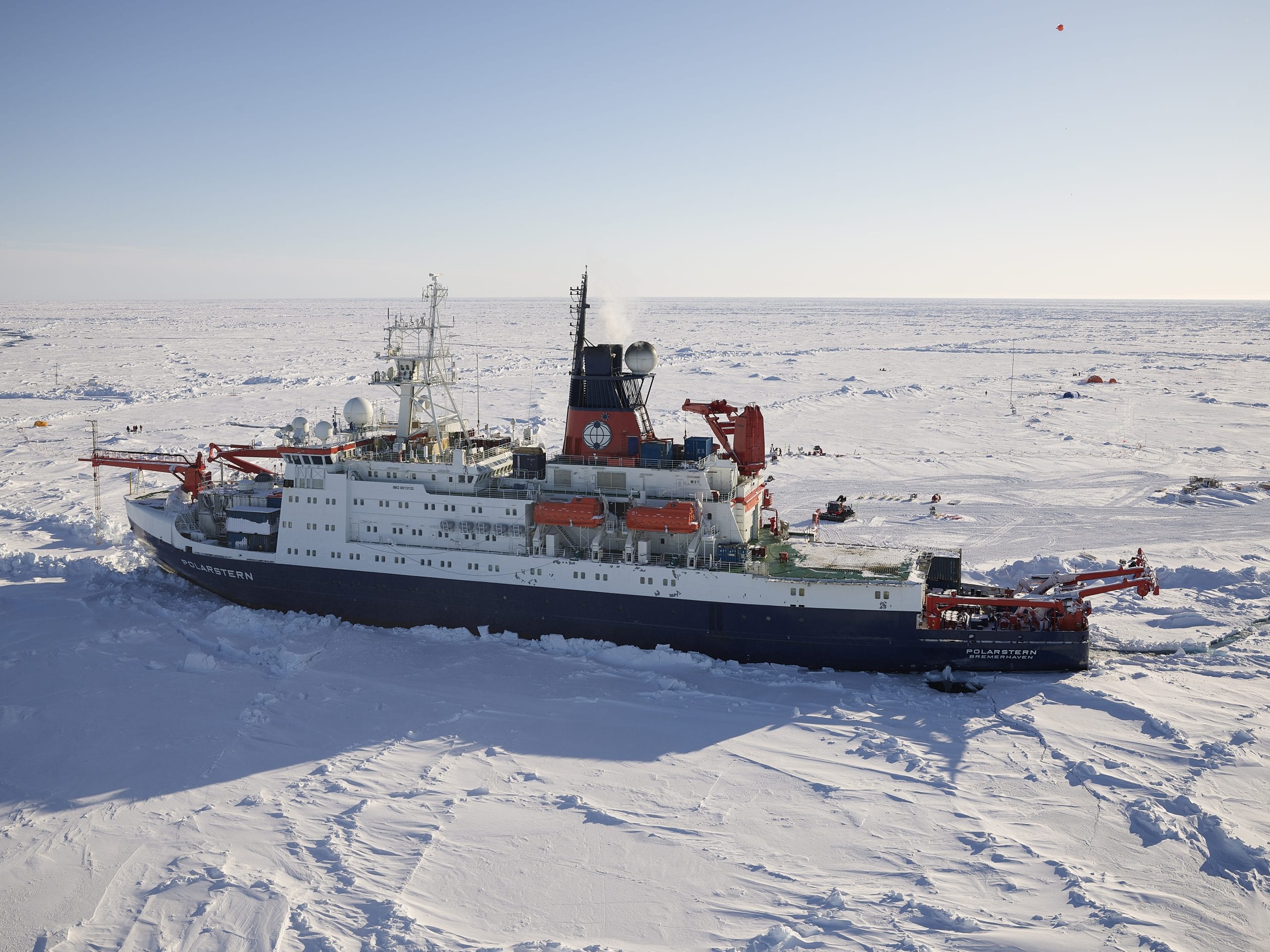
An epic mission ended as the German icebreaker Polarstern returned home Oct. 12, 2020, after being frozen near the top of the world for nearly a year to study all aspects of the Arctic system.
Read MoreAntarctic Ice Sheet Loss Expected to Affect Future Climate Change
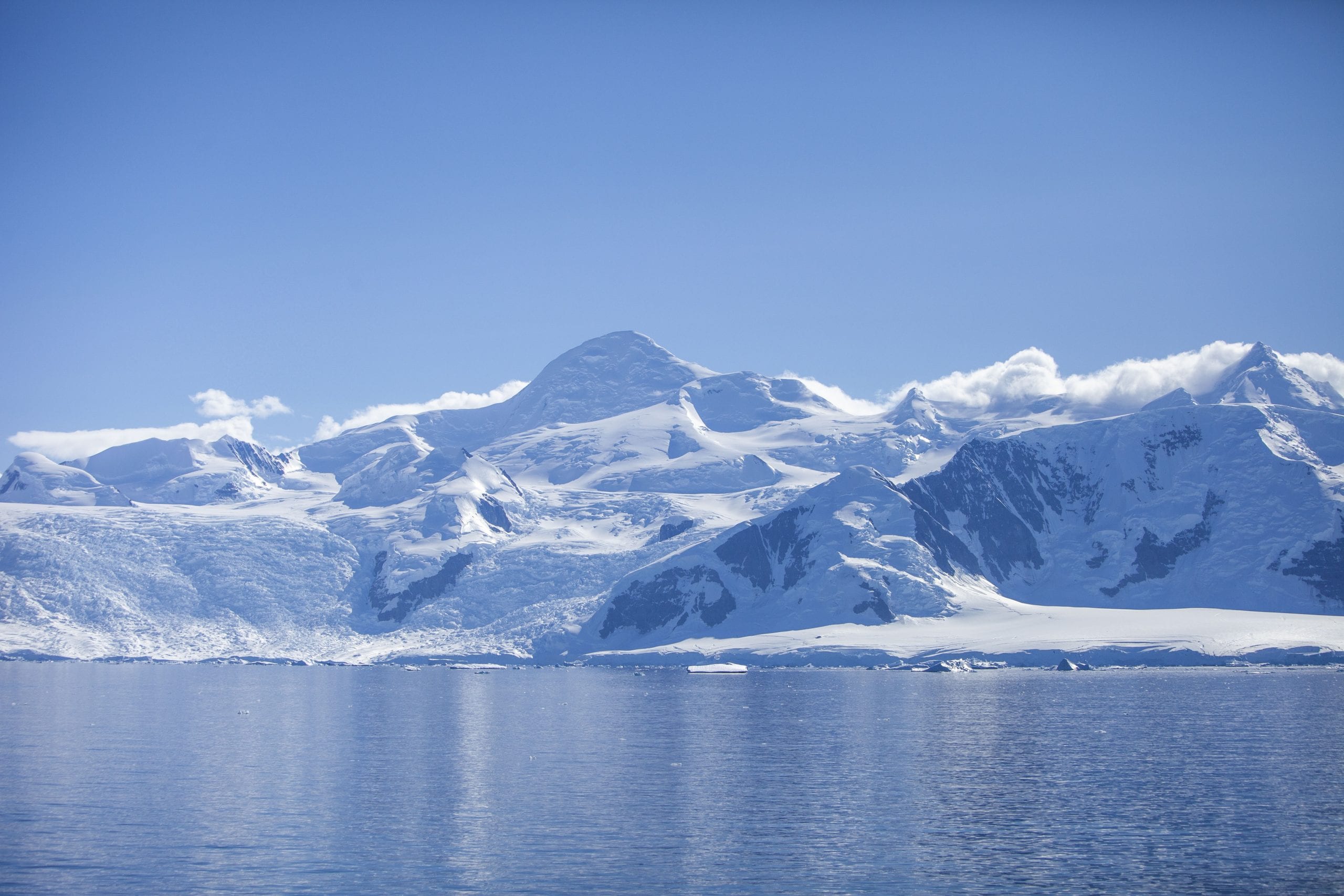
The research team reports that their new models with the added ice melt information reveal important interacting processes and demonstrate a need to accurately account for meltwater input from ice sheets in order to make confident climate predictions.
Read MoreA rapidly changing Arctic
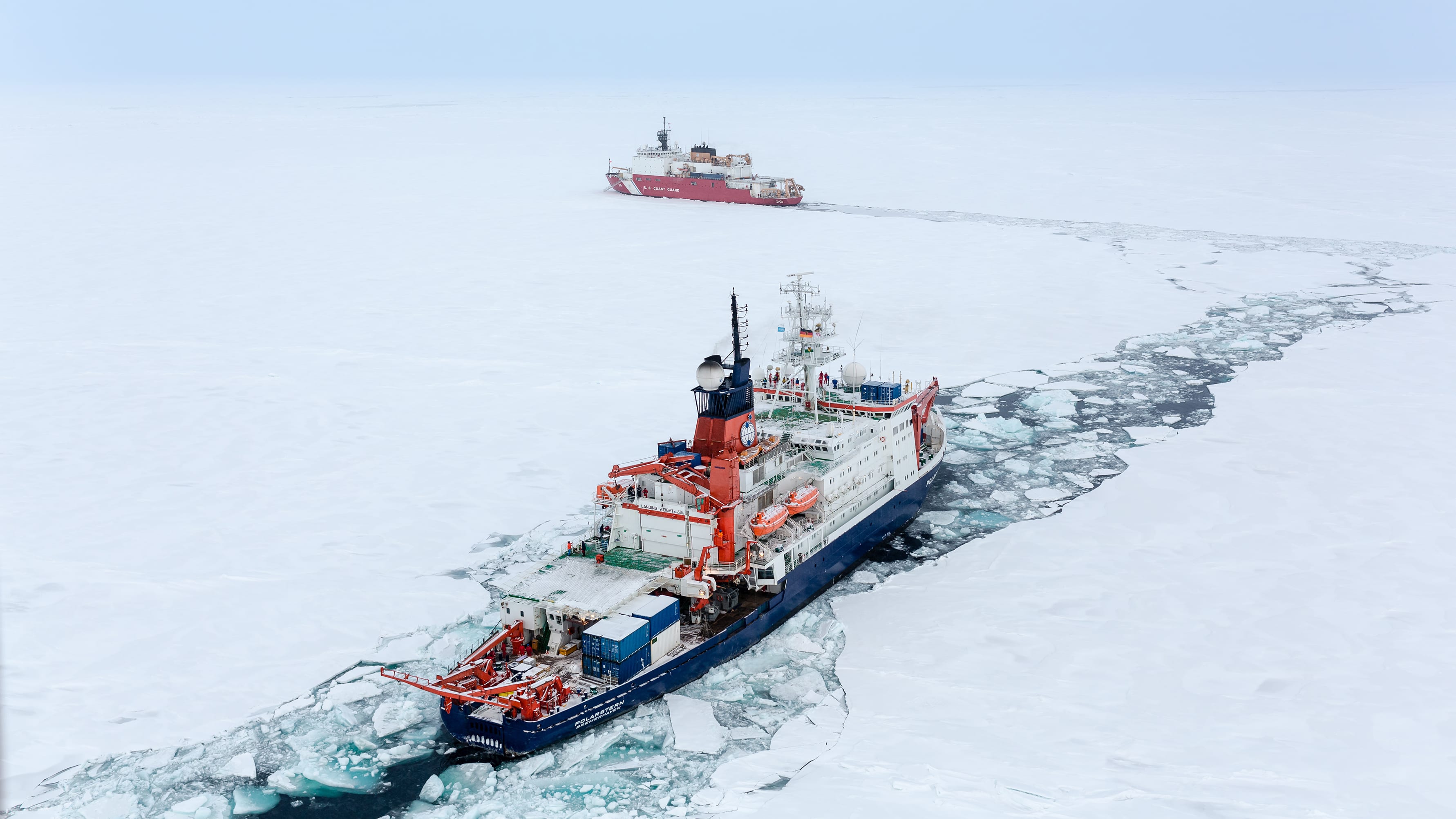
A new study by researchers at Woods Hole Oceanographic Institution (WHOI) and their international colleagues found that freshwater runoff from rivers and continental shelf sediments are bringing significant quantities of carbon and trace elements into parts of the Arctic Ocean via the Transpolar Drift—a major surface current that moves water from Siberia across the North Pole to the North Atlantic Ocean.
Read MoreUnless warming is slowed, emperor penguins will be marching towards extinction
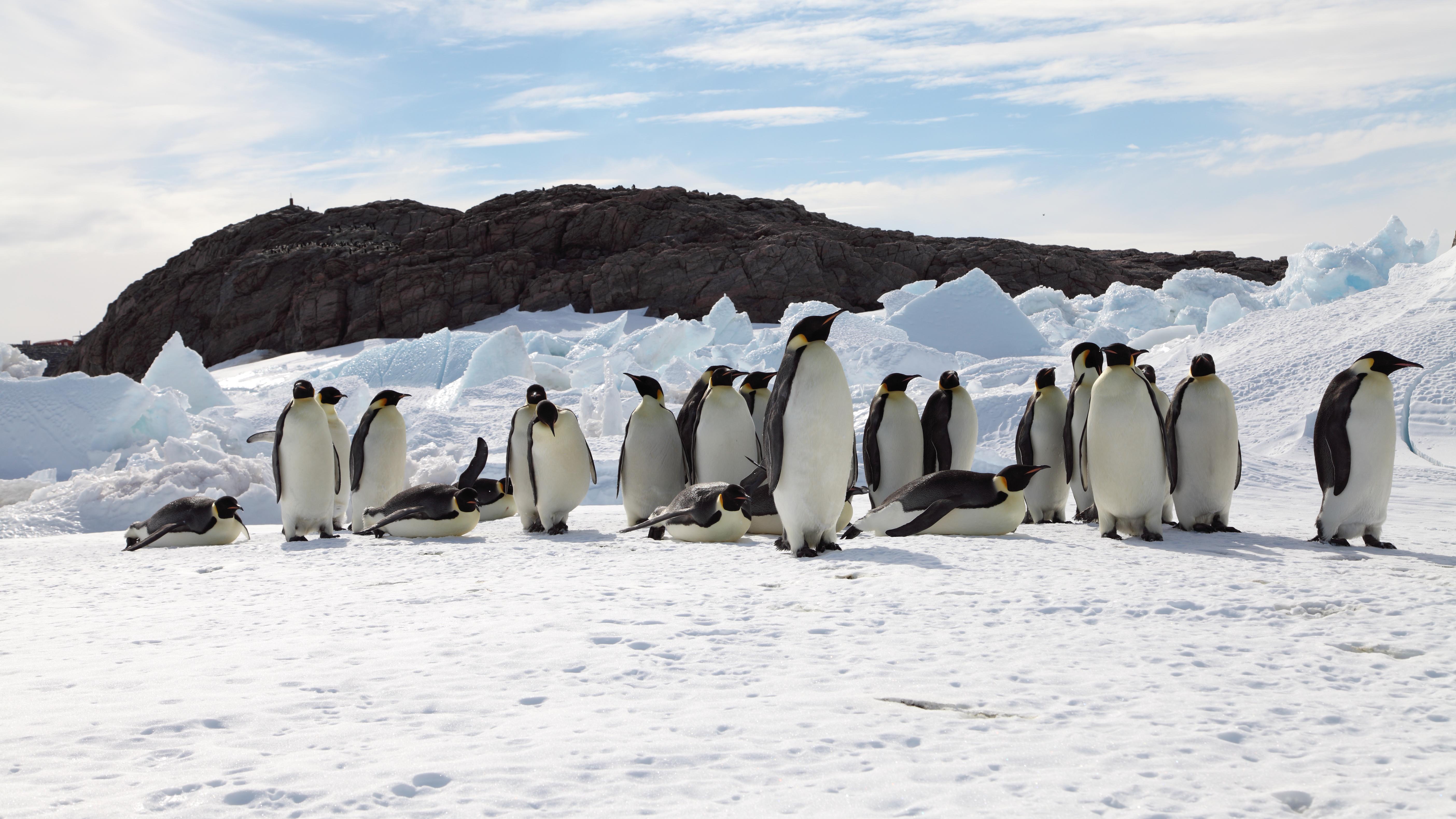
Emperor penguins are some of the most striking and charismatic animals on Earth, but a new study from the Woods Hole Oceanographic Institution has found that a warming climate may render them extinct by the end of this century. The study, which was part of an international collaboration between scientists, published Nov. 7, 2019, in the journal Global Change Biology.
Read MoreEmperor Penguins’ First Journey to Sea
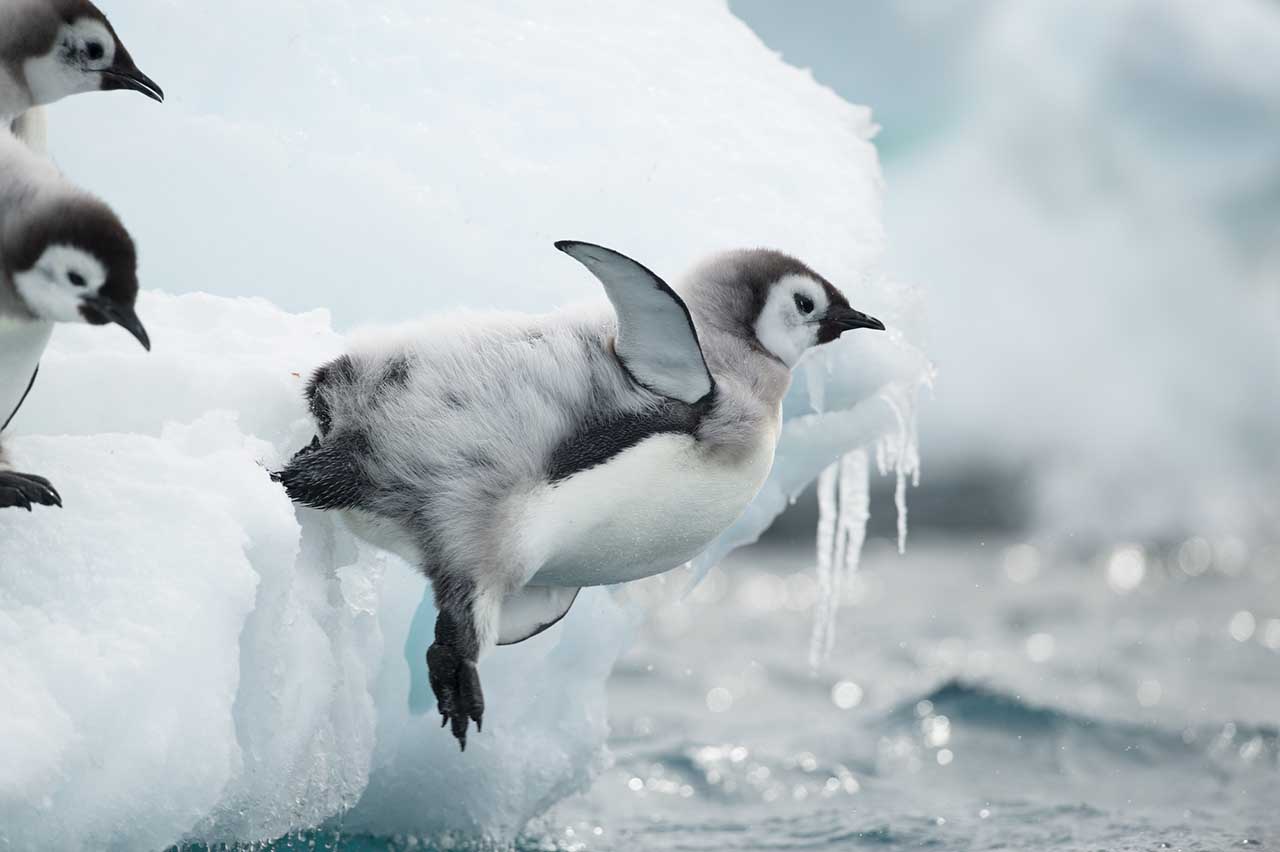
The paper, published Jan. 17, 2019, in the journal Marine Ecology Progress Series, also highlights the unique connection between juvenile diving behaviors and a layer of the ocean, known as the thermocline, where warmer surface waters meet cooler deep waters below and where their prey likely gather in groups.
Read MoreGreenland Ice Sheet Melt ‘Off the Charts’ Compared With Past Four Centuries
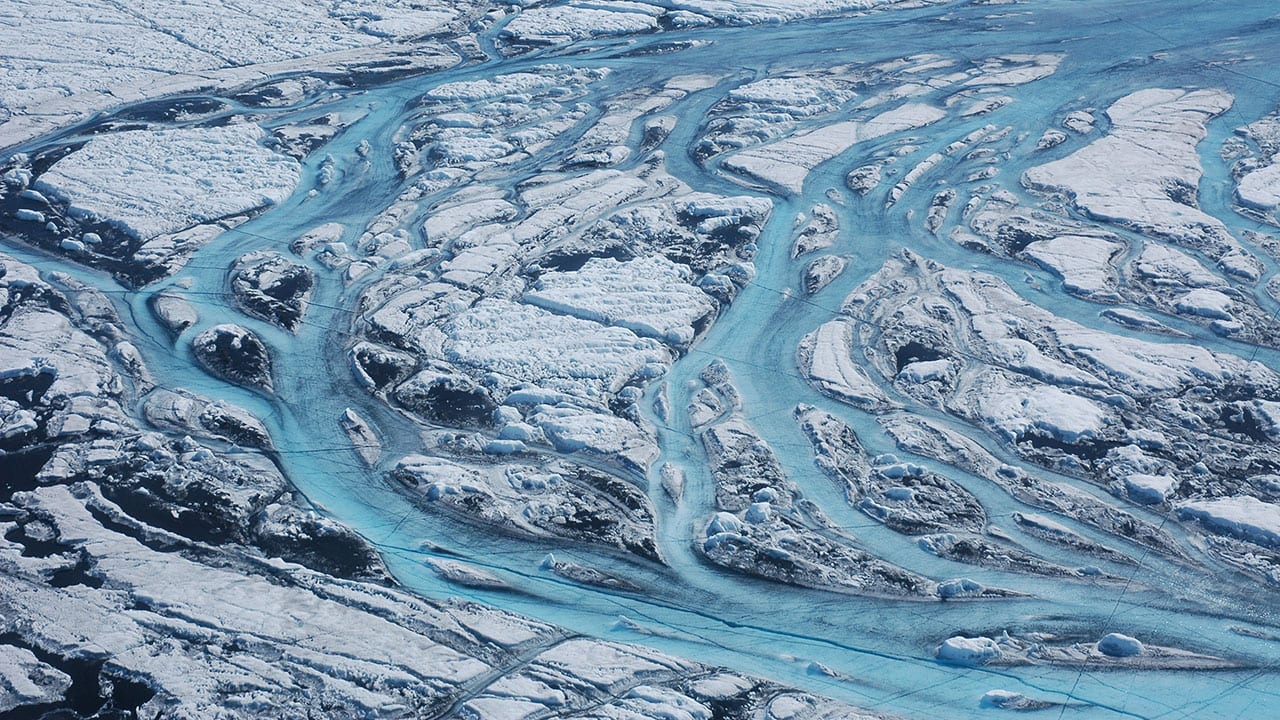
Surface melting across Greenland’s mile-thick ice sheet began increasing in the mid-19th century and then ramped up dramatically during the 20th and early 21st centuries, showing no signs of abating, according to new research published Dec. 5, 2018, in the journal Nature. The study provides new evidence of the impacts of climate change on Arctic melting and global sea level rise.
Read MoreAre Emperor Penguins Eating Enough?
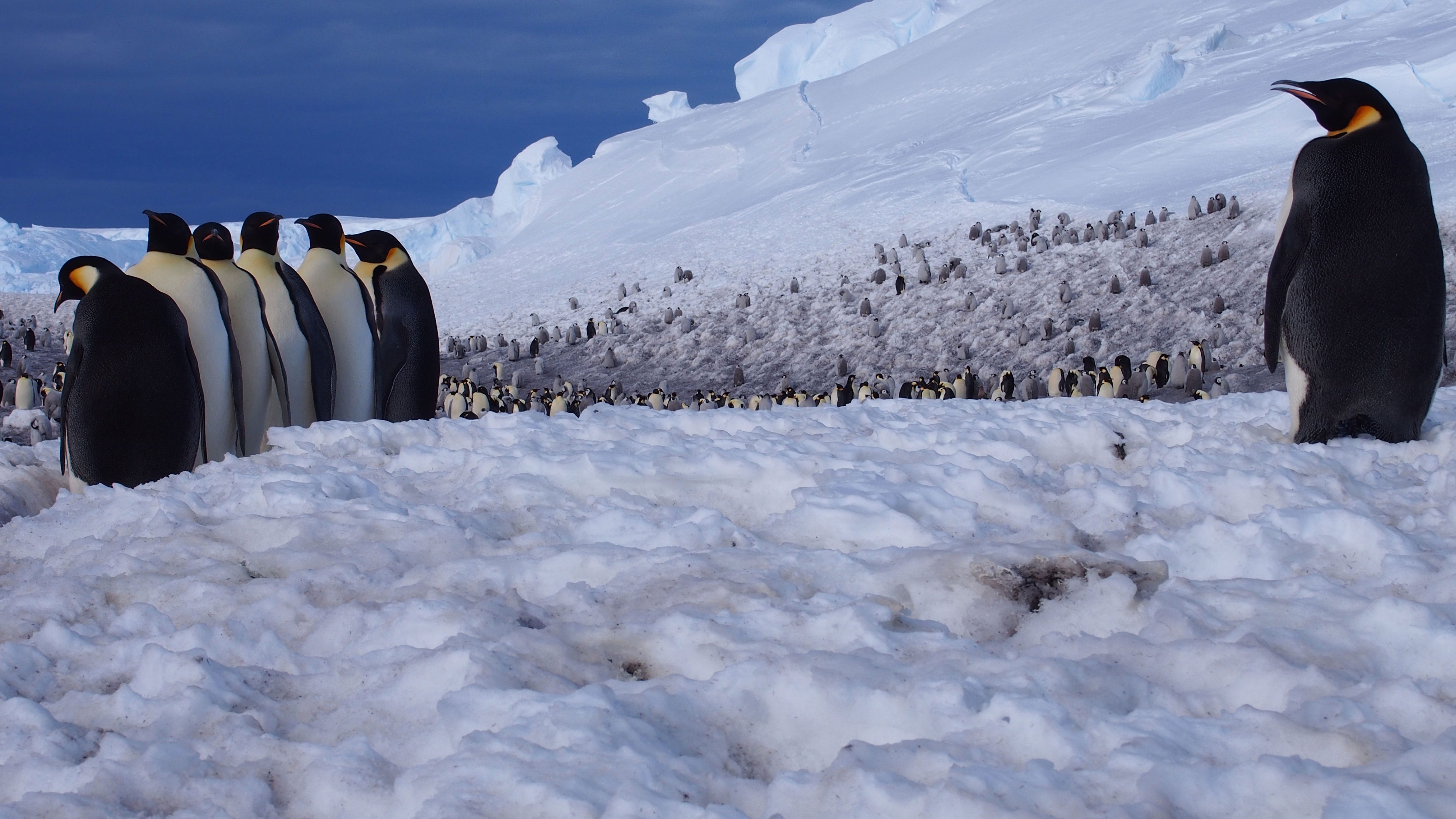
For Emperor penguins waddling around a warming Antarctic, diminishing sea ice means less fish to eat. How the diets of these tuxedoed birds will hold up in the face of…
Read MoreMonitoring Bacteria on Whale Skin
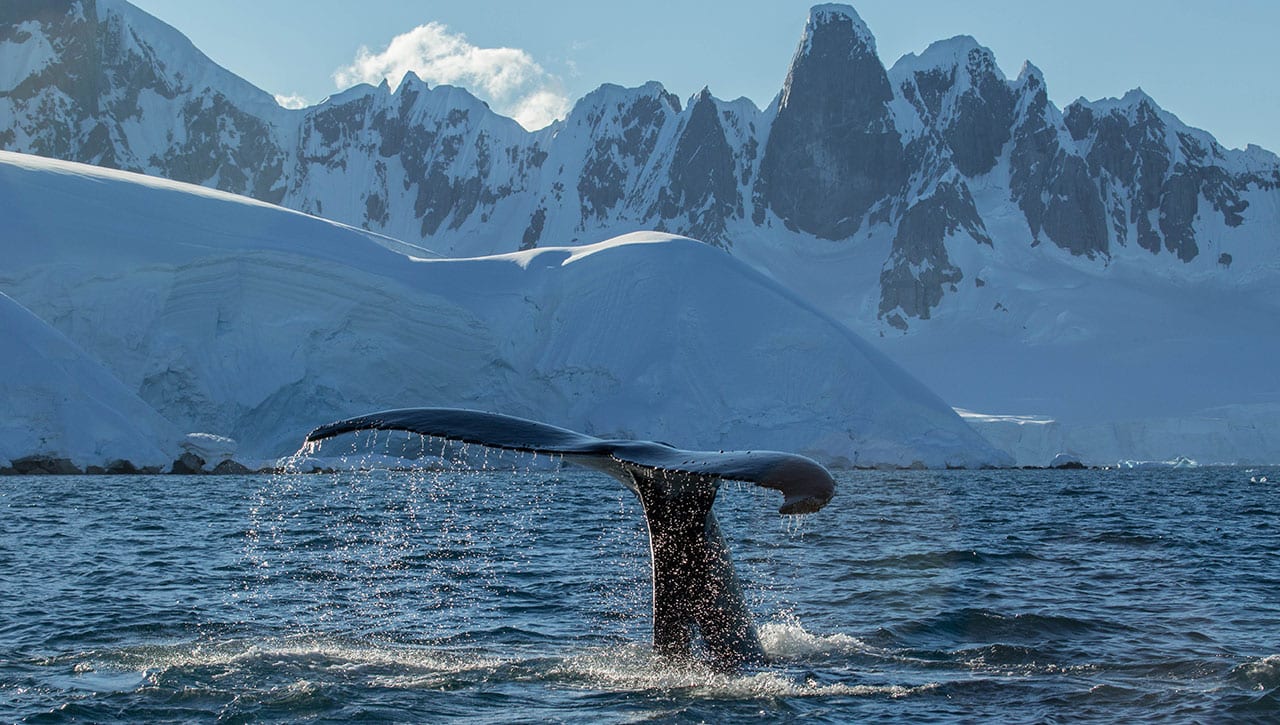
Just like with humans, the skin on marine mammals serves as an important line of defense against pathogens in their environment. A new study sheds light on the skin microbiome – a group of microorganisms that live on skin – in healthy humpback whales, which could aid in future efforts to monitor their health.
Read MoreFiamma Straneo Selected for Prestigious Sverdrup Lecture
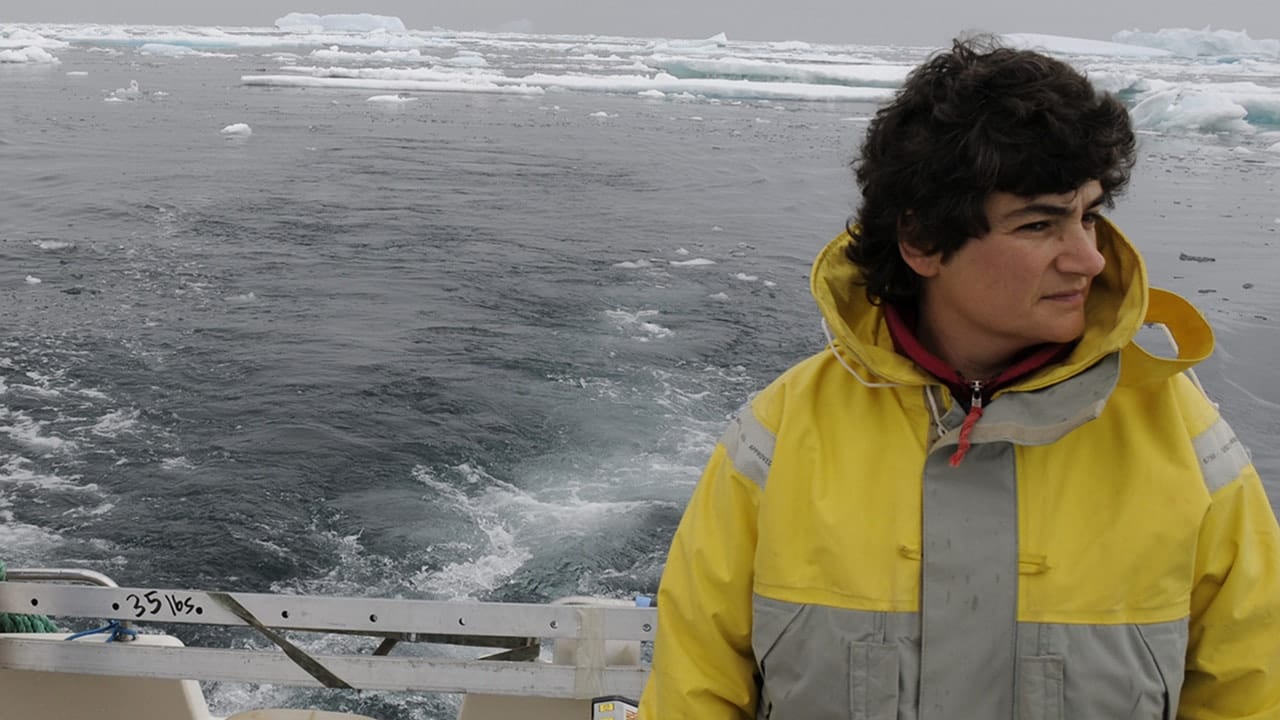
The American Geophysical Union (AGU) has chosen Fiamma Straneo, a physical oceanographer at Woods Hole Oceanographic Institution (WHOI), to deliver the Sverdrup Lecture at this year’s meeting of the Ocean Sciences section held in New Orleans from February 21-26, 2016. The lecture is one of the highest awards the section bestows on its members.
Read MoreNew Study Projects That Melting of Antarctic Ice Shelves Will Intensify
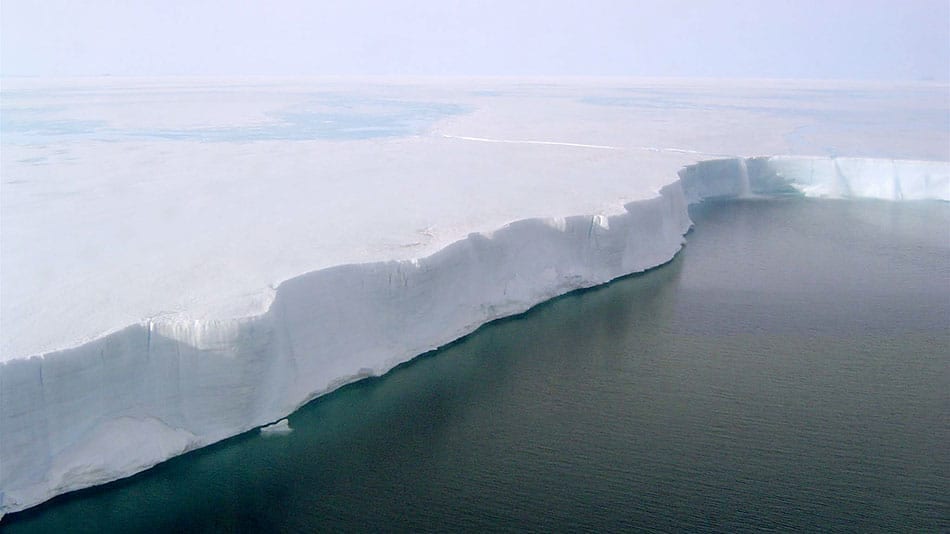
New research published today projects a doubling of surface melting of Antarctic ice shelves by 2050 and by 2100 may surpass intensities associated with ice shelf collapse, if greenhouse gas emissions from fossil fuel consumption continues at the present rate.
Ice shelves are the floating extensions of the continent’s massive land-based ice sheets. While the melting or breakup of floating ice shelves does not directly raise sea level, ice shelves do have a “door stop” effect: They slow the flow of ice from glaciers and ice sheets into the ocean, where it melts and raises sea levels.
Read MoreAnna Michel Receives Gulf Research Program Early-Career Research Fellowship

Anna Michel, an assistant scientist in theApplied Ocean Physics and Engineering Department at Woods Hole Oceanographic Institution (WHOI), was chosen by the National Academy of Sciences (NAS) to receive a 2015 Gulf Research Program Early-Career Research Fellowship.
Read MoreNereid Under Ice Vehicle: A Powerful New Tool for Polar Science
Scientists studying the harsh and rapidly changing Arctic environment now have a valuable new tool to advance their work—an innovative robot, designed and built at the Woods Hole Oceanographic Institution (WHOI) that is changing the way scientists can interact with and observe the polar environment.
Read MoreUnderwater Robot Sheds New Light on Antarctic Sea Ice
The first detailed, high-resolution 3-D maps of Antarctic sea ice have been developed using an underwater robot. Scientists from the UK, USA and Australia say the new technology provides accurate ice thickness measurements from areas that were previously too difficult to access.
Read MoreGlaciers Contribute Significant Iron to North Atlantic Ocean
All living organisms rely on iron as an essential nutrient. In the ocean, iron’s abundance or scarcity means all the difference as it fuels the growth of plankton, the base…
Read More