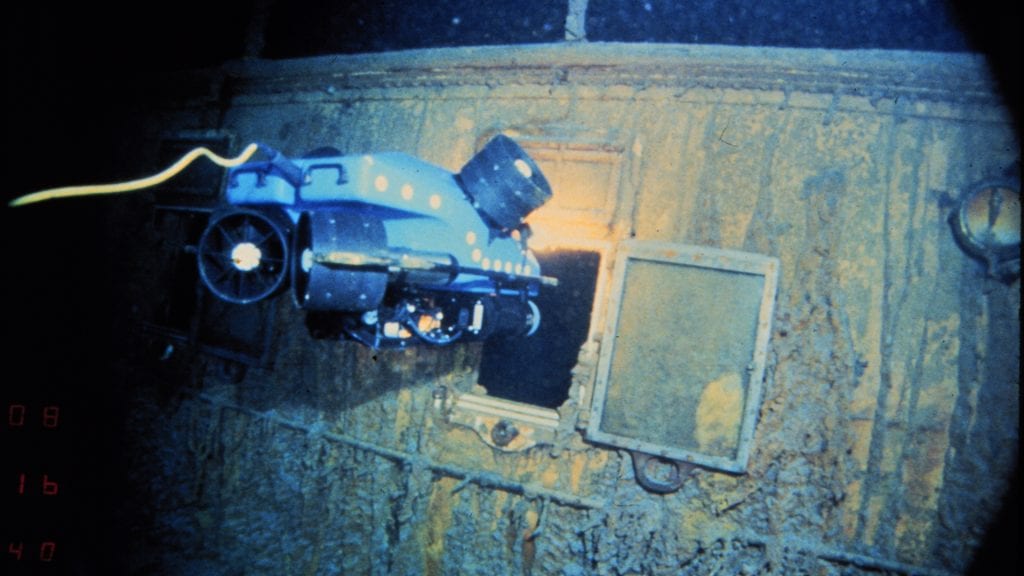
Ocean archaeology is the study of human history through the investigation of shipwrecks, sunken settlements, and other submerged remains. This field offers a fascinating journey into our past through underwater treasures that contain a wealth of stories about human exploration, trade, and creativity. Every dive reveals incredible insights into our shared history, allowing a chance to connect with narratives that have long been hidden beneath the surface.
Researchers employ advanced technologies, such as remotely operated vehicles (ROVs), autonomous underwater vehicles (AUVs), sonar, and deep-sea imaging systems, to investigate the ocean floor and recover archaeological information. These tools have enabled the documentation of both ancient and modern maritime history. Notable discoveries include the wreckage of Air France Flight 447, which crashed in 2009 and was located approximately 2.5 miles deep in the Atlantic Ocean; the Antikythera shipwreck from ancient Greece; and the remains of the RMS Titanic.
In addition to high-profile discoveries, underwater archaeologists study areas that are rich in material. The shallow waters of Massachusetts' Stellwagen Bank create treacherous conditions that change unexpectedly, leading to numerous shipwrecks.
Ocean Encounters: The Science of Shipwrecks
There are an estimated three million shipwrecks across the world's seafloor. These sites provide important insight into human history and culture. They are also home to rich ecosystems of interest to marine scientists. Renowned explorer Dr. Robert Ballard and WHOI scientist Dr. Kirstin Meyer-Kaiser provide a fascinating overview of some of the many, surprising facts that can be learned from shipwrecks.
More topics like this
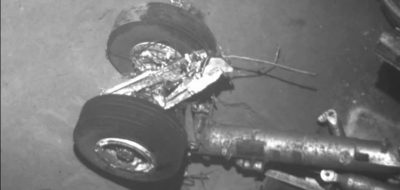
Air France flight 447
On April 4, 2011, a search team led by the Woods Hole Oceanographic Institution (WHOI) located the wreckage of the Airbus jet some 3,900 meters (nearly 2.5 miles) below the surface of the Atlantic Ocean.
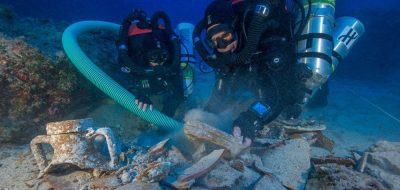
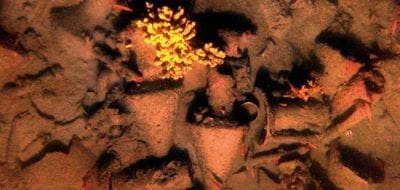
Antikythera shipwreck
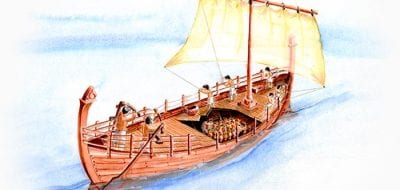
The site of the Antikythera Wreck holds the remains of a Greek trading or cargo ship dating from the First Century, BCE. It is located on the east side of the Greek island of Antikythera.
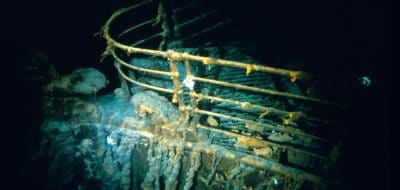
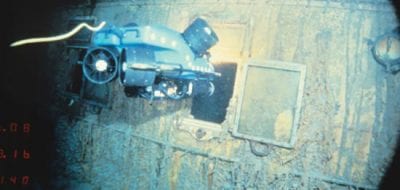
RMS Titanic
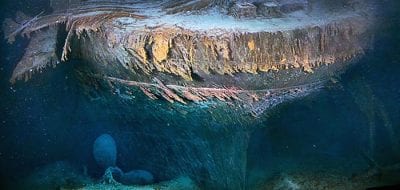
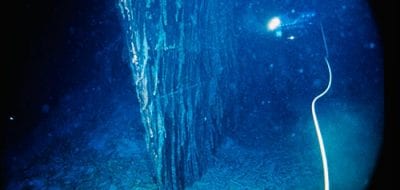
The RMS Titanic was a passenger and mail ship that hit an iceberg on its maiden voyage on April 14, 1912. It remains one of the deadliest peacetime maritime disasters in history.
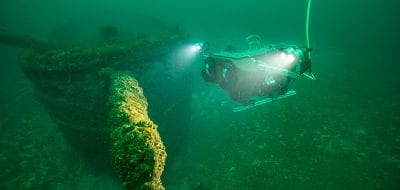
Stellwagen Bank
The shallow waters of the Stellwagen Bank create treacherous conditions that change unexpectedly and have led to numerous shipwrecks that dot the seafloor.
Oceanus magazine
[ ALL ]In-depth research on Underwater archaeology
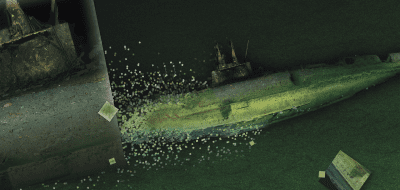
Eyes on the deep
A mummy, a myth, and the Titanic

Inside Room 71: WHOI history in seven artifacts
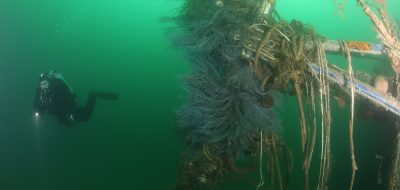
A new underwater robot could help preserve New England’s historic shipwrecks
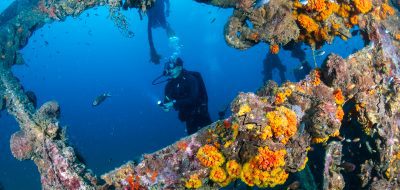
Five marine animals that call shipwrecks home
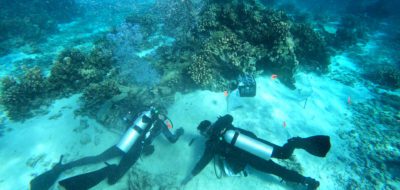
Can environmental DNA help us find lost US service members?
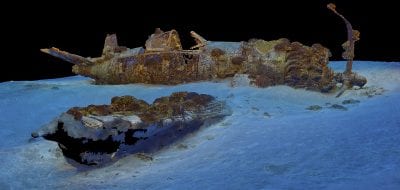
Re-envisioning Underwater Imaging
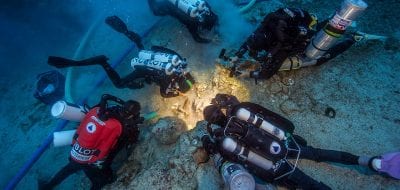
Ancient Skeleton Discovered

Inside the Sunken USS Arizona
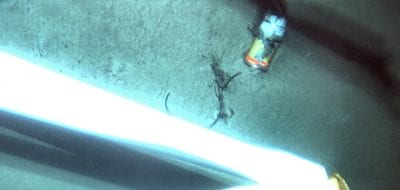
Why Did the El Faro Sink?
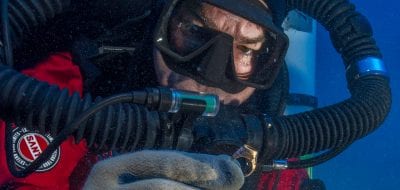
A Luxury-Laden Shipwreck from 65 B.C.
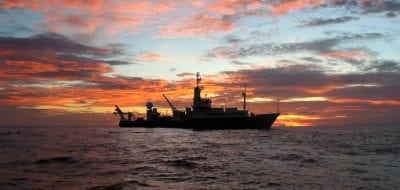
Farewell to the Knorr
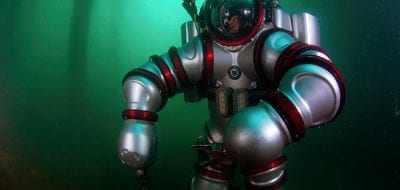
WHOI News Room
[ ALL ]Press releases
Forty years after the Titanic discovery, WHOI continues to advance ocean research and exploration
Woods Hole Oceanographic Institution releases rare video footage from the first submersible dives to RMS Titanic
New Details on Discovery of San Jose Shipwreck
Get the ocean in your inbox
Fresh discoveries, research, and stories from WHOI — free, every week.