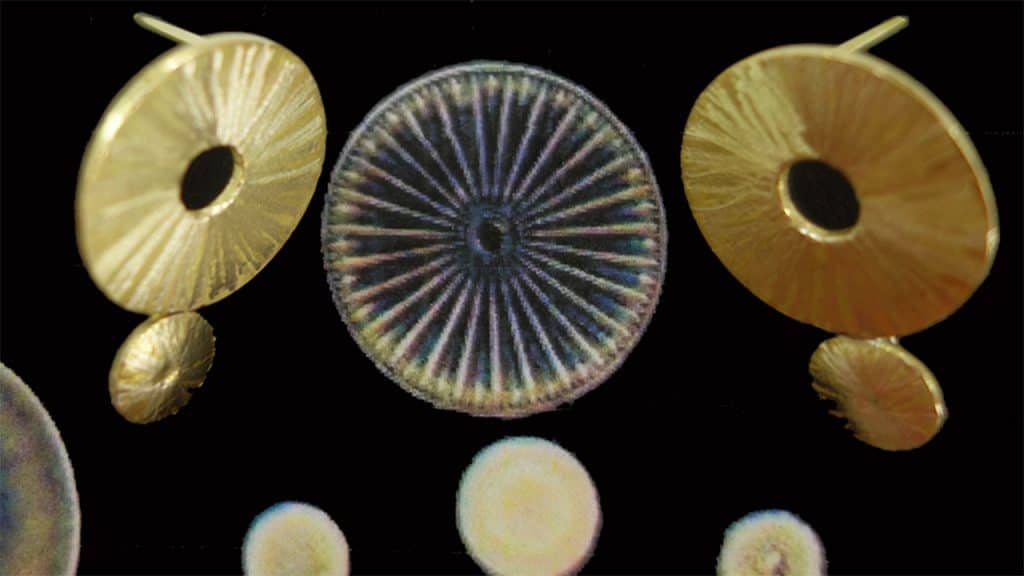
What are Phytoplankton?
Phytoplankton are mostly microscopic, single-celled photosynthetic organisms that live suspended in water. Like land plants, they take up carbon dioxide, make carbohydrates using light energy, and release oxygen. They are what is known as primary producers of the ocean—the organisms that form the base of the food chain.
Because they need light, phytoplankton live near the surface, where enough sunlight can penetrate to power photosynthesis. The thickness of this layer of the ocean—the euphotic zone—varies depending on water clarity, but is at most limited to the top 200 to 300 meters (600 to 900 feet), out of an average ocean depth of 4,000 meters (13,000 feet).
Did you know?
Scientists usually divide plankton into three groups that align with major divisions of life.
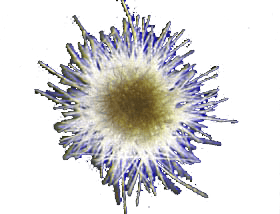
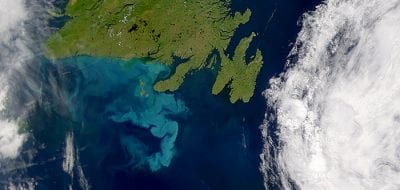
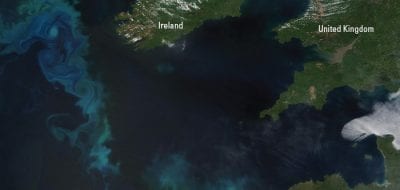
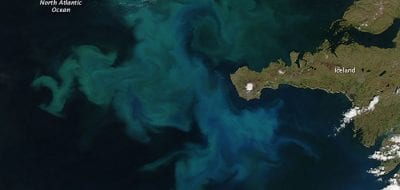
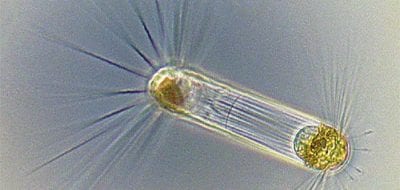
Phytoplankton comprise two very different kinds of organisms. The larger category include, single-celled algae known as protists—advanced eukaryotic cells, similar to protozoans. These forms include diatoms and are most abundant near coasts. Occasionally, these organisms form blooms—rapid population explosions—in response to changing seasons and the availability of nutrients such as nitrogen, iron, and phosphorus.
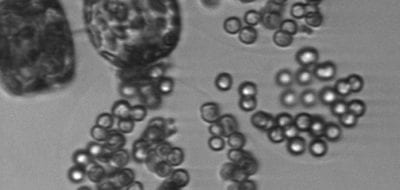
The other type of phytoplankton cells, more primitive but far more abundant than algae, is photosynthetic bacteria. These tiny cells, some only a micron across, are invisible but present in numbers of hundreds of thousands of cells per tablespoon of ocean water. Too small to be caught in any net, these organisms were unknown until the 1970s, when improved technology made them visible. Scientists now know these bacteria are responsible for half of the ocean's primary productivity and are the most abundant organisms in the sea. The group also includes cyanobacteria, which are believed to be among the oldest organisms on Earth and the origin of the photosynthetic organelles in plant cells known as chloroplasts.
What fuels New England’s fisheries?
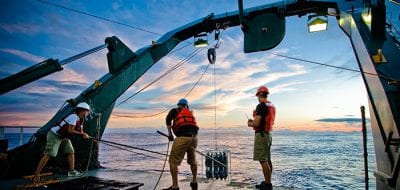
New England's famous fisheries rely on tiny but mighty plankton. That's why scientists keep a close eye on the offshore food web that fuels the region's marine economy. Join WHOI biologist Heidi Sosik on a research cruise to the continental shelf off of Massachusetts.
Why are they important?
Phytoplankton are some of Earth's most critical organisms and so it is vital study and understand them. They generate about half the atmosphere's oxygen, as much per year as all land plants. Phytoplankton also form the base of virtually every ocean food web. In short, they make most other ocean life possible.
Through photosynthesis these organisms transform inorganic carbon in the atmosphere and in seawater into organic compounds, making them an essential part of Earth's carbon cycle. Because they take up carbon dioxide from the atmosphere, when they die they sink they carry this atmospheric carbon to the deep sea, making phytoplankton an important actor in the climate system. Phytoplankton growth is often limited by the scarcity of iron in the ocean. As a result, many people are discussing plans to fertilize large areas of the ocean with iron to promote phytoplankton blooms that would transfer more carbon from the atmosphere to the deep sea.
Phytoplankton are critical to other ocean biogeochemical cycles, as well. They take up, transform, and recycle elements needed by other organisms, and help cycle elements between species in the ocean. Photosynthetic bacteria are especially important in the nutrient-poor open ocean, where they scavenge and release scarce vitamins and other micronutrients that help sustain other marine life.
Some phytoplankton have a direct impact humans and other animals. Dense blooms of some organisms can deplete oxygen in coastal waters, causing fish and shellfish to suffocate. Other species produce toxins that cause can cause illness or death among humans and even whales that are either exposed to the toxins or eat shellfish that accumulate toxins. Such harmful algal blooms (HABs) cause significant economic loss every year in the seafood industry and in tourist communities, and scientists are working to understand the causes of these blooms and to devise ways to predict and prevent them.
 Illustration
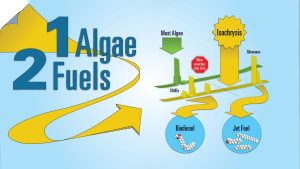
Isochrysis algae to biofuel and jet fuel
Researchers discovered that the algae Isochrysis can produce both biodiesel and jet fuel by utilizing its unique fats, despite its dark, sludgy oil at room temp.
 Illustration
Jet Fuel from Algae?
Scientists have explored a way to make two types of fuel—biodiesel and jet fuel from different compounds in a single type of algae.
 Illustration
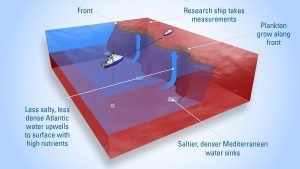
Plankton blooms at ocean fronts
Plankton thrive where water masses meet—rising lighter water brings nutrients to the surface, fueling blooms in sunlit layers of the ocean.
 Illustration
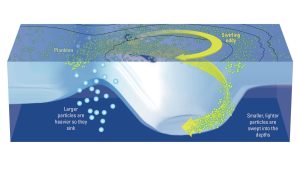
Ocean eddies transporting plankton throughout the water column
Plankton help reduce atmospheric carbon dioxide by using it to grow. Larger particles sink to store carbon, while scientists study how smaller particles might also descend.
 Illustration
Different stages of photosynthesis
Phytoplankton photosynthesize in chloroplasts, using sunlight and CO? to make sugars and oxygen. Xanthophylls protect chlorophyll by adjusting light energy and burning excess as heat.
 Illustration
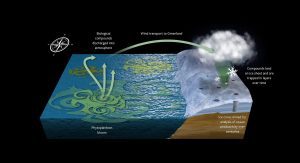
How biological compounds from phytoplankton blooms enter the atmosphere
Biological compounds from phytoplankton blooms could end up trapped in centuries-old ice cores that scientists can use to measure ocean productivity over time.
 Illustration
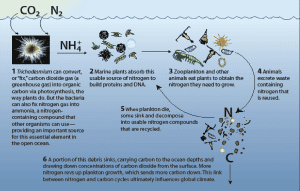
How Trichodesmium are essential cogs in the ecological machinery of the ocean
Trichodesmium are essential cogs in the ecological machinery that cycles chemicals through the oceanschemicals that sustain life and influence global climate.
 Illustration
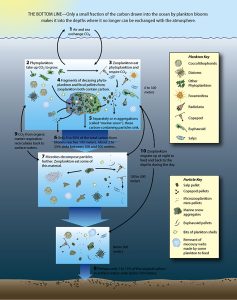
Carbon drawn into the ocean by plankton sinks and dissipates with depth
Only a small fraction of the carbon drawn into the ocean by plankton blooms makes it into the depths where it no longer can be exchanged with the atmosphere.
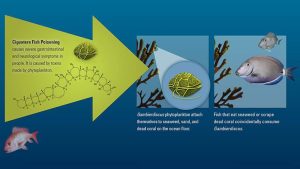 Illustration
Ciguatera Fish Poisoning cycle
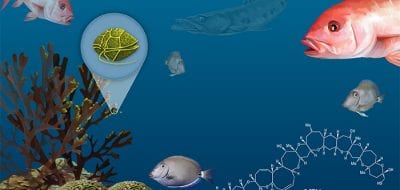
Ciquatera fish poisoning, caused by toxins made by phytoplankton, can cause several gastrointestinal and neurological symptoms in people.
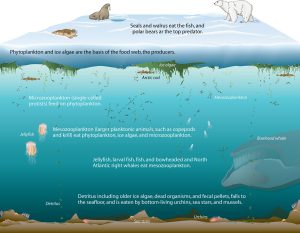 Illustration
Arctic ecosystem
This abundant ecosystem supports large predators like walruses, polar bears, and whales.
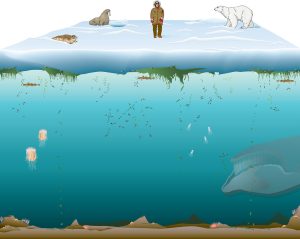 Illustration
Arctic ecosystem, including humans
Arctic animals, including humans, survive on the ocean's plentiful resources.
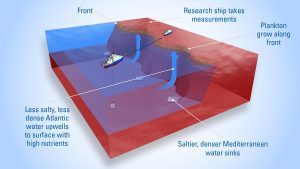 Illustration
Forecasting Where Ocean Life Thrives
Plankton thrive at ocean fronts, where lighter Atlantic water meets denser Mediterranean water, driving nutrient-rich mixing that fuels surface growth.
 Illustration
Let the Sunshine In
Phytoplankton use chloroplasts to photosynthesize, adapting quickly to shifting light in the ocean to fuel growth with sunlight, carbon dioxide, and nutrients.
References
Imaging FlowCytobot
Real-time observation of phytoplankton.
Video Plankton Recorder
An underwater video microscope system that that takes images of plankton and particulate matter.
More topics like this
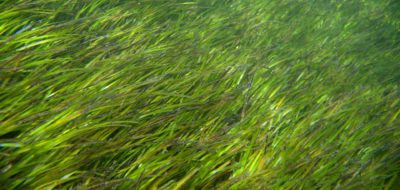
Seagrass meadows
Seagrass meadows are plants adapted to live a completely submerged life in the salty shallows.
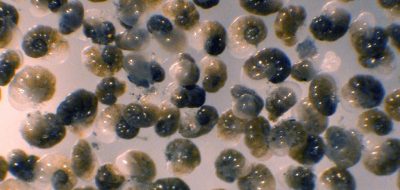
Benthic life
Benthic animals live on the sea floor and are typically invertebrates, such as sea anemones, sponges, corals, sea stars, sea urchins, worms, mussels, crabs, and more.
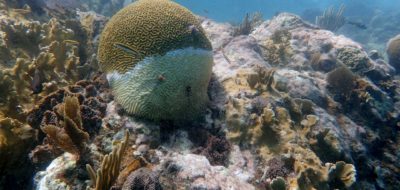
Coral stressors
Stressors can affect organisms living on the reef or they can affect the corals, themselves. When corals die, other organisms must relocate or struggle to survive.
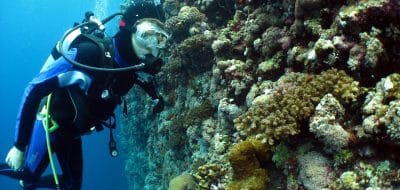
Corals
Many people think of coral as hard, rock-like formations that attract abundant, diverse marine life. In fact, corals are tiny marine animals called polyps that live together in colonies.
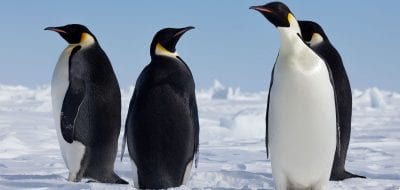
Emperor penguins
The emperor penguin is the largest living penguin species standing around 115 centimeters tall. Once they have found a partner, they work together to keep their young fed and safe.
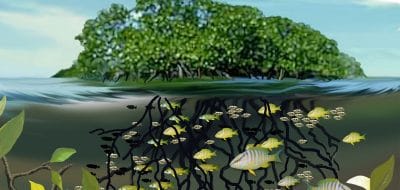
Coastal ecosystems
The narrow region where land and ocean meet includes salt marshes, mangroves, wetlands, estuaries, reefs, and bays often linked in a network of physical, chemical, and biological interchanges.
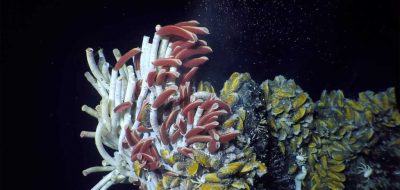
Ecosystems
Ocean ecosystems are found in polar regions, coastal waters, coral reefs, hydrothermal vents, the abyssal plain, and at the bottom of the sea.

Environmental DNA (eDNA)
Environmental DNA (eDNA) is essentially DNA collected from the environment. As animals swim through the ocean, they're constantly releasing DNA as they shed skin or scales into the water column.
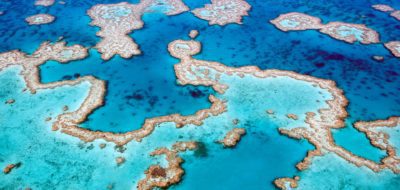
Reef ecosystems
A healthy reef protects coastlines from wave damage, plays a critical role in providing food, boosts the economy, and provides materials for pharmaceuticals.
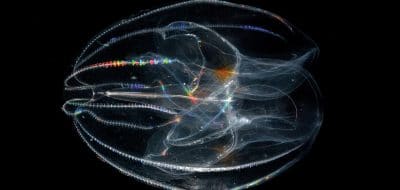
Jellyfish & other zooplankton
These animals live all or part of their life suspended and drifting in fresh or salt water, rarely come in contact with hard surfaces.
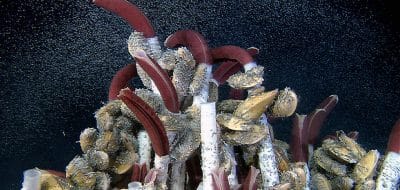
Life at vents & seeps
Hydrothermal vents and cold seeps are places where chemical-rich fluids emanate from the seafloor, often providing the energy to sustain lush communities of life in some very harsh environments.

Polar life
By human standards, they are extreme environments. Yet life not only persists in the poles...it thrives.
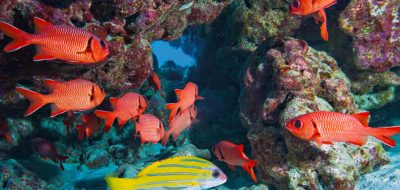
Reef fish
Fish that inhabit a coral reef play essential roles in the reef ecosystem, and reefs without fish struggle to recover from bleaching or other events that damage the coral.
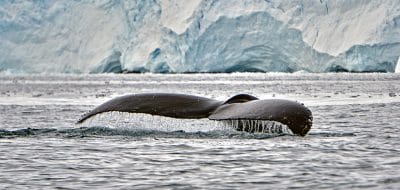
Marine mammals
Marine mammals are warm-blooded vertebrates that bear live young and nourish them with milk as land mammals do, but that spend most or all of their lives in the ocean.
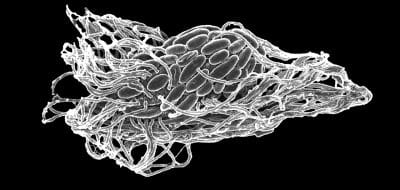
Marine microbes
Microbial life can be found throughout the ocean, from rocks and sediments beneath the seafloor, across the vast stretches of open water, to intertidal and surf zones.
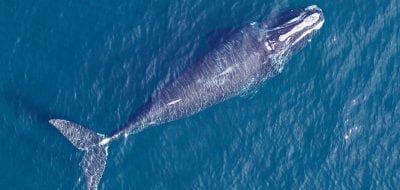
Right whales
The North Atlantic right whale is one of the ocean's most endangered large animals, with only a few hundred left. Slow-moving and often near the surface, these baleen whales are especially vulnerable to ship strikes and entanglement in fishing gear.

Seabirds
Seabirds have adapted to life in an ocean environment. There are many species of seabirds, and they vary greatly in behavior and physiology
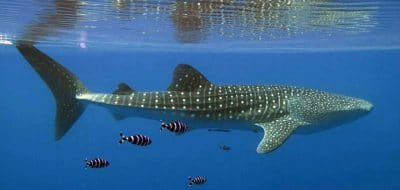
Sharks & other fish
Fish are vital to healthy ecosystems and economies, serving as predators and prey while maintaining balanced food webs and protecting habitats like coral reefs and mangroves.
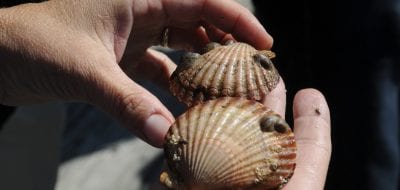
Shellfish
An aquatic animal, such as a mollusk or crustacean, that has a shell or shell-like exoskeleton.
Oceanus magazine
[ ALL ]In-depth research on Phytoplankton

How a cargo ship is tracking hidden ocean life in the Atlantic

The little big picture
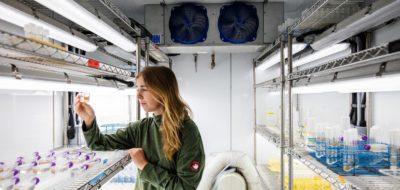
Are warming Alaskan Arctic waters a new toxic algal hotspot?
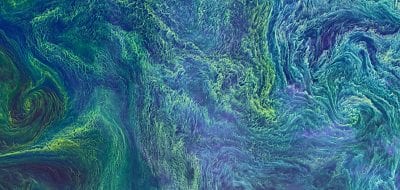
The Living Breathing Ocean
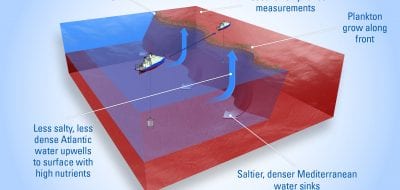
Forecasting Where Ocean Life Thrives
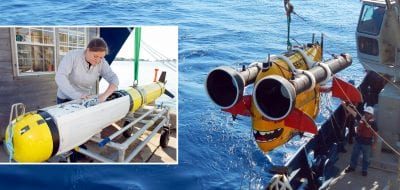
PlankZooka & SUPR-REMUS
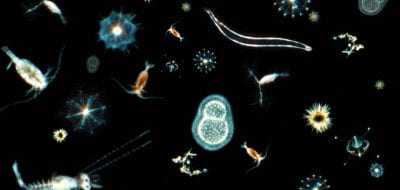
Illuminating an Unexplored Undersea Universe

Specks in the Spectrometer
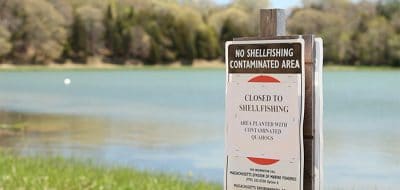
Setting a Watchman for Harmful Algal Blooms
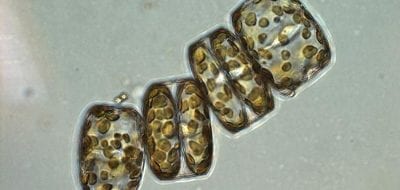
Short-circuiting the Biological Pump
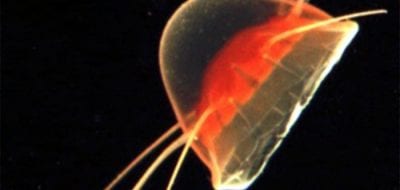
A Telescope to Peer into the Vast Ocean

Jet Fuel from Algae?

WHOI News Room
[ ALL ]Press releases
Heidi Sosik Selected as a Fellow of The Oceanography Society
Get the ocean in your inbox
Fresh discoveries, research, and stories from WHOI — free, every week.