
News Releases
Bacteria hitching a ride on “marine snow” may slow the ocean’s carbon sink
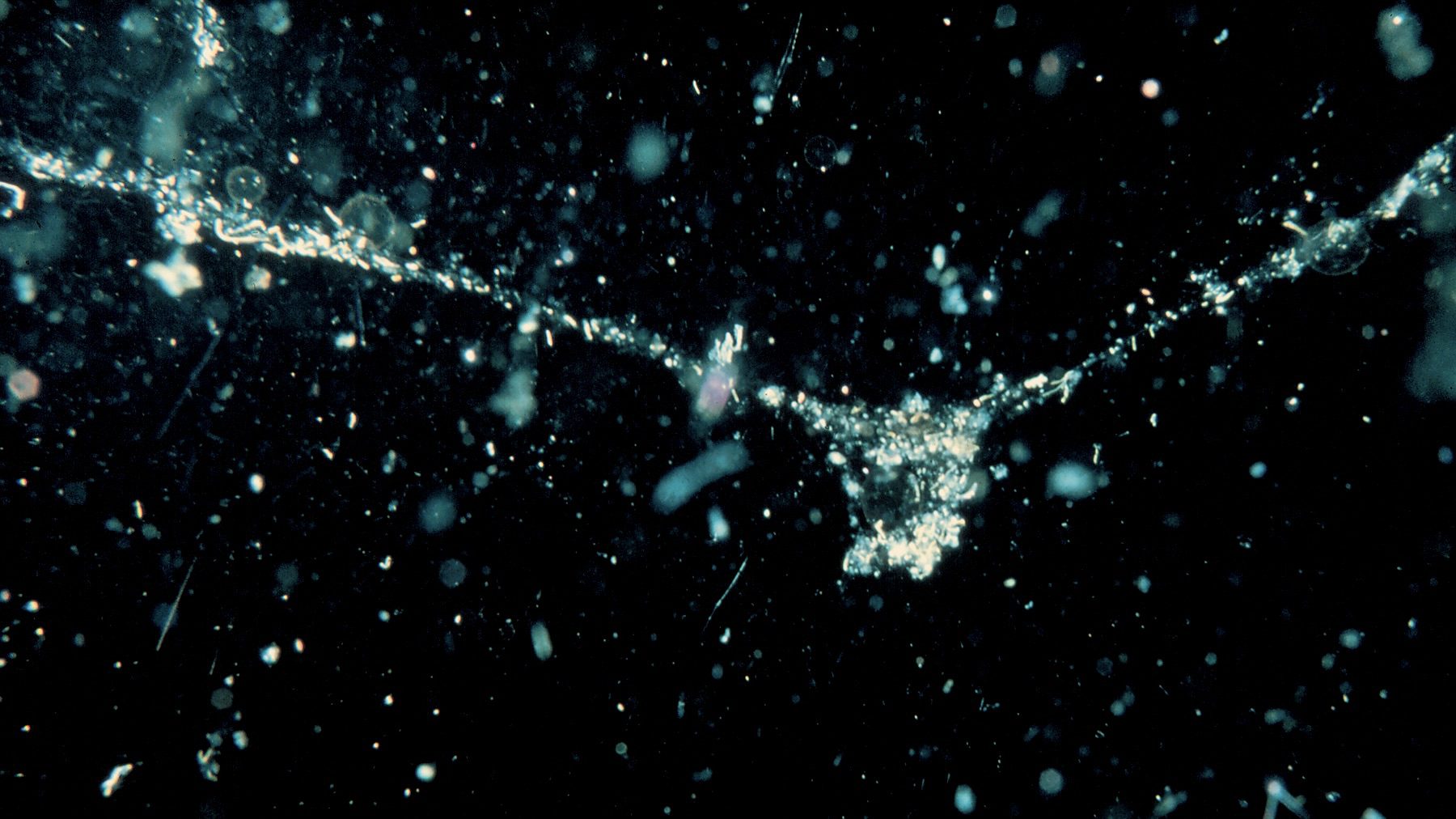
New study reveals how microbes dissolve calcium carbonate ballast, altering the ocean’s biological carbon pump
Read MoreWHOI selected by NASA to investigate ocean worlds and their organic carbon cycles
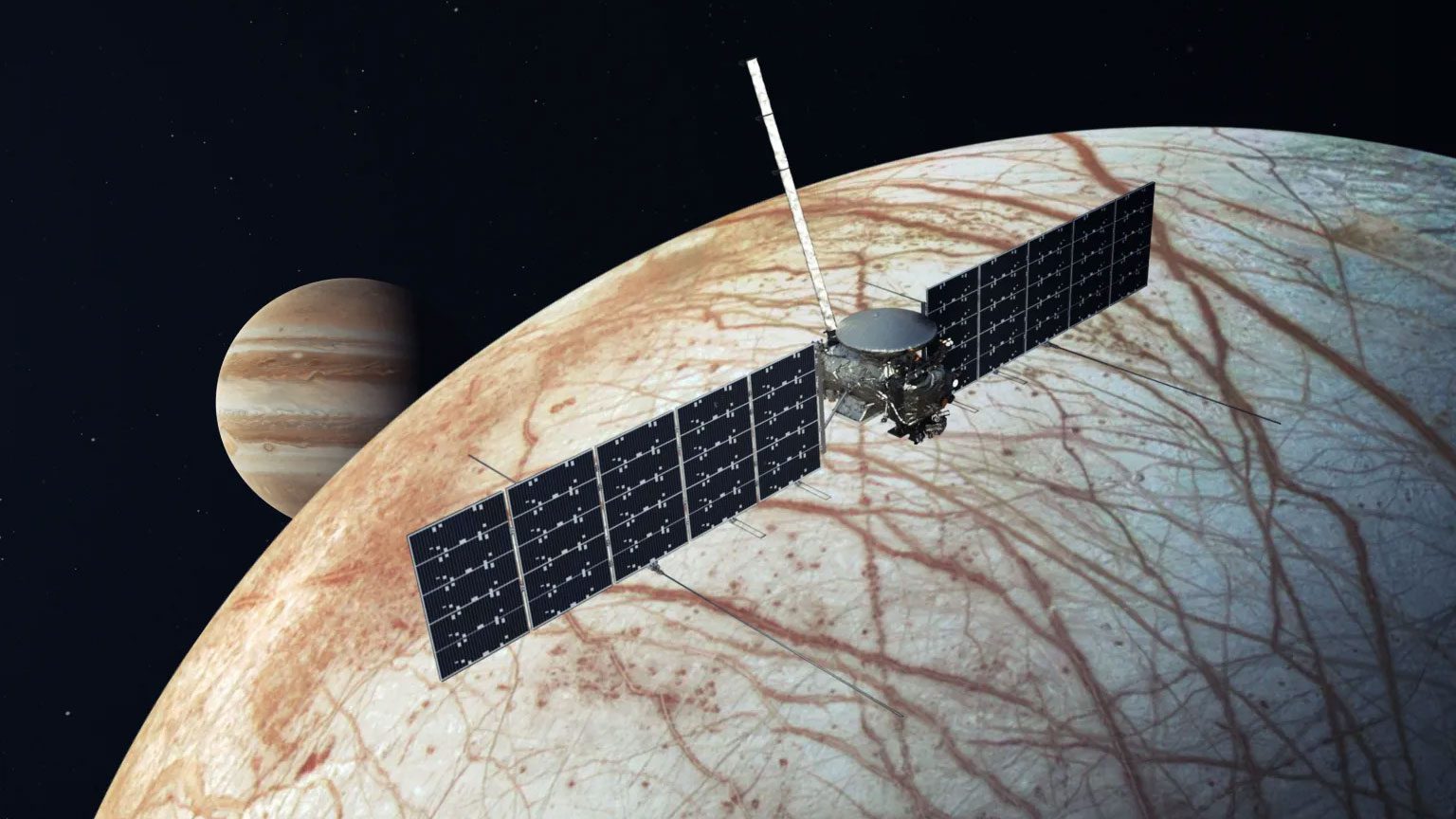
The Investigating Ocean Worlds project will seek to improve the analysis of data related to carbon-rich molecules that could be an indicator of biological activity.
Read MoreMicrobe Dietary Preferences Influence the Effectiveness of Carbon Sequestration in the Deep Ocean
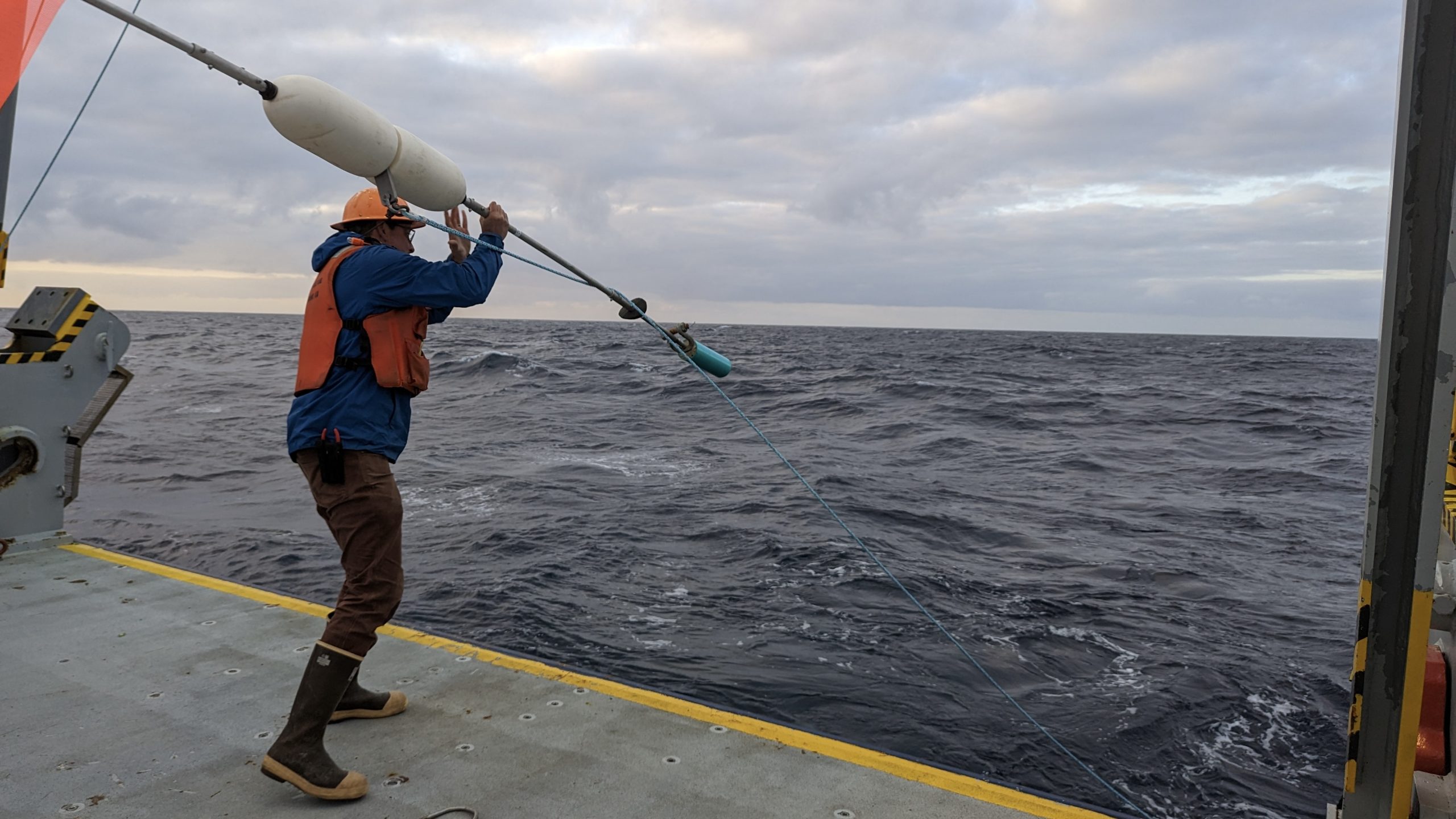
A series of seemingly small processes helps carry carbon dioxide from the ocean’s surface to the deep sea, where it can be stored away for decades.
Read MoreVitamin B12 adaptability in Antarctic algae has implications for climate change
Woods Hole, Mass. — Vitamin B12 deficiency in people can cause a slew of health problems and even become fatal. Until now, the same deficiencies were thought to impact certain…
Read MorePlate Tectonics Fuels a Vast Underground Ecosystem
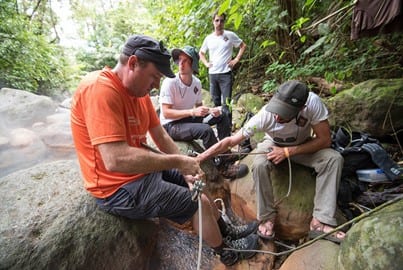
The subsurface is among Earth’s largest biomes, but the extent to which microbial communities vary across tectonic plate boundaries or interact with subduction-scale geological processes remains unknown. In a recently published study, scientists compare bacterial community composition with deep-subsurface geochemistry from 21 hot springs across the Costa Rican convergent margin.
Read MoreA rapidly changing Arctic
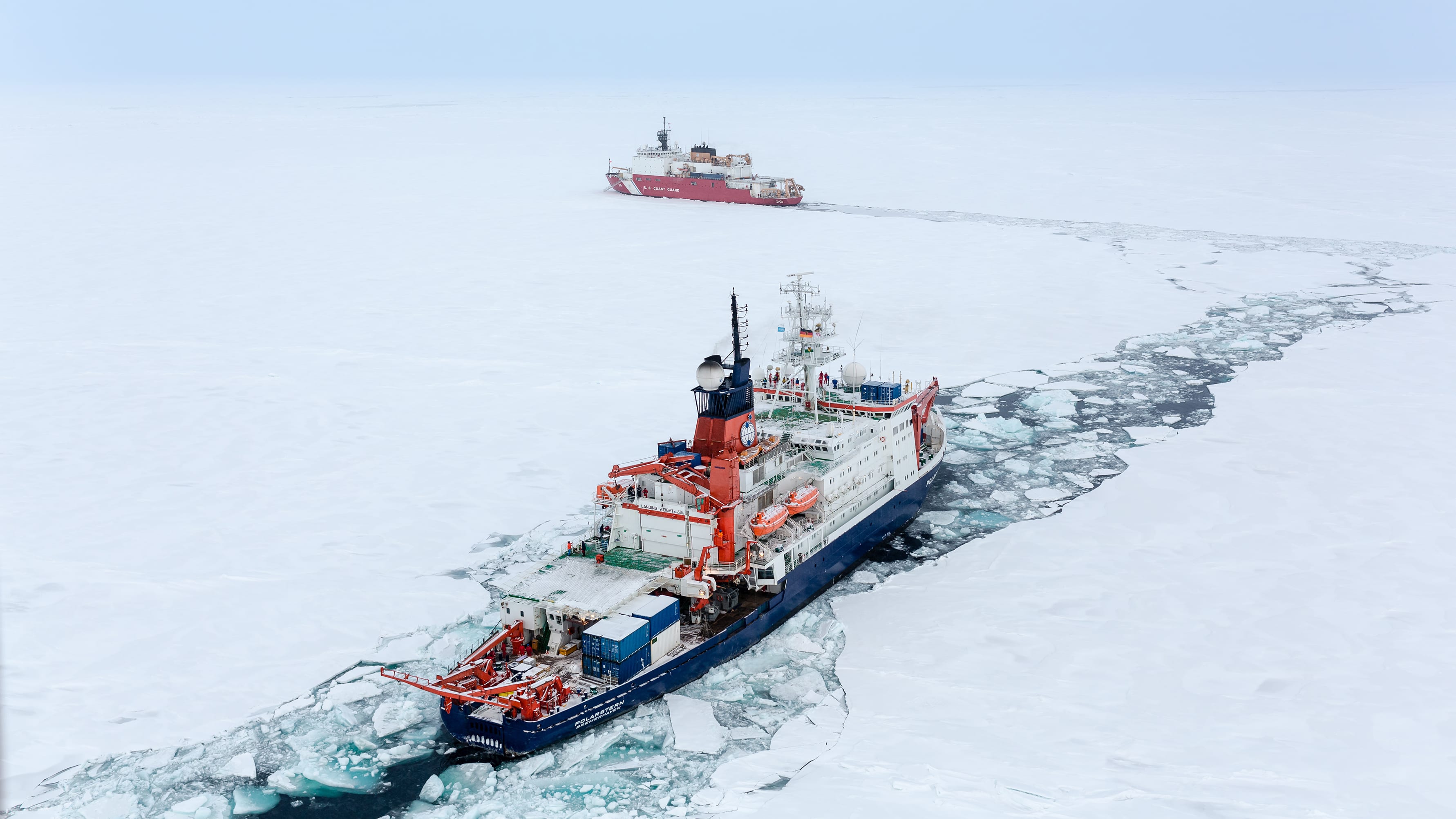
A new study by researchers at Woods Hole Oceanographic Institution (WHOI) and their international colleagues found that freshwater runoff from rivers and continental shelf sediments are bringing significant quantities of carbon and trace elements into parts of the Arctic Ocean via the Transpolar Drift—a major surface current that moves water from Siberia across the North Pole to the North Atlantic Ocean.
Read MoreThe ocean’s ‘biological pump’ captures more carbon than expected
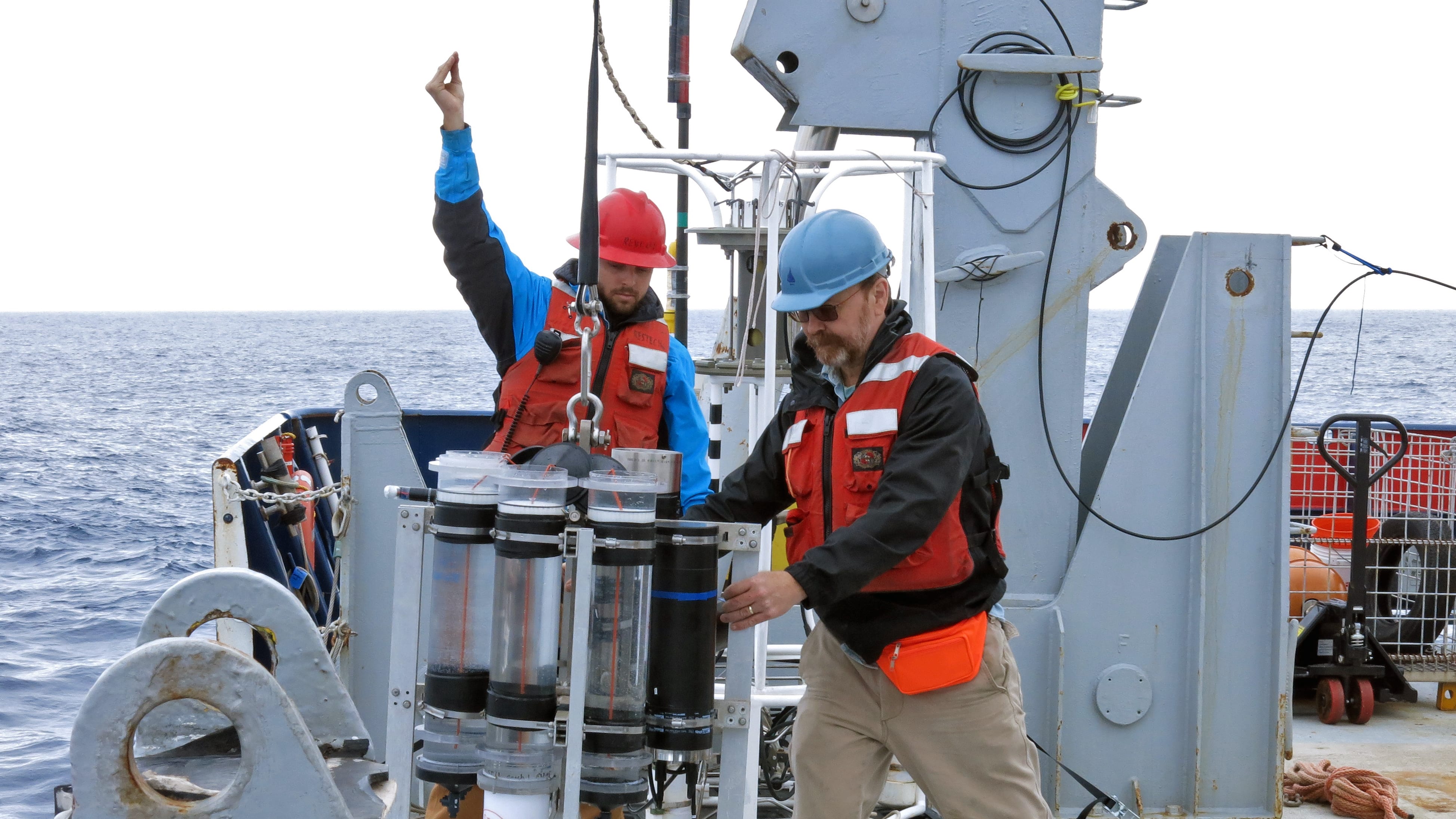
Scientists have long known that the ocean plays an essential role in capturing carbon from the atmosphere, but a new study from Woods Hole Oceanographic Institution (WHOI) shows that the efficiency of the ocean’s “biological carbon pump” has been drastically underestimated, with implications for future climate assessments.
Read MoreReport reveals ‘unseen’ human benefits from ocean twilight zone
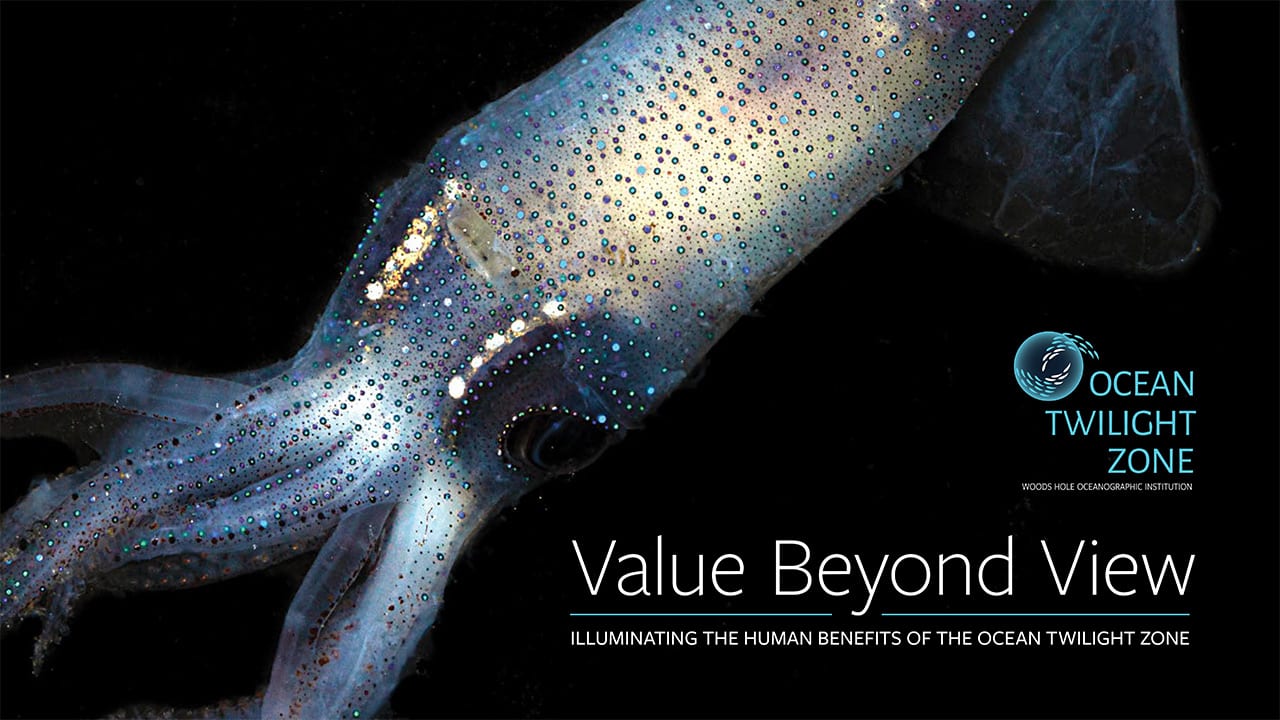
A new report from researchers at Woods Hole Oceanographic Institution (WHOI) reveals for the first time the unseen—and somewhat surprising—benefits that people receive from the ocean’s twilight zone. Also known as the “mesopelagic,” this is the ocean layer just beyond the sunlit surface.
Read MoreOrganic Carbon Hides in Sediments, Keeping Oxygen in Atmosphere
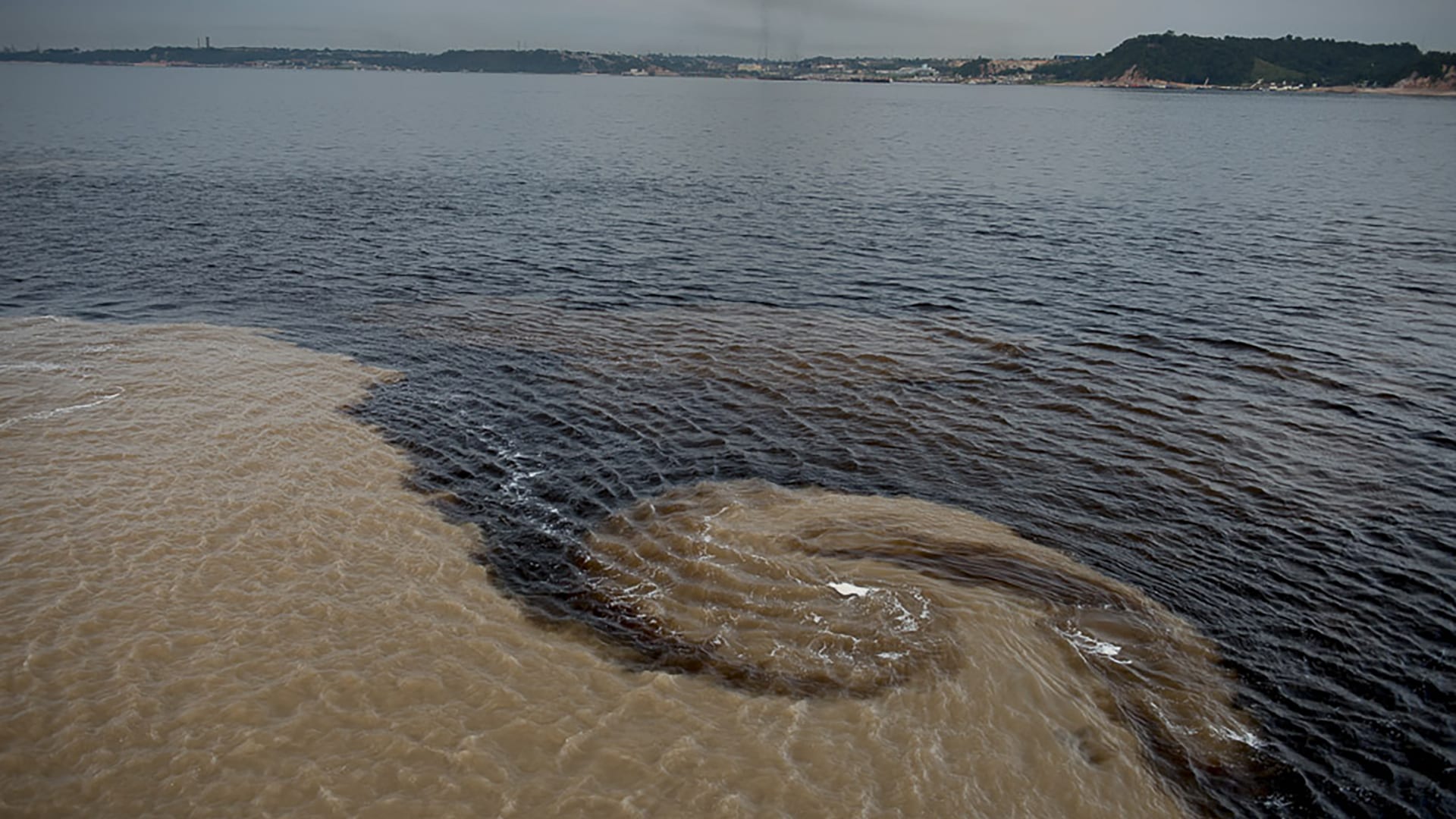
A new study from researchers at the Woods Hole Oceanographic Institution (WHOI) and Harvard University may help settle a long-standing question—how small amounts of organic carbon become locked away in…
Read MoreNew Study Explains Mysterious Source of Greenhouse Gas Methane in the Ocean
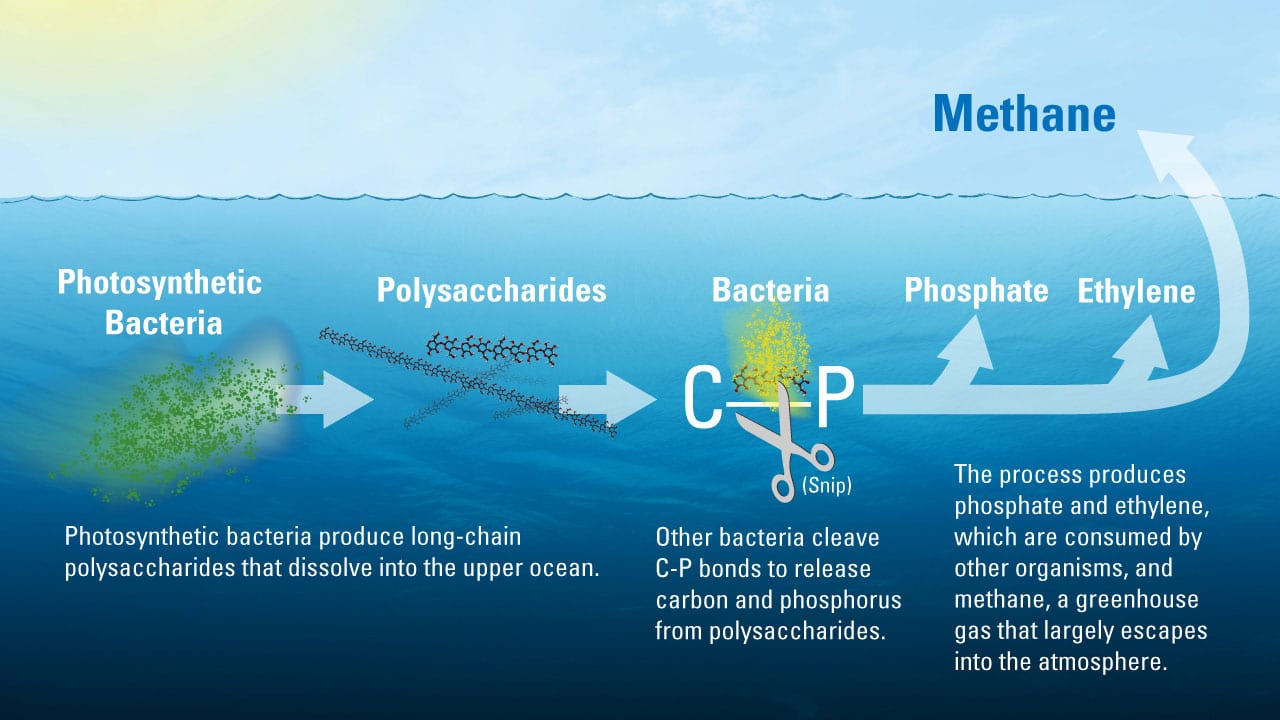
A new study may have cracked the longstanding ‘marine methane paradox,’ finding that the answer may lie in the complex ways that bacteria break down substances excreted into seawater by living organisms.
Read MoreRiver Buries Permafrost Carbon at Sea
As temperatures rise, some of the carbon dioxide stored in Arctic permafrost meets an unexpected fate—burial at sea. As many as 2.2 million metric tons of carbon dioxide (CO2) per year are swept along by a single river system into Arctic Ocean sediment, according to a new study led by Woods Hole Oceanographic Institution (WHOI) researchers and published today in Nature. This process locks away the greenhouse gas and helps stabilize the earth’s CO2 levels over time, and it may help scientists better predict how natural carbon cycles will interplay with the surge of CO2 emissions due to human activities.
“The erosion of permafrost carbon is very significant,” says WHOI Associate Scientist Valier Galy, a co-author of the study. “Over thousands of years, this process is sequestering CO2 away from the atmosphere in a way that amounts to fairly large carbon stocks. If we can understand how this process works, we can predict how it will respond as the climate changes.”
Permafrost—the permanently frozen ground found in the Arctic and Antarctic and in some alpine regions—is known to hold billions of tons of organic material, including vast stores of CO2. Amid concerns about rising Arctic temperatures and their impact on permafrost, many researchers have directed their efforts to studying the permafrost carbon cycle—the processes through which the carbon circulates between the atmosphere, the soil and surface (the biosphere), and the sea. Yet how this cycle works and how it responds to the warming, changing climate remains poorly understood.
Galy and his colleagues from Durham University, the Institut de Physique du Globe de Paris, the NERC Radiocarbon Facility, Stockholm University, and the Universite Paris-Sud set out to characterize the carbon cycle in one particular piece of the Arctic landscape—northern Canada’s Mackenzie River, the largest river flowing into the Arctic Ocean from North America and that ocean’s greatest source of sediment. The researchers hypothesized that the Mackenzie’s muddy water might erode thawing permafrost along its path and wash that biosphere-derived material and the CO2 within it into the ocean, preventing the release of that CO2 into the atmosphere.
Read MoreStudy Reveals How Rivers Regulate Global Carbon Cycle
Humans concerned about climate change are working to find ways of capturing excess carbon dioxide (CO2) from the atmosphere and sequestering it in the Earth. But Nature has its own methods for the removal and long-term storage of carbon, including the world’s river systems, which transport decaying organic material and eroded rock from land to the ocean.
While river transport of carbon to the ocean is not on a scale that will bail humans out of our CO2 problem, we don’t actually know how much carbon the world’s rivers routinely flush into the ocean – an important piece of the global carbon cycle.
But in a study published May 14 in the journal Nature, scientists from Woods Hole Oceanographic Institution (WHOI) calculated the first direct estimate of how much and in what form organic carbon is exported to the ocean by rivers. The estimate will help modelers predict how the carbon export from global rivers may shift as Earth’s climate changes.
Read MoreOcean Bacteria Get ‘Pumped Up’
In a new study published April 27 in the Proceedings of the National Academy of Sciences, scientists at Woods Hole Oceanographic Institution (WHOI) and their colleague from Rutgers University discovered a surprising new short-circuit to the biological pump. They found that sinking particles of stressed and dying phytoplankton release chemicals that have a jolting, steroid-like effect on marine bacteria feeding on the particles. The chemicals juice up the bacteria’s metabolism causing them to more rapidly convert organic carbon in the particles back into CO2 before they can sink to the deep ocean.
Read More
Swirling Currents Deliver Phytoplankton Carbon to Ocean Depths
A new paper published March 26 in the journal Science that highlights the significant role that swirling currents, or eddies, play in pushing non-sinking carbon to ocean depths.
Read MoreNew Study by WHOI Scientists Provides Baseline Measurements of Carbon in Arctic Ocean
Scientists from the Woods Hole Oceanographic Institution (WHOI) have conducted a new study to measure levels of carbon at various depths in the Arctic Ocean. The study, recently published in…
Read MoreLong-Term Carbon Storage in Ganges Basin May Portend Global Warming Worsening
Global warming could destabilize the pool of carbon in the Ganges-Brahmaputra basin and similar places on Earth, potentially increasing the rate of CO2 release into the atmosphere.
Read MoreNovel Ocean-Crust Mechanism Could Affect World’s Carbon Budget
The Earth is constantly manufacturing new crust, spewing molten magma up along undersea ridges at the boundaries of tectonic plates. The process is critical to the planet?s metabolism, including the cycle of underwater life and the delicate balance of carbon in the ocean and atmosphere. Now, scientists at the Woods Hole Oceanographic Institution (WHOI) have observed ocean crust forming in an entirely unexpected way?one that may influence those cycles of life and carbon and, in turn, affect the much-discussed future of the world?s climate.
Read MoreCO2 Emissions Continue Significant Climb
The annual rate of increase in carbon dioxide emissions from fossil fuels has more than tripled in this decade, compared to the 1990s, reports an international consortium of scientists, who paint a bleak picture of the Earth?s future unless ?CO2 emissions [are] drastically reduced.?
Read MoreCarbon Acts Like Rustoleum Around Hydrothermal Vents
The cycling of iron throughout the oceans has been an area of intense research for the last two decades. Oceanographers have spent a lot of time studying what has been…
Read MoreOcean Islands Fuel Productivity and Carbon Sequestration Through Natural Iron Fertilization
An experiment to study the effects of naturally deposited iron in the Southern Ocean has filled in a key piece of the puzzle surrounding iron’s role in locking atmospheric carbon…
Read MoreOcean’s “Twilight Zone” Plays Important Role in Climate Change
A major study has shed new light on the dim layer of the ocean called the “twilight zone”where mysterious processes affect the ocean’s ability to absorb and store carbon dioxide…
Read MoreSeafloor bacteria are multi-tasking with the carbon cycle
Scientists have long known that microorganisms can use one of two different methods to convert carbon dioxide into a form that living things can use for energy. What they didn’t…
Read MoreJellyfish-Like Creatures May Play Major Role in Fate of Carbon Dioxide in the Ocean
Transparent jellyfish-like creatures known as salps, considered by many a low member in the ocean food web, may be more important to the fate of the greenhouse gas carbon dioxide…
Read MoreVERTIGO: Carbon Cycling in the Twilight Zone
Woods Hole Oceanographic Institution (WHOI) scientists and their international colleagues will be at sea off Hawaii in June trying to learn more about the ocean’s ability to store atmospheric carbon…
Read More