
In this section
Ocean Topics
- Climate & Weather
- How the Ocean Works
- Ocean & Human Lives
- Ocean Life
- Sustainable Ocean
- Ocean Tech

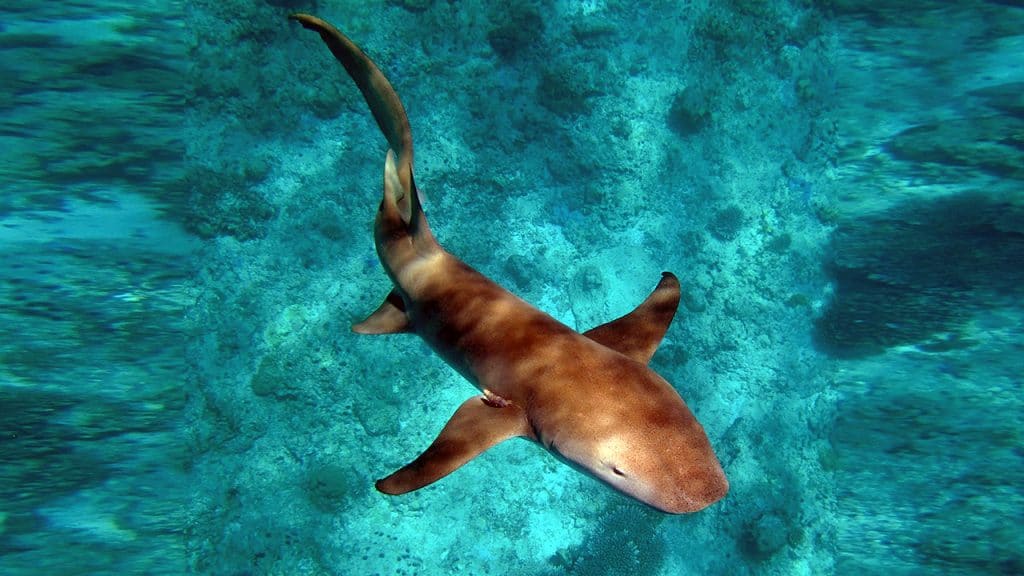
Nurse shark. Photo by Konrad Hughen, ©Woods Hole Oceanographic Institution
What are sharks?
- Sharks are elasmobranchs, a group of animals that includes rays and skates, whose members have a skeleton made of cartilage, rather than bone, and, unlike most other fish, lack a swim bladder.
How many species of shark are there?
- There are more than 500 species of sharks and at least one species is found in every ocean, including the Arctic Ocean.
How big are sharks?
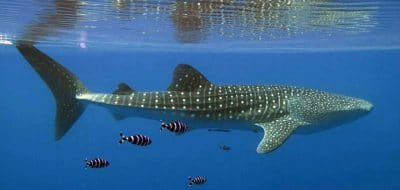
- The smallest shark is the deepwater dogfish (Etmopterus perryi) at only 8 inches and the largest is the whale shark (Rhincodon typus), which, at 13 meters, (42 feet), is the largest fish in the ocean.
How long do sharks live?
- The lifespan of a shark depends on the species, but is at least 70 years in white sharks (Carcharodon carcharias).
What color are sharks?
- The coloration of most sharks has evolved to be dark on top and light on the bottom so that they can’t be easily seen by their prey.
Threats to sharks
- Tens of millions of sharks are killed by humans each year (compared to 12 humans killed by sharks in 2011).
- Nearly all species of sharks in the North Atlantic have declined significantly over the past two decades.
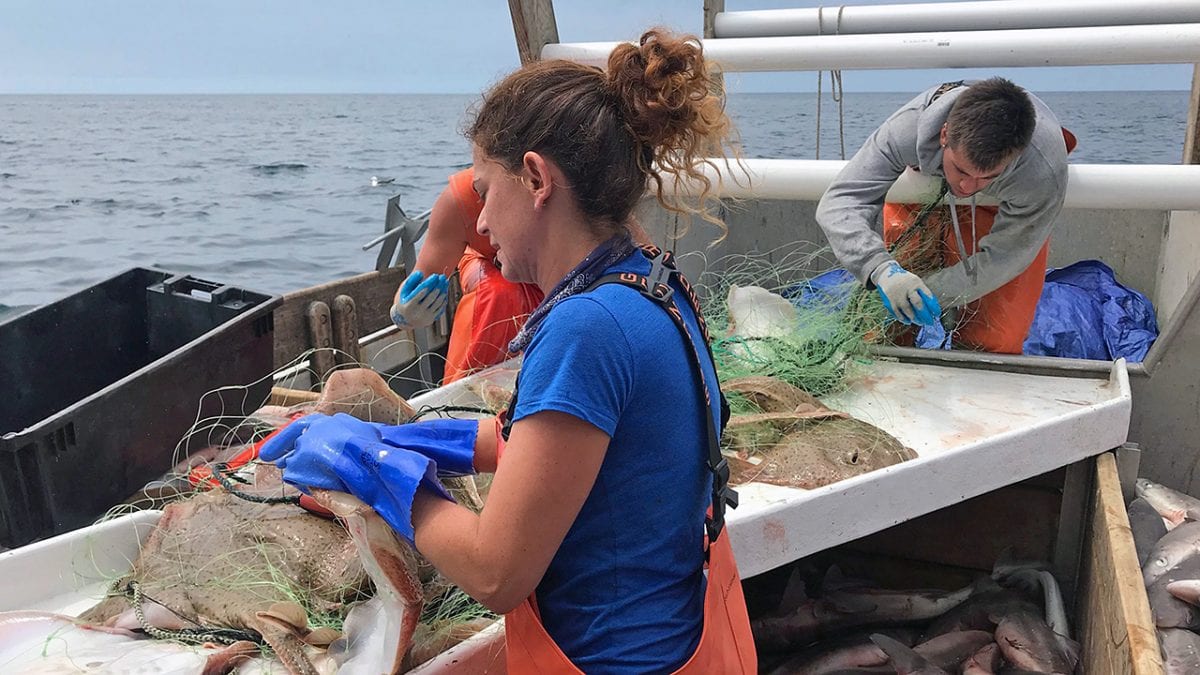
- Sharks are threatened primarily by overfishing, which has been largely driven in recent years by the rise in demand for sharkfin soup, as well as by fishing activities that do not target sharks, but that capture them as bycatch.
- Many shark species mature late, have a long gestation period (up to two years), and give birth to less than a dozen pups. All these factors contribute to low productivity rates among sharks, making many populations particularly vulnerable to fishing mortality.
Are sharks important to tourism?
- A 2011 study by the Australian Institute of Marine Science found that a single reef shark in Palau generates nearly $2 million for the tourist industry over its lifetime.
White Sharks
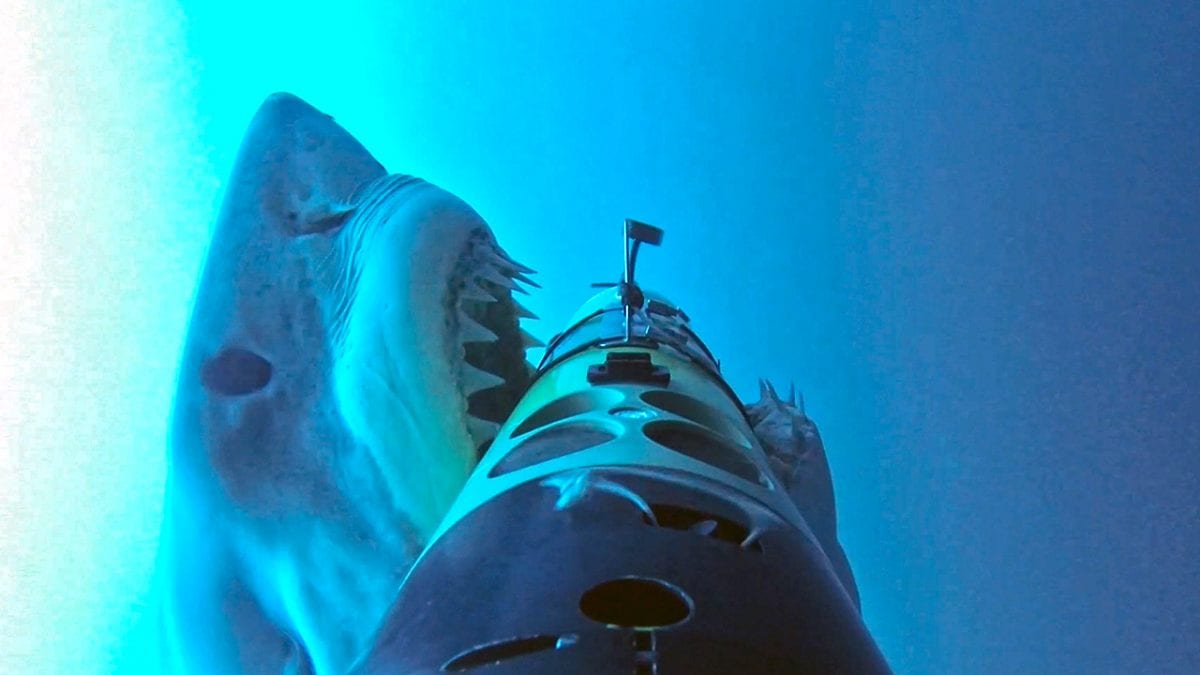
- White sharks (sometimes called great white sharks) are the largest predatory fish in the sea, but they are not all white—the shark’s back may be dark blue, gray, brown or black.
- White sharks can be found along the coasts of ever continent except Antarctica, but scientists suspect there are less than 10,000 remaining.
- White sharks may live for more than 70 years, and they do not start breeding until they are at least 20 years old.
- Individuals grow to an average of 15 feet (4.6 meters) in length, though specimens exceeding 20 feet (6 meters) and weighing up to 5,000 pounds (2,268 kilograms) have been recorded.
- No one has ever reliably observed white sharks mating.
- Like many sharks, white sharks are born live and can swim immediately.
- An individual white shark might lose (and re-grow) more than 1,000 teeth in its lifetime.
- A white shark's liver may make up as much as one-quarter of its entire weight and acts as a swim bladder enabling the shark to remain buoyant.
- White sharks have powerful tails that can propel them through the water at speeds of up to 30 miles per hour (50 kmh) and can even enable them to leave the water completely.
- A white shark's main prey items include fish, sea lions, seals, small toothed whales, and sea turtles. Scientists estimate that after a big meal, an individual can last up to three months before needing to eat again.
- White sharks rarely attack people and when they do, it is probably because they mistaken the person for their usual seal prey.
- More than 70 percent of known victims of white shark attacks survive because the shark likely realizes it has made a mistake and doesn’t finish off its prey.

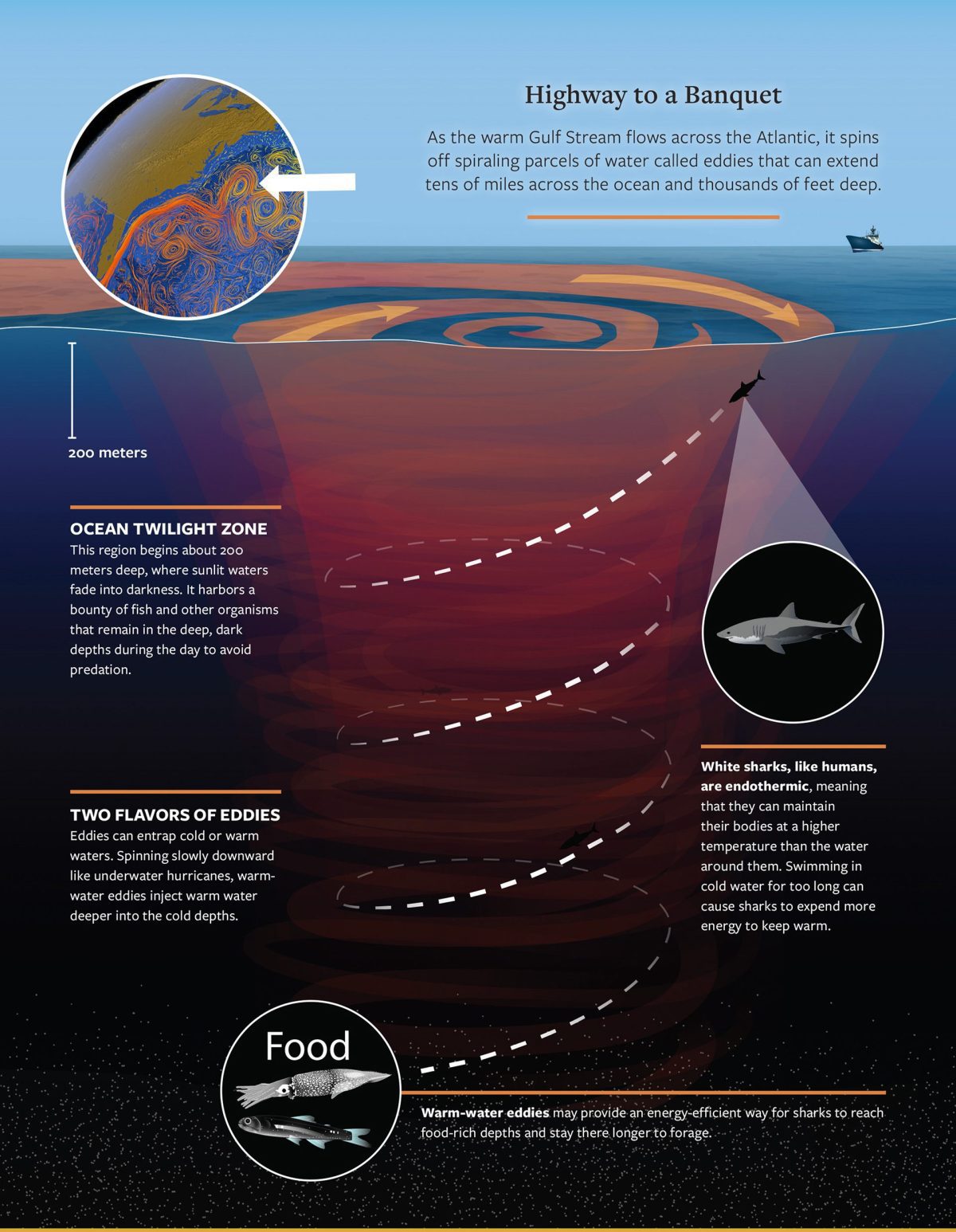
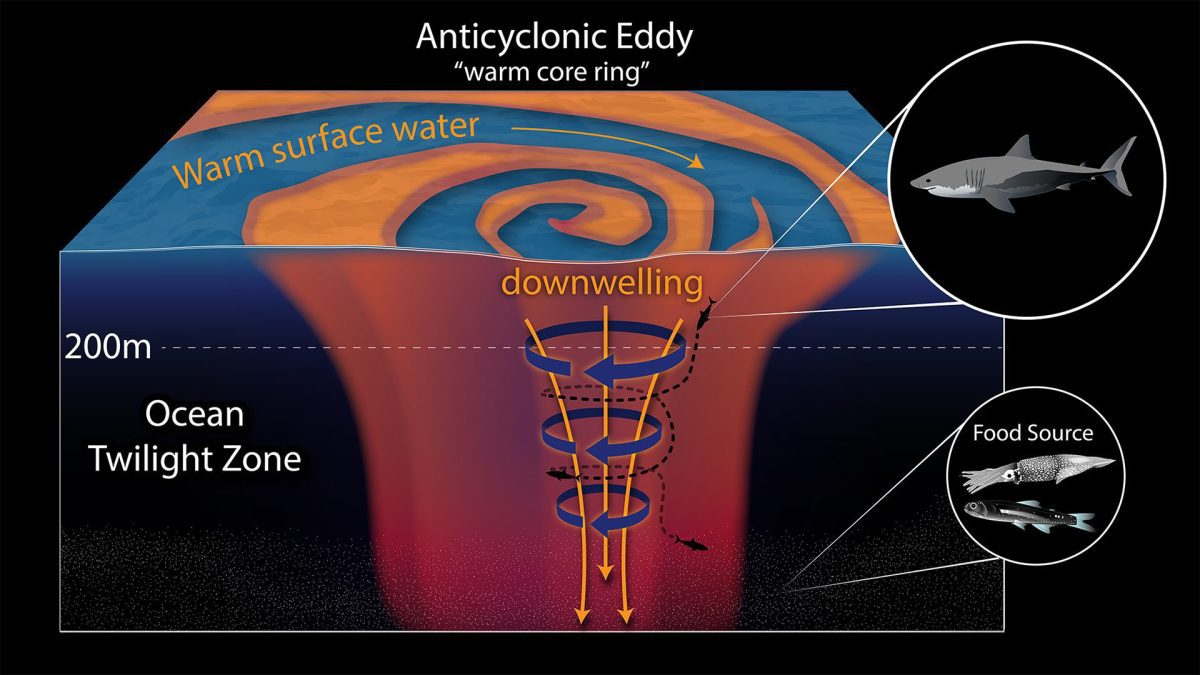
Illustration
Multimedia | Twilight Zone

Articles Related to Shark Facts
[ ALL ]
From Oceanus Magazine
June 11, 2025
Behind the blast
April 23, 2025
Sonic Sharks
October 9, 2024
Tracking big fish at fine scales
September 19, 2024
Hope in fossilized fish bits
June 13, 2024
A cascade of life
January 30, 2023
Casting a (long) line to the twilight zone food web
July 29, 2022
Edie Widder: A light in the darkness
May 26, 2022
Partly cloudy with a chance of sharks
April 21, 2022
Tracking dispersal of baby fish for better reef conservation
August 2, 2019
A tunnel to the Twilight Zone
November 20, 2018
The Secret Tuna Nursery
July 23, 2018
Sharks Take ‘Tunnels’ into the Depths
[ ALL ]
News Releases
June 5, 2025
UN-backed global research shows benefits of tracking ocean giants for marine conservation
April 16, 2024
A new tagging method for fragile marine species
November 7, 2023
New Study Sheds Light on Why Some Animals Dive to The Dark, Deep Sea
August 9, 2023
Top Fish Predators Could Suffer Wide Loss of Suitable Habitat by 2100 Due to Climate Change
September 7, 2022
How marine predators find food hot spots in open ocean “deserts”
July 11, 2021
Shark Week 2021: Sharks and the Ocean’s Twilight Zone
November 26, 2019
Clownfish can’t adapt to rapid environmental changes
August 7, 2019
Blue sharks use eddies for fast track to food
August 6, 2019
SharkCam reveals secret lives of basking sharks in UK
November 28, 2018
Flounder Now Tumor-free in Boston Harbor
June 24, 2016
SharkCam Tracks Great Whites into the Deep
January 8, 2016
Robotic Vehicles Offer a New Tool in Study of Shark Behavior
August 31, 2015
WHOI, NEAQ Embark on Expedition to the Phoenix Islands
August 11, 2014
REMUS SharkCam Captures Upclose Encounters with Great Whites
[ ALL ]
News & Insights
February 10, 2025
Valentine’s Day Courtship Tips from the Ocean
April 24, 2023
Recognizing Massachusetts Right Whale Day
October 6, 2022
What happens to natural gas in the ocean?
February 9, 2021
WHOI working to address ocean acidification; protect region’s vital shellfish industry
December 1, 2020
Unicorns of the Arctic face a new potential threat
October 19, 2020
For Mark Baumgartner, Whale Safe is the natural evolution of WHOI’s work with passive acoustics
September 30, 2020
Listening to fish with passive acoustics
September 10, 2020
Deciphering the Impacts of a Changing Ocean on Scallop Fisheries
August 20, 2020
Specialized camera system gives unprecedented view of ocean life
July 14, 2020
Jellyfish larger than blue whales?
July 8, 2020
Teaming up for right whales
[ ALL ]
WHOI in the News
April 15, 2024
Climate change ‘bait and switch’ threatens sharks and rays
November 20, 2023
Great white sharks are hanging out in the twilight zone and scientists don’t know why
November 13, 2023
Shark chased off by seals along Cape Cod, school of bluefish spotted rubbing up against a shark
September 14, 2023
Climate change takes habitat from big fish, the ocean’s key predators
September 6, 2023
Four steps to curb ‘ocean roadkill’
August 16, 2023
Climate change threatening shark habitats
January 31, 2023
Cape Cod shark research: Local scientists helping teachers bring great white research into the classroom
August 10, 2021
‘Rolls-Royce’ of shark cameras can extend to turtles, whales, seals and squid for ocean’s big picture
July 12, 2021
Sharks and the ocean’s twilight zone: Some female great white sharks can deep dive for hours
December 28, 2020
New technology expected to play a key role in shark research
August 28, 2020
‘SharkCam’ films basking sharks off Scotland
[ ALL ]

Features
Seagrass Meadows
Seagrass meadows are plants adapted to live a completely submerged life in the salty shallows.
Seagrass meadows are plants adapted to live a completely submerged life in the salty shallows.

Environmental DNA (eDNA)
Environmental DNA (eDNA) is essentially DNA collected from the environment. As animals swim through the ocean, they're constantly releasing DNA…
Environmental DNA (eDNA) is essentially DNA collected from the environment. As animals swim through the ocean, they're constantly releasing DNA…
Right Whale FAQs
Northern right whales are large baleen whales known for their distinctive callosities and slow-moving nature. Read our FAQ about this…
Northern right whales are large baleen whales known for their distinctive callosities and slow-moving nature. Read our FAQ about this…

Seabirds
Seabirds have adapted to life in an ocean environment. There are many species of seabirds, and they vary greatly in…
Seabirds have adapted to life in an ocean environment. There are many species of seabirds, and they vary greatly in…
Ocean Plants
Ocean plants are critical to marine life—they are an important food source, they provide oxygen to surrounding marine life, and…
Ocean plants are critical to marine life—they are an important food source, they provide oxygen to surrounding marine life, and…
Benthic Life
Benthic animals live on the sea floor and are typically invertebrates, such as sea anemones, sponges, corals, sea stars, sea…
Benthic animals live on the sea floor and are typically invertebrates, such as sea anemones, sponges, corals, sea stars, sea…
Reef Ecosystems
A healthy reef protects coastlines from wave damage, plays a critical role in providing food, boosts the economy, and provides…
A healthy reef protects coastlines from wave damage, plays a critical role in providing food, boosts the economy, and provides…
Coral Stressors
Stressors can affect organisms living on the reef or they can affect the corals, themselves. When corals die, other organisms…
Stressors can affect organisms living on the reef or they can affect the corals, themselves. When corals die, other organisms…
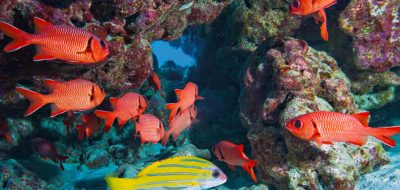
Reef Fish
Fish that inhabit a coral reef play essential roles in the reef ecosystem, and reefs without fish struggle to recover…
Fish that inhabit a coral reef play essential roles in the reef ecosystem, and reefs without fish struggle to recover…
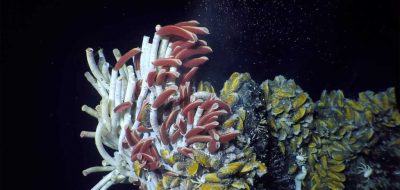
Ecosystems
Ocean ecosystems are found in polar regions, coastal waters, coral reefs, hydrothermal vents, the abyssal plain, and at the bottom…
Ocean ecosystems are found in polar regions, coastal waters, coral reefs, hydrothermal vents, the abyssal plain, and at the bottom…
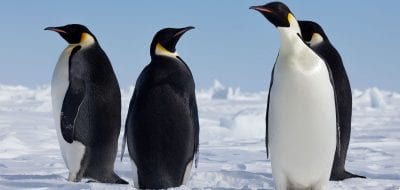
Emperor Penguins
The emperor penguin is the largest living penguin species standing around 115 centimeters tall. Once they have found a partner,…
The emperor penguin is the largest living penguin species standing around 115 centimeters tall. Once they have found a partner,…
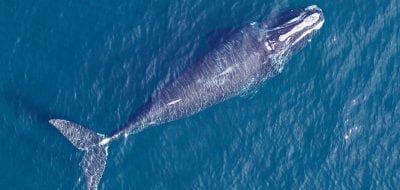
Right Whales
The North Atlantic right whale (Eubalaena glacialis) is one of the most endangered whales in the world—approximately 340 remain—due to…
The North Atlantic right whale (Eubalaena glacialis) is one of the most endangered whales in the world—approximately 340 remain—due to…

Dating Corals, Knowing the Ocean
Coral is a useful tool for scientists who want to understand changes in past climate, but recalling that history presents…
Coral is a useful tool for scientists who want to understand changes in past climate, but recalling that history presents…
Polar Life
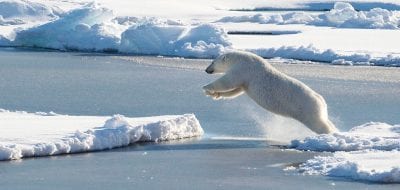
By human standards, they are extreme environments. Yet life not only persists in the poles...it thrives.
By human standards, they are extreme environments. Yet life not only persists in the poles...it thrives.
Sharks & Other Fish
Fish serve important ecological and economic functions. Ecologically, they are both predator and prey, providing food for other animals, and…
Fish serve important ecological and economic functions. Ecologically, they are both predator and prey, providing food for other animals, and…